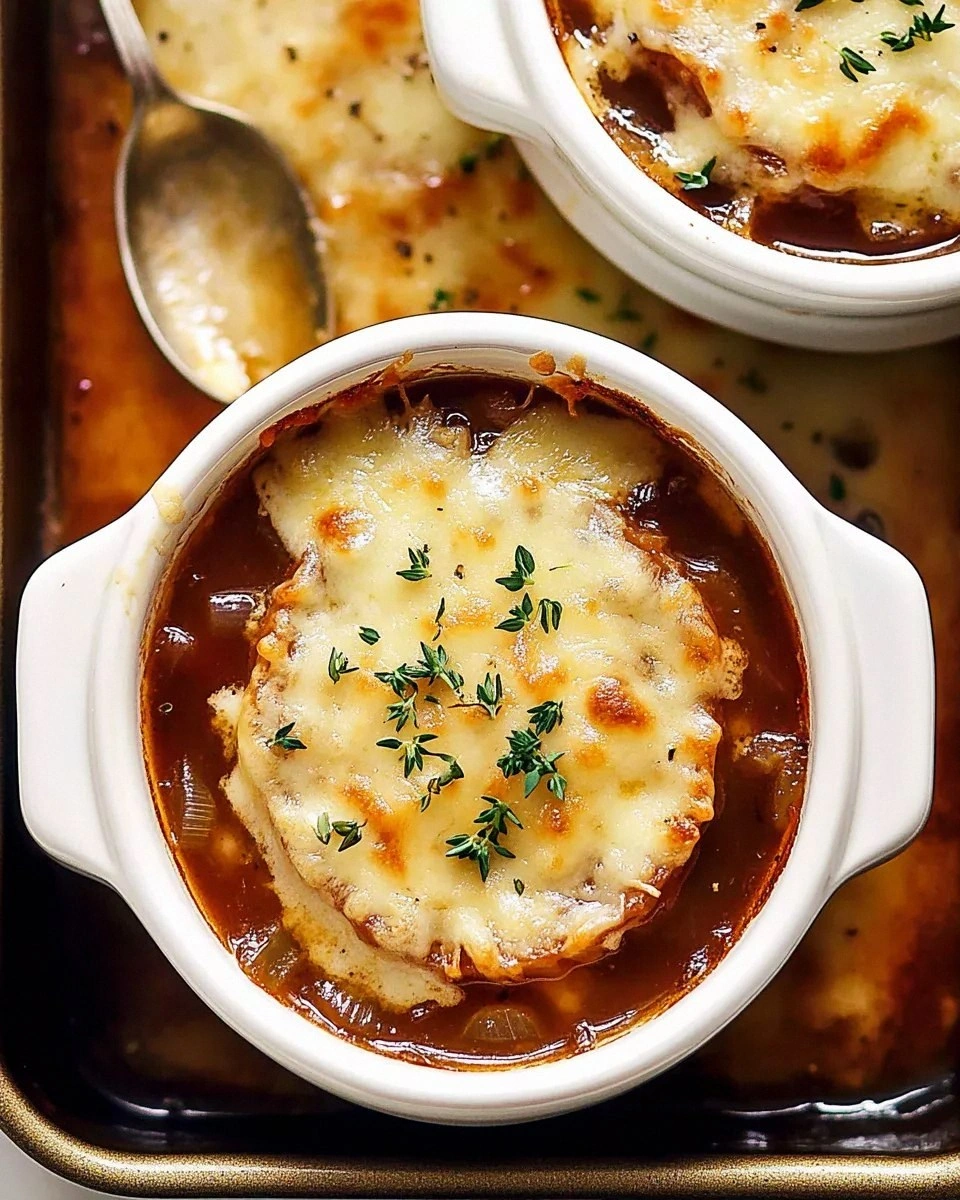
Last winter I found myself in a kitchen apocalypse: the stovetop was a battlefield of burnt garlic, a pot of broth boiled over like a volcanic eruption, and my taste buds were staging a protest. I dared my roommate to a “best comfort food” showdown, and she threw down the gauntlet with a vague memory of a French bistro’s onion soup that seemed to whisper promises of caramelized bliss. The night was cold, the rain hammered the windows, and I was desperate for something that could turn that bleak scene into a warm, nostalgic hug. That desperation birthed the most indulgent, soul‑soothing French Onion Soup you’ll ever taste—a bowl that feels like a hug from a French grandmother who’s mastered the art of patience and flavor.
Picture this: the kitchen filled with the sweet, earthy perfume of onions slowly turning amber, the faint crackle of butter as it melts and embraces each slice, and the occasional pop of garlic as it surrenders to the heat. The sound of the ladle scraping the caramelized bottom of the pot is like a drumroll announcing a grand performance. When the wine sizzles and deglazes, it releases a fragrant puff that makes the whole house feel like a Parisian street café at dusk. The final moment—those golden, cheese‑crusted croutons bubbling under the broiler—creates a crackle that’s practically music to the ears.
Most French Onion Soup recipes get this completely wrong: they either rush the caramelization, skimp on the broth depth, or forget the essential cheese‑toasted baguette that gives each spoonful that perfect crunch‑to‑cream contrast. My version stands out because I treat each step like a love affair, letting the onions sweat for an hour‑plus, adding a splash of dry white wine for that subtle acidity, and finishing with a generous blanket of Gruyère that melts into a glossy, nutty crown. I’ll even throw in a secret ingredient that most chefs keep hidden—a pinch of Worcestershire sauce that adds umami depth without stealing the spotlight.
Okay, ready for the game‑changer? I’m about to walk you through every single step—by the end, you’ll wonder how you ever made this soup any other way. I dare you to taste this and not go back for seconds. Let’s dive in and create a bowl of nostalgia that will have you pulling it out of the oven, the whole kitchen smelling incredible, and your friends begging for the recipe.
What Makes This Version Stand Out
- Depth: The slow caramelization of four pounds of onions creates a natural sweetness that rivals any store‑bought broth, delivering a flavor so rich it feels like liquid gold.
- Texture: The contrast between the silky broth and the crunchy, cheese‑laden baguette crouton is a mouthfeel masterpiece—soft, crisp, and utterly satisfying.
- Simplicity: Despite the gourmet reputation, the ingredient list is straightforward, using pantry staples and a single, optional splash of wine for elegance.
- Uniqueness: A dash of Worcestershire sauce and fresh thyme sprigs add hidden layers of umami and herbaceous brightness that most recipes overlook.
- Crowd Reaction: This soup has a reputation for turning skeptics into believers; it’s the kind of dish that gets a standing ovation at dinner parties.
- Ingredient Quality: Using butter instead of oil and a high‑quality Gruyère ensures a buttery mouthfeel and a nutty, melt‑in‑your‑mouth cheese top.
- Method: The low‑and‑slow caramelization technique is the secret weapon that transforms ordinary onions into a sweet, savory masterpiece.
- Make‑Ahead Potential: The soup improves after a night in the fridge, allowing flavors to meld even further—perfect for busy weeknights.
Inside the Ingredient List
The Flavor Base
The star of this soup is the 4 pounds of yellow onions. Their natural sugars, when slowly coaxed out over low heat, become the sweet backbone of the broth. If you try to skip this step or use pre‑diced onions, you’ll miss the deep caramel notes that make the soup unforgettable. Choose onions that are firm, with papery skins—avoid any that are sprouting or soft, as they’ll introduce unwanted moisture.
The Texture Crew
3 tablespoons butter is the golden glue that coats each onion slice, encouraging even browning without burning. Butter adds a richness that oil simply can’t match, and it carries the flavor of the onions into the broth. If you’re dairy‑free, a high‑smoke‑point oil like grapeseed works, but expect a slightly thinner mouthfeel.
3 tablespoons flour acts as a subtle thickener, giving the soup a velvety body without making it heavy. Sprinkle it over the caramelized onions and stir for a minute to cook out the raw flour taste. Skipping this step will result in a thinner broth that feels more like a consommé than a comforting soup.
The Unexpected Star
½ cup dry white wine is the secret whisper of acidity that lifts the deep sweetness of the onions. It deglazes the pan, loosening those caramelized bits—known as fond—that are flavor gold. If you don’t have wine, a splash of sherry or a teaspoon of apple cider vinegar can substitute, though the nuance will shift slightly.
1 teaspoon Worcestershire sauce adds a savory umami punch that rounds out the broth. It’s the quiet hero that makes the soup taste like it’s been simmering for hours. Omit it, and you’ll notice a subtle flatness in the final taste.
The Final Flourish
1 baguette provides the sturdy platform for the cheese, turning each bite into a crunchy‑cheesy delight. Slice it about half an inch thick, toast until golden, then slather with grated Gruyère. A stale baguette works even better, as it absorbs the broth without turning mushy.
Gruyère is the crown jewel—its nutty, slightly sweet flavor melts into a glossy, golden crust under the broiler. Use a high‑quality, pre‑shredded cheese for convenience, but freshly grated yields a superior melt. If you can’t find Gruyère, Emmental or a sharp Swiss make a decent stand‑in.
Everything's prepped? Good. Let’s get into the real action and turn those humble ingredients into a bowl of nostalgia.
The Method — Step by Step
Slice the onions uniformly (about 1/8‑inch thick) and set them aside. In a heavy‑bottomed Dutch oven, melt the 3 tablespoons of butter over medium‑low heat. Add the onions, a pinch of salt, and stir to coat them evenly. Let them sweat for 10 minutes, stirring occasionally, until they become translucent and start to soften.
Turn the heat to medium and continue cooking the onions, stirring every few minutes. This is the moment of truth: the onions should gradually turn a deep, glossy amber, releasing a sweet, almost caramel scent. This process takes about 45‑60 minutes—don’t rush it, or you’ll end up with bitter, burnt pieces. That sizzle when it hits the pan? Absolute perfection.
When the onions are beautifully caramelized, stir in the 4 cloves of minced garlic and cook for another minute until fragrant. Sprinkle the 3 tablespoons of flour over the onions, stirring constantly to form a roux. Cook the flour for 2‑3 minutes; you’ll notice it turning a light golden hue, which signals the raw flour taste has evaporated.
Deglaze the pot with the ½ cup of dry white wine, scraping the browned bits from the bottom with a wooden spoon. Let the wine reduce by half, about 3‑4 minutes, intensifying its flavor. Then pour in the 6 cups of beef or vegetable stock, followed by the 1 teaspoon Worcestershire sauce, 1 whole bay leaf, and 3 sprigs of fresh thyme. Bring the mixture to a gentle boil, then lower to a simmer.
Let the soup simmer uncovered for 30‑35 minutes. During this time, the flavors meld, the broth deepens, and the thyme releases its aromatic oils. Taste and adjust with salt & black pepper—remember, the cheese and baguette will add a salty bite, so season lightly at first.
While the broth simmers, preheat your broiler and slice the 1 baguette into ½‑inch thick rounds. Toast the slices on a baking sheet until lightly golden, about 5 minutes. Then generously cover each slice with grated Gruyère and return to the broiler for 2‑3 minutes, watching closely until the cheese bubbles and turns a deep amber.
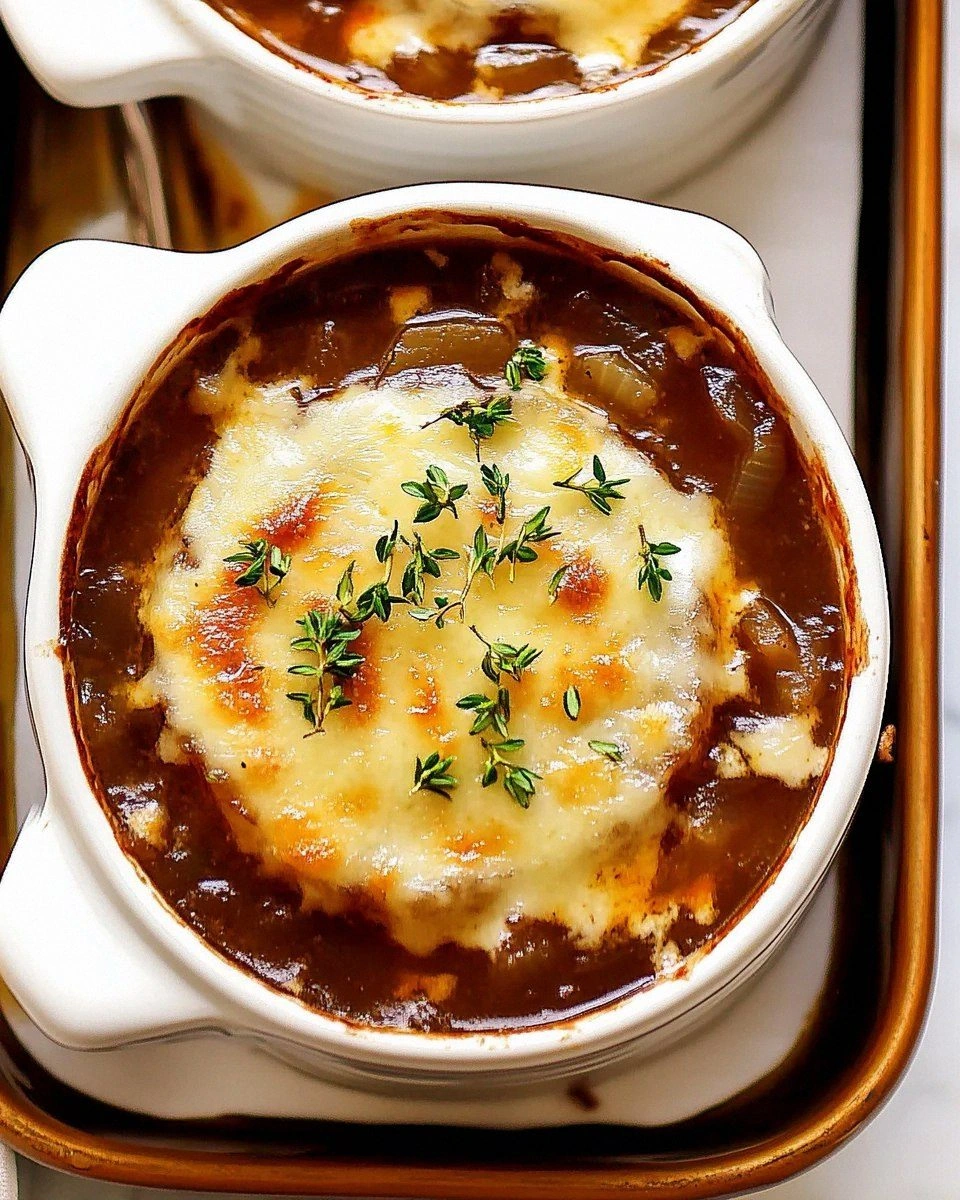
To serve, ladle the hot soup into oven‑safe bowls, place a cheese‑topped baguette slice on top, and broil each bowl for 1‑2 minutes until the cheese melts into a glossy crust. The final visual—bubbles rising, cheese browning—creates a theatrical moment that will wow any guest.
Remove the bowls (they’ll be scorching hot), let them sit for a minute, then dive in. The first spoonful should hit you with a wave of sweet onion depth, a silky broth, and a crunchy, cheesy bite that melts in your mouth. This next part? Pure magic.
That's it — you did it. But hold on, I've got a few more tricks that'll take this to another level, ensuring every bowl you serve is a masterpiece.
Insider Tricks for Flawless Results
The Temperature Rule Nobody Follows
Keep the heat low and slow during caramelization. A medium‑low flame allows the onions to release their sugars gradually, creating a deep amber color without burning. I once tried to speed things up on high heat; the result was a bitter, uneven soup that tasted more like burnt sugar than comfort. Trust the process, and the flavor payoff will be worth the patience.
Why Your Nose Knows Best
The aroma is your best indicator of progress. When the onions start to smell sweet and nutty, you’re nearing the perfect caramelization stage. If you detect a sharp, burnt odor, lower the heat immediately and add a splash of water to rescue the batch. Your nose can sense the subtle shift from sugar to caramel long before your eyes can.
The 5‑Minute Rest That Changes Everything
After simmering, remove the pot from the heat and let the soup rest, covered, for five minutes. This brief pause allows the flavors to harmonize, smoothing out any harsh edges. I’ve tasted soups that were “almost perfect” straight off the stove, but after a short rest, they became transcendent.
Cheese Crust Perfection
Spread the grated Gruyère in an even layer on the baguette slices; clumping creates uneven melting and pockets of burnt cheese. For an extra crunch, lightly brush the bread with a dab of melted butter before adding the cheese. This tiny step adds a buttery crunch that elevates the texture profile.
Seasoning at the End
Because the cheese and broth already contain salt, add the final pinch of salt and pepper just before serving. This prevents over‑salting and ensures the seasoning is balanced across every spoonful. A dash of freshly cracked black pepper on top adds a bright, peppery finish that cuts through the richness.
Creative Twists and Variations
This recipe is a playground. Here are some of my favorite ways to switch things up:
Smoky Bacon Boost
Render 4 slices of thick‑cut bacon until crisp, then crumble them into the soup during the final simmer. The smoky, salty bite adds depth and a delightful crunch that pairs beautifully with the sweet onions.
Vegan Velvet
Swap butter for olive oil, use vegetable stock, and replace Gruyère with a vegan cheese that melts well, such as dairy‑free cheddar. The flavor shifts slightly, but the caramelized onion foundation remains the star.
Herb‑Infused Twist
Introduce a sprig of rosemary or a pinch of dried oregano alongside the thyme for an aromatic variation. These herbs lend a Mediterranean flair that brightens the soup’s earthy notes.
Spicy Kick
Add a pinch of cayenne pepper or a dash of hot sauce during the simmer to give the broth a subtle heat. The spice cuts through the richness, making it perfect for colder evenings when you need a little warmth.
Cheese Swap
Experiment with different cheeses: aged Comté, sharp cheddar, or even a blue cheese crumble for a bold, tangy finish. Each cheese brings its own personality, allowing you to tailor the soup to your palate.
Wine Variation
Try a dry sherry or a splash of Marsala instead of white wine for a richer, slightly sweeter undertone. The alternative alcohol adds complexity without overpowering the onion’s natural sweetness.
Storing and Bringing It Back to Life
Fridge Storage
Allow the soup to cool to room temperature, then transfer it to an airtight container. It will keep for up to 4 days in the refrigerator. Reheat gently on the stovetop over low heat, stirring occasionally to prevent sticking.
Freezer Friendly
Portion the soup into freezer‑safe bags or containers, leaving a little headroom for expansion. It freezes beautifully for up to 3 months. Thaw overnight in the fridge, then reheat on the stove, adding a splash of water or broth to revive the silky texture.
Best Reheating Method
When reheating, add a tiny splash of water (about ¼ cup) before you begin; the steam helps the broth regain its original gloss. Heat slowly, stirring, until it reaches a gentle simmer. Toast fresh baguette slices and melt cheese just before serving for that fresh‑out‑of‑the‑oven crunch.