It was a rainy Thursday, the kind that makes you want to stay in bed and pretend you’re a culinary mastermind. I had just finished a week of burnt toast and overcooked eggs when a friend texted, “You’re not going to believe this—Cacio e Pepe is the best thing I’ve ever had.” I stared at the screen, my stomach growling, and decided that if I wasn’t going to get the right flavor, I’d at least get the right story. I pulled out a pot, a handful of spaghetti, and a block of Pecorino Romano that had been sitting in the fridge like a silent guardian of flavor. The air filled with the sharp scent of cheese melting, the faint crackle of pepper as it hit the pan, and the comforting clink of a ladle against the pot. My kitchen, usually a chaotic mess, felt like a stage set for a culinary revelation. That single, simple dish became a promise of comfort, a reminder that sometimes the simplest ingredients can produce the most profound joy. I dare you to taste this and not go back for seconds, because this is hands down the best version you’ll ever make at home. Let me walk you through every single step—by the end, you’ll wonder how you ever made it any other way.
What Makes This Version Stand Out
- Authentic Flavor: The sauce is built on the pure, sharp tang of Pecorino Romano, balanced by the fiery heat of freshly cracked pepper. It’s a marriage of simple, bold ingredients that delivers a depth of flavor you can’t find in pre‑made sauces.
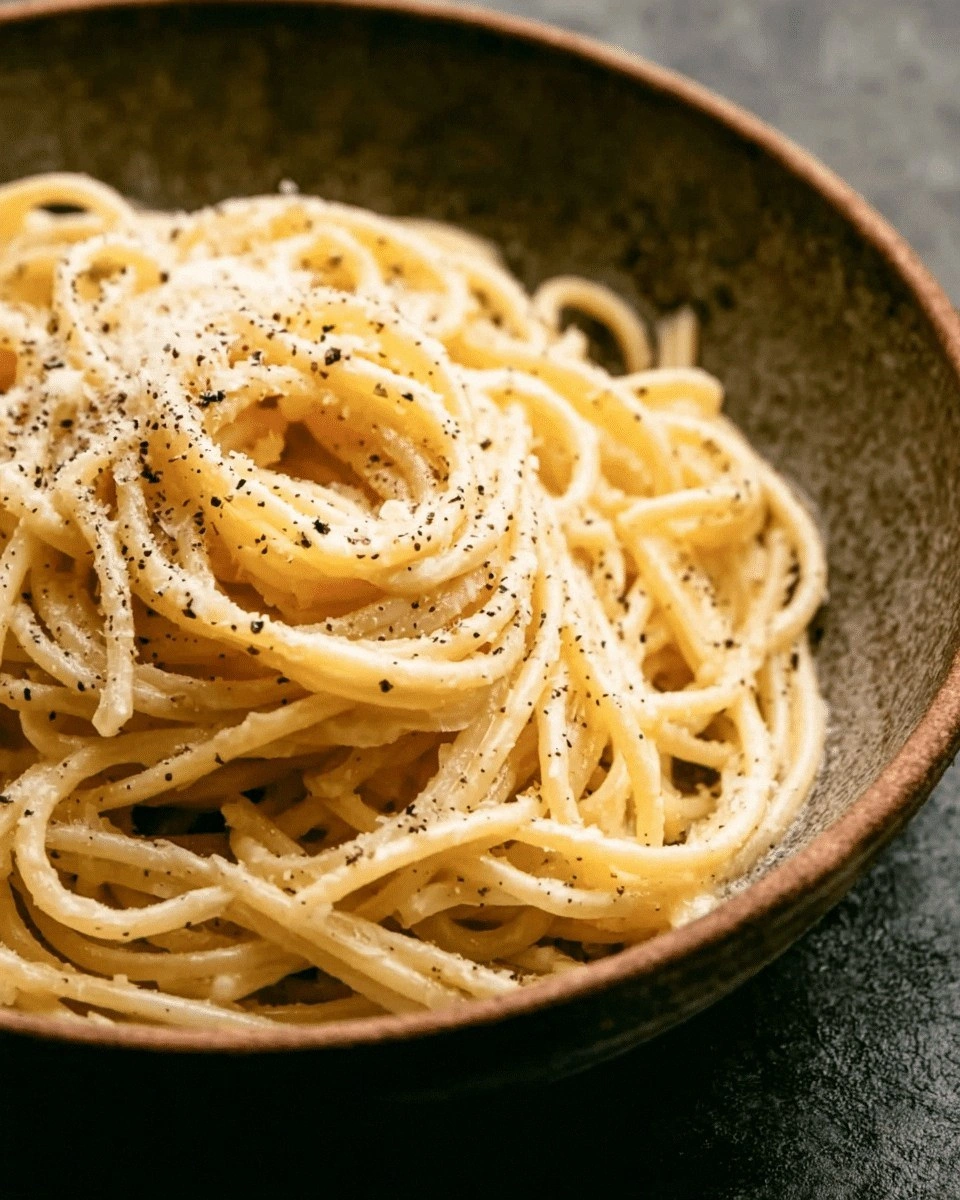
- Texture Magic: The pasta’s al dente bite is complemented by a silky, almost buttery sauce that clings to every strand, creating a contrast that feels both indulgent and light.
- Minimalist Mastery: With only a handful of ingredients, this recipe showcases how less can be more, proving that culinary excellence doesn’t require a pantry full of exotic items.
- Quick Turnaround: From start to finish, the dish takes less than 45 minutes, making it the perfect go‑to for busy weeknights or last‑minute dinner parties.
- Versatile Crowd‑Pleaser: Whether you’re feeding a family or a group of friends, the bold, comforting flavors of this dish resonate with all ages and palates.
- Make‑Ahead Friendly: The sauce can be prepped a day ahead, allowing the flavors to marry overnight, so you can serve it fresh with minimal fuss.
Alright, let’s break down exactly what goes into this masterpiece…
Inside the Ingredient List
The Flavor Base
Pecorino Romano is the star of this dish. Its salty, tangy profile is the backbone of the sauce, giving it that unmistakable Italian character. The cheese’s high moisture content melts into a silky emulsion that coats the pasta like velvet. If you skip it, you lose the depth and the signature sharpness that defines Cacio e Pepe. For a milder alternative, try Grana Padano, but be warned—your sauce will taste like a whisper rather than a shout.
The Texture Crew
Spaghetti—or, for a more authentic twist, tonnarelli—is the canvas that carries the sauce. Its long strands allow the cheese to cling, while its firm bite keeps the dish from feeling mushy. If you prefer a heartier pasta, switch to rigatoni or fettuccine; the sauce will still cling beautifully. Always cook the pasta in salted water; this step seasons the noodles from the inside out.
The Unexpected Star
Freshly cracked black pepper is the secret weapon that gives this dish its kick. It’s not just heat—pepper brings a subtle, earthy aroma that elevates the cheese’s sharpness. The key is to crush the peppercorns just before adding them to the pan; this releases essential oils that a pre‑ground pepper can’t match. If you’re a fan of a milder bite, reduce the amount by half, but you’ll miss the pepper’s complex profile.
The Final Flourish
Pasta water is the unsung hero of this recipe. Its starch content turns the cheese into a smooth emulsion, preventing the sauce from separating. Keep a generous ladle of it on hand and add it gradually as you stir. If you forget, a splash of warm water can rescue the sauce, but the texture won’t be as silky.
Everything’s prepped? Good. Let’s get into the real action…
The Method — Step by Step
- Bring a large pot of salted water to a rolling boil. The water should taste like the sea—salty enough to season the pasta from the inside. Add the spaghetti and cook until it’s just shy of al dente, about 7 minutes. This timing ensures the noodles are firm enough to hold the sauce without becoming mushy.
- While the pasta cooks, heat a wide skillet over medium heat and add a splash of olive oil. Once the oil shimmers, add the freshly cracked pepper and toast it for 30 seconds. The pepper should release a fragrant aroma, not burn. This step develops the pepper’s flavor and creates a subtle base for the sauce.
- Drain the pasta, reserving the water, and add the noodles directly to the skillet with the pepper. Toss to coat the strands in the pepper‑oil mixture. The pasta should be hot enough to melt the cheese but not so hot that it burns the dairy.
- Reduce the heat to low and sprinkle the grated Pecorino Romano over the pasta. Use a wooden spoon or tongs to stir vigorously, allowing the cheese to melt into a creamy emulsion. Keep the heat low; high heat can cause the cheese to seize.
- Add the reserved pasta water gradually, stirring constantly. The starch will bind the cheese into a glossy sauce that clings to every strand. The sauce should look silky, not watery—add more water if it’s too thick, but be careful not to dilute the flavor.
- Taste the sauce and season with a pinch of salt if needed. Remember, the cheese already brings a lot of saltiness, so add sparingly. The pepper should still dominate the flavor profile, giving the dish its signature bite.
- Serve immediately, topped with a final grating of Pecorino Romano and a few fresh cracked peppercorns. The dish is best enjoyed hot, with the cheese still melting in your mouth. If you’re serving guests, a small bowl of extra cheese on the side lets everyone add more to taste.
- If you’re short on time, you can prep the sauce ahead of the day. Store the sauce in an airtight container and reheat gently, adding a splash of pasta water to restore its silkiness. The flavors will deepen overnight, making the dish even more robust.
That’s it—you did it. But hold on, I’ve got a few more tricks that will take this to another level…
Insider Tricks for Flawless Results
The Temperature Rule Nobody Follows
Keep the skillet on low heat after adding the cheese. Many chefs jump the gun and let the pan get too hot, which causes the cheese to seize and turn grainy. A gentle heat allows the dairy to melt smoothly into a creamy emulsion. If the sauce seems sluggish, add a tiny splash of pasta water to activate the starches.
Why Your Nose Knows Best
Before you add the pepper, give the skillet a sniff. The aroma of toasted pepper should be sharp, almost citrusy. If it smells flat, the pepper has lost its oils and you’ll need to freshen it up with a new batch. Your nose is the first line of defense against a bland dish.
The 5-Minute Rest That Changes Everything
After cooking, let the pasta sit in the skillet for five minutes with the lid off. This rest allows the pasta to finish absorbing the sauce and the flavors to meld. The result is a richer, more cohesive dish that feels like a single, harmonious bite.
The Perfect Pepper Grind
Use a pepper mill with a coarse grind for the best texture. The peppercorns should break slightly in the pan, releasing their oils without turning into fine powder. A fine grind can overwhelm the cheese and make the dish too hot.
The Cheese Trick
Grate the Pecorino Romano finely—about the size of a fine sand grain. Fine grating ensures the cheese melts evenly and quickly. If you grate it too coarsely, you’ll end up with uneven chunks that can be a choking hazard or create an uneven sauce.
Creative Twists and Variations
This recipe is a playground. Here are some of my favorite ways to switch things up:
The Smoky Twist
Add a teaspoon of smoked paprika to the skillet with the pepper. The smoky undertone complements the sharp cheese and adds a depth of flavor that’s perfect for autumn gatherings. Pair with a side of roasted butternut squash for a full meal.
The Herb‑Infused Version
Stir in a handful of fresh basil or a sprinkle of chopped parsley after adding the cheese. The herbs bring a burst of green freshness that cuts through the richness. This variation works well for a summer dinner when you want something lighter.
The Protein‑Packed Upgrade
Sauté diced pancetta or bacon until crisp and add it to the pasta before the cheese. The salty, meaty flavor pairs beautifully with the pepper, turning the dish into a hearty main course. This is great for a quick weeknight when you need protein fast.
The Vegan Take
Replace Pecorino Romano with a vegan parmesan substitute made from nutritional yeast, cashews, and a pinch of salt. Use a plant‑based milk to help create the emulsion. The result is a creamy, dairy‑free version that still delivers the classic peppery bite.
The Creamy Finale
Whisk in a tablespoon of heavy cream after the cheese has melted. The cream adds a velvety texture and slightly mellows the sharpness, creating a richer sauce that’s perfect for a special occasion. Just be careful not to overdo it, or you’ll lose the dish’s signature simplicity.
Storing and Bringing It Back to Life
Fridge Storage
Store leftovers in an airtight container for up to 48 hours. When reheating, add a splash of water or milk to rehydrate the sauce. The dish should be warmed gently on low heat, stirring constantly to prevent the cheese from separating.
Freezer Friendly
Freeze in a freezer‑safe container for up to two weeks. Thaw overnight in the fridge and reheat on the stove with a tablespoon of water to restore the sauce’s silky texture. The cheese will remain sharp, but the pepper’s bite may soften slightly.
Best Reheating Method
Reheat over low heat, stirring frequently. Add a small splash of pasta water or milk to keep the sauce from drying out. The goal is to bring the dish back to its original silky consistency, not to overcook it.