I’m going to start with a confession that will probably make you roll your eyes: I once tried to impress a date by pulling a “quick” cheese appetizer out of the freezer, and what I got was a sad, soggy slab of brie that looked like a wilted flower. The kitchen was filled with the faint scent of burnt butter, and the whole evening felt as flat as the pancake I attempted to flip after the disaster. That night, I swore off any cheese‑centric party tricks forever—until a friend dared me to bake brie inside a puff pastry shell, drizzle it with honey, and top it with fig preserves. I took the challenge, and what happened next was nothing short of culinary fireworks.
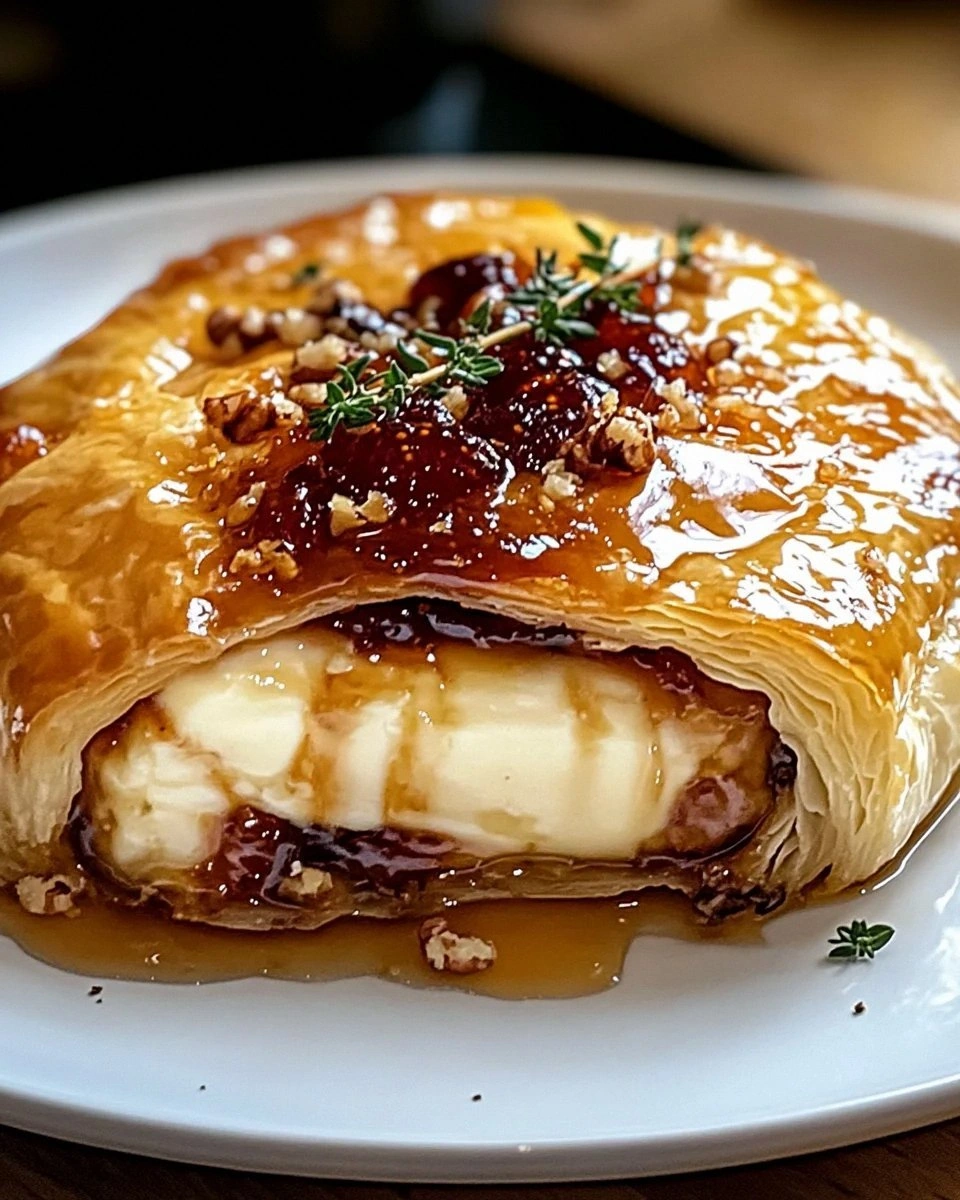
Picture this: the oven door swings open and a golden‑brown puff pastry puff rises like a sunrise over the Alps, its layers flaking apart with a whisper that says “crunch.” The brie inside is molten, oozing out in silky ribbons that cling to the fig’s ruby‑red jam like a lover’s embrace. A drizzle of honey glistens on top, catching the light and sending sweet perfume wafting through the room. Fresh thyme leaves sprinkle across the surface, adding a herbaceous note that feels like a cool breeze on a summer afternoon. The whole scene is a sensory symphony—crackle, aroma, melt, and a buttery crunch that makes your teeth sing.
Now, why does this version beat every other baked brie recipe you’ve ever Googled? Most recipes either drown the cheese in sugary sauce or forget the crucial textural contrast that makes a bite unforgettable. This one respects the brie’s delicate flavor, enhances it with the natural sweetness of honey and figs, and then wraps it in a pastry that stays crisp—no soggy bottom, no burnt edges. I’ve added a dash of black pepper for a subtle heat that cuts through the richness, and a sprinkle of coarse sugar that caramelizes into a glittering crown. The result is a balanced masterpiece that feels both elegant and comforting, perfect for any gathering.
And here’s the kicker: the secret technique that makes the pastry stay perfectly flaky is a quick egg wash combined with a brief chill before baking, which creates steam pockets that puff up the layers like tiny balloons. I dare you to taste this and not go back for seconds—because once you’ve experienced the contrast of buttery crunch, warm cheese, and sweet‑savory jam, everything else feels like a bland rehearsal. Let me walk you through every single step — by the end, you’ll wonder how you ever made it any other way.
What Makes This Version Stand Out
- Taste: The sweet honey and fig jam create a natural glaze that complements the earthy brie without overwhelming it, while a hint of black pepper adds a surprising spark.
- Texture: Flaky puff pastry meets molten cheese, producing a crunchy‑soft dichotomy that makes every bite an adventure.
- Simplicity: Fewer than ten ingredients and a 45‑minute total time mean you can whip this up even on a weekday night.
- Uniqueness: The addition of fresh thyme and optional toasted nuts brings an herbaceous‑nutty depth you won’t find in standard baked brie recipes.
- Crowd Reaction: Guests often declare this the star of the party, and you’ll hear the “wow” echo around the table within minutes of serving.
- Ingredient Quality: Using a high‑quality brie wheel and good‑grade puff pastry ensures melt‑in‑your‑mouth goodness that cheap substitutes can’t match.
- Cooking Method: The quick chill before baking creates steam pockets that lock in moisture, guaranteeing a perfectly puffed crust.
- Make‑Ahead Potential: Assemble ahead of time, refrigerate, then pop it in the oven when guests arrive—minimal last‑minute stress.
Inside the Ingredient List
The Flavor Base
First up, the fig preserves. This isn’t just any jam; it’s a concentrated burst of sweet‑tart fruit that acts like a natural glaze for the brie. When heated, the figs soften and meld with the honey, creating a glossy, velvety coating that clings to the cheese like a second skin. If you skip the figs, you lose that deep fruity undertone, and the dish can feel one‑dimensional. A great swap is a good‑quality apricot jam or a swirl of raspberry coulis for a tangier profile.
The Texture Crew
Puff pastry is the unsung hero here. Its layers of butter and dough, when baked, puff up into airy, buttery clouds that crackle under your fork. Using a frozen sheet that’s fully thawed ensures the butter is still solid enough to create steam pockets. If you opt for a homemade puff pastry, you’ll need to roll it thin and keep it chilled—otherwise, you’ll end up with a dense, soggy crust. As an alternative, you could use phyllo dough for an even lighter crunch, but be prepared for extra brushing of butter between sheets.
The Unexpected Star
Fresh thyme leaves might seem like a garnish, but they deliver a bright, earthy aroma that cuts through the richness of the cheese and honey. The tiny leaves release essential oils when they hit the heat, creating a fragrant cloud that fills the kitchen. If you’re allergic or simply don’t have thyme, rosemary or sage can step in, though they’re stronger and should be used more sparingly.
The Final Flourish
A beaten egg brushed over the pastry surface is the secret to that glossy, golden finish. It also helps the coarse sugar (if you choose to use it) adhere, forming a caramelized sparkle that looks as good as it tastes. The black pepper adds a subtle heat that awakens the palate, preventing the dish from feeling cloyingly sweet. Finally, a handful of chopped walnuts or pecans tossed on top introduces a satisfying crunch that contrasts the creamy interior. Skipping the nuts will make the texture less complex, but the dish remains delicious.
Everything's prepped? Good. Let’s get into the real action…
The Method — Step by Step
-
Start by preheating your oven to 200°C (390°F). While the oven warms, line a baking sheet with parchment paper; this prevents the pastry from sticking and makes cleanup a breeze. The moment the oven clicks, you’ll hear a faint hum that signals the upcoming transformation—listen closely, that’s the sound of flavor building.
Kitchen Hack: Place a metal cooling rack on the parchment, then set the assembled pastry on the rack. This allows hot air to circulate underneath, giving the bottom a crispier finish. -
Take the thawed puff pastry sheet and lay it on a lightly floured surface. Using a rolling pin, gently roll it out to a rectangle about 1/8 inch thick—thin enough to puff, thick enough to hold the cheese. Cut the pastry into a square large enough to fully encase your brie wheel, leaving about a 2‑inch overhang on each side.
-
Place the brie wheel in the center of the pastry square. Spoon the fig preserves over the top, spreading it evenly but leaving a small border so the pastry can seal. Drizzle honey in a gentle spiral, letting it pool in the crevices; the honey will caramelize, adding a glossy sheen.
Scatter fresh thyme leaves and a pinch of black pepper across the jam‑honey mixture. If you’re using nuts, toss them now so they’ll toast alongside the pastry.
-
Fold the pastry over the brie, meeting the edges at the top and pinching them together to seal. You can create a decorative braid or simply fold the corners inward for a rustic look. Press gently to ensure no gaps—any opening will let steam escape and could cause the pastry to deflate.
Watch Out: If the pastry isn’t sealed tightly, the cheese can leak out and burn on the pan, ruining both texture and flavor. -
Brush the entire surface of the wrapped brie with the beaten egg. This egg wash is the key to a golden, glossy crust. If you love a touch of sparkle, sprinkle coarse sugar over the egg‑washed pastry now; it will melt and caramelize during baking.
-
Transfer the prepared parcel to the prepared parchment‑lined sheet (or rack). Pop it into the preheated oven and bake for 20‑25 minutes, or until the pastry is a deep golden‑brown and the edges start to pull away from the cheese.
Midway through, you’ll notice the pastry puffing dramatically—this is the steam inside the layers doing its job. If you peek through the oven window, you’ll see the fig jam bubbling just beneath the crust, a sign that the interior is reaching that perfect melt.
-
When the timer dings, remove the tray and let the pastry rest for 5 minutes. This short rest allows the cheese to settle just enough so it doesn’t ooze everywhere when you cut into it. The aroma at this stage is intoxicating—honey, figs, buttery pastry, and a whisper of thyme filling the air.
-
Place the baked brie on a serving board, drizzle a final spoonful of honey over the top, and sprinkle any remaining thyme leaves for a fresh pop of green. Serve with crusty baguette slices, apple wedges, or even a handful of arugula tossed in a light vinaigrette.
Kitchen Hack: Warm your serving plates in the oven for 2 minutes before plating; this keeps the cheese molten longer.
That’s it — you did it. But hold on, I’ve got a few more tricks that'll take this to another level…
Insider Tricks for Flawless Results
The Temperature Rule Nobody Follows
Never bake a puff pastry at a temperature lower than 200°C (390°F). The high heat creates rapid steam, which is essential for that airy lift. I once tried a “gentle bake” at 180°C, and the pastry turned out dense and soggy—like a sad pancake. Crank it up, and you’ll see the layers separate like a perfectly folded origami crane.
Why Your Nose Knows Best
Instead of relying solely on a timer, trust your sense of smell. When the pastry reaches a nutty, buttery aroma and you can hear a faint hiss from the fig jam, you’re at the golden moment. I once left a batch in the oven a minute too long, and the sugar caramelized into a bitter crust—don’t let that happen to you.
The 5‑Minute Rest That Changes Everything
Allowing the baked brie to rest for exactly five minutes after exiting the oven stabilizes the cheese’s internal temperature. This brief pause prevents a sudden gush of molten cheese that can drown your crackers. My friend skipped this step and ended up with a cheesy puddle on the floor—lesson learned.
Egg Wash Mastery
For a truly glossy finish, whisk the egg with a splash of water or milk. The added liquid creates a thinner glaze that spreads evenly, giving the pastry a mirror‑like shine. If you prefer a matte finish, skip the egg and brush with melted butter instead.
Nut Toasting Ninja
If you’re adding walnuts or pecans, toast them lightly in a dry skillet for 3‑4 minutes before sprinkling them on top. This unlocks deeper, roasted flavors that complement the honey’s sweetness. A friend once used raw nuts, and they tasted bland—toast them, and you’ll hear the crowd say “wow” with each bite.
Creative Twists and Variations
This recipe is a playground. Here are some of my favorite ways to switch things up:
Spicy Fig & Chili
Add a teaspoon of finely chopped fresh chili or a dash of chili flakes to the fig jam before spreading. The heat pairs beautifully with the honey’s sweetness, creating a sweet‑heat balance that’s perfect for adventurous eaters.
Caramel Apple Surprise
Swap fig preserves for a thin layer of caramelized apple slices. The tartness of the apple cuts through the richness, making it a great autumnal twist that still feels luxurious.
Herbaceous Delight
Replace thyme with a blend of rosemary and sage, and add a thin slice of fresh rosemary on top after baking. The piney notes elevate the dish for a more earthy, woodland vibe.
Nutty Chocolate Fusion
Drizzle a tiny ribbon of dark chocolate ganache over the honey just before serving, and sprinkle toasted hazelnuts instead of walnuts. The bitter chocolate balances the sweet honey, turning the appetizer into a decadent dessert‑style bite.
Vegan Version
Use a plant‑based “brie” made from cashews, and replace the egg wash with a mixture of soy milk and maple syrup. The puff pastry stays the same, and the result is just as indulgent—perfect for vegan gatherings.
Storing and Bringing It Back to Life
Fridge Storage
If you have leftovers, let the baked brie cool completely, then wrap it tightly in plastic wrap and store in an airtight container. It will keep fresh for up to 3 days. Reheat gently in a 180°C (350°F) oven for 10 minutes, adding a splash of water to the tray to create steam and revive the flaky crust.
Freezer Friendly
Unbaked, wrapped brie freezes beautifully. Place the assembled parcel on a parchment sheet, freeze solid, then transfer to a zip‑top freezer bag. It can be stored for up to 2 months. When you’re ready to bake, pop it straight from the freezer onto a preheated oven; add an extra 5‑7 minutes to the bake time.
Best Reheating Method
For the crispiest revival, reheat on a wire rack in a preheated oven at 190°C (375°F) for 8‑10 minutes. Adding a teaspoon of water to the bottom of the pan creates a gentle steam that prevents the pastry from drying out while restoring that golden crunch.