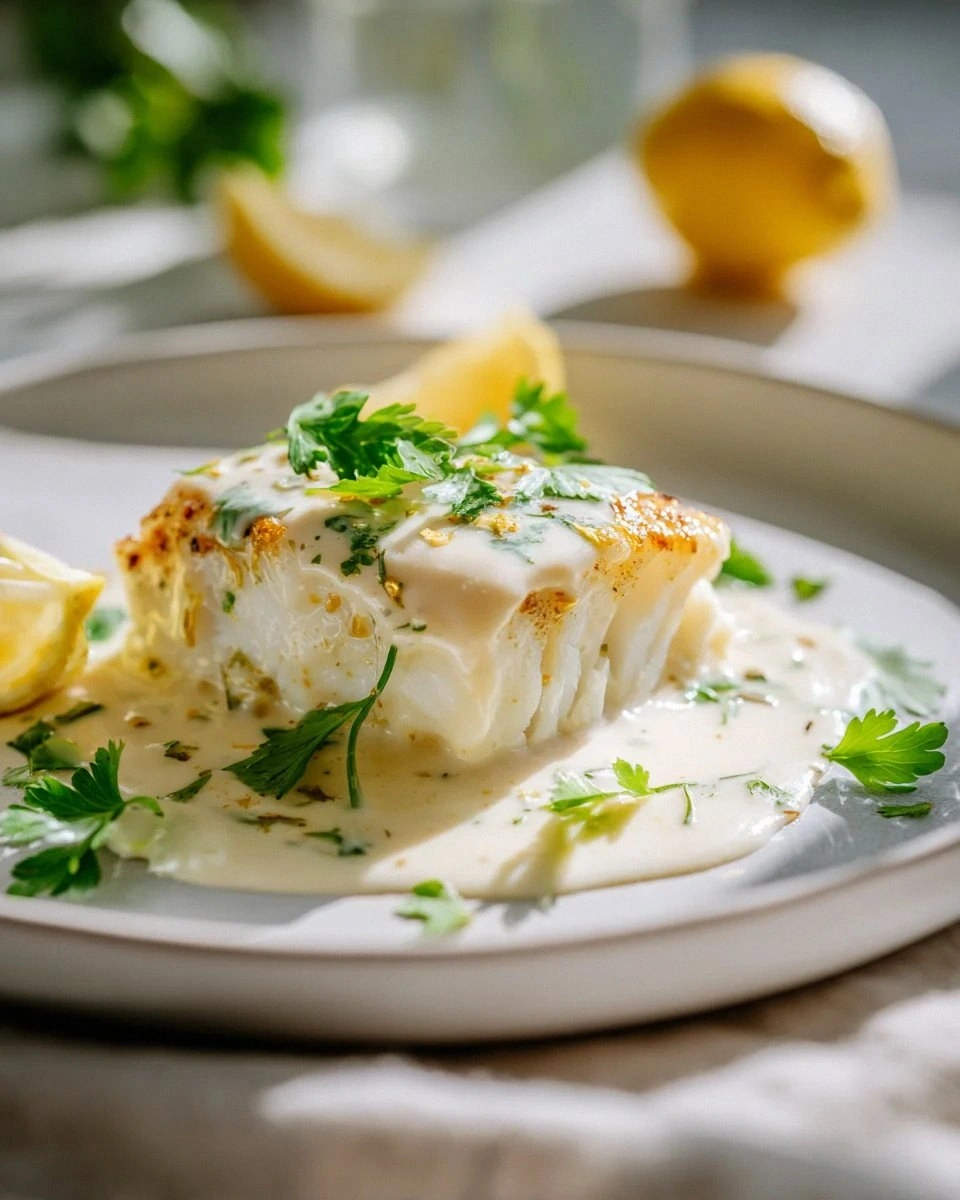
I still remember the day I nearly set my kitchen on fire trying to impress a date with a fancy fish recipe. The cod stuck to the pan like it had commitment issues, the sauce broke into an oily mess, and let's just say the fire alarm wasn't the only thing going off that night. Fast forward through three years of obsessive testing, and I've cracked the code to what might be the most foolproof, restaurant-worthy fish dish you'll ever make at home. This baked cod in coconut lemon cream sauce isn't just another fish recipe — it's the culinary equivalent of finding out your quiet neighbor is secretly a rock star.
The first time I nailed this recipe, I actually called my mom at midnight just to rave about it. The sauce coats each flake of cod like liquid velvet, with bright lemon cutting through rich coconut cream in a way that makes your taste buds do a happy dance. Picture this: tender, perfectly cooked fish that practically melts on your tongue, swimming in a sauce so luxurious you'll be tempted to drink it straight from the baking dish. The aroma alone — citrusy, tropical, with hints of garlic and herbs — transforms your kitchen into a beachside bistro.
What makes this version different from every other "creamy fish" recipe cluttering the internet? I ditched the flour-thickened sauces that turn gluey, skipped the heavy cream that weighs everything down, and discovered the magic that happens when coconut milk meets just enough lemon to balance its sweetness. The result is lighter than traditional cream sauces but somehow more satisfying, with a silkiness that clings to the fish without overwhelming its delicate flavor.
Here's the kicker — this dish looks and tastes like you spent hours slaving away, but the active cooking time is under twenty minutes. The oven does most of the work while you sip wine and pretend you're on a tropical vacation. Let me walk you through every single step — by the end, you'll wonder how you ever made it any other way.
What Makes This Version Stand Out
- Temperature Perfection: Unlike stovetop methods that leave you guessing, baking ensures your cod hits exactly 145°F every single time. No more rubbery fish or raw centers — just perfectly flaky perfection that separates into gorgeous white chunks at the touch of a fork.
- One-Pan Wonder: Everything bakes together in a single dish, which means the fish bastes in its own juices while the sauce thickens naturally. Less dishes, more flavor — that's what I call winning at adulting.
- Tropical Meets Tangy: The coconut-lemon combo creates this incredible balance that makes you feel like you're on vacation even when you're eating dinner on your couch in pajamas. It's transportive without being pretentious.
- Foolproof Technique: Even if you've never successfully cooked fish before, this method is basically culinary training wheels. The baking process is so forgiving that you can check Instagram halfway through and still nail it.
- Restaurant-Quality Results: The sauce develops this glossy sheen that looks like something from a Michelin-starred kitchen, but requires zero fancy techniques. Your dinner guests will think you secretly took cooking classes.
- Meal Prep Champion: This dish actually tastes better the next day as the flavors meld together. Make a double batch and you've got lunch that'll make your coworkers jealous all week.
- Budget-Friendly Luxury: Cod is reasonably priced, coconut milk is cheap, and lemon won't break the bank. Yet somehow this tastes like a hundred-dollar restaurant dish.
Inside the Ingredient List
The Flavor Foundation
Every great dish starts with a solid base, and this one's no exception. The cod itself is obviously the star, but choosing the right pieces makes or breaks your final result. Look for fillets that are about 6-8 ounces each — thick enough to stay juicy during baking but not so massive they take forever to cook. The flesh should look almost translucent with a slight sheen, never dull or yellowing. If it smells fishy, walk away immediately. Fresh cod has a clean, ocean-like scent that's more like a sea breeze than a fish market.
Coconut milk forms the backbone of our sauce, but not all cans are created equal. Full-fat coconut milk is non-negotiable here — the light stuff will give you watery disappointment instead of luxurious creaminess. Give the can a good shake before opening; you want it to slosh around, which means it's still emulsified. If it's separated into thick cream on top and watery liquid below, that's actually perfect for our purposes.
The Brightness Brigade
Lemon does double duty in this recipe, providing both acid and aromatics. I use both the zest and juice because they bring different things to the party. The zest packs concentrated lemon oils that perfume the entire dish, while the juice provides the bright acidity that cuts through the richness. Always zest your lemons before juicing — trying to zest a naked, squishy lemon is an exercise in frustration that nobody has time for.
Garlic plays a supporting role here, adding depth without overwhelming the delicate fish. Fresh garlic is worth the extra thirty seconds of mincing; the powdered stuff tastes like disappointment and makes your sauce gritty. Smash the cloves with the flat of your knife first — it releases the oils and makes peeling those papery skins a breeze.
The Texture Team
Shallots bring a subtle sweetness and silky texture that onions just can't match. They're milder than regular onions and melt into the sauce beautifully. If you can't find shallots, a sweet onion works, but chop it extra finely so it incorporates smoothly. The goal is background flavor, not chunky onion bits competing with your fish.
Fresh herbs elevate this from good to unforgettable. Parsley adds freshness and color, while thyme brings an earthy note that complements both the fish and coconut. Dried herbs work in a pinch, but use half the amount since they're more concentrated. Pro tip: add dried herbs earlier in cooking so they have time to rehydrate and release their flavors.
The Unexpected Stars
White wine might seem odd here, but trust me on this one. It adds acidity and complexity that makes the sauce taste like it simmered for hours instead of minutes. Use something you'd actually drink — cooking wine is basically vinegar with food coloring. If you avoid alcohol, chicken stock with a splash of white wine vinegar works too.
A touch of honey balances the lemon's tartness and helps the sauce develop that gorgeous glossy finish. You won't taste it as sweetness — it just rounds everything out. Maple syrup works too, but honey dissolves more easily into the sauce.
Quality Control
When selecting your ingredients, buy the best you can afford. This doesn't mean mortgaging your house for fish, but spring for wild-caught cod if possible — it has better texture and flavor than farmed. For coconut milk, I've found that Thai brands tend to be creamier and less watery than supermarket generic versions. The extra dollar is worth avoiding sauce that separates into an oily mess.
Everything's prepped? Good. Let's get into the real action...
The Method — Step by Step
- Start by preheating your oven to 425°F — this high temperature ensures the fish cooks quickly while developing those gorgeous golden edges. While it heats, grab a 9x13 baking dish and give it a light coating of oil. Don't use butter here; it burns at high heat and will make your sauce taste bitter. Position your oven rack in the middle so the fish cooks evenly without the top burning before the center is done.
- Pat your cod fillets dry with paper towels like your life depends on it. Seriously, press down firmly — moisture is the enemy of that beautiful sear we're after. Season both sides generously with salt and pepper, then let them rest while you prep the sauce. This brief rest allows the seasoning to penetrate the fish instead of just sitting on the surface. Arrange the fillets in your baking dish with space between each one; crowding makes them steam instead of roast.
- Heat a skillet over medium heat and add a splash of oil. When it shimmers, toss in your minced shallots and cook until they're translucent and starting to turn golden. This takes about 3-4 minutes — don't rush it. Those caramelized edges add incredible depth to your sauce. Add the garlic and cook for just 30 seconds more; garlic burns faster than your ex's new relationship.
- Okay, ready for the game-changer? Pour in the white wine and let it bubble away, scraping up all those delicious brown bits from the pan. That's pure flavor gold right there. Reduce it by half — you'll know it's ready when the harsh alcohol smell disappears and it starts to look syrupy. This concentrates the flavors and prevents your sauce from tasting like boozy soup.
- Now comes the magic moment — add your coconut milk, lemon juice, zest, honey, and herbs. Bring it to a gentle simmer, stirring constantly. Watch as it transforms from separate ingredients into a cohesive, silky sauce. The color should be a pale, creamy yellow that looks like sunshine in liquid form. Let it simmer for about 5 minutes to thicken slightly; it should coat the back of a spoon but still be pourable.
- Pour this liquid gold over and around your waiting cod fillets. The sauce should come about halfway up the sides of the fish — we want to baste, not drown. Spoon some over the tops so every bite gets saucy love. At this point, your kitchen should smell like a tropical vacation met a French bistro and had a beautiful baby.
- Slide the baking dish into your preheated oven and set a timer for 12 minutes. Resist the urge to check constantly — every time you open the door, heat escapes and extends cooking time. The fish is done when it flakes easily with a fork but still looks slightly translucent in the very center. It'll continue cooking from residual heat, so pull it out just before you think it's ready.
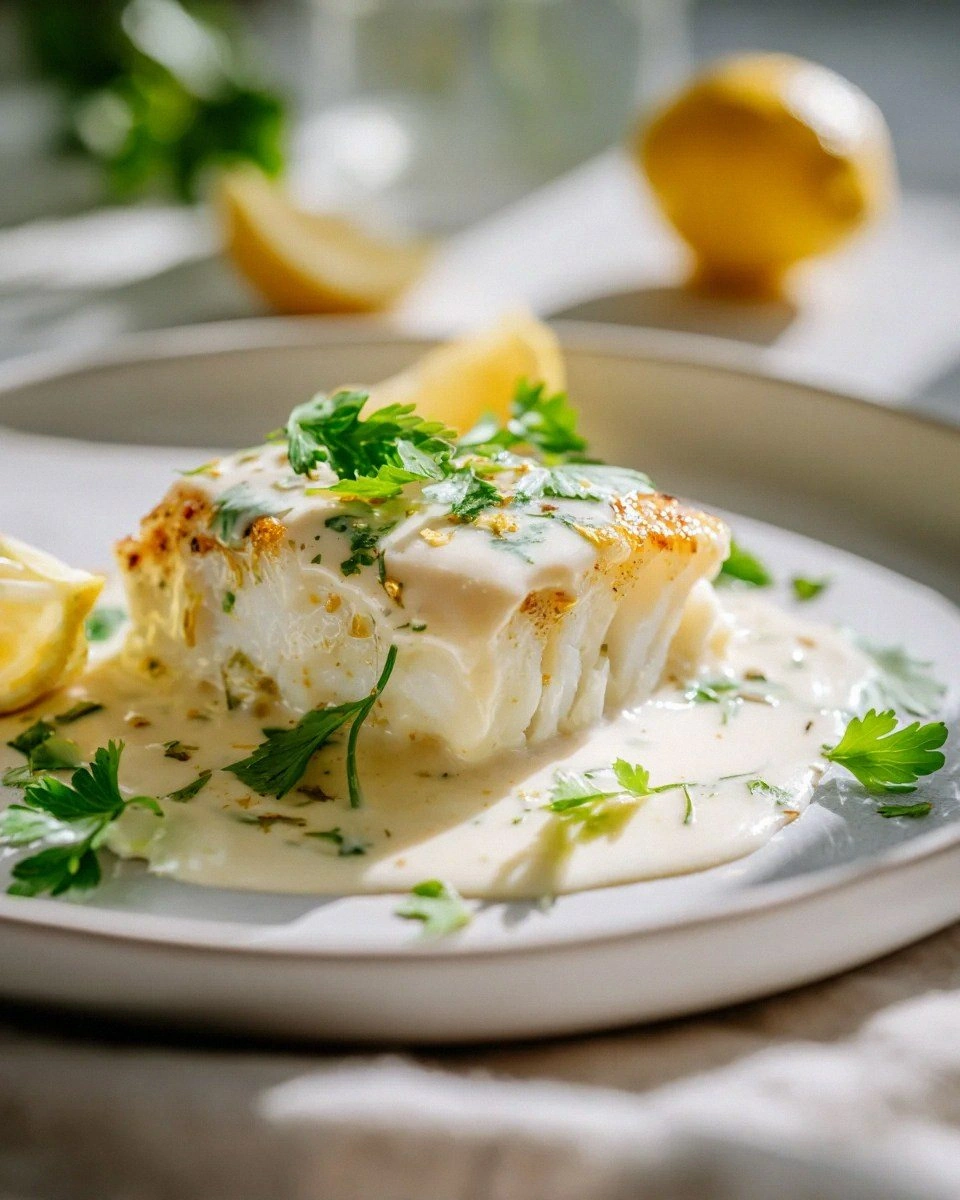
- Remove the dish from the oven and let it rest for 5 minutes. This isn't optional — the sauce thickens as it cools slightly, and the fish finishes cooking gently. Garnish with fresh parsley and maybe some lemon slices for that restaurant presentation. Serve it right from the baking dish for rustic charm, or plate it over rice to soak up every drop of that incredible sauce.
That's it — you did it. But hold on, I've got a few more tricks that'll take this to another level...
Insider Tricks for Flawless Results
The Temperature Rule Nobody Follows
Most home cooks treat fish like it's made of fragile crystal and either undercook it into sushi or cook it until it resembles shoe leather. Here's the real deal: cod is perfectly cooked at 145°F internal temperature, but you should pull it from the oven at 140°F. The residual heat, called carryover cooking, will bring it up to temperature while the fish rests. If you don't have a thermometer (though honestly, you should), look for flesh that flakes easily but still has a tiny bit of translucence in the center. It should separate into large, moist flakes rather than tiny dry ones.
Why Your Nose Knows Best
Trust your sense of smell — it's actually one of the most reliable ways to know when this dish is done. When the coconut lemon cream sauce is perfectly balanced, your kitchen will smell like a sophisticated tropical cocktail. If you catch a whiff of something fishy, the cod is overcooked. The sauce itself should smell fragrant and inviting, never sour or overly sweet. A friend tried to rush this once and pulled it out too early — the sauce tasted like sweet lemon water and the fish was rubbery. Don't be that person.
The 5-Minute Rest That Changes Everything
I know you're hungry and everything smells amazing, but those five minutes of resting time aren't just for show. During this time, the proteins in the fish relax, redistributing juices so every bite is moist. The sauce thickens slightly as it cools, transforming from watery to perfectly coating. Use this time to set the table, open wine, or just bask in the glory of your culinary success. I've timed it — you can Instagram your creation and still have time left over.
The Secret Ingredient You Already Have
Here's my confession: I once made this dish for a cooking competition and was out of fresh herbs. In desperation, I added a pinch of dried dill that had been hiding in my spice cabinet for who knows how long. Game changer. The dill added this subtle grassy note that made the whole dish taste fresher and more complex. Now I add a pinch to every batch. If you don't have dill, a tiny bit of tarragon works too — just use sparingly as both herbs can easily overpower.
Presentation That Makes People Gasp
We eat with our eyes first, and this dish is naturally gorgeous — white fish in creamy yellow sauce with flecks of green herbs. But here's how to make it Instagram-worthy: tilt your baking dish slightly and spoon sauce over just the front half of each fillet. This creates a high-gloss finish while leaving some fish visible for contrast. Add a final drizzle of good olive oil and watch it create those beautiful golden pools. I once had dinner guests who photographed this for ten minutes before eating.
Creative Twists and Variations
This recipe is a playground. Here are some of my favorite ways to switch things up:
Thai-Inspired Heat
Add a minced Thai chili and a teaspoon of red curry paste to the sauce for a version that brings gentle heat and incredible depth. The coconut milk already gives us Thai vibes, so this feels like a natural evolution. Top with fresh cilantro and serve over jasmine rice. It's like takeout but way better and cheaper.
Mediterranean Sunshine
Swap the thyme for oregano, add some halved cherry tomatoes and kalamata olives to the baking dish. The tomatoes burst and create little pockets of sweet acidity that complement the creamy sauce. Finish with crumbled feta and you've got a dish that tastes like summer vacation on the Greek islands.
Smoky Spanish Style
Add a teaspoon of smoked paprika and some sliced Spanish chorizo to the pan when you're cooking the shallots. The paprika turns the sauce a gorgeous sunset color and adds a smoky depth that's completely addictive. This version pairs beautifully with crusty bread for sopping up every last drop.
Green Goddess Version
Blend a handful of fresh basil, parsley, and chives into your coconut milk before adding it to the pan. The herbs tint the sauce a beautiful pale green and add incredible freshness. This variation tastes like springtime and makes an elegant presentation for dinner parties.
Luxury Upgrade
Add a splash of heavy cream to the coconut milk for extra richness, then top each fillet with a pat of herb butter before baking. Finish with a sprinkle of lemon zest and some microgreens. This is the version I make when I want to feel fancy without actually trying that hard.
One-Pan Vegetable Bonanza
Throw in some asparagus spears, thinly sliced fennel, or zucchini rounds around the fish before baking. They roast in the sauce and absorb all those incredible flavors. Dinner and sides in one dish — minimal cleanup, maximum satisfaction.
Storing and Bringing It Back to Life
Fridge Storage
Let the fish cool completely before storing — hot fish in cold containers creates condensation that makes everything soggy. Store the cod and sauce together in an airtight container; they'll keep for up to 3 days in the refrigerator. The sauce actually thickens and intensifies as it sits, making leftovers even more flavorful. Separate the fish into individual portions for easier reheating.
Freezer Friendly
While I don't love freezing cooked fish (texture suffers), this dish actually freezes better than most. Freeze individual portions in freezer bags with as much air removed as possible. It'll keep for up to 2 months. Thaw overnight in the refrigerator, not on the counter — slow thawing prevents the sauce from breaking. Give it a good stir when reheating as coconut milk can separate when frozen.
Best Reheating Method
Skip the microwave unless you enjoy rubbery fish. Instead, place the fish and sauce in a covered baking dish with a splash of coconut milk or water. Heat at 275°F for about 15 minutes until just warmed through. The gentle heat prevents overcooking and keeps the sauce silky. If you're in a hurry, a covered skillet over low heat works too — just add liquid and don't overdo it.