Introduction
I still remember the night I tried to impress my in-laws with a holiday centerpiece that would have made even the most seasoned chefs swoon. The oven was on, the ham was in the bag, and I was ready to roll. But as the timer ticked, the aroma that wafted from the kitchen turned into a frantic rush of panic—my ham had begun to dry out faster than the gossip at a family reunion. That disaster was the spark that lit a fire in my culinary curiosity and birthed the ultimate baked ham with maple Dijon glaze.
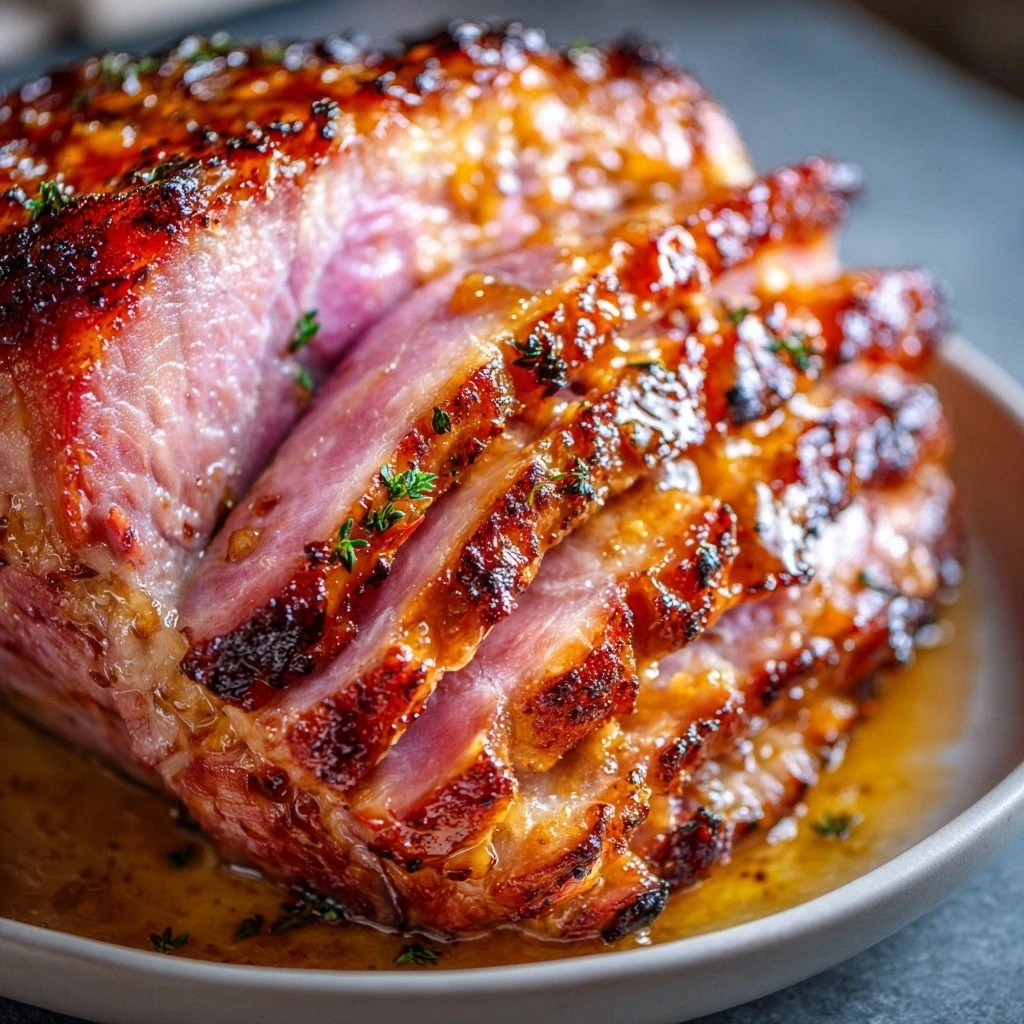
Picture this: the ham is nestled in a roasting pan, its skin turning a glossy, caramelized amber that catches the light like a freshly polished trophy. The air is thick with the scent of maple syrup mingling with a subtle tang of Dijon mustard, while the faint crackle of brown sugar caramelizing fills the kitchen with a sweet, buttery promise. As I lift the lid, the steam curls around me, and the world outside feels distant. The first bite is a symphony of sweet, salty, and umami notes that dance on the tongue, leaving you craving the next, and the next.
What makes this version stand out from every other recipe you’ll find online is that it balances flavor, texture, and timing like a seasoned jazz soloist. The glaze isn’t just a coat; it’s a flavor engine that locks in moisture, gives the crust a crisp, caramelized edge that shatters like thin ice, and leaves a lingering sweet aftertaste that keeps you coming back for seconds. I dare you to taste this and not go back for seconds—trust me, you’ll be craving the next bite even before the first one finishes.
And there’s a twist you won’t expect: a whisper of ground cloves that adds depth and a subtle holiday warmth, turning this ham into a centerpiece that feels both festive and intimate. Picture yourself pulling this out of the oven, the whole kitchen smelling incredible, and your guests gasping in delight. Okay, ready for the game‑changer? Let me walk you through every single step—by the end, you’ll wonder how you ever made it any other way.
What Makes This Version Stand Out
- Flavor: The maple-Dijon glaze creates a complex flavor profile that balances sweet, tangy, and savory notes, turning an ordinary ham into a showstopper.
- Texture: The glaze caramelizes into a crisp, caramelized crust that crackles with every bite, while the meat remains moist and tender.
- Simplicity: Only seven ingredients, all pantry staples, make this recipe a breeze for even the most time‑constrained cooks.
- Uniqueness: The subtle hint of ground cloves adds a holiday warmth that most ham recipes overlook.
- Crowd Reaction: Guests will rave about the glaze’s glossy finish and the way the flavors meld, making you the host everyone wants to be.
- Ingredient Quality: Using a fully cooked bone‑in ham ensures maximum moisture and flavor, while pure maple syrup guarantees a deep, caramelized sweetness.
- Cooking Method: Baking at a moderate temperature with a glaze application technique that guarantees even caramelization.
- Make‑Ahead Potential: The glaze can be prepared a day ahead and refrigerated, making last‑minute dinner prep a walk in the park.
Alright, let’s break down exactly what goes into this masterpiece…
Inside the Ingredient List
The Flavor Base
The star of the show is a fully cooked bone‑in ham that’s about 8‑10 pounds. The bone adds a subtle savory depth that infuses the meat as it bakes, creating a melt‑in‑your‑mouth experience that’s hard to beat. If you skip the bone, you’ll lose that comforting, rustic flavor that makes the ham feel like it’s been in the family for generations.
The Sweet & Tangy Glaze
Maple syrup is the sweet nectar that brings a rich, caramelized flavor to the glaze. Opt for pure maple syrup for the best taste; a light‑colored syrup will give you a cleaner, brighter sweetness that doesn’t overpower the mustard. Dijon mustard adds a tangy kick that balances the sweetness of the maple syrup, creating a signature flavor that’s both bold and refined.
The Caramelizing Sweetener
Brown sugar enhances the sweetness and helps create a beautiful caramelized crust. The molasses content in brown sugar adds a subtle depth of flavor that complements the maple’s sweetness. If you prefer a lighter glaze, you can substitute half the brown sugar with white sugar, but the caramelization won’t be as pronounced.
The Aromatic Touches
Ground cloves, black pepper, and garlic powder bring warmth, depth, and a savory note that rounds out the flavors beautifully. A pinch of cloves adds holiday warmth; black pepper provides a mild heat that balances the sweetness; and garlic powder adds a savory layer that ties everything together. Skipping any of these spices will result in a glaze that feels flat and incomplete.
Everything’s prepped? Good. Let’s get into the real action…
The Method — Step by Step
- Preheat your oven to 325°F (163°C). Place the ham on a rack in a shallow roasting pan to allow air circulation around the meat. This step ensures even cooking and helps the glaze set properly. The oven should feel warm, but not hot enough to burn the glaze early.
- While the oven heats, whisk together maple syrup, Dijon mustard, brown sugar, ground cloves, black pepper, and garlic powder in a small saucepan over medium heat. Stir constantly until the sugar dissolves and the mixture thickens slightly, forming a glossy glaze. The glaze should bubble gently, not boil.
- Score the surface of the ham in a diamond pattern using a sharp knife. This scoring allows the glaze to seep into the meat, creating a more intense flavor profile. It also helps the glaze caramelize evenly across the surface.
- Place the ham in the preheated oven and bake for 15 minutes per pound, or until the internal temperature reaches 140°F (60°C). Check the temperature with an instant-read thermometer inserted into the thickest part of the ham. The ham should feel firm yet yielding.
- Baste the ham with the glaze every 20 minutes during the first half of baking. This technique locks in moisture and builds a caramelized crust. Make sure the glaze doesn’t drip onto the heating element to avoid smoke.
- Halfway through the baking time, reduce the oven temperature to 275°F (135°C). Lowering the heat prevents the glaze from burning while allowing the ham to finish cooking gently. The lower temperature also helps the glaze set into a glossy, caramelized finish.
- During the last 15 minutes of baking, increase the oven temperature back to 325°F (163°C) to crisp the glaze. Watch closely; the glaze should develop a deep amber color and a slightly caramelized crust. This is the moment of truth—if you miss it, the glaze will be too soft.
- Remove the ham from the oven and let it rest for 10 minutes before carving. Resting allows the juices to redistribute, ensuring every slice is moist and flavorful. The aroma will intensify during this rest period.
That’s it—you did it. But hold on, I’ve got a few more tricks that’ll take this to another level…
Insider Tricks for Flawless Results
The Temperature Rule Nobody Follows
Most recipes get this completely wrong by baking the ham at a single temperature. The trick is to start at a lower temperature to gently cook the meat, then finish at a higher temperature to crisp the glaze. This two‑phase approach keeps the interior juicy while giving the exterior a perfect caramelized finish. If you skip this step, the glaze will either burn or remain too soft.
Why Your Nose Knows Best
During baking, the aroma of maple syrup and Dijon mustard will intensify and give you a sense of how caramelized the glaze is. Trust your nose—when the smell becomes sweet and slightly smoky, you’re close to perfection. A friend once tried to eyeball it and ended up with a burnt glaze that tasted like char.
The 5‑Minute Rest That Changes Everything
Letting the ham rest for exactly 10 minutes after removing it from the oven is crucial. This resting period allows the juices to redistribute, preventing a dry bite. Skipping the rest step might make the ham feel dry and the glaze cling to the meat rather than coating it evenly.
Use a Basting Brush with a Long Handle
A long‑handle basting brush keeps your hand away from the hot glaze, reducing the risk of burns. It also allows you to coat the ham evenly without getting too close to the pan. If you don’t have a long brush, a disposable paper towel can work as a makeshift tool.
Keep the Pan Clean
Any leftover glaze on the pan can burn and produce a bitter taste. Clean the pan after each use or, better yet, line it with parchment paper to catch drips. This simple step keeps your kitchen smelling fresh and the flavor pure.
Creative Twists and Variations
This recipe is a playground. Here are some of my favorite ways to switch things up:
Spicy Cajun Kick
Add a tablespoon of Cajun seasoning to the glaze for a smoky heat that pairs wonderfully with the maple sweetness. The result is a bold flavor profile that’s perfect for a summer cookout. Guests who love a little spice will love this variation.
Herb‑Infused Delight
Stir in a teaspoon of dried rosemary and a pinch of thyme into the glaze. The herbal notes add a fragrant depth that makes the ham feel like a rustic, farm‑to‑table dish. This is ideal for a brunch gathering or a casual family dinner.
Asian Fusion
Replace the Dijon mustard with a tablespoon of hoisin sauce and add a splash of soy sauce to the glaze. The sweet, savory, and umami flavors create an Asian‑inspired twist that will wow your guests. Pair it with steamed rice for a complete meal.
Smoky Chipotle Glaze
Melt a tablespoon of butter into the glaze and stir in a teaspoon of chipotle powder for a smoky, slightly spicy finish. The butter adds richness while the chipotle brings depth and a subtle heat. This variation works great for a cozy fall dinner.
Fruit‑Forward Twist
Add a splash of orange juice and a teaspoon of orange zest to the glaze for a bright, citrusy lift. The citrus complements the maple and mustard, creating a harmonious balance of sweet and tart. This version is perfect for a spring or summer celebration.
Storing and Bringing It Back to Life
Fridge Storage
Cool the ham completely, then wrap it tightly in aluminum foil or plastic wrap. Store in the refrigerator for up to 4 days. The foil helps retain moisture, preventing the ham from drying out.
Freezer Friendly
For longer storage, slice the ham and place the slices in a freezer‑safe bag. Freeze for up to 3 months. When ready to use, thaw overnight in the fridge or use the defrost setting on your microwave.
Best Reheating Method
Reheat the ham in a preheated oven at 300°F (149°C) for 10–15 minutes, or until warmed through. Add a splash of water or broth to the pan before covering with foil; this steams the ham back to perfection, keeping it moist and flavorful.