I’ll be honest — I ate half the batch before anyone else got a chance to try it, and that’s because this casserole is hands down the best version you’ll ever make at home. It started as a midnight rescue mission when my roommate begged for something comforting, and my pantry only had a sad bag of frozen broccoli and a few lonely potatoes. I tossed everything together, set it in the oven, and the result was a golden‑crusted masterpiece that made the whole apartment smell like a cozy cabin on a snow‑capped mountain. That first bite? It was like a hug from your favorite sweater, warm, buttery, and impossibly satisfying.
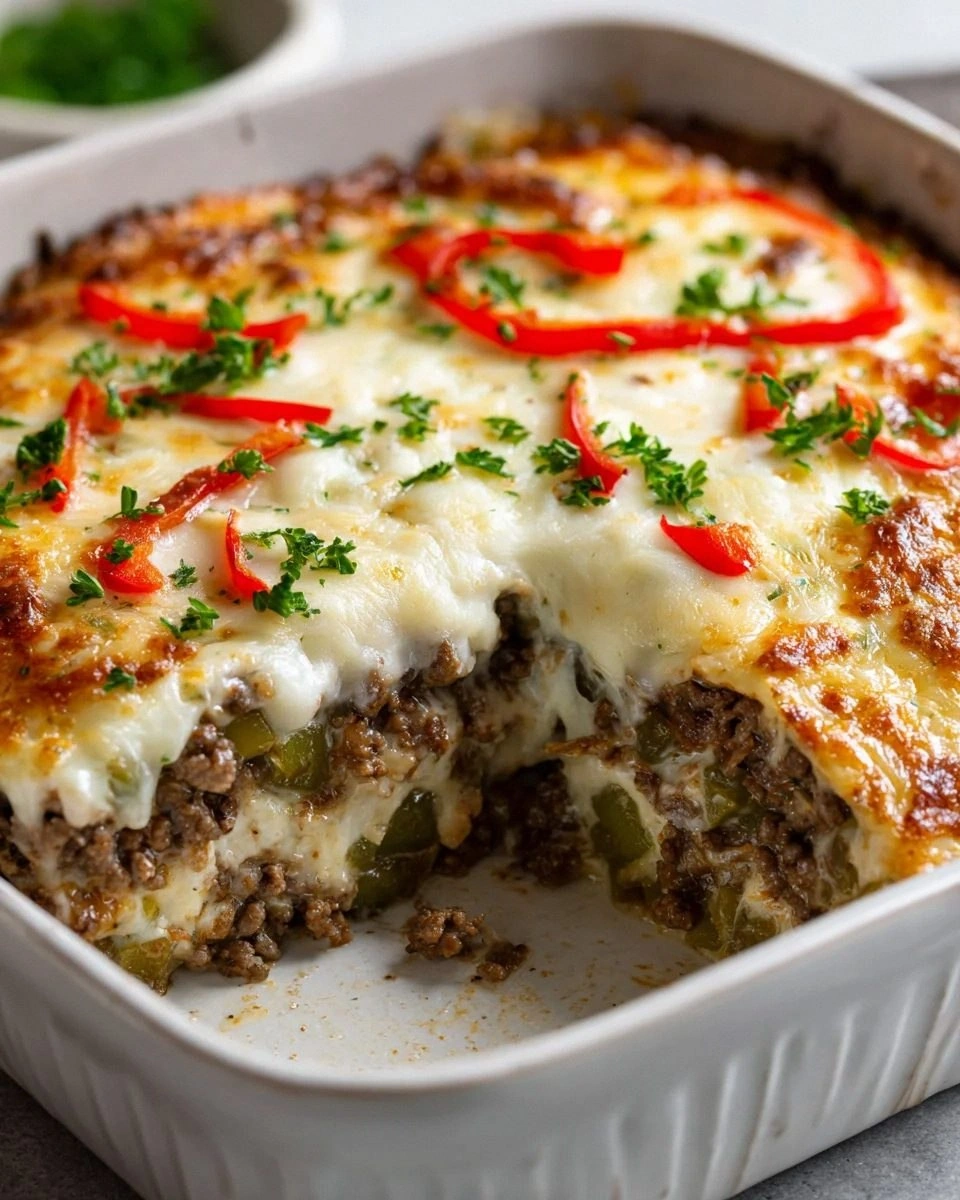
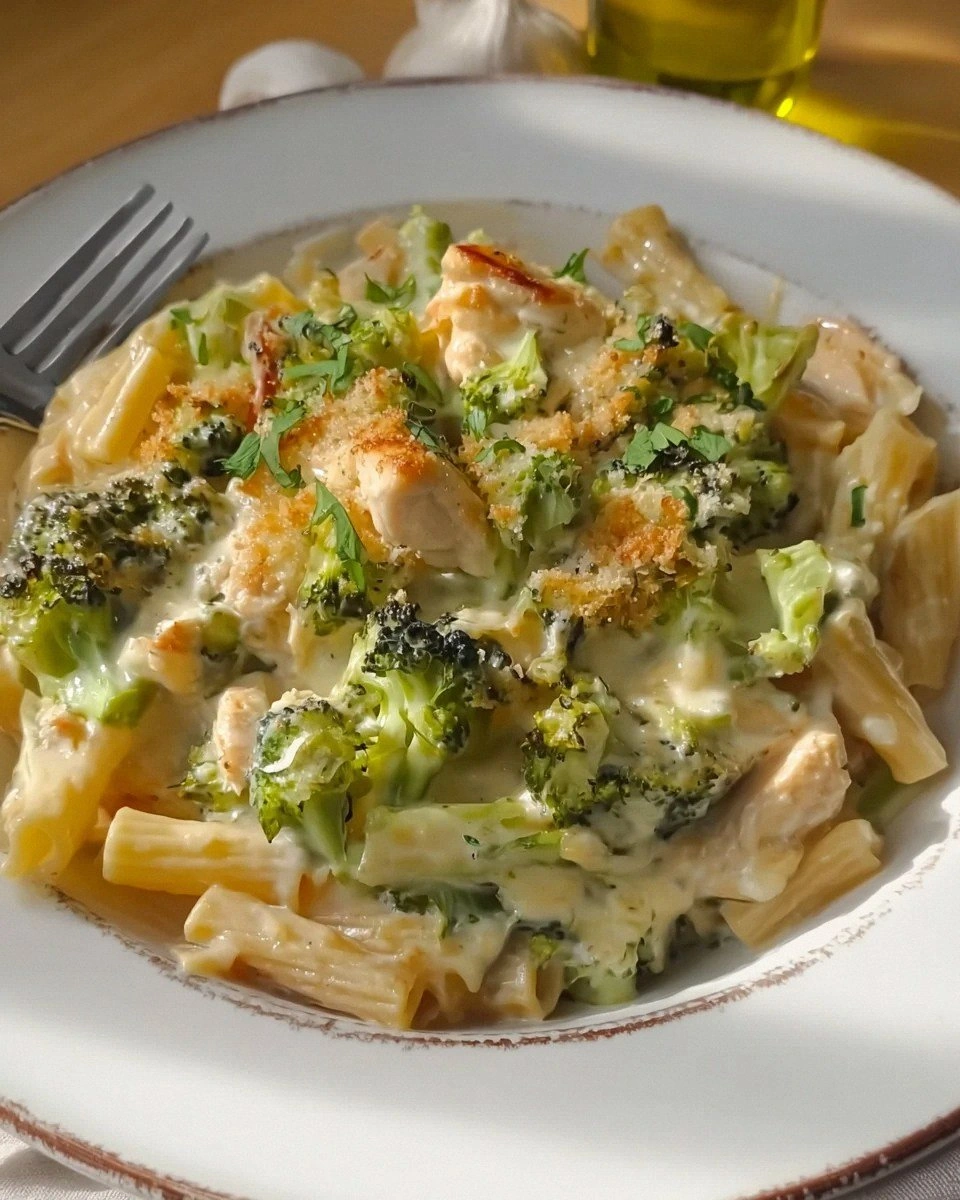
Picture yourself pulling this out of the oven, the whole kitchen smelling incredible, steam curling up like ribbons of anticipation. The top is a crisp, caramelized cheese crust that shatters like thin ice when you dig in, while the interior stays creamy, peppery, and studded with tender chicken chunks that practically melt in your mouth. You’ll hear the gentle sigh of the casserole settling as it rests, and you’ll feel the buttery richness coating every forkful, a texture contrast that makes you dare to taste it and not go back for seconds. I dare you to taste this and not go back for seconds—trust me, you’ll be begging for the secret technique that makes it so unforgettable.
Most recipes get this completely wrong. They either drown the dish in a soupy sauce that never sets, or they bake it until the vegetables turn to mush. Here’s what actually works: a light roux that binds the cream and milk into a velvety sauce, a quick‑sear on the chicken to lock in juices, and a pre‑roasted potato layer that adds a subtle crunch without turning soggy. The secret ingredient? A splash of heavy cream that turns the sauce from runny to luxurious, and a dash of smoked paprika that adds a whisper of smoky depth you never saw coming.
Okay, ready for the game‑changer? I’m about to walk you through every single step — by the end, you’ll wonder how you ever made this dish any other way. The technique that makes the potatoes stay fluffy yet firm, the timing that ensures the cheese crust is perfectly browned, and the little hacks that keep you from a kitchen disaster are all coming up. Stay with me here — this is worth it.
What Makes This Version Stand Out
- Flavor Explosion: The combination of creamy cheddar, a hint of smoked paprika, and a splash of heavy cream creates a sauce that coats every bite like velvet, making each forkful a flavor fireworks display.
- Texture Harmony: Crispy cheese crust, tender chicken, and perfectly al‑dente broccoli create a mouthfeel that’s as satisfying as biting into a perfectly toasted marshmallow.
- Simplicity Meets Sophistication: Only ten core ingredients, yet the dish feels restaurant‑grade because of the smart layering technique.
- Unique Ingredient Twist: A modest amount of heavy cream turns a regular casserole into a silky, indulgent masterpiece without making it greasy.
- Crowd‑Pleaser Factor: Even picky eaters can’t resist the cheesy crust and the comforting aroma that fills the house the moment it hits the oven.
- Ingredient Quality Matters: Using fresh broccoli florets and high‑quality chicken breast elevates the dish from “just okay” to “wow, I could eat this every night.”
- Cooking Method Mastery: The two‑stage cooking (sauté then bake) locks in moisture and prevents the dreaded soggy bottom.
- Make‑Ahead Potential: Assemble the night before, refrigerate, and pop it in the oven the next day for a no‑stress dinner.
Inside the Ingredient List
The Flavor Base
The sauce is built on a classic roux: butter and flour cooked just long enough to lose the raw flour taste, then whisked with heavy cream, milk, and a splash of sour cream. The butter provides richness, while the flour acts as a thickening agent that gives the casserole its luscious body. If you skip the roux, you’ll end up with a watery mess that never sets, and the cheese won’t cling the way it should. Swap tip: You can replace heavy cream with half‑and‑half for a lighter version, but expect a slightly thinner sauce.
The Texture Crew
Cubed chicken breast, diced potatoes, and broccoli florets are the three pillars of texture. The chicken is seared quickly to develop a golden crust that locks in juices; the potatoes are par‑boiled so they stay fluffy inside while gaining a slight bite on the outside; the broccoli is blanched just enough to retain its bright green color and a pleasant snap. If you over‑cook the broccoli, it will turn mushy and lose that satisfying crunch.
The Unexpected Star
Smoked paprika is the secret weapon that adds a subtle depth you’d expect from a slow‑cooked stew, yet it doesn’t overwhelm the other flavors. A pinch of this spice brings a smoky whisper that pairs beautifully with the creamy cheese. If you’re not a fan of smoke, try a dash of cumin for an earthy twist, but remember you’ll lose that signature aroma that makes this casserole unforgettable.
The Final Flourish
Shredded cheddar cheese crowns the casserole, creating that golden, bubbly crust that everyone loves. The cheese not only adds flavor but also forms a protective barrier that keeps the interior moist. For a more complex flavor profile, blend half cheddar with half Gruyère or add a sprinkle of Parmesan for an extra nutty bite. If you’re dairy‑free, a blend of nutritional yeast and vegan cheese works, but the crust won’t be as crisp.
Everything's prepped? Good. Let's get into the real action...

The Method — Step by Step
Preheat your oven to 375°F (190°C) while you gather everything. I always set a timer for 5 minutes; that way I’m not tempted to stare at the oven and lose track of time. Toss the diced potatoes into a pot of salted water, bring to a boil, and let them simmer for exactly 5 minutes—no more, no less. Tip: The potatoes should be just tender enough to pierce with a fork but still hold their shape. This short boil creates a fluffy interior that will turn into a slightly crispy edge once baked.
While the potatoes are cooking, cut the chicken into bite‑size cubes and season with a pinch of salt, pepper, and half the garlic powder. Heat a large skillet over medium‑high heat, add a splash of olive oil, and sear the chicken for 3‑4 minutes until it’s golden brown on all sides. That sizzle when it hits the pan? Absolute perfection. Remove the chicken and set aside; you’ll hear a faint pop when you add the butter later, a good sign that the pan is hot enough.
Now for the broccoli: bring a separate pot of water to a boil, drop in the florets, and blanch for just 2 minutes. They should stay bright green and still have a crunch. Immediately plunge them into an ice bath to halt the cooking process; this preserves color and texture. Watch Out: If you leave the broccoli in the hot water too long, it will turn a dull olive and become soggy, ruining the final texture.
Time to build the roux. In the same skillet you used for the chicken, melt 2 tablespoons of butter over medium heat. Sprinkle in 2 tablespoons of all‑purpose flour and whisk continuously for about 1 minute until the mixture turns a light golden hue and smells nutty. This is the foundation of your sauce; if you skip this step, the dairy will separate and you’ll end up with a curdled mess.
Slowly pour in 1 cup of heavy cream followed by ½ cup of milk, whisking constantly to avoid lumps. The mixture should thicken within 2‑3 minutes, coating the back of a spoon. Stir in ½ cup of sour cream, 1 tsp garlic powder, 1 tsp onion powder, and ½ tsp smoked paprika. Season with salt and pepper to taste. Watch Out: If the heat is too high, the sauce can scorch on the bottom, leaving a bitter taste. Keep the temperature moderate and stir constantly.
Combine the par‑boiled potatoes, seared chicken, and blanched broccoli in a large mixing bowl. Pour the velvety sauce over the mixture and gently toss until everything is evenly coated. The sauce should cling to each piece like a silky veil, not pool at the bottom. Transfer the whole ensemble into a greased 9‑by‑13‑inch baking dish, spreading it out into an even layer.
Sprinkle 1 cup of shredded cheddar cheese over the top, making sure to cover the entire surface. For extra crunch, add a thin layer of grated Parmesan or a drizzle of extra shredded cheddar. Slide the dish into the preheated oven and bake for 25‑30 minutes, or until the cheese is bubbling and the edges have turned a deep, caramelized gold. The aroma at this point should be intoxicating—think roasted garlic, buttery cream, and a hint of smoky paprika.
Remove the casserole from the oven and let it rest for 8‑10 minutes. This resting period allows the sauce to set, making it easier to cut clean slices that hold their shape. While you wait, the kitchen will fill with a warm, comforting scent that practically invites you to dive right in. Serve hot, and watch as the cheese crust shatters with a satisfying crunch under your fork.
That's it — you did it. But hold on, I've got a few more tricks that'll take this to another level...
Insider Tricks for Flawless Results
The Temperature Rule Nobody Follows
Most home cooks blast their casseroles at 425°F, assuming higher heat equals a quicker crust. In reality, 375°F gives the cheese enough time to melt, bubble, and brown without scorching the sauce underneath. I once tried the 425°F route and ended up with a burnt top and a soupy middle—total disaster. Keep the oven at 375°F and trust the slow, steady bake for a perfectly balanced result.
Why Your Nose Knows Best
When the cheese starts to turn a deep amber and you smell that nutty, toasted scent, the casserole is practically done. Trust your nose more than the timer; ovens vary, and the visual cue of a golden crust is the most reliable indicator. If the aroma hits you before the timer, pull it out a minute early—over‑baking can make the cheese brittle.
The 5‑Minute Rest That Changes Everything
Letting the casserole sit after baking allows the sauce to thicken and the flavors to meld. Cutting it immediately results in a runny slice that slides off the plate. The rest period also gives the cheese a chance to firm up, so each bite has that perfect bite‑through crunch. Think of it as a cool‑down stretch after a sprint; it makes the whole experience more enjoyable.
Seasoning Layers, Not Just One
Season each component—potatoes, chicken, and sauce—individually. This builds depth that a single sprinkle of salt at the end can’t achieve. I once tried to season only the sauce and ended up with bland potatoes. By salting the water for the potatoes, seasoning the chicken before searing, and adjusting the sauce at the end, every bite is uniformly flavorful.
The Secret of the Cheese Blend
Using a blend of sharp cheddar and a milder cheese like Monterey Jack creates a flavor balance: the sharp cheddar gives bite, while the Monterey Jack melts into a silky layer that prevents the crust from becoming too tough. If you love a smoky note, add a dash of smoked Gouda. My friend tried skipping the blend and used only cheddar; the result was a crust that cracked like old pottery.
Creative Twists and Variations
This recipe is a playground. Here are some of my favorite ways to switch things up:
Tex‑Mex Fiesta
Swap the smoked paprika for a tablespoon of taco seasoning, add a cup of black beans, and replace cheddar with a blend of pepper jack and mozzarella. Top with sliced jalapeños and a drizzle of salsa after baking. Perfect for those who love a little heat and a fiesta on their plate.
Italian Comfort
Replace the chicken with Italian‑seasoned sausage, add sun‑dried tomatoes, and use mozzarella and Parmesan for the cheese layer. A splash of white wine in the sauce adds an elegant depth. This version pairs beautifully with a side of garlic bread.
Veggie‑Only Delight
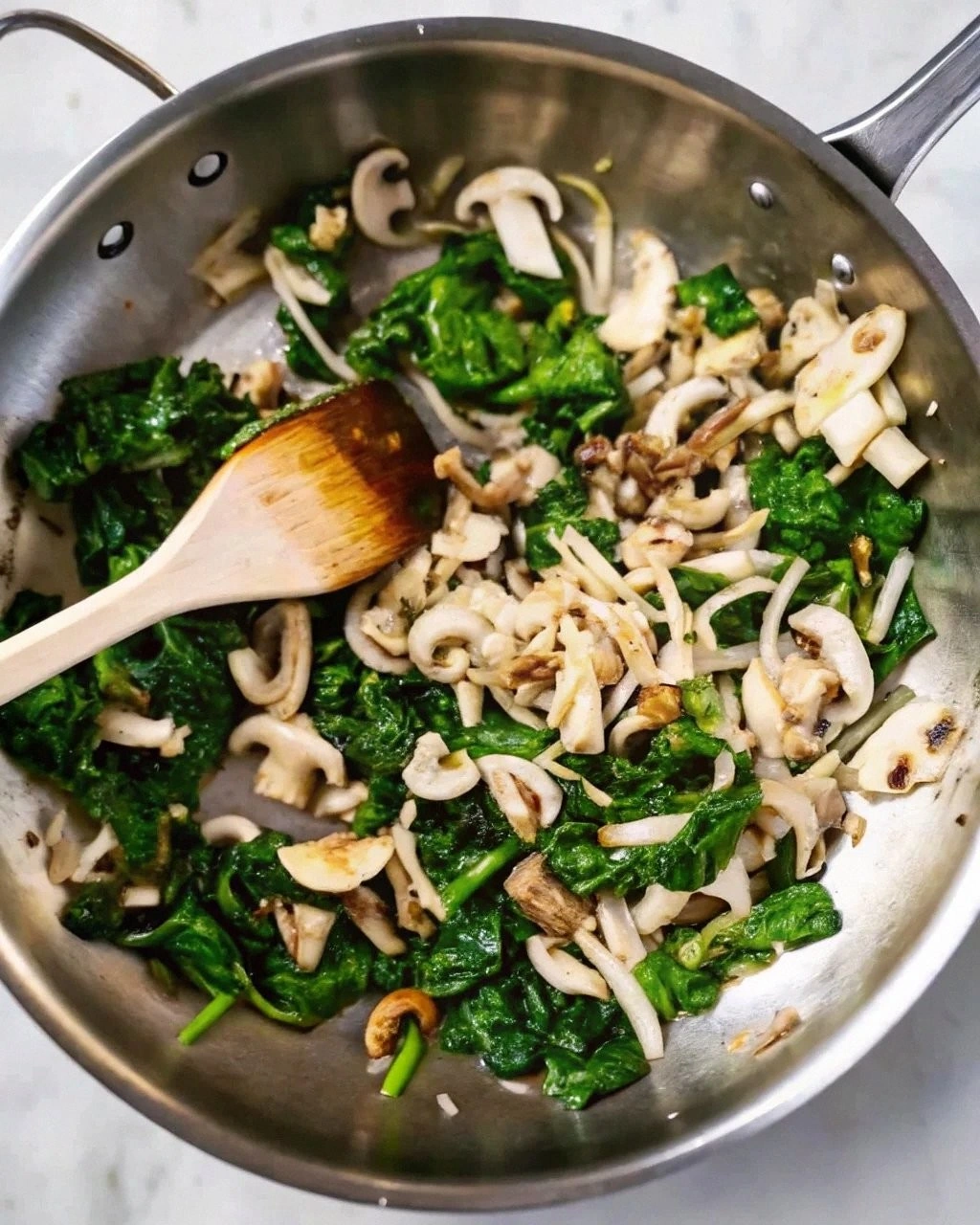
Omit the chicken and double the broccoli, add sliced mushrooms and cauliflower florets. Use a plant‑based cream and vegan cheese for a dairy‑free version. The result is a hearty, comforting casserole that even meat‑eaters will love.
Spicy Curry Fusion
Introduce 1 tsp of curry powder into the sauce, add a cup of frozen peas, and sprinkle a handful of toasted cashews on top before baking. The curry adds warmth and complexity, while the cashews provide a satisfying crunch.
Breakfast Casserole Remix
Swap the chicken for diced ham, add a handful of shredded hash browns, and stir in 4 beaten eggs into the sauce before baking. Top with cheddar and bake until the center is set. This makes a perfect brunch centerpiece that feels like a savory pancake.
Storing and Bringing It Back to Life
Fridge Storage
Allow the casserole to cool to room temperature, then cover tightly with foil or a reusable silicone lid. Store in the refrigerator for up to 4 days. When reheating, sprinkle a little extra cheese on top to revive that golden crust.
Freezer Friendly
Portion the casserole into individual freezer‑safe containers, leaving a ½‑inch headspace for expansion. Freeze for up to 3 months. To reheat, thaw overnight in the fridge, then bake at 350°F for 20‑25 minutes, covered with foil for the first half to prevent drying.
Best Reheating Method
When reheating a leftover slice, place it on a microwave‑safe plate, add a teaspoon of water around the edges, and cover with a damp paper towel. Microwave on high for 1‑2 minutes, then finish under a broiler for 2 minutes to recrisp the cheese. The splash of water creates steam that revives the sauce, while the broiler restores that coveted crunch.