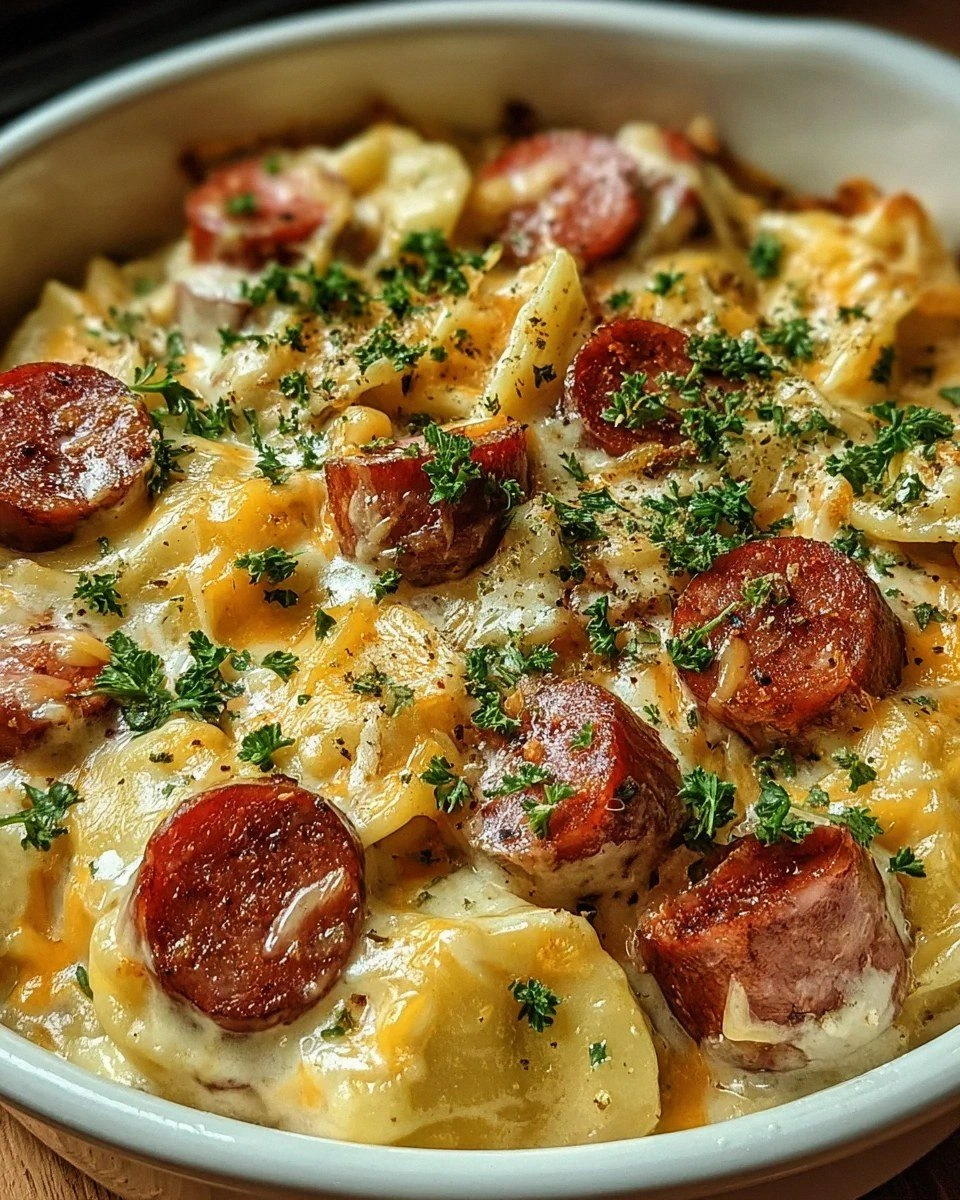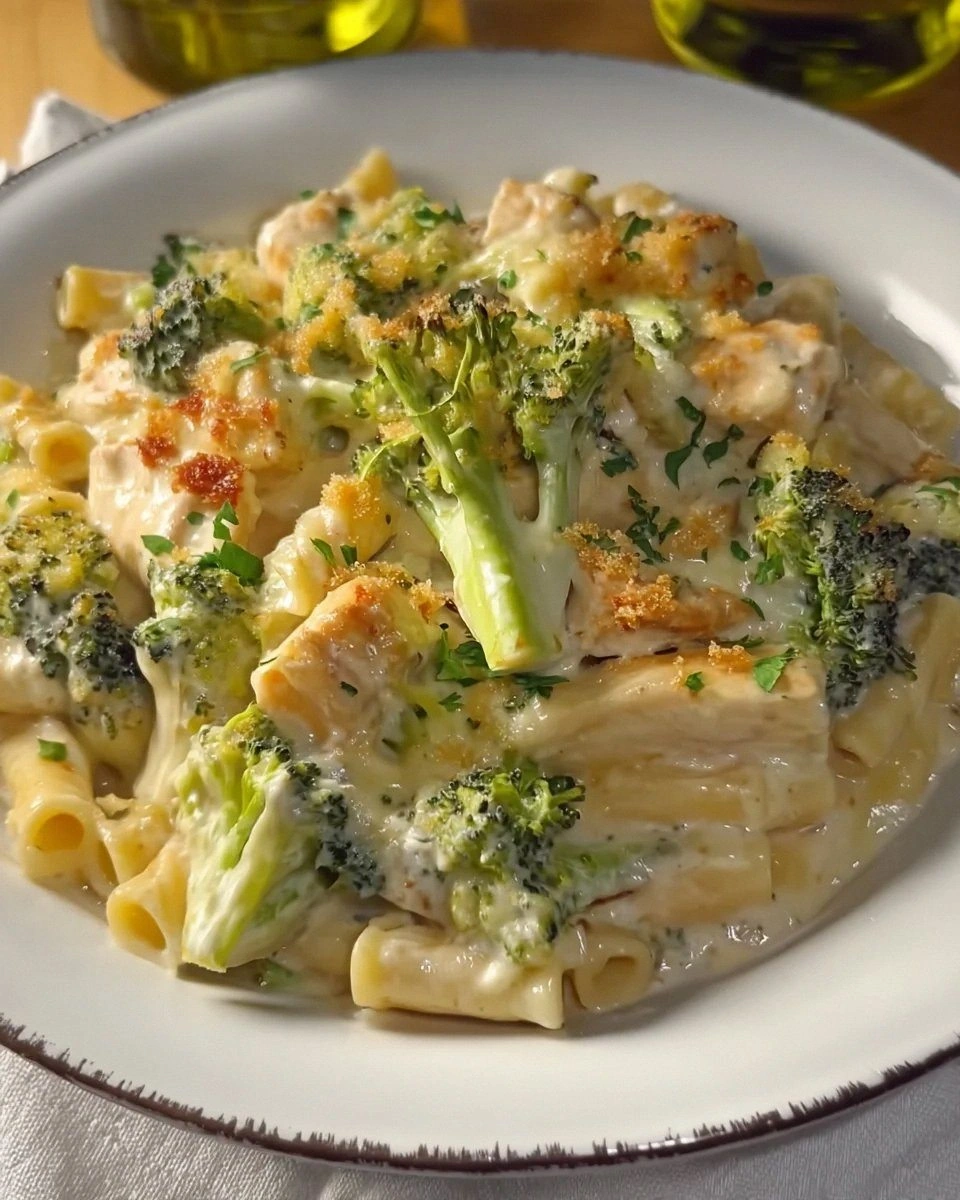
I still remember the night I ruined dinner so spectacularly that the smoke alarm became my unofficial sous chef. I was attempting one of those "easy weeknight" chicken casseroles that tasted like cardboard had a baby with wet newspaper. My roommate took one bite, looked me dead in the eye, and said, "I dare you to make something that doesn't make me sad." Challenge accepted. What happened next was a glorious, bubbling rebellion against every bland casserole I'd ever met. I cranked up the heat, tripled the cheese, and let the sauce reduce until it coated the pasta like liquid velvet. The smell alone had my neighbor knocking to ask if I was running an underground bistro. That first forkful? Pure, unapologetic comfort — crispy edges that shatter like thin ice, chicken so tender it practically sighs, and broccoli that actually tastes like broccoli instead of a sad afterthought.
Picture yourself pulling this out of the oven, the whole kitchen smelling like you've been adopted by an Italian nonna who loves you very much. The top is freckled with golden blisters, the sauce is bubbling up like a hot spring, and the aroma is so intoxicating that your family materializes like you've rung some invisible dinner bell. I have watched grown adults fight over the corner piece with the crispy cheese crown. I've seen teenagers — teenagers! — request seconds of broccoli. If you've ever struggled with dry chicken or grainy Alfredo, you're not alone — and I've got the fix that'll make you feel like a culinary wizard.
Most recipes get this completely wrong. They treat the sauce like an afterthought, dump in pre-shredded cheese that behaves like plastic, and bake everything until it has the texture of cafeteria mystery meat. Here's what actually works: we build flavor in layers, treat the broccoli like the star it is, and use a temperature trick that keeps the chicken juicier than a gossip podcast. The secret weapon? A quick stovetop sear that locks in juices, plus a two-cheese blend that melts into pure silk. Stay with me here — this is worth it.
Let me walk you through every single step — by the end, you'll wonder how you ever made it any other way. We're talking weeknight doable, weekend impressive, and leftover legendary. Okay, ready for the game-changer?
What Makes This Version Stand Out
Velvet Revolution: The sauce isn't just heavy cream and hope. We reduce it with garlic, white wine, and a whisper of nutmeg until it clings to pasta like it was custom-tailored. The result? A texture so smooth it should come with a content warning.
Broccoli That Behaves: Instead of sad, mushy florets, we roast them separately until the edges caramelize into tiny vegetable candies. They keep their bite and develop a nutty sweetness that plays beautifully with all that richness.
Two-Temperature Chicken: We start the chicken in a screaming hot pan for a golden crust, then finish it gently in the sauce. This dual approach keeps every cube juicy — no more stringy poultry sadness.
Cheese Strategy: Freshly grated Parmigiano-Reggiano for depth, plus a touch of young fontina for stretch. Pre-shredded cheese is banned from this kitchen — it contains cellulose that turns your sauce gritty. Buy the block and grate it yourself; your taste buds will send thank-you notes.
Make-Ahead Magic: Assemble it the night before, keep it chilled, then bake when you're ready. The flavors actually improve as they mingle in the fridge. Future you is already doing a victory dance.
Crowd Reaction: I brought this to a potluck and three people asked for the recipe before dessert. One guy cornered me by the guacamole and made me write it on a napkin. This bake has fans, not just eaters.
One-Pan Wonder: Everything happens in a single oven-safe skillet or baking dish. Fewer dishes mean more time for important things, like eating seconds while standing at the counter.
Alright, let's break down exactly what goes into this masterpiece...
Inside the Ingredient List
The Flavor Base
Butter is where we start, and please — use the good stuff. European-style butter with higher fat content gives the sauce a silkier mouthfeel and carries flavors like a first-class airline seat. Cheap butter has more water, which can break your emulsion and leave you with an oily puddle. If you only have regular butter, reduce the heat slightly and whisk like you're trying to win a gold medal. The difference between okay and unforgettable often lives in these tiny details.
Garlic gets minced so fine it practically dissolves, releasing alliums that perfume the kitchen like you've hired a professional aromatherapist. I use six cloves because I live dangerously and vampires are a real concern in my neighborhood. Fresh garlic beats the jarred stuff the same way live music beats elevator tunes — there's just no comparison. Let it sizzle until it smells sweet, not sharp; burnt garlic turns bitter faster than a breakup text.
The Texture Crew
Heavy cream forms the backbone, but we don't just dump it in and pray. We reduce it by one-third first, concentrating flavors and creating a sauce thick enough to coat a spoon without flour or cornstarch. This is the difference between restaurant lush and cafeteria soupy. Use cream with at least 36% fat; anything lighter can curdle when it meets acidic ingredients or high heat. If you're feeling fancy, a splash of good white wine adds acidity that makes the cheese taste cheesier — it's like turning up the contrast on your taste buds.
Pasta choice matters more than most people think. I use rigatoni because those little tubes catch pockets of sauce like edible treasure chests. Penne works in a pinch, but avoid long noodles here — they tangle into a bird's nest that's impossible to serve gracefully. Cook it two minutes shy of al dente since it'll finish in the oven. The pasta should still have a firm core; it'll absorb sauce as it bakes and emerge perfectly tender, not mushy.
The Unexpected Star
Broccoli gets a bad rap from decades of being boiled into submission. We treat it like royalty instead. Cut into bite-sized florets, tossed with olive oil, salt, and a whisper of chili flakes, then roasted at high heat until the edges char into tiny green fireworks. This caramelization develops natural sugars that make broccoli taste almost like candy. Even self-proclaimed broccoli haters have been caught sneaking pieces off the pan. The key is spacing — crowding leads to steaming, and steaming leads to the sad green mush of our childhood nightmares.
Chicken thighs are my ride-or-die here. Breasts dry out faster than gossip in a small town, but thighs stay juicy even if you accidentally overcook them by a minute or two. Cut them into generous chunks — they'll shrink slightly and you want meaty bites, not chicken confetti. A quick marinade in olive oil, garlic, and Italian herbs while you prep everything else makes a noticeable difference. Pat them very dry before searing; moisture is the enemy of a good crust.
The Final Flourish
Parmigiano-Reggiano is non-negotiable. The real stuff aged 24 months brings umami bombs that pre-grated parmesan can't touch. It melts into the sauce like it was born to be there, adding nutty, salty complexity that makes people close their eyes involuntarily when they taste it. Save the rind in your freezer — toss it into soups or sauces for free flavor boosts. When you grate it fresh, you release oils that dissipate quickly, which is why pre-grated cheese tastes like sawdust in comparison.
Fontina might seem random, but it's the stretchy cheese that gives you those Instagram-worthy cheese pulls. Young fontina melts like a dream without separating, creating that luxurious texture that makes people hum while they eat. If you can't find fontina, young gouda or even mozzarella work, but fontina adds a gentle earthiness that plays beautifully with the broccoli. Buy it in a block and cube it small so it melts evenly and quickly.
Everything's prepped? Good. Let's get into the real action...
The Method — Step by Step
- Preheat your oven to 425°F (220°C) and position a rack in the upper third. This higher position ensures the top gets those gorgeous golden spots while the inside stays creamy. While it's heating, bring a large pot of well-salted water to boil for the pasta. The water should taste like the ocean — this is your only chance to season the pasta itself. Don't be shy; under-seasoned pasta is the sneaky culprit behind bland baked dishes.
- Start the broccoli first because it needs time to work its magic. Toss the florets with 2 tablespoons olive oil, 1 teaspoon salt, 1/2 teaspoon black pepper, and a pinch of red pepper flakes on a sheet pan. Spread them out like they're social distancing — any touching and they'll steam instead of roast. Slide them into that hot oven for 15-18 minutes, until the edges are charred and tiny crispy leaves have formed. That sizzle when it hits the pan? Absolute perfection.
- While broccoli roasts, season the chicken generously with salt, pepper, and Italian herbs. Heat a large oven-safe skillet over medium-high heat until a drop of water dances across the surface. Add 1 tablespoon olive oil and swirl to coat. Lay the chicken pieces in a single layer and — this is crucial — don't move them for 3 full minutes. Let them develop that golden crust that locks in juices. Flip and cook another 2 minutes, then transfer to a plate. They'll finish cooking later, so don't worry if centers are still slightly pink.
- Drop the pasta into the boiling water and set a timer for 2 minutes less than package directions for al dente. Meanwhile, reduce the heat to medium and add 3 tablespoons butter to the same skillet. Scrape up those gorgeous brown bits — they're flavor gold. When the butter foams, add the minced garlic and sauté for 30 seconds until fragrant but not browned. Your kitchen should smell like you've hired a professional Italian chef.
- Pour in 1 cup white wine and let it bubble away, reducing by half. This concentrates flavors and burns off harsh alcohol notes. Add the heavy cream and bring to a gentle simmer. Now here's the game-changer: let it reduce for 5-7 minutes, stirring occasionally, until it coats the back of a spoon. You'll see it transform from thin liquid to luscious silk. Resist the urge to rush this — patience now means perfect sauce later.
- Reduce heat to low and whisk in the cheeses a handful at a time. Wait for each addition to melt before adding more — this prevents clumping and creates that smooth, glossy finish. Add the nutmeg and taste for seasoning. The sauce should make you want to grab bread and start dipping like it's fondue night in the Alps. If it tastes flat, add a pinch more salt. Cheese loves salt like teenagers love their phones.
- Drain the pasta (save 1/2 cup pasta water) and add it directly to the sauce along with the roasted broccoli and seared chicken. Gently fold everything together, adding pasta water a splash at a time if it seems thick. It should look luxuriously creamy — the pasta will absorb more liquid as it bakes. Sprinkle the top with extra fontina and Parmigiano for that Instagram-worthy cheese blanket.
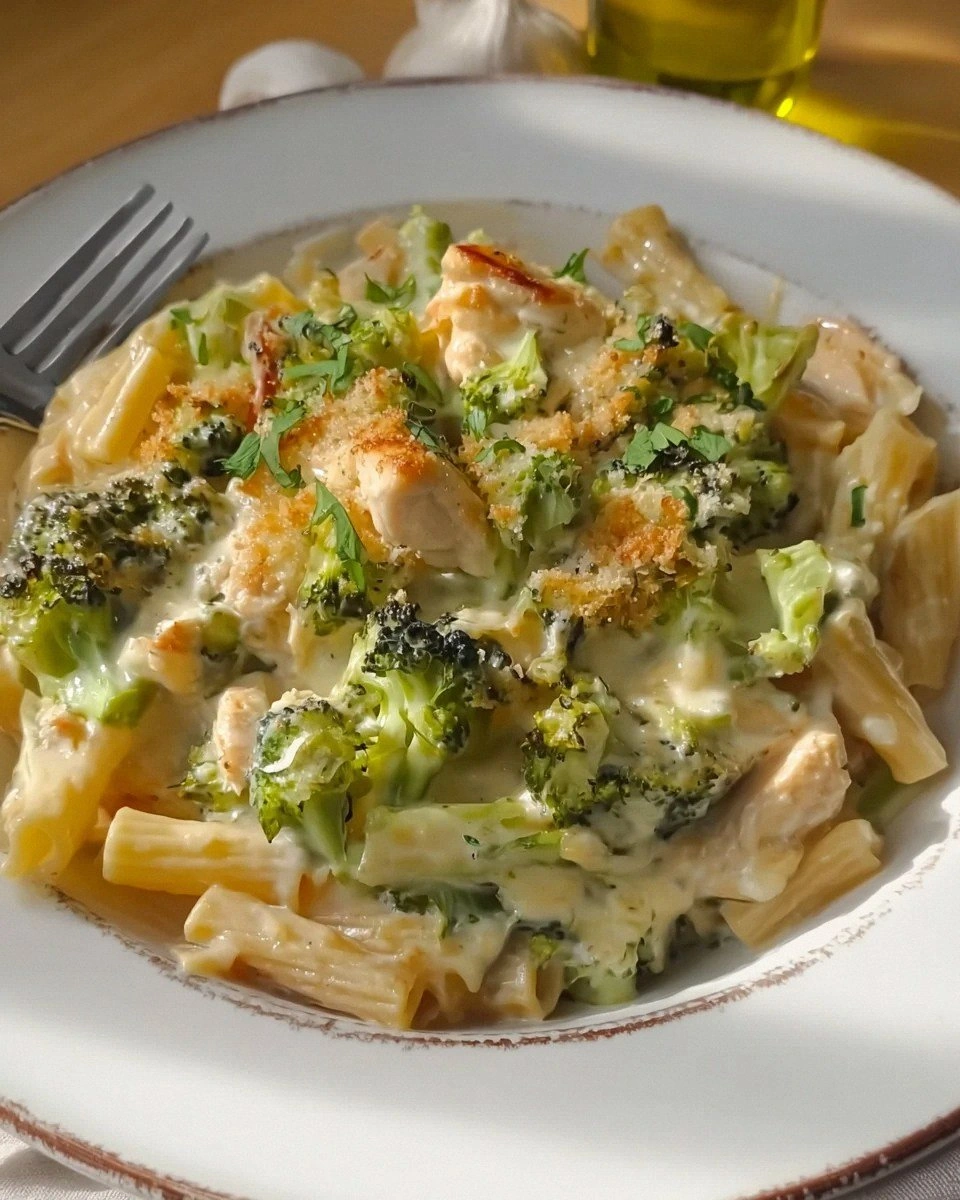
- Slide the skillet into the oven and bake for 15-18 minutes until the top is golden and the sauce is bubbling up around the edges like a delicious volcano. Let it rest for 5 minutes — this allows the sauce to set slightly and prevents molten cheese lava burns. Garnish with fresh parsley and watch as people descend upon it like they've been stranded on a desert island. I dare you to taste this and not go back for seconds.
That's it — you did it. But hold on, I've got a few more tricks that'll take this to another level...
Insider Tricks for Flawless Results
The Temperature Rule Nobody Follows
Here's the thing that separates restaurant-quality from home-cooking: temperature control. When you add cold cheese to hot sauce, it seizes up faster than a scared turtle. Let your cheese come to room temperature for 20 minutes before grating — it melts into the sauce like it was born there. Same goes for cream; cold cream can curdle when it hits a hot pan. Pull it from the fridge when you start prep. Your sauce will reward you with silkiness that makes people close their eyes involuntarily when they taste it.
Why Your Nose Knows Best
Your nose is the most underrated kitchen tool you own. When the garlic is ready, it'll smell sweet and mellow, not sharp. When the cream has reduced enough, it'll smell slightly nutty and rich. When the broccoli is perfectly roasted, it'll smell like popcorn had a baby with fresh-cut grass. Trust those aromas — they're your built-in thermometer and timer. A friend tried skipping this step once; let's just say it didn't end well and her cat wouldn't even taste the results.
The 5-Minute Rest That Changes Everything
I know you're hungry. I know it smells incredible. But those 5 minutes of resting time are where magic happens. The sauce thickens slightly, the cheese sets just enough to stay creamy instead of running all over the plate, and the flavors redistribute so every bite is perfectly balanced. Cover it loosely with foil while it rests — this keeps it warm but lets steam escape so the top stays crispy. Use this time to set the table, pour wine, or just bask in the glory of what you've created.
Cheese Grater Secrets
Microplane or box grater? For hard cheeses like Parmigiano, a microplane creates fluffy snow that melts instantly. For softer cheeses like fontina, the large holes on a box grater give you shreds that melt into perfect pools. Mix both textures for the ultimate cheese experience — fluffy parmesan for flavor integration, shredded fontina for those Instagram-worthy pulls. And here's the kicker: grate onto parchment paper, then pop it in the freezer for 5 minutes. Cold cheese shreds don't stick together, making them easier to sprinkle evenly.
The Broccoli Stem Bonus
Don't you dare throw away those broccoli stems. Peel away the tough outer layer with a vegetable peeler, then dice the tender inner core. Toss these pieces with the florets — they roast into sweet, tender nuggets that add textural variety. It's like getting bonus vegetables for free, and they caramelize even better than the florets. Plus, you'll feel like a sustainability hero while you're at it.
Creative Twists and Variations
This recipe is a playground. Here are some of my favorite ways to switch things up:
The Spicy Southwest Edition
Swap the Italian herbs for cumin, chili powder, and smoked paprika. Use pepper jack instead of fontina, and add a can of diced green chiles to the sauce. Top with crushed tortilla chips for crunch. It's like your favorite Mexican restaurant and Italian nonna had a delicious baby. Serve with lime wedges for brightness that cuts through all that richness.
The Mediterranean Dream
Replace the broccoli with roasted zucchini and cherry tomatoes. Use Greek cheese blend — feta for tang, kasseri for melt, plus a touch of manchego for depth. Add olives and fresh oregano. The result tastes like a Santorini sunset in casserole form. Sun-dried tomatoes in oil add intense umami punches that make every bite interesting.
The Bacon Makes Everything Better
Render 6 slices of bacon until crispy, then use the bacon fat instead of butter for the roux. Crumble the bacon over the top before baking. The smoky, salty bacon plays beautifully with the creamy sauce, creating that perfect sweet-savory-smoky trifecta. Use applewood smoked bacon for extra complexity.
The Seafood Spin
Replace chicken with shrimp and scallops. Sear them quickly — 1 minute per side for shrimp, 90 seconds per side for scallops — then set aside. Fold them in at the very end to prevent overcooking. Add a splash of dry sherry to the sauce for that luxurious seafood restaurant vibe. It's date-night impressive without the date-night price tag.
The Veggie Overload
Skip the chicken entirely and load up on vegetables. Roasted cauliflower, sautéed mushrooms, and wilted spinach create a vegetarian version that's actually more interesting than the original. Use vegetable stock instead of wine for the sauce. Smoked gouda adds meaty depth without any meat. Even carnivores won't miss the chicken.
The Low-Carb Comfort
Replace pasta with cauliflower florets roasted until just tender. Use half-and-half instead of heavy cream, and go lighter on the cheese. It's comfort food that won't put you in a food coma. The trick is roasting the cauliflower until it gets those golden edges — it adds nuttiness that mimics the pasta's role.
Storing and Bringing It Back to Life
Fridge Storage
Let the bake cool completely — I'm talking no warmth when you touch the bottom of the pan. Transfer to an airtight container or cover the skillet tightly with foil. It'll keep for up to 4 days, though honestly, it rarely lasts that long in my house. Store portions individually for grab-and-go lunches that make coworkers jealous. The sauce will thicken considerably when cold; that's normal and reversible.
Freezer Friendly
This freezes beautifully for up to 3 months. Assemble everything but don't bake — wrap the dish tightly in plastic wrap, then foil. Freeze flat so it doesn't take up your entire freezer. Thaw overnight in the fridge, then bake as directed, adding 10-15 extra minutes since it'll be cold. If freezing individual portions, use freezer bags and squeeze out all the air. They reheat like a dream in the microwave with a splash of cream.
Best Reheating Method
Oven is king for reheating — 350°F (175°C) covered with foil for 15-20 minutes until heated through. Add a splash of cream or milk before reheating to bring back the saucy glory. For single portions, microwave at 70% power for 2-3 minutes, stirring halfway through. The key is adding that tiny splash of liquid and not overheating, which can break the sauce. Add a fresh sprinkle of cheese on top before reheating for that just-baked experience.