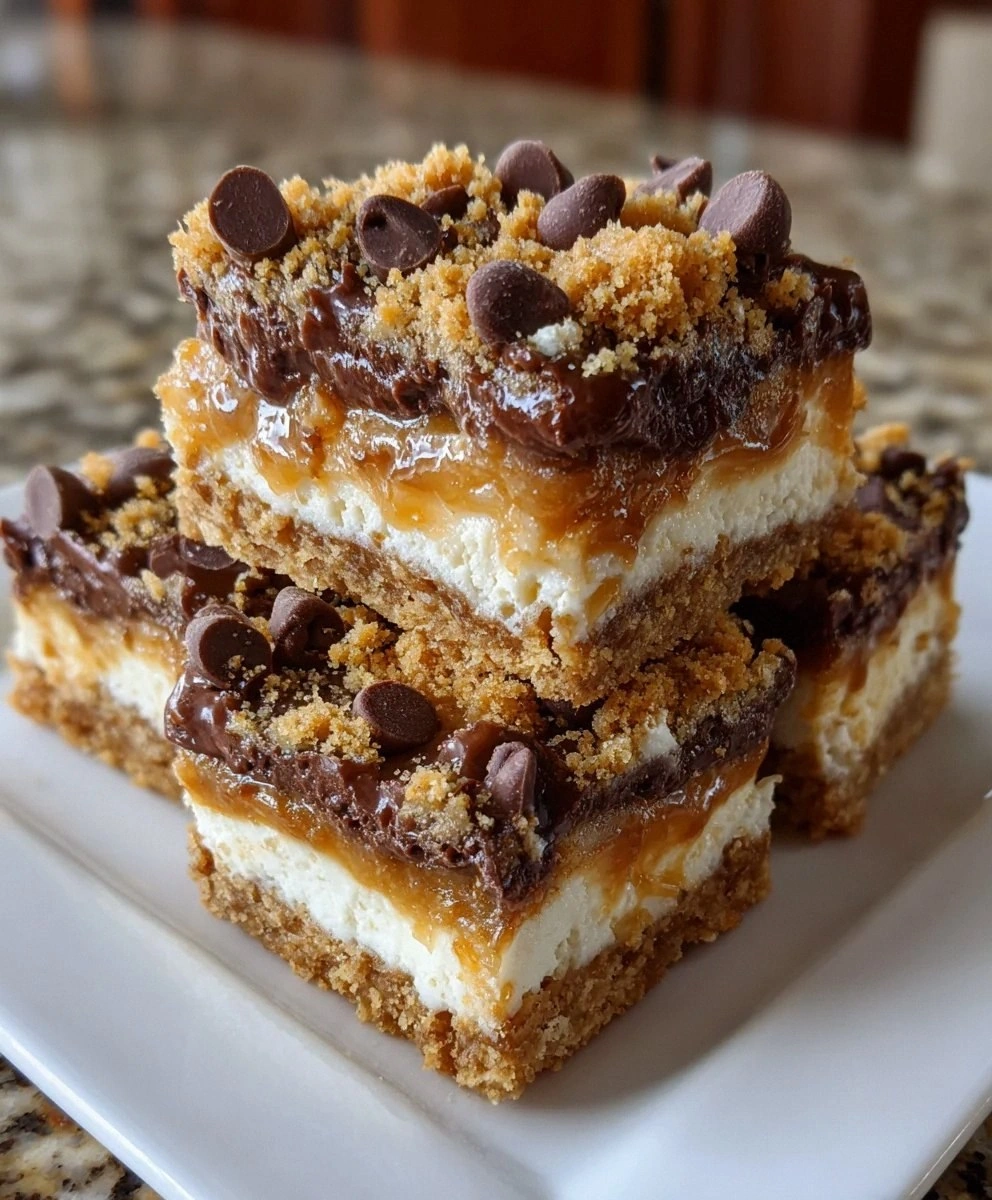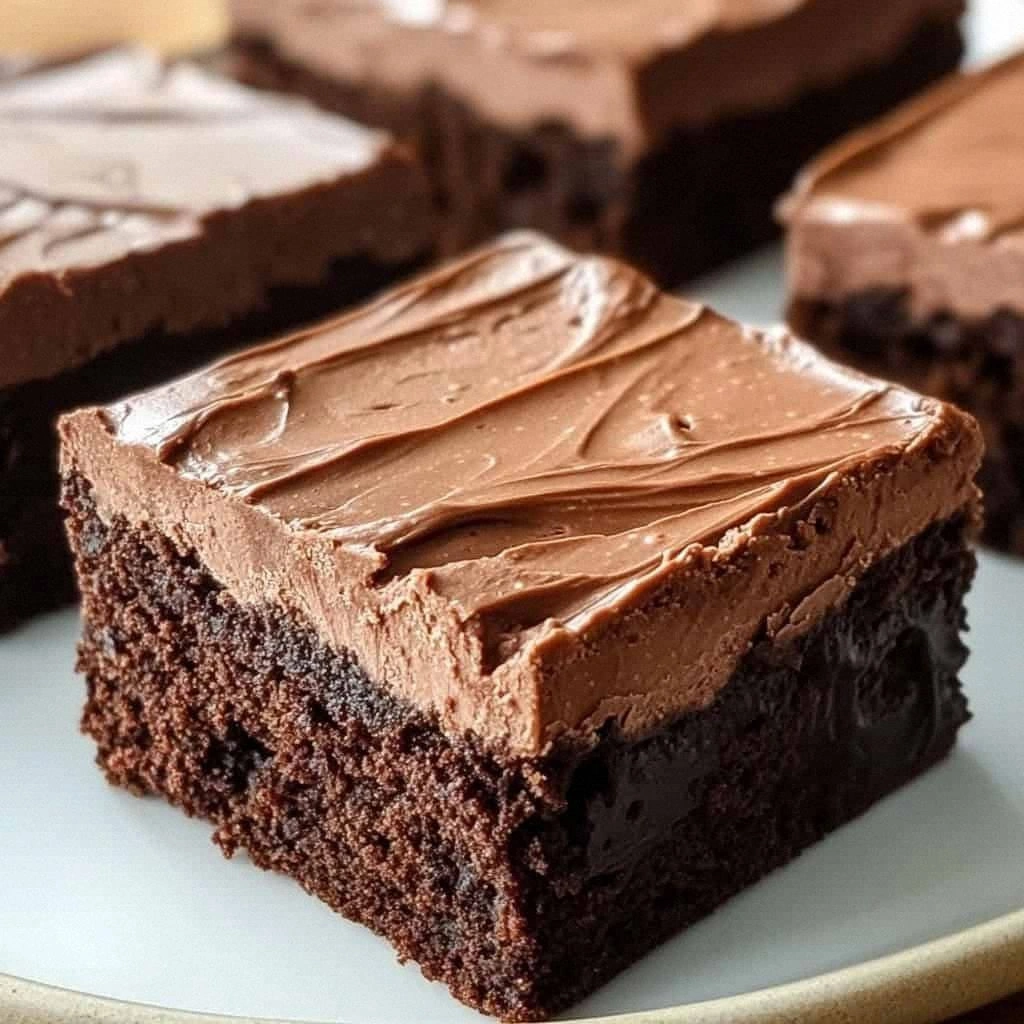
I still remember the first time I bit into a chocolate mousse brownie that actually deserved the name. It was 11:47 p.m. on a Tuesday, I was wearing mismatched socks, and I had sworn I was “just tasting” the batch I’d promised to bring to work the next morning. One forkful later, the rest of the pan didn’t stand a chance. The top layer sighed like a down pillow, the middle stripe of mousse cooled my tongue the way silk sheets surprise bare feet on a hot night, and the brownie foundation—oh, that brownie—shattered at the edges and stayed fudgy in the center like a secret truffle hiding in plain sight. I stood over the counter, lights off except for the depressing glow of the fridge, shoveling squares into my mouth and thinking, “So this is what ‘decadent’ actually tastes like.”
Fast-forward through three months of obsessive testing, a small kitchen fire (don’t ask), and one unfortunate incident involving my dog and a spatula, and I finally nailed the formula. This isn’t some dry cake square with a sad dollop of whipped cream on top; this is a triple-threat dessert that behaves like a brownie, dreams like a chocolate truffle, and flirts like a Parisian pastry. The mousse layer is stabilized just enough to slice cleanly yet stay ethereally light, while the brownie layer bakes up with those glossy, paper-thin crinkles on top and a center that bends like fudge. Most recipes get one or the other right—fudgy base or airy mousse—but rarely both. I dare you to taste this and not go back for seconds. Actually, I dare you to share.
Before you panic about technique, let me reassure you: there’s no candy thermometer, no water bath, no arcane French words to pronounce. You will need a mixer (handheld is fine), a bowl you can sit over simmering water, and the willpower to let the finished slab chill for a measly hour before slicing. That’s it. Picture yourself pulling this out of the oven, the whole kitchen smelling like you’ve been teleported to a Swiss chocolatier’s laboratory, your friends drifting in like cartoon characters following the scent trail. Stay with me here—this is worth it.
Let me walk you through every single step—by the end, you’ll wonder how you ever made it any other way.
What Makes This Version Stand Out
- Fudgy, Not Cakey: Most brownie bases turn into chocolate sawdust once refrigerated under mousse. This one stays dense and truffle-like thanks to a higher fat-to-flour ratio and a touch of corn syrup for chew.
- Cloud-Like Mousse Without Gelatin: I use the classic French method—whipped yolks, sugar syrup, and airy whites—so the mousse sets naturally and melts faster on the tongue than versions that taste like Jell-O in disguise.
- One Pan, Zero Drama: The brownie bakes in the same 8-inch square you’ll later fill with mousse. No spring-form to leak, no transfer to worry about cracks.
- Make-Ahead Magic: The flavor peaks after an overnight chill, so you can be the hero who “threw dessert together last minute” while secretly binge-watching your favorite show.
- Chocolate on Chocolate on Chocolate: Bittersweet brownie, milk-chocolate chips for pockets of goo, and a mousse that uses two kinds of chocolate for complexity. If that sentence didn’t make you blink twice, we can’t be friends.
- Flexibility: Swap espresso for the coffee and you’ve got a mocha version; add orange zest and you’re basically eating a Terry’s chocolate orange in brownie form.
Alright, let’s break down exactly what goes into this masterpiece...
Inside the Ingredient List
The Flavor Base
Unsalted butter is the canvas here. I melt it first so it coats every sugar grain, creating that glossy top crinkle everyone fights over. Granulated sugar isn’t just sweet—it dissolves into the hot butter and helps form the paper-thin crust that shatters like thin ice when you bite. The cocoa powder needs to be Dutch-processed for smoother, less acidic flavor; natural cocoa will give you a reddish hue and a sharper edge that fights the mousse. Salt is non-negotiable—without it, the chocolate tastes flat, like a joke with no punchline. Use fine sea salt; it disperses evenly and doesn’t give you a salty landmine in one bite.
The Texture Crew
Baking powder sounds weird in a fudgy brownie, but we’re using just enough to keep the mousse from turning the base into chocolate concrete. Four whole eggs provide structure; the yolks emulsify with butter and the whites lighten the crumb. All-purpose flour gets measured with the spoon-and-level method—scooping straight from the bag can add 30 percent more flour, turning your treat into chocolate rubber. Corn syrup is my secret weapon: a quarter-cup keeps the crumb moist even after refrigeration and adds that bakery-style chew. If you cringe at corn syrup, honey works, but expect a faint floral note that divides crowds like pineapple on pizza.
The Unexpected Star
Coffee is the invisible wingman. You won’t taste it, yet it blooms the cocoa into something deeper, like turning the lights on in a dim room. Use leftover morning brew, espresso from a capsule, or even instant dissolved in hot water—just make sure it’s strong and piping hot when you add it to the chopped chocolate for the mousse. The heat melts the chocolate gently without scorching, saving you from the double-boiler babysitting squad.
The Final Flourish
Heavy cream must be cold—whipping cream that’s even slightly warm is like trying to inflate a balloon in a sauna. Separate the eggs while they’re cold (yolks break less), then let them come to room temp for maximum volume when whipped. A touch of extra sugar stabilizes the mousse without making it gritty; confectioners’ sugar dissolves faster, but granulated keeps the texture silkier, so I split the difference and pulse granulated in the blender for five seconds. Semi-sweet chips folded into the warm batter create molten pockets that contrast with the cool mousse layer, giving you that hot-cold thrill even though the whole thing is served chilled.
Everything’s prepped? Good. Let’s get into the real action...
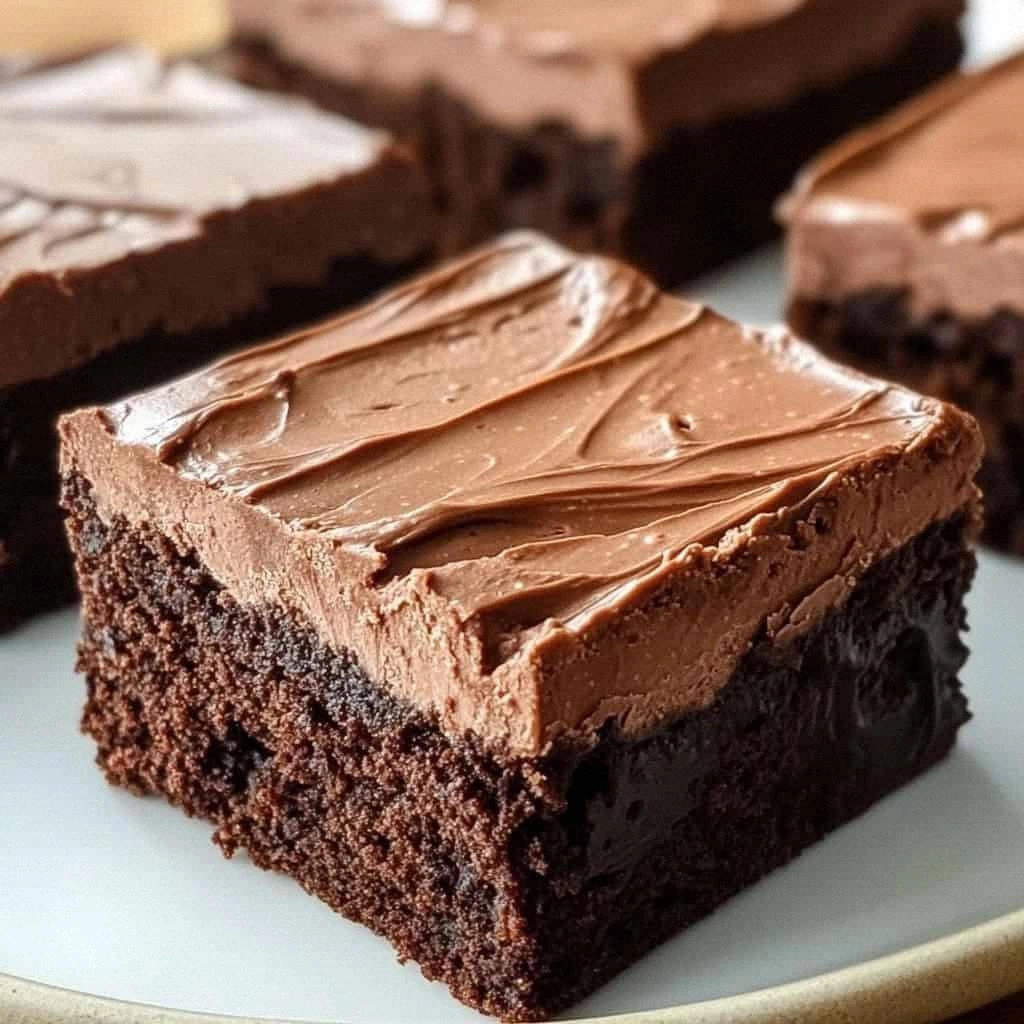
The Method — Step by Step
- Preheat and prep: Heat your oven to 350 °F (175 °C). Line an 8-inch square metal pan with foil or parchment, leaving wings that overhang two sides—you’ll use them as handles later. Metal conducts heat better than glass, giving you those caramelized edges that make grown adults fight like toddlers. Spray the liner with non-stick spray, then dust with cocoa powder instead of flour for a midnight-black finish that screams “professional.”
- Melt and mix the brownie base: In a medium saucepan, melt the butter over gentle heat until it just starts to foam and smell nutty—about 3 minutes. Pull it off the heat, whisk in the sugar, and watch the mixture turn into lava-like ribbons. The sugar will hiss and dissolve; that sound is the soundtrack to glossy tops. Whisk in cocoa, salt, and baking powder until the batter looks like melted dark chocolate—no specks, no regrets.
- Bring on the eggs: Crack the eggs into a small bowl first (one rogue shell ruins the zen), then whisk them into the cocoa slurry one at a time. The batter will thicken and shine like pudding. Add vanilla; it should smell like you walked into an ice-cream parlor at 10 p.m. on summer break.
- Fold in the flour and chips: Sprinkle the flour over the surface and stir just until you stop seeing streaks. Over-mixing activates gluten and gives you chocolate bricks, so when in doubt, quit early. Fold in the chips; they’ll melt into tiny puddles of goo that create hidden treasure pockets.
- Bake to fudgy perfection: Pour the batter into the prepared pan, smoothing the top with an offset spatula. Bake 22–25 minutes, rotating halfway. The edges should puff slightly, the center should jiggle like a tight tummy laugh, and a toothpick inserted 1 inch from the edge should come out with a few moist crumbs. Over-bake and the mousse will skate on a chocolate hockey puck; under-bake and the base collapses under the mousse weight.
- Cool while you prep mousse: Let the brownie cool completely in the pan on a rack. Resist the urge to speed things up in the fridge—rapid chilling can make the top crack like drought-dirt. This is the perfect time to wash the bowl and pretend you’re not going to lick it later.
- Make the ganache base: Place chopped chocolate in a heat-proof bowl. Pour hot coffee over it, let stand 60 seconds, then whisk until satin-smooth. The coffee amplifies chocolate’s fruity notes; if you sniff hard, you might catch red-wine vibes. Stir in vanilla and salt; the mixture should be loose but not watery, like lava in a slow-motion documentary.
- Whip yolks and sugar: In a separate bowl, whisk yolks and sugar until pale and thick—about 2 minutes. You’re looking for “ribbon stage,” where the mixture falls in lazy folds that mound on the surface for 3 seconds before sinking. This traps air that keeps the mousse buoyant.
- Marry yolks and chocolate: Whisk a spoonful of ganache into the yolks to temper, then scrape the warmed yolks back into the ganache. Fold gently; you don’t want scrambled chocolate eggs. The mixture will darken and tighten slightly, like pudding before it sets.
- Whip whites and cream: In a clean mixer bowl, beat egg whites to soft peaks. Transfer to another bowl, then beat cold cream to soft peaks as well. The goal is clouds, not butter, so stop when the whisk leaves faint trails. Fold one-third of the whites into the chocolate to loosen, then fold in remaining whites, followed by the cream. Work quickly but gently—every stroke should feel like you’re tucking chocolate into bed.
- Assemble and chill: Scrape the mousse over the cooled brownie, smoothing the top like fresh snow. Cover with foil (tent it so it doesn’t stick) and refrigerate at least 1 hour, preferably overnight. The mousse will firm just enough to slice cleanly while staying airy.
That’s it—you did it. But hold on, I’ve got a few more tricks that’ll take this to another level...
Insider Tricks for Flawless Results
The Temperature Rule Nobody Follows
Room-temperature eggs whip to 6× their volume, cold ones barely double. Leave them on the counter for 30 minutes, or submerge in warm (not hot) water for 5 minutes if you’re impatient. Same goes for the cream—cold cream whips faster, but if it’s ice-cold straight from the freezer, the fat can clump into tiny flecks that look like cottage cheese. Aim for 38–40 °F. I keep a cheap fridge thermometer taped inside my fridge door; it’s the difference between silky mousse and a broken mess.
Why Your Nose Knows Best
When the brownie bakes, the scent shifts from sweet cocoa to deeper notes of toast and caramel. The moment you smell hazelnut and espresso, start testing for doneness. Ovens lie; noses don’t. A friend tried relying on the timer alone and ended up with a Sahara-dry base that even the mousse couldn’t save. Trust the aroma, not the digits.
The 5-Minute Rest That Changes Everything
After you whip the cream, let it sit 5 minutes before folding. This relaxes the air bubbles so they don’t deflate the instant they meet the heavier chocolate base. I stumbled on this when my phone rang mid-recipe; the mousse I made that day was noticeably lighter than previous attempts. Sometimes procrastination pays.
Creative Twists and Variations
This recipe is a playground. Here are some of my favorite ways to switch things up:
Mocha Mayhem
Replace the hot coffee with a double-shot of espresso and stir a teaspoon of espresso powder into the brownie batter. The bitterness balances the sweetness and makes the chocolate taste darker than it actually is. Top the mousse with chocolate-covered espresso beans for crunch.
Orange You Glad
Add the zest of one large orange to the ganache and swap the vanilla for orange liqueur. The oils in the zest perfume the mousse like a chocolate orange in silk form. Candied orange peel on top turns it into a Christmas-worthy showstopper.
Peanut-Butter Swirl
Beat ½ cup creamy peanut butter with 2 Tbsp softened butter and ¼ cup powdered sugar. Dollop over the mousse layer and drag a toothpick through for tiger stripes. Salty-sweet lovers will propose marriage.
Raspberry Riot
Press ½ cup freeze-dried raspberries into fine powder and fold into the mousse just before the cream. The tartness cuts the richness like a squeeze of lemon on fried chicken. Reserve a few whole shards for garnish; they stay crisp even after chilling.
S’mores Upgrade
Stir ½ cup mini marshmallows into the brownie batter; they’ll melt into gooey pockets. Torch the mousse surface lightly with a kitchen torch, then sprinkle graham-cracker crumbs for that campfire vibe without the mosquitoes.
Spicy Maya
Add ½ tsp ground cinnamon and ⅛ tsp cayenne to the brownie batter. The warmth blooms overnight, so make this version at least one day ahead. A pinch of flaky salt on top gives you that sweet-heat-salty trifecta that keeps forks moving.
Storing and Bringing It Back to Life
Fridge Storage
Cover the pan tightly with plastic wrap, then foil, and refrigerate up to 4 days. Press the wrap directly onto the mousse surface to prevent condensation spots. After day 3, the edges of the brownie start to dry, but a 10-second microwave zap restores the fudgy center.
Freezer Friendly
Cut into squares, layer between parchment in an airtight container, and freeze up to 2 months. Thaw overnight in the fridge. The mousse retains its airy texture, but the chips inside the brownie turn snappy again—like hidden chocolate chips straight from the freezer cookie-dough vault.
Best Reheating Method
Individual squares reheat beautifully: 8–10 seconds in the microwave for a fudgy center, or 3 minutes in a 300 °F oven if you want the top lightly warmed and the mousse still chilled—textural contrast heaven. Add a tiny splash of water on the plate before microwaving; the steam keeps everything moist instead of rubbery.