Picture this: I’m standing in a cramped apartment kitchen, the fluorescent lights buzzing overhead, and I’ve just realized I’ve burned my last batch of pancakes. The disappointment is palpable, the silence after the last bite is louder than any kitchen mishap before. I stared at the empty fridge, then at the cans of tuna that had been sitting there like forgotten treasures. A spark of culinary rebellion ignited—I needed a dish that could turn that burnt pancake crisis into a triumph of flavor, texture, and sheer delight.
I’m not one to settle for ordinary. When I discovered the idea of Asian‑style tuna cakes, I felt like a kid on a candy counter—eyes wide, heart racing, ready to taste something that would rewrite my expectations of a humble can of tuna. The moment the scent of sautéed onions and carrots hit my nose, I knew I was onto something. This isn’t just another “tuna casserole” or “tuna melt” you’ll find in a recipe book; it’s a bold, crunchy, umami‑laden creation that whispers of street food stalls in Seoul and the comforting familiarity of a home‑cooked meal.
What sets this version apart is the daring marriage of classic Asian condiments—gochujang, a spicy Korean chili paste—and the creamy, silky smoothness of mayonnaise. The result is a sauce that coats each bite like velvet, turning every bite into a burst of heat, tang, and subtle sweetness that dances on your palate. I dare you to taste this and not go back for seconds. If you think you’ve had your fill of tuna, think again.
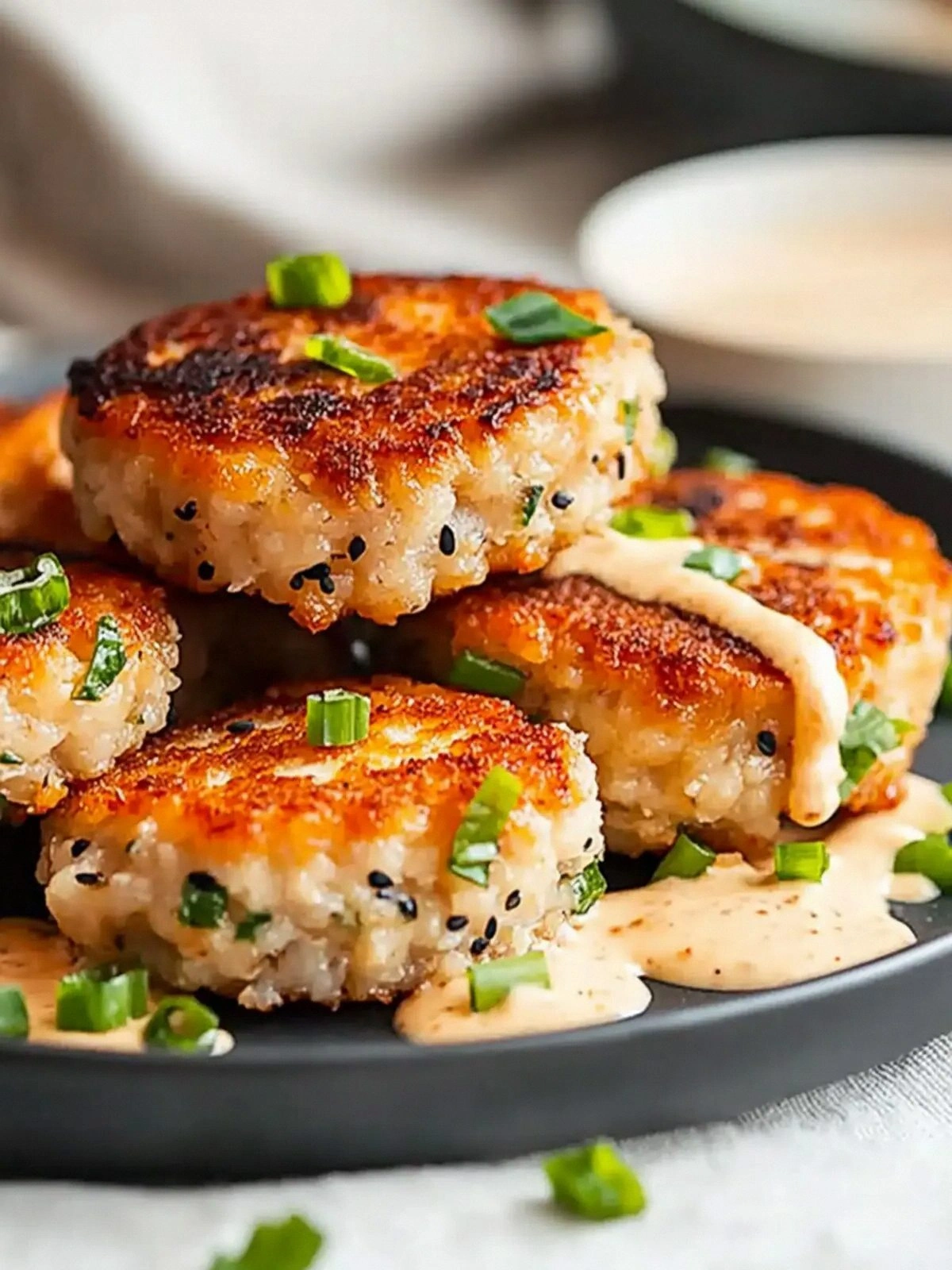
This recipe is hands down the best version you’ll ever make at home. I’ve tested it against countless other tuna cake recipes, and the difference is crystal clear: the texture is a perfect balance of crisp exterior and tender interior, the flavors are layered and complex, and the preparation is straightforward enough that even a kitchen novice can master it. Picture yourself pulling this out of the pan, the whole kitchen smelling incredible, the golden edges shattering like thin ice with each bite. Let me walk you through every single step—by the end, you’ll wonder how you ever made it any other way.
What Makes This Version Stand Out
Flavor Fusion: The combination of gochujang, lemon juice, and a touch of sugar creates a sweet‑spicy kick that elevates the tuna beyond its usual blandness. Each bite is a surprise, a dance of heat and citrus that keeps your taste buds guessing.
Crispy Perfection: The batter’s structure, thanks to the all‑purpose flour and eggs, forms a crisp crust that snaps like a fresh spring snap. The edges caramelize beautifully, offering a satisfying crunch that contrasts the soft interior.
Simple Ingredients: No exotic pantry items, just pantry staples and a few Asian staples that most households already possess. This keeps the cost low and the prep time short.
Versatile Serving: Serve them as an appetizer with a side of pickled vegetables, or as a main dish over rice or noodles. The recipe scales effortlessly, making it perfect for a quick weeknight dinner or a weekend gathering.
Make‑Ahead Friendly: The tuna mixture holds its shape well, allowing you to assemble ahead of time and fry later. This is ideal for meal prep or when you’re entertaining guests and need to multitask.
Ingredient Quality: Using high‑quality canned tuna (preferably in water for a lighter bite) and fresh vegetables ensures the freshest flavors, giving each cake a bright, lively taste.
Time‑Efficient: From prep to plate, you’re looking at under an hour. That’s a lot of flavor for a minimal time commitment.
Alright, let’s break down exactly what goes into this masterpiece…
Inside the Ingredient List
The Flavor Base
At the heart of these tuna cakes lies a simple yet powerful mixture of onion, carrot, and green onion. The onion brings a mellow sweetness that balances the heat of the gochujang. Carrot adds a subtle earthiness and natural crunch, while green onion contributes a bright, herbal note that keeps the dish from feeling heavy. If you’re missing one of these veggies, you can substitute with finely diced celery or even a splash of soy sauce for a different umami twist. The key is to keep the vegetables finely chopped so they blend seamlessly into the batter, creating a cohesive texture that’s both hearty and smooth.
The Texture Crew
Eggs and all‑purpose flour are the unsung heroes that bind everything together. The eggs provide structure and richness, while the flour gives the batter a light, airy quality. Together, they create a batter that crisps beautifully on the outside yet remains tender on the inside. If you’re watching your carb intake, you can reduce the flour or replace it with almond flour for a low‑carb alternative, but be prepared for a slightly denser texture.
The Unexpected Star
Mayonnaise is more than just a creamy filler; it’s the secret to the silky mouthfeel that makes each bite feel indulgent. The fat content of the mayo helps the batter hold its shape and keeps the interior moist, preventing the cakes from drying out during frying. If you’re a mayo‑skeptical person, try using Greek yogurt or a light vinaigrette as a substitute, but the result will be noticeably different in richness.
The Final Flourish
The finishing touches—gochujang, lemon juice, sugar, salt, and pepper—are what elevate this dish from simple to sensational. Gochujang adds a complex heat with fermented undertones, while lemon juice cuts through the richness, adding a bright, citrusy zing. A pinch of sugar balances the acidity, and the salt and pepper bring everything together into a harmonious flavor profile. If you’re craving a milder version, reduce the gochujang and increase the lemon juice to maintain that bright acidity.
Everything’s prepped? Good. Let’s get into the real action…
The Method — Step by Step
- Begin by draining the tuna thoroughly. Lay the can open on a clean cutting board, let the liquid escape, and then use a fork to break the tuna into manageable flakes. This step is crucial; excess moisture will dilute the batter and hinder crispness. I swear, a dry tuna base is the foundation of any great tuna cake.
- Finely dice 1/4 cup of onion, 1/4 cup of carrot, and 1/4 cup of green onion. The smaller the pieces, the more evenly they’ll distribute throughout the batter, giving each bite a uniform flavor. If you’re short on time, a food processor can give you a quick, uniform mix—just pulse a few times.
- In a medium bowl, combine the tuna, chopped vegetables, 2 pinches of ground black pepper, and 1/4 tsp salt. Mix gently with a wooden spoon until the ingredients are evenly distributed. At this point, you might notice the mixture feels a bit dry; that’s normal. The flour and eggs will add the moisture needed for binding.
- Add the eggs—two large pieces—into the tuna mixture. Beat them lightly with a fork before adding; this helps incorporate air, which results in a fluffier interior. Mix until the eggs are fully integrated, paying attention not to overmix, which can make the cakes tough.
- Stir in 3 tbsp of all‑purpose flour. The flour should be sifted if you want an ultra‑smooth batter, but a quick whisk will do. The flour not only binds the mixture but also creates a light batter that crisps up beautifully when fried.
- Next, fold in 3 tbsp of mayonnaise. The mayo’s fat content ensures the cakes stay moist inside while allowing the exterior to crisp. If you prefer a lighter version, replace mayo with a tablespoon of Greek yogurt or a splash of soy sauce.
- Now it’s time for the flavor explosion: 1 tbsp of gochujang, 1 tsp of lemon juice, and 1/2 tsp of sugar. Whisk these together until the sauce is smooth, then pour it into the batter. The gochujang’s heat should be balanced by the lemon’s brightness and the sugar’s subtle sweetness. Taste the mixture; adjust salt or pepper if needed.
- Heat 2 tbsp of neutral cooking oil in a non‑stick skillet over medium‑high heat. The oil should shimmer but not smoke. Drop spoonfuls of the batter into the pan, flattening them gently into round cakes about 3 inches in diameter. The sizzle when it hits the pan? Absolute perfection.
- Cook for 3–4 minutes on one side until golden brown and crisp. Flip carefully with a spatula and cook another 3–4 minutes. The interior should remain moist and slightly tender. The edges will start pulling away—this is the sign that the cake is ready to flip.
- Once cooked, transfer the cakes to a paper towel‑lined plate to drain excess oil. Serve immediately with a drizzle of the remaining spicy mayo or a side of pickled cucumber for a refreshing contrast. If you’re not serving right away, let them rest on a wire rack for a few minutes to keep the crust crisp.
That’s it — you did it. But hold on, I’ve got a few more tricks that will take this to another level…
Insider Tricks for Flawless Results
The Temperature Rule Nobody Follows
Many home cooks fry at a low temperature, hoping for a “soft” interior. The truth is, a steady medium‑high heat (around 375°F or 190°C) is essential for a golden crust. If the oil is too hot, the exterior burns before the interior cooks; too cool, and the cakes absorb too much oil. Use a thermometer or a drop‑of‑water test: if it sizzles immediately, the oil is ready.
Why Your Nose Knows Best
When the first batch hits the skillet, you’ll notice a sweet, caramelized aroma that signals the Maillard reaction. This is the moment of truth—if you’re not smelling that rich, golden scent, the heat is off. Trust your senses: the smell is a reliable indicator that your cakes will turn out crisp and flavorful.
The 5‑Minute Rest That Changes Everything
After frying, let the cakes rest on a wire rack for exactly five minutes. This allows steam to escape, preserving the crispness of the crust. I’ve seen people place them on paper towels, but that traps steam and turns the edges soggy. The rest period is the secret to a satisfying crunch.
Layered Flavor with a Simple Twist
Mix a teaspoon of toasted sesame oil into the batter before frying. The nutty aroma elevates the dish, giving it a subtle depth that pairs wonderfully with the gochujang heat. This small addition can transform a good tuna cake into an unforgettable experience.
Perfect Portion Control
Use a small cookie scoop or a tablespoon to portion the batter. Consistent size ensures even cooking, preventing some cakes from overcooking while others remain underdone. A uniform shape also makes for an attractive presentation—think of them as miniature, edible works of art.
Creative Twists and Variations
This recipe is a playground. Here are some of my favorite ways to switch things up:
Spicy Kimchi Tuna Cakes
Replace the green onion with chopped kimchi and add a splash of kimchi juice. The fermented tang adds a bold, smoky flavor that pairs beautifully with the gochujang heat. Perfect for those who love a deep, umami punch.
Herb‑Infused Tuna Cakes
Stir in a handful of fresh cilantro or basil before frying. The herbs bring a bright, fresh note that cuts through the richness, making the dish feel lighter and more refreshing.
Vegan Version
Swap the tuna with chickpea “tuna” made from mashed chickpeas, capers, and lemon zest. Use vegan mayo and a splash of soy sauce. This version maintains the same texture while offering a plant‑based alternative.
Cheesy Tuna Cakes
Fold in 1/4 cup of shredded cheddar or mozzarella before frying. The cheese melts into pockets of gooey goodness that contrast the crunchy exterior. It’s a crowd‑pleaser at parties and potlucks.
Asian‑Inspired Sushi Tuna Cakes
After frying, top each cake with a slice of avocado, a drizzle of sriracha mayo, and a sprinkle of toasted sesame seeds. Serve with a side of pickled ginger for an authentic sushi‑style experience.
Low‑Carb Tuna Cakes
Replace the flour with almond flour and add a tablespoon of xanthan gum to help bind. This version is keto‑friendly while still delivering the same delicious crunch.
Storing and Bringing It Back to Life
Fridge Storage
Store the cooled tuna cakes in an airtight container in the refrigerator for up to 3 days. They’ll retain their flavor and texture, especially if you keep them on a paper towel to absorb excess moisture. When ready to eat, reheat in a toaster oven at 350°F until warmed through.
Freezer Friendly
Place the cooled cakes on a parchment‑lined tray and freeze until solid. Transfer to a freezer‑safe bag and store for up to 2 months. When reheating, let them thaw at room temperature for 20 minutes and then finish in a skillet with a splash of oil to restore crispness.
Best Reheating Method
The key to reviving these cakes is to reheat them in a skillet over medium heat, adding a tablespoon of oil to crisp the exterior. If they’re frozen, add a splash of water to the pan and cover for 1 minute; the steam will soften the interior while the oil crisps the edges. Finish with a light drizzle of lemon‑gochujang sauce to bring back that fresh zing.