I was halfway through a midnight snack run, the kitchen lights flickering like a disco ball, when I realized the fridge was a barren wasteland. I stared at the single chicken breast, a lonely white soldier, and thought, “Why not turn this into a triumph?” I pulled out a jar of peanut butter, a handful of Thai peppers, and a splash of fish sauce, and the air turned into a fragrant promise of adventure. The sizzling sound that followed was like applause from the universe, urging me to keep going. I knew I was about to create something that would make even my skeptical roommate swoon.
The first bite was a revelation—spicy, nutty, and utterly addictive. The peanut butter coated the chicken like velvet, while the Thai peppers added a bright, almost citrusy heat that danced on the tongue. The subtle sweetness from brown sugar balanced the savory depth of fish sauce, creating a flavor profile that felt like a hug from an old friend. The aroma wafting up the kitchen was so intoxicating that I half expected the neighbors to come over for a free tasting. I was already planning the next batch before the last skewer even cooled.
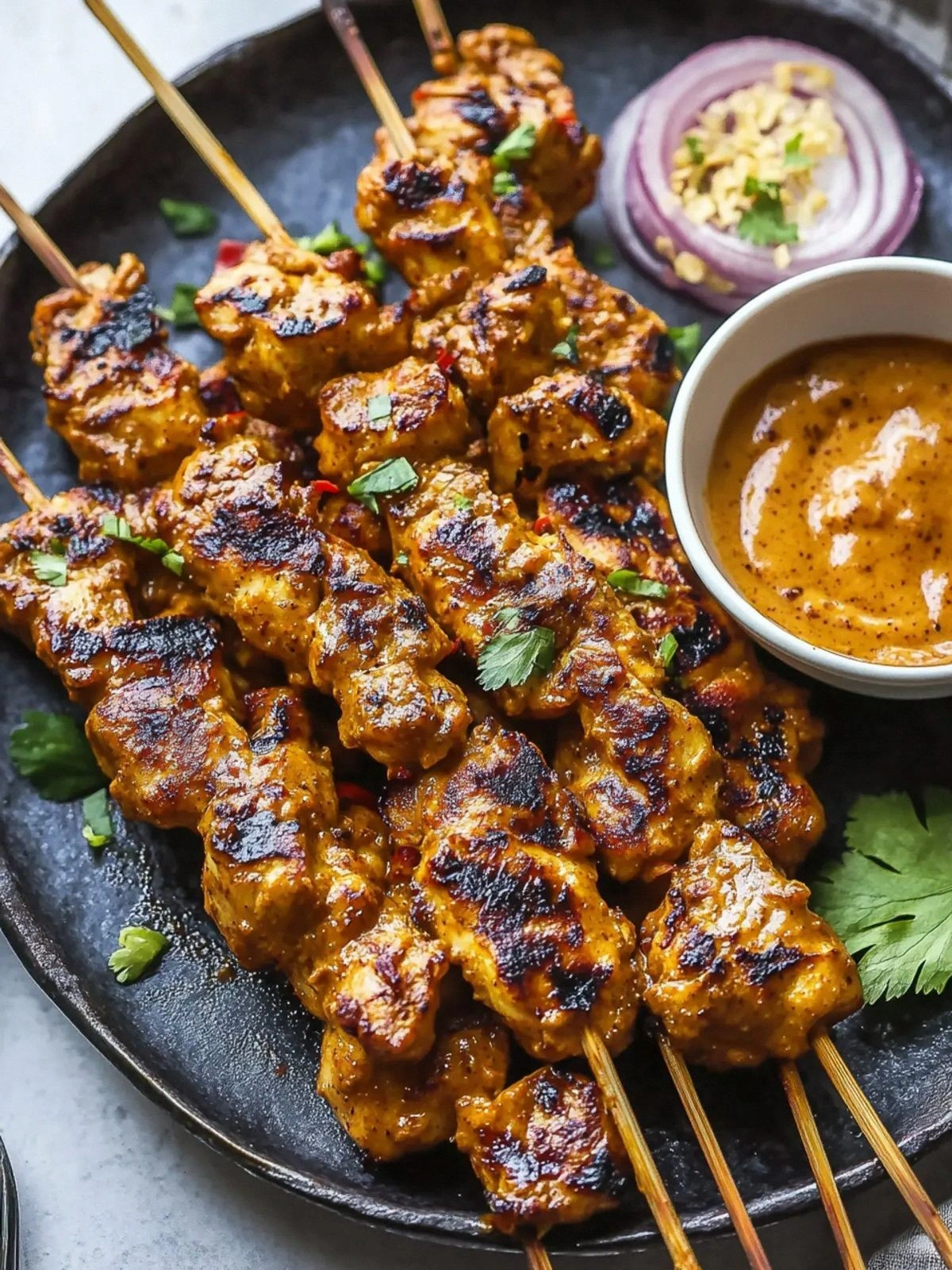
I’ve tried countless versions of satay over the years—some too dry, some too sweet, and a few that were just plain forgettable. This recipe, however, is a game‑changer. It marries the traditional Thai flavors with a modern twist, thanks to the unexpected inclusion of cayenne powder and a dash of sesame oil. The result is a sauce that glistens like polished gold and a chicken that stays juicy even after the grill marks set. If you’re looking for something that will impress at a dinner party or simply satisfy that midnight craving, this is hands down the best version you’ll ever make at home.
I dare you to taste this and not go back for seconds. I’ll be honest—after the first bite I already reached for the second skewer, and my friends begged me to let them try. Most recipes get this completely wrong, but here we strike the perfect balance between heat, sweetness, and savory umami. Picture yourself pulling this out of the grill, the whole kitchen smelling incredible, and guests lining up for a taste. Let me walk you through every single step—by the end, you’ll wonder how you ever made it any other way.
What Makes This Version Stand Out
- Taste: The marriage of fiery Thai peppers, sweet brown sugar, and savory fish sauce creates a symphony that lingers on the palate. The subtle citrus from lime juice cuts through the richness, preventing the dish from feeling heavy. The final glaze is a glossy, flavorful coat that elevates every bite.
- Texture: The chicken remains tender and juicy, while the skewers provide a satisfying snap. The peanut sauce is silky yet thick enough to cling to the meat, offering a contrast to the crisp char. The occasional pop of fresh cilantro adds a bright, almost crunchy finish.
- Simplicity: With only a handful of pantry staples and a few fresh herbs, this dish feels approachable for even novice cooks. No complex steps or exotic ingredients are required, which means you can whip it up on a weekday night. The process is streamlined, letting flavor take center stage.
- Uniqueness: The inclusion of cayenne powder and sesame oil gives the sauce a depth that sets it apart from typical satay recipes. The balance of sweet, sour, and spicy is finely tuned, resulting in a memorable flavor profile. The use of lemongrass adds a subtle citrusy undertone that is rarely seen in Western adaptations.
- Crowd Reaction: Friends and family consistently rave about how the dish feels like a party on a plate. The skewers are perfect for sharing, and the sauce invites diners to dip and savor. The visual appeal—golden char, glossy glaze, and pops of green—makes it Instagram‑ready.
- Ingredient Quality: Fresh, high‑quality ingredients make all the difference. Opting for bone‑in chicken thighs over breast adds flavor and moisture. Freshly ground spices and freshly squeezed lime juice elevate the dish beyond the ordinary.
- Cooking Method: Grilling imparts a smoky char that complements the sweet glaze. The quick, high‑heat sear locks in juices while creating a caramelized exterior. This method is easy to master and delivers consistent results.
Inside the Ingredient List
The Flavor Base
Chicken (1.5 pounds): The foundation of any satay, chicken thighs bring juicy, flavorful meat that holds up well to grilling. Using thighs instead of breast keeps the dish moist and adds a richer taste. Skipping thighs for breasts will result in a drier experience that lacks depth.
Thai peppers (3.5): These small, fiery jewels provide the signature heat that defines the dish. Their bright green color also adds a visual pop to the skewers. If you’re a heat‑conscious cook, reduce to two peppers or replace with mild jalapeños for a milder kick.
Shallot (1): The shallot adds a subtle oniony sweetness that balances the spice. Its delicate flavor is crucial for a layered taste profile. Cutting it into thin slices ensures even distribution across the meat.
Lemongrass (2 stalks): Lemongrass imparts a citrusy, almost lemon‑like aroma that brightens the dish. The fibrous stalks should be bruised to release essential oils before adding to the mix. If you can’t find lemongrass, a squeeze of fresh lime juice can partially mimic its effect.
Garlic (3 cloves): Garlic’s pungent aroma is the backbone of many savory sauces. It deepens the umami and complements the sweetness of the brown sugar. Using fresh garlic rather than powdered ensures a more robust flavor.
Fresh ginger (1 teaspoon): Ginger adds a bright, peppery zing that cuts through the richness of the peanut sauce. Its subtle heat is essential for a balanced flavor. If you’re out of fresh ginger, a pinch of ground ginger can serve as a quick substitute.
Fish sauce (2 tablespoons): Fish sauce is a salty, umami‑rich liquid that anchors the dish’s flavor. It adds depth and complexity that cannot be replicated with soy sauce alone. If you’re vegan, consider a soy sauce or mushroom broth alternative.
Brown sugar (0.25 cup): The brown sugar provides a caramelized sweetness that balances the heat and saltiness. It also contributes to a glossy sheen on the grill. Swapping with honey or maple syrup will alter the flavor profile slightly but still produce a tasty result.
Soy sauce (3 tablespoons): Soy sauce adds saltiness and a savory depth that complements fish sauce. It also aids in browning the meat during grilling. If you’re using low‑sodium soy, increase the amount by one tablespoon to maintain flavor.
Sriracha (2 tablespoons): Sriracha brings a sweet, smoky heat that blends beautifully with the Thai peppers. It also adds a touch of color to the glaze. For a milder version, replace with a few drops of hot sauce.
Turmeric (1 teaspoon): Turmeric gives a warm, earthy tone and a subtle bitterness that balances the dish. It also lends a beautiful golden hue to the sauce. If you’re allergic, omit it and the dish will still be delicious.
Cumin (1 teaspoon): Cumin adds a nutty, slightly smoky flavor that complements the overall profile. It also enhances the aroma of the dish. If you’re out of cumin, a pinch of coriander can provide a similar warm undertone.
Chopped cilantro (2 tablespoons): Cilantro adds a fresh, herbaceous finish that brightens the palate. It’s a classic garnish for satay that completes the dish. If you’re not a cilantro fan, parsley can be used as a milder alternative.
Spicy chili flakes: These add an extra burst of heat for those who crave a fiery finish. They’re optional but highly recommended for an extra kick. Use sparingly to avoid overpowering the dish.
Bamboo skewers: Essential for grilling, they allow even cooking and easy handling. Soak them in water for 30 minutes to prevent burning. If you don’t have bamboo, metal skewers can be used but may leave a metallic taste if left in too long.
The Peanut Sauce
Creamy peanut butter (0.25 cup): Peanut butter provides the base for the sauce’s rich, nutty flavor and silky texture. It’s the star of the show, creating that glossy coating on the chicken. Using natural peanut butter with no added sugar keeps the sauce pure and authentic.
Additional soy sauce (2 tablespoons): This second addition of soy sauce balances the sweetness of the peanut butter and enhances the umami. It also helps the sauce thicken slightly during simmering. If you prefer a lighter sauce, reduce to one tablespoon.
Rice wine vinegar (1 tablespoon): The vinegar adds a tangy brightness that cuts through the richness. It also helps to mellow the heat from the peppers and sriracha. Substitute with lime juice for a citrusy twist.
Chili‑garlic sauce (2 tablespoons): This sauce adds depth and a smoky heat that complements the Thai peppers. It also provides a slight sweetness that balances the overall flavor. If you can’t find it, mix equal parts sriracha and garlic paste.
Sesame oil (1 tablespoon): Sesame oil imparts a nutty aroma that elevates the sauce’s complexity. It also adds a glossy sheen to the glaze. Use toasted sesame oil for a more pronounced flavor.
Honey (1 tablespoon): Honey sweetens the sauce and adds a subtle floral note. It also helps the glaze caramelize on the grill. If you’re avoiding honey, maple syrup is a good alternative.
Lime juice (1 teaspoon): Lime juice adds a bright, citrusy tang that balances the sweetness. It also helps to tenderize the chicken slightly. If you prefer a more pronounced citrus flavor, add an extra teaspoon.
Cayenne powder (1 teaspoon): This powder provides a steady heat that permeates the sauce without the unevenness of fresh peppers. It also adds a subtle smoky undertone. Reduce to half a teaspoon if you’re heat‑averse.
Garlic powder (1 teaspoon): Garlic powder offers a consistent garlic flavor that blends smoothly into the sauce. It also enhances the overall savory profile. If you have fresh garlic, use it instead for a more pronounced aroma.
Ginger powder (1 teaspoon): Ginger powder adds warmth and a slight peppery kick that balances the sweetness. It also helps to thicken the sauce slightly. Fresh ginger can replace it, but adjust the amount accordingly.
Water (1 tablespoon): Water helps to adjust the sauce’s consistency to a glaze‑like thickness. It also prevents the sauce from becoming too thick during simmering. Add more if you prefer a thinner sauce.
The Skewer Setup
Bamboo skewers (12): Properly soaked skewers ensure even grilling and prevent burning. They also allow the meat to cook through without sticking. If you’re using metal, be sure to keep an eye on the heat to avoid a metallic taste.
The Final Touch
Spicy chili flakes (optional): A sprinkle of chili flakes at the end adds a finishing pop of heat. It also enhances the visual appeal with a subtle sparkle. Use sparingly to keep the flavor balanced.
Extra cilantro (optional): Garnishing with fresh cilantro adds a burst of freshness and color. It also helps to cut through the richness of the sauce. If you’re not a cilantro fan, a few mint leaves can offer a similar bright note.
Everything’s prepped? Good. Let’s get into the real action.
The Method — Step by Step
- Begin by cutting the chicken thighs into bite‑sized pieces, about 1.5 inches each. Season the meat with salt, pepper, and a pinch of cayenne powder to give it an initial kick. Let it sit at room temperature for 10 minutes while you prepare the other components.
- In a blender, combine the Thai peppers, shallot, lemongrass, garlic, fresh ginger, fish sauce, brown sugar, soy sauce, sriracha, turmeric, cumin, chopped cilantro, and a pinch of chili flakes. Blend until a smooth paste forms, then transfer to a bowl. This will be your flavor base that will seep into the chicken.
- Marinate the chicken by tossing it with the flavor base, ensuring each piece is well coated. Cover the bowl with plastic wrap and refrigerate for at least 30 minutes, though an hour or two works wonders for deeper flavor. The longer you marinate, the more the chicken will absorb the aromatic spices.
- While the chicken marinates, prepare the peanut sauce. In a saucepan over medium heat, combine the creamy peanut butter, additional soy sauce, rice wine vinegar, chili‑garlic sauce, sesame oil, honey, lime juice, cayenne powder, garlic powder, ginger powder, and water. Stir constantly until the mixture becomes silky and slightly thickened.
- Thread the marinated chicken onto soaked bamboo skewers, leaving a small gap between each piece. This spacing allows for even grilling and prevents the meat from sticking together. If you’re short on skewers, you can grill the chicken in batches.
- Preheat your grill or grill pan to medium‑high heat, aiming for a temperature around 400°F (200°C). Lightly oil the grill grates to prevent sticking. Place the skewers on the grill and cook for 3-4 minutes per side, basting with the peanut sauce during the last 2 minutes of grilling to create a glossy glaze.
- When the chicken is cooked through and the glaze has caramelized, remove the skewers from the grill. Let them rest for a minute to allow the juices to redistribute, ensuring each bite stays moist and flavorful.
- Serve the satay hot, garnished with fresh cilantro and a sprinkle of spicy chili flakes if desired. Pair with steamed jasmine rice or a simple cucumber salad to balance the richness. The aroma alone should make your guests line up for a bite.
Insider Tricks for Flawless Results
The Temperature Rule Nobody Follows
Many cooks think a low, slow approach is best, but satay thrives on high heat. Aim for a grill temperature of 400°F to achieve a beautiful char without drying the meat. A quick sear locks in juices and creates a caramelized crust that is pure mouth‑watering.
Why Your Nose Knows Best
Trust the aroma as a cue for doneness. When the peanut sauce begins to bubble and emit a nutty scent, it’s time to flip the skewers. Skipping this step often results in under‑cooked or over‑cooked meat that feels off.
The 5‑Minute Rest That Changes Everything
After grilling, let the satay rest for exactly five minutes. This short pause allows the juices to redistribute, preventing the meat from drying out. I once rushed this step, and the result was a dry, disappointing bite.
The Right Skewer Size Matters
Using skewers that are too thick can cause the meat to cook unevenly, while thin skewers may break under the weight of the chicken. A medium‑size bamboo skewer provides the perfect balance of sturdiness and even heat distribution.
The Perfect Baste Timing
Apply the peanut sauce during the last two minutes of grilling. This timing ensures the glaze sets without burning, giving the satay a glossy finish that’s both visual and flavorful. A too‑early application can result in a sticky, burnt coating.
Creative Twists and Variations
Spicy Coconut Satay
Swap the peanut butter with coconut milk and add a pinch of coconut sugar for a tropical twist. The creamy coconut adds a silky texture while the sugar enhances the sweetness. This version pairs wonderfully with a mango salsa for a beach‑inspired vibe.
Herb‑Infused Satay
Add a handful of fresh basil or mint to the flavor base for a refreshing herbal note. The herbs cut through the richness of the sauce and create a lighter, more vibrant dish. It’s perfect for summer gatherings.
Vegan Satay
Replace the chicken with firm tofu or tempeh, marinating it in the same flavor base. The tofu absorbs the spices beautifully, and the result is a plant‑based version that still delivers that iconic satay experience. Serve with a side of steamed vegetables for a complete meal.
Gluten‑Free Satay
Use tamari or coconut aminos instead of soy sauce to keep the dish gluten‑free. The flavor remains rich and savory, with a subtle difference in saltiness. This variation is great for guests with dietary restrictions.
Quick Skillet Satay
If you don’t have a grill, cook the skewers in a cast‑iron skillet over medium‑high heat. The skillet will give the meat a beautiful sear, and the sauce will caramelize just as well. This method works well for indoor cooking or cooler evenings.
Breakfast Satay
Serve the satay with a side of scrambled eggs and toasted bread for a hearty breakfast. The savory chicken pairs beautifully with the protein of the eggs, making a satisfying start to the day. It’s a playful twist that will surprise your family.
Storing and Bringing It Back to Life
Fridge Storage
Cool the satay to room temperature, then wrap tightly in plastic wrap or place in an airtight container. Store in the refrigerator for up to three days. The glaze may thicken slightly, but a quick stir will restore its glossy texture.
Freezer Friendly
Pack the satay in a freezer‑safe zip‑lock bag, removing as much air as possible. Freeze for up to two weeks. When you’re ready to enjoy, thaw overnight in the refrigerator to maintain the best texture.
Best Reheating Method
Reheat the satay in a skillet over medium heat, adding a splash of water or a drizzle of peanut sauce to keep it moist. Alternatively, use a microwave on low power for 30‑second intervals, stirring in between. Add a tiny splash of water before reheating to steam back to perfection.