I remember the night I was supposed to impress a friend with a homemade meal and, in a frantic scramble, I opened the pantry, grabbed whatever I could find, and tossed it into a pot. The result? A soggy, flavorless mess that left me clutching my stomach and swearing off soup for good. Fast forward a few years, I discovered a recipe that turned that disaster into a comforting masterpiece, and I can’t wait to share every secret that makes it so irresistible.
Picture this: a pot simmering on the stove, the fragrant steam swirling around the kitchen, the sound of broth gently bubbling like a lullaby. You can almost taste the savory broth, feel the warmth radiating from the spoon, hear the gentle clink of the wooden ladle. The moment you take your first bite, the noodles glide across your tongue, the chicken melts, and the herbs release their earthy perfume. That’s the kind of sensory journey I’m about to guide you through, step by step.
What makes this version of Easy Chicken Noodle Soup stand out is that it’s not just another “just add broth” recipe. It’s a carefully balanced symphony of flavors, textures, and techniques that elevate the humble soup into something you’ll crave again and again. I’ve fine-tuned each element—from the first sauté to the final garnish—so that every component sings in harmony. And the best part? It’s so simple you can whip it up in under an hour, even on a busy weekday.
I dare you to taste this and not go back for seconds. Trust me, the combination of fresh herbs, perfectly cooked noodles, and that subtle hint of bay leaf will have you saying, “This is hands down the best version you’ll ever make at home.” If you’ve ever struggled with a bland soup, you’re not alone—this is the fix you’ve been missing. Stay with me here, and by the end, you’ll wonder how you ever made it any other way.
What Makes This Version Stand Out
- Taste: The broth is a layered masterpiece—savory, slightly herbal, with a hint of citrus from the bay leaf that brightens every spoonful.
- Texture: Egg noodles are cooked al dente, offering a satisfying chew that contrasts with the tender chicken and crisp vegetables.
- Simultaneous Flavor: The quick sauté of aromatics locks in the natural sweetness of the vegetables, preventing that watery, flat broth most store‑bought versions suffer from.
- Simplicity: No complicated steps—just a single pot, a handful of pantry staples, and a few minutes of attentive cooking.
- Make‑ahead Friendly: It keeps well for three days in the fridge or freezes beautifully, so you can enjoy a comforting bowl even on your busiest days.
- Freshness: Fresh parsley at the end adds a burst of color and a peppery note that lifts the entire dish.
- Ingredient Quality: Using a good quality chicken broth and fresh herbs makes all the difference, turning a basic recipe into a gourmet experience.
- Versatility: Swap in your favorite proteins or veggies, and it’s still a winner—perfect for customizing to your taste or whatever you have on hand.
Alright, let's break down exactly what goes into this masterpiece…
Inside the Ingredient List
The Flavor Base
Olive oil is the canvas on which all the other flavors paint their stories. It carries the aromatics, prevents sticking, and gives the soup a silky mouthfeel. If you’re averse to olive oil, a splash of vegetable oil will do, but the subtle fruitiness of olive oil is what makes the broth sing. Don’t skip the bay leaf—its subtle earthy undertone is the secret that ties the entire broth together. A single leaf is enough; more can become bitter.
The Texture Crew
Egg noodles provide the classic chewy texture that makes a chicken noodle soup comforting. Look for medium‑width noodles; they hold up well and absorb the broth without becoming mushy. If you prefer a gluten‑free option, swap in rice or quinoa noodles—just adjust the cooking time to avoid overcooking. Carrots and celery not only add crunch but also bring natural sweetness and a peppery bite that balances the savory broth.
The Unexpected Star
Fresh parsley isn’t just a garnish—it’s a flavor enhancer that adds brightness and a slight peppery kick. Sprinkle it at the very end so that the heat preserves its vibrant green color and fresh taste. If you’re out of parsley, a small handful of cilantro or basil can provide a different but delightful twist.
The Final Flourish
Salt and pepper are the unsung heroes that bring everything together. Use kosher salt for even distribution, and pepper it freshly ground for a sharp finish. The key is to season gradually—taste as you go—to avoid over‑salting. A pinch of smoked paprika can add a subtle smokiness if you’re feeling adventurous.
Everything's prepped? Good. Let's get into the real action…
The Method — Step by Step
- Heat a large, heavy‑bottom pot over medium heat and pour in one tablespoon of olive oil. Once the oil shimmers, add the finely diced onion, carrots, and celery. Stir them gently, letting the vegetables soften and release their natural sugars for about five minutes. The aroma that begins to rise is your first hint that the flavor base is forming.
- Add the minced garlic to the pot, stirring constantly to prevent it from burning. Cook for one minute until the garlic turns translucent and releases a fragrant perfume. A quick sauté like this locks in the garlic’s sweetness, preventing a sharp, raw bite in the finished soup.
- Pour in six cups of chicken broth, ensuring all the vegetables are submerged. Bring the mixture to a gentle simmer, then add the bay leaf, one teaspoon of dried thyme, and one teaspoon of dried oregano. Let the broth bubble for ten minutes, allowing the herbs to infuse their flavors. The broth should develop a warm, inviting scent that makes your kitchen feel like a cozy cabin.
- Stir in one cup of cooked chicken, shredded or cubed. Reduce the heat to low and let the mixture simmer for another five minutes, giving the chicken a chance to soak up the herbaceous broth. Watch the steam rise; it’s a sign that the flavors are melding beautifully.
- Add two cups of egg noodles to the pot. Cook for eight minutes, or until the noodles reach al dente perfection—just shy of mushy. Keep a close eye on them; noodles can overcook quickly and lose their desirable chew.
- Taste the soup. Season with salt and pepper to taste, remembering that the broth already carries a gentle saltiness from the chicken stock. Adjust as needed; a light sprinkle of pepper adds a subtle heat that lifts the dish.
- Remove the bay leaf with a slotted spoon. Ladle the soup into bowls, ensuring each spoonful contains a generous amount of noodles, chicken, and vegetables.
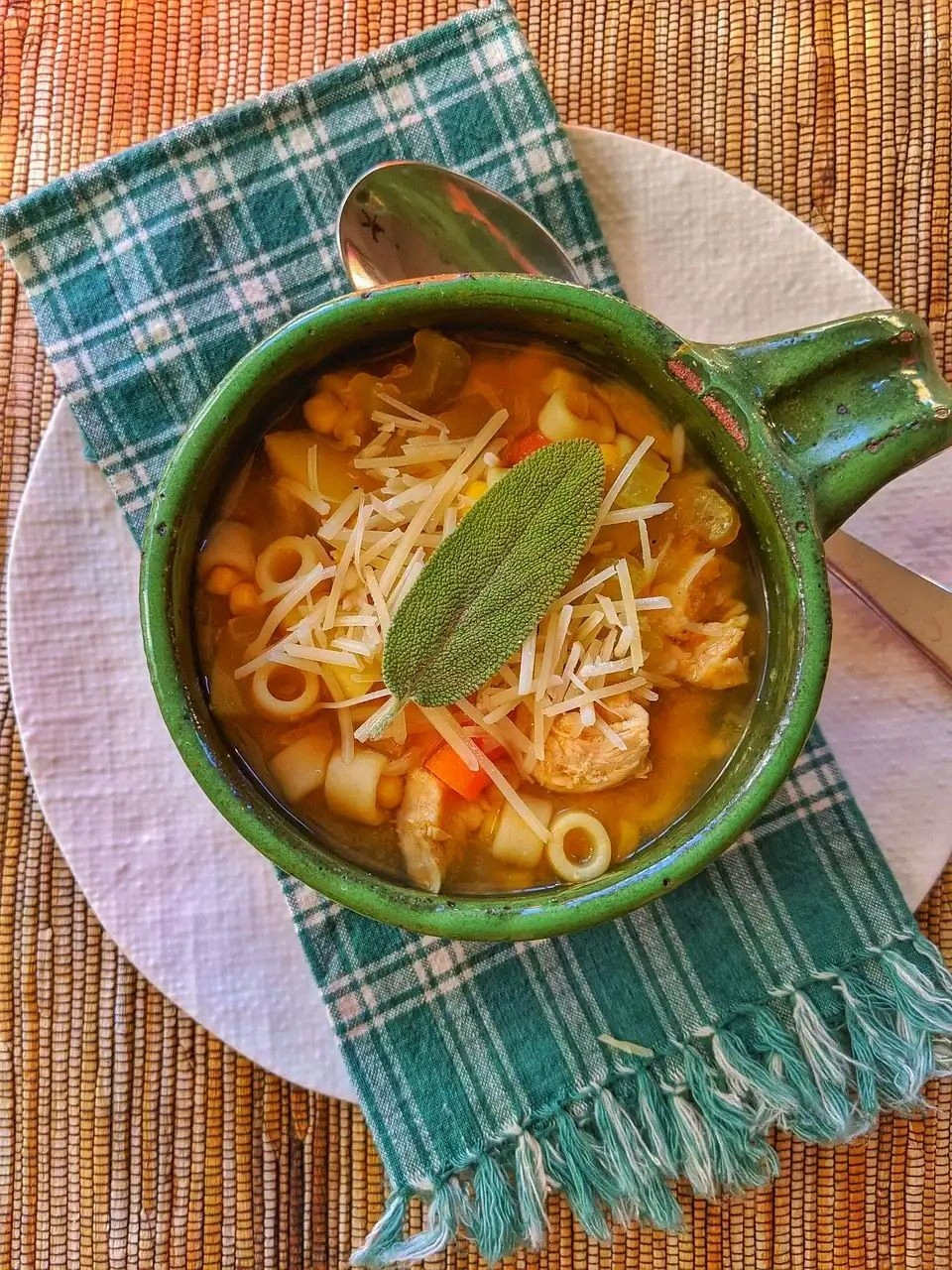
- Finish each bowl with a handful of fresh parsley, letting the bright green color and peppery aroma contrast against the warm broth. Serve immediately while hot, and watch the steam swirl like a comforting cloud.
That's it — you did it. But hold on, I've got a few more tricks that'll take this to another level…
Insider Tricks for Flawless Results
The Temperature Rule Nobody Follows
Keep the broth at a low simmer once the noodles are added. A high boil can overcook the noodles and make the soup cloudy. A gentle simmer preserves the broth’s clarity and keeps the noodles al dente.
Why Your Nose Knows Best
Smell the broth at each stage. If it smells too flat, add a splash of lemon juice or a pinch of white wine to brighten the flavor. The aroma is a reliable indicator of the soup’s overall balance.
The 5-Minute Rest That Changes Everything
After removing the pot from heat, let the soup sit covered for five minutes before serving. This resting period allows the flavors to meld and the noodles to absorb any remaining liquid, resulting in a richer taste.
The Secret of Fresh Herbs
If you’re using dried herbs, toast them briefly in a dry pan before adding them to the broth. This releases their oils and enhances their aroma, giving the soup a more vibrant taste.
The One‑Pot Wonder
Use a pot with a heavy bottom to prevent scorching. A well‑constructed pot distributes heat evenly, ensuring the soup cooks uniformly and the noodles don’t stick.
Creative Twists and Variations
This recipe is a playground. Here are some of my favorite ways to switch things up:
Asian‑Inspired Noodle Soup
Swap the egg noodles for soba or udon noodles. Add a splash of soy sauce, a pinch of sesame oil, and a handful of sliced green onions. Finish with a drizzle of sriracha for a subtle kick.
Creamy Mushroom Delight
Sauté sliced mushrooms with the onions before adding the broth. Stir in a splash of heavy cream or coconut milk, and season with thyme. The mushrooms give the soup a hearty, earthy depth.
Spicy Cajun Kick
Replace dried oregano with a pinch of Cajun seasoning. Add a diced jalapeño or a dash of hot sauce for heat. The spicy undertones pair wonderfully with the savory broth.
Vegetarian Version
Use vegetable broth and substitute the chicken with tofu cubes or chickpeas. Add a handful of spinach or kale in the last minute of cooking to add color and nutrients.
Low‑Carb Twist
Omit the noodles entirely or replace them with spiralized zucchini. The result is a light, low‑carb bowl that still delivers the comforting essence of chicken noodle soup.
Holiday Comfort
Add a spoonful of cranberry sauce or a handful of dried cranberries for a sweet‑savory twist. It’s a perfect pairing for Thanksgiving leftovers or a cozy winter night.
Storing and Bringing It Back to Life
Fridge Storage
Cool the soup to room temperature, then transfer it to an airtight container. Store in the refrigerator for up to three days. The flavors will deepen, but the noodles may soften slightly; a quick reheat will restore their texture.
Freezer Friendly
For longer storage, divide the soup into freezer‑safe portions. Freeze for up to three months. When ready, thaw overnight in the refrigerator or reheat directly from the freezer on low heat, stirring occasionally.
Best Reheating Method
Reheat the soup gently on the stove over low heat, adding a splash of water or broth if it appears too thick. Stir until heated through. This simple trick keeps the broth silky and the noodles from drying out.