Picture this: a midnight craving, a single pan, and the faint aroma of soy sauce drifting through the kitchen. I was staring at a half‑filled bag of frozen peas and a pound of ground chicken, wondering how to turn that humble pantry inventory into something that would make my taste buds dance. I tried a handful of recipes that promised “fried rice” but ended up with a soggy, bland mess that felt like a culinary crime scene. That night, I decided to take matters into my own hands and craft a version that would forever change how you think about this dish.
When I first tossed the chicken into the hot skillet, the sizzle was immediate—an audible promise that something delicious was about to happen. The golden brown edges of the onions crackled, and the faint scent of toasted garlic mingled with the savory undertones of soy sauce, creating a fragrance that made my stomach growl in anticipation. Every ingredient seemed to have a role: the rice as the base, the vegetables for color, the sesame oil for that nutty finish. I could almost taste the crunch of the carrots, the sweet pop of peas, and the subtle heat from the white pepper. I was already halfway to the finish line.
What I discovered is that this recipe is not just another bowl of fried rice; it’s a carefully orchestrated symphony where each component plays a distinct note. The key difference? A meticulous layering of flavors, a precise timing that keeps the rice fluffy, and a dash of sesame oil that transforms ordinary rice into a silky, glossy canvas. I dare you to taste this and not go back for seconds. That is the promise I make to you, because this is hands down the best version you'll ever make at home.
Let me walk you through every single step — by the end, you'll wonder how you ever made it any other way. From the first stir to the final garnish, each moment is designed to elevate the dish, and I’ll be right beside you, offering tips, tricks, and a few laughs along the way. Ready? Let’s dive into the details.
What Makes This Version Stand Out
- Taste: The combination of soy sauce and sesame oil creates a rich umami profile that coats the rice like velvet, while the white pepper adds a subtle, almost invisible heat that lifts the dish without overpowering.
- Texture: The rice stays fluffy and separate thanks to pre-cooked, chilled grains, and the quick sear of the vegetables preserves their crispness.
- Simplicity: With only twelve ingredients and a single pan, you can finish this meal in twenty minutes—perfect for a weekday dinner or a last-minute gathering.
- Uniqueness: The use of ground chicken instead of the usual shrimp or pork gives the dish a lean protein punch and a slightly different mouthfeel that sets it apart.
- Crowd Reaction: Friends who have tried this version swear it’s the most satisfying fried rice they’ve ever tasted, and many ask for the recipe after the first bite.
- Ingredient Quality: Choosing fresh, high‑quality ground chicken and using a good‑quality soy sauce ensures depth of flavor that can’t be replicated by generic brands.
- Cooking Method: A high‑heat, quick‑stir technique locks in moisture and prevents the rice from becoming mushy.
- Make‑Ahead Potential: Cooked rice can be prepared a day in advance, making this dish a breeze to assemble when time is tight.
Alright, let's break down exactly what goes into this masterpiece…
Inside the Ingredient List
The Flavor Base
At the heart of any great fried rice is the sauce that ties everything together. The soy sauce provides a deep, savory backbone, while the sesame oil adds a nutty aroma that elevates the dish to restaurant quality. If you’re watching sodium, opt for low‑sodium soy sauce and compensate with a splash of fish sauce or a pinch of salt. The white pepper, though small in quantity, injects a gentle heat that balances the sweetness of the carrots and the earthiness of the peas.
The Texture Crew
Ground chicken is the star protein, offering a lean yet juicy bite that contrasts beautifully with the crisp vegetables. Pre‑cooked rice is essential; using freshly cooked rice will result in a gummy texture. Keep the rice chilled overnight or in the fridge to keep the grains firm. The carrots, sliced into fine matchsticks, provide a satisfying crunch, while the peas add a burst of color and a subtle sweetness that cuts through the savory notes.
The Unexpected Star
The eggs are more than just filler; when scrambled in the pan, they create silky ribbons that bind the ingredients together, adding richness without heaviness. A pinch of white pepper in the eggs enhances their flavor profile, creating a harmonious blend that permeates every bite. If you’re vegan, replace the eggs with tofu or a chickpea flour batter for a comparable texture.
The Final Flourish
Green onions finish the dish with a fresh, sharp bite that cuts through the richness of the sauce and adds a pop of color. They also provide a layer of aroma that makes the dish feel fresh and alive. For an extra layer of flavor, sprinkle toasted sesame seeds on top before serving. If you’re looking for a sweet twist, a drizzle of honey or a sprinkle of brown sugar can balance the umami.
Everything's prepped? Good. Let's get into the real action…
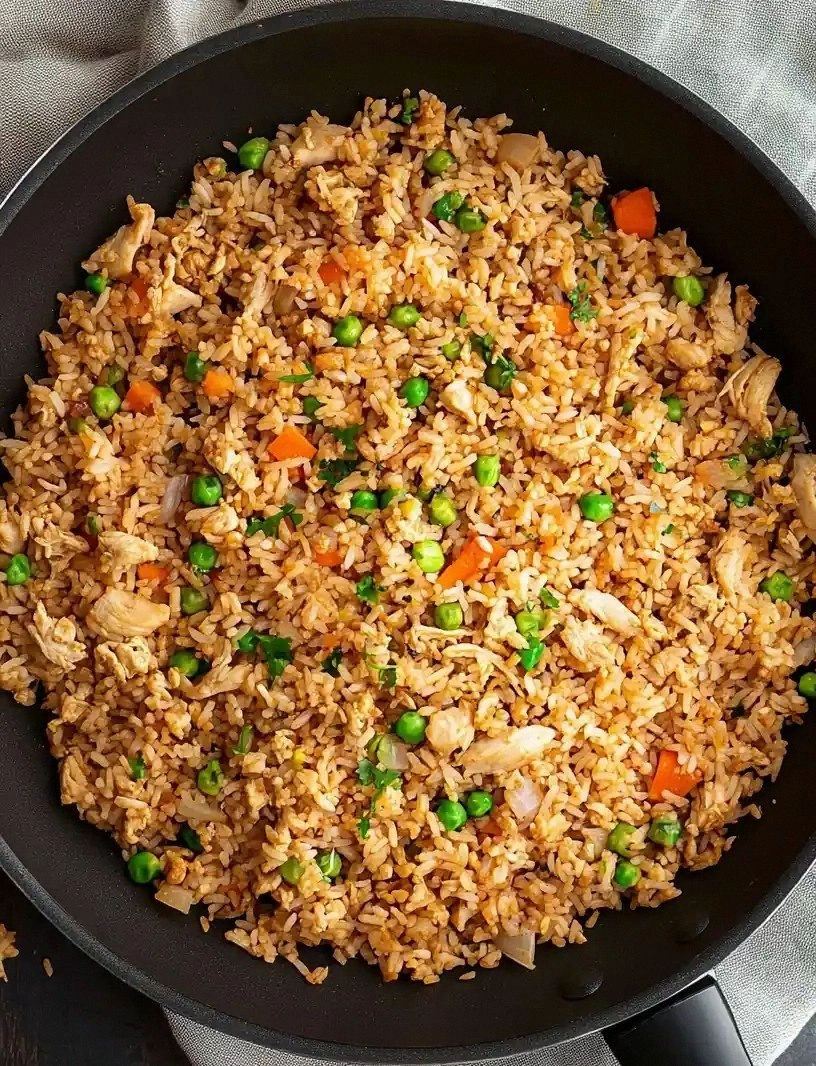
The Method — Step by Step
- Heat a large wok or skillet over high heat until it’s smoking. Add the vegetable oil, swirling to coat the surface. When the oil shimmers, drop in the ground chicken. Cook, breaking it apart with a spatula, until it’s browned and no longer pink—about 4 minutes. This is the moment of truth; the chicken’s juices should sizzle loudly, signaling that the protein is ready to lock in flavor.
- Transfer the cooked chicken to a plate, leaving the drippings in the pan. Add a splash of water or broth to deglaze, scraping up any browned bits. These fond bits are treasure troves of flavor that will enrich the sauce later.
- Add the diced onion and minced garlic to the pan. Stir-fry until the onions become translucent and the garlic releases its fragrant oils—about 2 minutes. The aroma at this stage should be intoxicating, a prelude to the dish’s final flavor profile.
- Add the carrots and peas to the wok, tossing them into the aromatic base. Cook for 3 minutes until the vegetables are tender but still crisp. The color of the peas should brighten, signaling that they’re perfectly cooked.
- Push the veggies to one side of the pan and crack the eggs into the empty space. Scramble them gently, allowing them to form soft curds. Once the eggs are almost set, mix them with the vegetables and chicken. This technique ensures the eggs are evenly distributed and prevents them from sticking to the pan.
- Add the pre‑cooked rice, breaking up any clumps with your spatula. Stir-fry for 2 minutes, letting the rice absorb the flavors of the sauce and the vegetables. The rice should start to develop a slight caramelization on the bottom—this is where the flavor gets its depth.
- Pour in the soy sauce, sesame oil, and white pepper. Toss everything together so the sauce coats every grain of rice. The mixture should smell toasty, with a hint of nutty aroma from the sesame oil. Taste and adjust seasoning if necessary.
- Finally, stir in the green onions, reserving a few slices for garnish. Let the rice cook for an additional minute to meld the flavors. The edges of the rice should pull away from the pan slightly, indicating that it’s ready to serve.
- Plate the fried rice while it’s still hot. Sprinkle the reserved green onions on top and, if desired, a few toasted sesame seeds for added crunch. Serve immediately, and watch as the steam rises, filling the kitchen with an irresistible aroma.
That's it — you did it. But hold on, I've got a few more tricks that'll take this to another level…
Insider Tricks for Flawless Results
The Temperature Rule Nobody Follows
High heat is your best friend. The pan must be hot before you add any ingredients; otherwise, the rice will steam instead of fry. I’ve seen even the best recipes fail because the wok wasn’t hot enough. Keep the heat on medium‑high after the initial sear to maintain a consistent sizzle throughout the cooking process.
Why Your Nose Knows Best
When you stir the rice, you’ll notice a subtle shift in aroma. That toasty scent is the key indicator that the rice has developed the right amount of caramelization. If the smell is flat, give it another minute; if it’s too smoky, lower the heat slightly.
The 5‑Minute Rest That Changes Everything
After removing the pan from heat, let the rice rest for five minutes before serving. This pause allows the steam to redistribute, making the grains even fluffier. Don’t rush to plate; the dish will be more cohesive and flavorful.
Eggs: The Secret Binding Agent
Scrambling the eggs in a separate space before mixing ensures they stay soft and silky. If you try to stir them directly into the pan with the vegetables, they’ll harden quickly and lose their delicate texture. A gentle scramble first, then a quick fold, is the winning strategy.
Seasoning on the Fly
Don’t wait until the end to taste. Season in small increments, tasting as you go. This approach prevents over‑salting and allows you to fine‑tune the balance of umami and sweetness.
Creative Twists and Variations
This recipe is a playground. Here are some of my favorite ways to switch things up:
Thai Coconut Chicken Fried Rice
Swap the soy sauce for fish sauce and add a splash of coconut milk to the pan. Finish with fresh cilantro and a squeeze of lime for a tropical twist that will transport your taste buds to a beachside market.
Spicy Szechuan Crunch
Introduce Szechuan peppercorns and a teaspoon of chili oil for heat. Toss in a handful of sliced bell peppers and a sprinkle of crushed peanuts for texture. This version delivers a bold, numbing heat that’s unforgettable.
Vegetarian Veggie‑Rich Edition
Replace the ground chicken with diced tofu or tempeh. Add extra veggies like bok choy, broccoli, or sliced mushrooms. The tofu absorbs the sauce beautifully, providing a protein‑rich, plant‑based alternative.
Mexican Fusion Fried Rice
Incorporate corn, black beans, and a dash of cumin. Finish with fresh cilantro and a squeeze of lime. The corn adds sweetness while the beans give a hearty bite, creating a cross‑cultural delight.
Herb‑Infused Garden Delight
Add a handful of fresh basil or mint during the final stir. The herbs infuse the rice with bright, aromatic notes that complement the savory base. A sprinkle of toasted pine nuts adds a nutty crunch.
Protein‑Packed Power Bowl
Top the finished fried rice with a fried egg, sliced avocado, and a drizzle of sriracha. The avocado provides creamy richness, while the egg adds a velvety finish that turns the dish into a complete meal.
Storing and Bringing It Back to Life
Fridge Storage
Cool the fried rice to room temperature before transferring it to an airtight container. Store in the refrigerator for up to 3 days. When you’re ready to eat, reheat in a skillet with a splash of water or broth for 2–3 minutes, stirring frequently to restore moisture.
Freezer Friendly
Pack the rice in a freezer‑safe container, leaving a little space for expansion. Freeze for up to 2 months. To thaw, let it sit at room temperature for 30 minutes, then reheat in a skillet as described above. Add a tiny splash of water to steam the rice back to perfection.
Best Reheating Method
Reheat over medium heat, adding a tablespoon of water or broth to create steam. This technique prevents the rice from drying out and preserves the fluffy texture. A quick stir after heating ensures the sauce is evenly distributed.