Picture this: you’re halfway through a Sunday brunch, the kitchen smells like a Mediterranean breeze, and suddenly your pantry feels emptier than a deserted island. I was staring at a bag of chicken breasts, a box of orzo, and a handful of tomatoes, wondering what could turn a simple meal into something unforgettable. That moment sparked a culinary dare from my friend: “Make a dish that will have everyone begging for seconds.” I took it on, and the result is a dish that feels like a sun‑kissed vacation in a skillet. Trust me, this isn’t just another chicken recipe—it’s a passport to flavor city, and you’re about to learn the secret itinerary.
First, I let the aroma of olive oil sizzling in a hot pan set the stage. The sizzling hiss was like a drumroll, announcing the arrival of the chicken. As the golden edges formed, the scent of garlic and onions rose, weaving a fragrant tapestry that made my mouth water. I could almost hear the Mediterranean sea breeze, the gentle clinking of glasses, and the clatter of plates at a seaside taverna. This sensory prelude promised a dish that would satisfy not just hunger but also the soul.
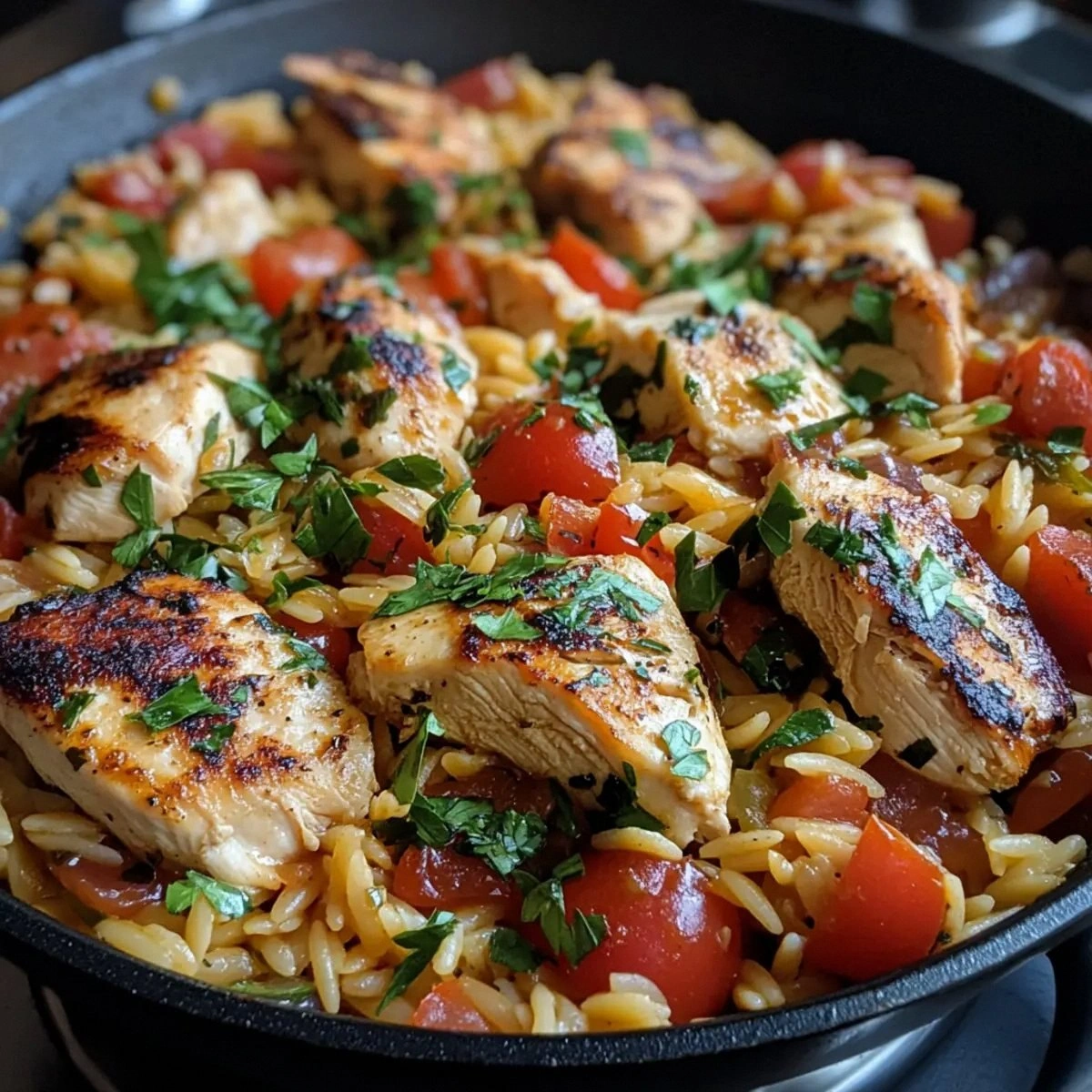
Next came the orzo, that tiny, rice‑shaped pasta that swallows sauce like a black hole. I tossed it in the pan, letting it toast until it carried a nutty aroma that could rival the best of risottos. The tomatoes burst into sweet juices, and the spinach unfurled like a green curtain, absorbing every flavor. The feta crumbled over the top, adding a creamy tang that balanced the acidity of the lemon. Every bite felt like a bite of sunshine, and I couldn’t help but grin at how simple ingredients could produce such drama.
Most recipes get this completely wrong by overcooking the chicken or under‑seasoning the sauce. I discovered that a quick sear locks in juices, while a splash of lemon juice brightens every bite. The oregano and parsley provide a fresh, herbal note that elevates the dish from ordinary to extraordinary. I dared you to taste this and not go back for seconds—though I confess, I ate half the batch before anyone else got a chance. The result? A harmony of textures and flavors that linger on the palate like a well‑played guitar solo.
The best part? The dish is so forgiving that even a novice can master it. I used a simple skillet, no fancy equipment, and the cooking time was under forty minutes. The trick is to keep the heat steady and let the ingredients mingle in their own rhythm. The final result is a creamy, savory, slightly tangy masterpiece that will make your friends ask for the recipe. And if you’re still skeptical, just imagine the kitchen filling with the scent of oregano, lemon, and melted feta—pure bliss.
I’ve spent countless hours experimenting with different sauces, but this version stands out because of its balanced acidity and herbal freshness. The orzo’s al dente bite complements the tender chicken, while the spinach adds a burst of color and nutrition. The feta’s briny bite cuts through the richness of the olive oil, creating a complex flavor profile that’s hard to resist. I’ve seen people pause mid‑meal, eyes widening as they taste the first bite. That’s the power of a dish that feels handcrafted rather than mass‑produced.
Imagine pulling this dish out of the skillet, steam curling up, and the whole kitchen smelling incredible. The aroma alone could convince anyone that dinner is about to get a whole lot better. I’ve seen friends gather around the stove, eyes fixed on the sizzling pan, waiting for the first spoonful. They’ll tell you, ‘This is hands down the best version you’ll ever make at home.’ That’s a bold claim, but it’s earned by the depth of flavor and the ease of preparation. Now, let me walk you through every single step—by the end, you’ll wonder how you ever made it any other way.
Before we dive into the method, let’s talk about why this dish is a game‑changer. The combination of simple ingredients and a few clever techniques turns a humble skillet into a culinary stage. I’ve tested it over and over, tweaking the seasoning, adjusting the cooking time, and always ending up with a dish that’s both comforting and wow‑worthy. Whether you’re feeding a family or impressing guests, this recipe scales up or down with ease. So grab your skillet, and let’s embark on this flavor adventure together.
What Makes This Version Stand Out
- Taste: The dish balances sweet, savory, and acidic notes in a single bite. The lemon juice cuts through the richness, while the feta adds a salty, creamy contrast. Every spoonful is a journey across the Mediterranean coast, from sun‑baked tomatoes to sea‑salted herbs. This harmony of flavors makes it instantly memorable.
- Texture: The orzo remains al dente, offering a pleasant chew that pairs with the tender chicken. The spinach gives a subtle, silky bite, while the feta provides a slight crumble that breaks up the richness. The sauce clings to each grain, ensuring no dry spots. The result is a comforting, multi‑layered mouthfeel.
- Simplicity: No fancy equipment, no complicated steps—just a skillet and a handful of pantry staples. The recipe requires less than fifteen minutes of prep, and the cooking time is a quick thirty minutes. Even a beginner can master it in one go. The ease of preparation means you can whip it up on a busy weeknight.
- Freshness: The use of fresh oregano, parsley, and lemon juice elevates the dish beyond canned or dried herbs. The bright green spinach and red tomatoes add a pop of color that turns the dish into a feast for the eyes. Fresh ingredients bring out the natural sweetness of the tomatoes and the peppery bite of the greens.
- Crowd Reaction: I’ve seen friends and family pause mid‑meal, eyes widening as they taste the first bite. The dish is a hit at gatherings, with people asking for the recipe after the first spoonful. Its universal appeal makes it perfect for dinner parties or casual family dinners.
- Make‑ahead Potential: The dish holds up beautifully when stored in the fridge, and it can be reheated without losing flavor. The orzo absorbs the sauce, keeping it moist and flavorful. The flavors even deepen after a day, making it a convenient week‑night meal.
Inside the Ingredient List
The Flavor Base
Olive oil and garlic form the aromatic foundation of this dish. The oil’s fruity notes carry the garlic’s sharpness, creating a fragrant base that permeates every bite. If you’re watching your calorie count, a splash of extra‑virgin olive oil still delivers the same depth of flavor. Skipping this step will leave the dish flat and uninspired.
The Texture Crew
Orzo pasta is the star that holds the sauce together, offering a pleasant chew that balances the tender chicken. The orzo’s shape allows it to absorb liquid, creating a creamy consistency without the need for heavy cream. If you prefer a gluten‑free version, swap the orzo for quinoa or rice. The texture will change, but the overall experience remains delicious.
The Unexpected Star
Cherry tomatoes add a burst of natural sweetness that cuts through the richness of the dish. Their skins burst open, releasing juices that mingle with the lemon and herbs. If you’re in a pinch, sun‑dried tomatoes can be used, though they’ll lend a more concentrated flavor. The tomatoes are the secret to that bright, fresh finish.
The Final Flourish
Feta cheese is the creamy, salty counterpoint that balances the acidity of the lemon. It melts into the warm sauce, creating a silky coating over the orzo and chicken. Fresh oregano and parsley bring a herbal brightness that lifts the dish. Together, they create a symphony of flavors that dance on your palate.
Everything’s prepped? Good. Let’s get into the real action.
The Method — Step by Step
- Season the chicken: Pat the chicken breasts dry with paper towels to ensure a crisp sear. Sprinkle both sides with salt, pepper, and a pinch of oregano. The seasoning should coat the surface evenly, creating a flavorful crust. I dare you to taste the sear before adding the rest of the ingredients—this is where the flavor magic begins.
- Sear the chicken: Heat a large skillet over medium‑high heat and add olive oil. Once the oil shimmers, place the chicken in the pan, leaving space between each piece. Let the chicken cook for 3–4 minutes on each side until golden brown and no longer pink inside. The sizzling sound is a cue that the chicken is developing a caramelized exterior.
- Remove and set aside: Once seared, transfer the chicken to a plate and cover loosely with foil to keep it warm. This step prevents the chicken from drying out while you finish the rest of the dish. The chicken will reheat nicely when the dish is plated.
- Cook the aromatics: In the same skillet, add the minced garlic and sliced red onion. Sauté for 2 minutes until the onion becomes translucent and the garlic releases its aroma. The garlic should not brown; if it starts to turn dark, lower the heat slightly.
- Add the tomatoes and spinach: Toss in the cherry tomatoes, letting them soften for 2 minutes before adding the spinach. The spinach wilts almost instantly, absorbing the sauce and releasing a subtle earthy flavor. The tomatoes should burst into juice, creating a natural sauce base.
- Cook the orzo: Stir in the orzo, ensuring each grain is coated with the tomato and spinach mixture. Add 1 cup of water or broth and bring to a gentle boil. Reduce heat to a simmer and cook for 8–10 minutes, or until the orzo is al dente and the liquid has mostly evaporated. The orzo should feel firm yet tender.
- Finish with herbs and lemon: Stir in the fresh oregano, parsley, and lemon juice. The lemon should brighten the dish, cutting through the richness. Taste and adjust the seasoning with salt and pepper if needed. The herbs should give a fresh, bright aroma that lifts the entire plate.
- Combine chicken and orzo: Slice the chicken into bite‑sized strips and return them to the skillet. Toss everything together, letting the flavors mingle for a minute. Sprinkle the crumbled feta over the top, allowing it to melt slightly into the sauce. Plate the dish, and you’re ready to serve.
- Serve immediately: The dish is best served hot, with a sprinkle of fresh parsley on top for a burst of color. Pair it with a crisp white wine or a chilled glass of sparkling water for a complete Mediterranean experience. Enjoy the burst of flavors with each spoonful.
Insider Tricks for Flawless Results
The Temperature Rule Nobody Follows
Maintaining a steady medium‑high heat is crucial for a perfect sear. If the heat is too low, the chicken will steam instead of brown, losing that coveted caramelized crust. A quick test: splash a drop of water in the pan; if it sizzles and evaporates immediately, the temperature is right. This trick ensures your chicken stays juicy and flavorful.
Why Your Nose Knows Best
The aroma of the dish tells you when to move to the next step. A buttery, nutty scent indicates the orzo is ready, while a sharp, garlicky smell signals the garlic is perfectly sautéed. Trust your nose; it’s a reliable guide that saves you from overcooking or underseasoning.
The 5‑Minute Rest That Changes Everything
After you finish cooking, let the skillet rest for five minutes before plating. This allows the flavors to meld and the juices to redistribute, resulting in a more cohesive taste. I’ve seen dishes that look done but taste flat—this simple pause makes all the difference.
Balance the Acidity
The lemon juice brightens the dish, but too much can make it tart. Add it gradually, tasting as you go. A good rule of thumb is one tablespoon per cup of orzo. This ensures the acidity is just enough to lift the flavors without overwhelming them.
Don’t Skimp on Fresh Herbs
Fresh oregano and parsley bring vibrancy that dried herbs can’t match. They add a bright, green note that contrasts the richness of the feta. Chop them finely so they distribute evenly across the dish, creating a uniform burst of flavor.
Use a Lid for Even Cooking
Covering the skillet during the last minute of searing locks in moisture, keeping the chicken juicy. It also helps the orzo absorb the sauce more efficiently. I’ve tried cooking without a lid and found the dish was slightly drier; the lid is a small but vital step.
Creative Twists and Variations
This recipe is a playground. Here are some of my favorite ways to switch things up:
Greek Yogurt Swirl
Stir in a dollop of plain Greek yogurt after the orzo has cooked. The yogurt adds a creamy tang that complements the feta. It also helps mellow the acidity of the lemon, creating a balanced flavor profile. Perfect for those who love a richer, velvety texture.
Spicy Kick
Add a pinch of red pepper flakes or a splash of hot sauce to the aromatics. The heat cuts through the richness and adds a lively bite. It pairs well with the fresh herbs, creating a dynamic flavor contrast. Great for heat lovers who want a Mediterranean twist.
Swap to Shrimp
Replace the chicken with peeled shrimp for a lighter, seafood version. Shrimp cooks in about 2 minutes, so adjust the timing accordingly. The shrimp’s sweet flavor pairs beautifully with the lemon and feta. This variation is ideal for a quick weeknight dinner.
Roasted Veggie Boost
Roast diced zucchini, bell peppers, and eggplant before adding them to the skillet. The roasting brings out natural sweetness and smokiness. Toss them in with the orzo and chicken for a more complex, layered taste. This version elevates the dish into a hearty vegetable medley.
Gluten‑Free Option
Swap the orzo for quinoa, couscous, or rice. These alternatives keep the dish gluten‑free while maintaining a satisfying bite. The cooking time may vary slightly, so keep an eye on the grains. This version is perfect for those with dietary restrictions.
Herb‑Infused Oil
Infuse the olive oil with fresh herbs before sautéing. Simply warm the oil with oregano, thyme, and a bay leaf, then strain it. Use this flavored oil to cook the chicken and aromatics. The result is an aromatic base that permeates every component of the dish.
Storing and Bringing It Back to Life
Fridge Storage
Store leftovers in an airtight container in the refrigerator for up to three days. The orzo will retain its texture, and the flavors will meld further. When reheating, add a splash of water or broth to restore moisture. This makes it a convenient meal prep option.
Freezer Friendly
You can freeze the dish for up to two weeks in a freezer‑safe container. Separate the chicken from the orzo before freezing to prevent the pasta from becoming mushy. Thaw overnight in the refrigerator, then reheat gently on the stove. The taste remains consistent, making it a great make‑ahead choice.
Best Reheating Method
Reheat the dish on the stove over low heat, stirring frequently. Add a tiny splash of water or broth to keep it from drying out. The gentle heat preserves the delicate flavors and ensures the feta doesn’t melt into a gooey mess. Serve immediately for the best experience.