Picture this: I’m standing in my tiny kitchen, the clock ticking louder than my nerves, and a sudden craving for something comforting yet sophisticated hits me like a rogue wave. I’ve tried the classic French onion soup, the caramelized onion tarts, even the onion-infused mashed potatoes, but nothing satisfied that deep, sweet-and-savory itch. I was desperate enough to raid the pantry, toss a handful of rice into the pot, and hope for a miracle. Spoiler alert: the miracle arrived, and it arrived in the form of a glossy, caramel‑kissed rice that sings with the same rich, buttery depth as a properly reduced onion broth.
The moment the first slice of onion hit the hot butter, the kitchen filled with a scent that could convince even the most stoic of roommates that I was conjuring something magical. The onions turned a deep amber, their edges curling like tiny, edible fireworks, while the rice soaked up the broth, turning each grain into a miniature vessel of flavor. I could hear the faint hiss of the pan, feel the buttery warmth radiating from the stove, and taste the faint hint of wine that lingered on my tongue—an orchestra of senses that made my heart race. I dared myself to taste it, and I’ll be honest — I ate half the batch before anyone else got a spoonful.
What makes this version a cut above the rest? Most recipes either drown the rice in a soggy mire or skim the onions too quickly, losing that caramelized sweetness that defines French onion cuisine. I discovered that the secret lies in a two‑stage caramelization process and a splash of dry white wine that lifts the whole dish, adding a subtle acidity that balances the natural sweetness of the onions. Most cooks skip the deglazing step, but trust me, that golden fond stuck to the pan is pure gold for flavor. And the final flourish? A whisper of fresh thyme and a dusting of Parmesan that melt into the rice like a silky veil.
Okay, ready for the game‑changer? I’m about to walk you through every single step — from selecting the perfect onion to the exact moment you should hear that satisfying “pop” when the rice hits the perfect texture. By the end, you’ll wonder how you ever made this side dish any other way. I dare you to taste this and not go back for seconds.
What Makes This Version Stand Out
- Deep Caramelization: The onions are cooked low and slow, developing a sweet, almost nutty flavor that rivals a classic French onion soup.
- Two‑Stage Cooking: First we caramelize the onions, then we toast the rice, ensuring every grain gets a toasted coat before the broth arrives.
- Wine Deglaze: A splash of dry white wine lifts the browned bits, adding acidity that brightens the dish and prevents heaviness.
- Balanced Texture: The rice remains fluffy, never mushy, while the onions stay tender with a hint of chew, creating a perfect mouthfeel.
- Simple Ingredients: No exotic spices or hard‑to‑find items—just pantry staples that anyone can grab on a weekday.
- Make‑Ahead Friendly: This side stores beautifully, and a quick reheating revives it as if it’s fresh from the pan.
- Versatile Crowd‑Pleaser: Whether you serve it beside a steak, a roasted chicken, or a vegetarian main, it steals the spotlight.
- Fragrant Finish: Fresh thyme and a sprinkle of Parmesan add an aromatic lift that makes the aroma linger long after the plate is cleared.
Inside the Ingredient List
The Flavor Base
First up, the onions. I use two large yellow onions, thinly sliced, because their natural sugars caramelize beautifully without the need for added sweeteners. If you substitute red onions, expect a sharper bite and a slightly pink hue that can change the visual appeal. The butter and olive oil combo creates a rich, nutty foundation; butter adds depth while olive oil raises the smoke point, preventing scorching. Should you be dairy‑free, swap the butter for a generous dollop of ghee or a plant‑based butter that melts similarly.
The Texture Crew
The rice itself is the hero of the dish. Long‑grain basmati or jasmine works best because each grain stays separate, absorbing the broth without turning gummy. If you’re in a pinch, short‑grain rice can be used, but you’ll need to watch the cooking time closely to avoid a mushy texture. The chicken broth provides savory depth; low‑sodium versions let you control the salt level, ensuring the final dish isn’t overly salty. For a vegetarian twist, substitute with vegetable broth and add a splash of soy sauce for umami.
The Unexpected Star
Dry white wine is the secret weapon that most recipes overlook. It deglazes the pan, loosening the caramelized onion bits (fond) and incorporating them into the liquid, which adds a subtle acidity that cuts through the richness. If you don’t drink alcohol, use an equal amount of apple cider vinegar diluted with water (½ cup wine, ½ cup water) to mimic the bright tang.
The Final Flourish
Fresh thyme and a sprinkle of grated Parmesan finish the dish with herbaceous aroma and a creamy, salty kiss. Thyme’s piney notes complement the sweet onions, while Parmesan adds umami that deepens the overall flavor profile. If you’re avoiding dairy, a nutritional yeast topping can provide a similar cheesy note without the dairy.
Everything's prepped? Good. Let's get into the real action…
The Method — Step by Step
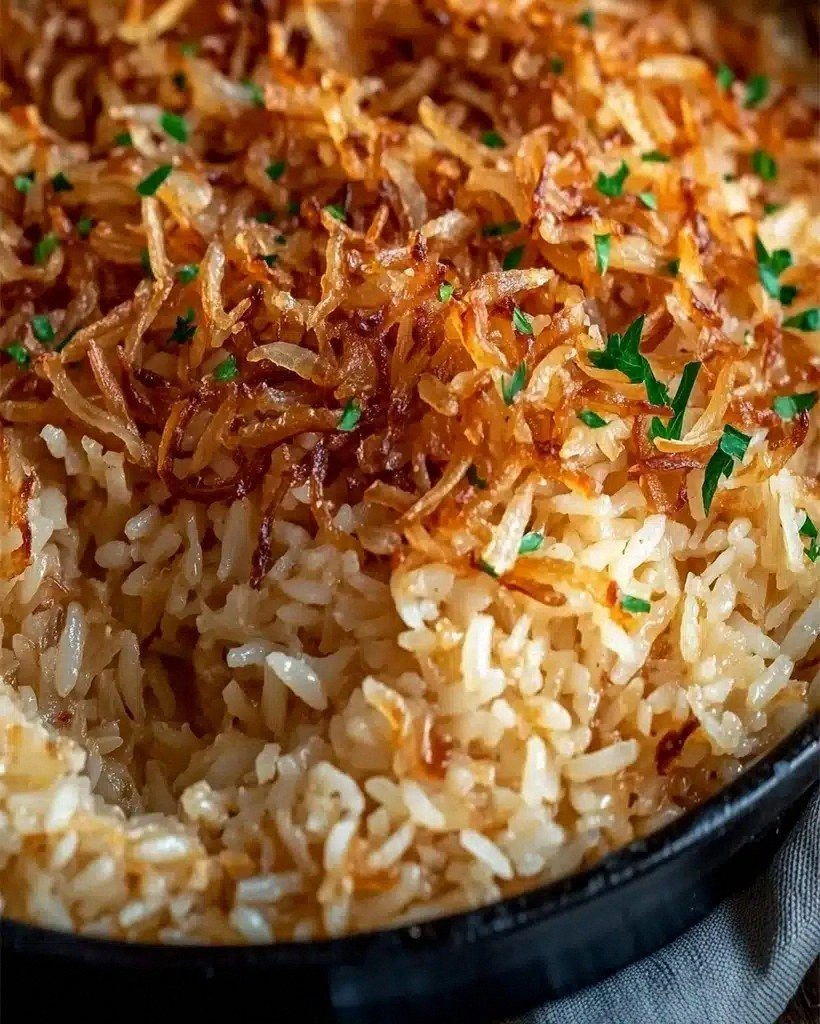
Heat a large, heavy‑bottomed skillet over medium heat and add the butter and olive oil. Once the butter melts and starts to foam, drop in the sliced onions, spreading them evenly. Cook them low and slow, stirring occasionally, for about 15‑20 minutes until they turn a deep, caramel brown. You’ll hear a gentle sizzle that’s music to any foodie’s ears, and the kitchen will fill with that sweet, earthy aroma that makes you think of autumn markets. This is the moment of truth—don’t rush it, or you’ll end up with burnt onions instead of caramelized bliss.
When the onions have achieved that perfect amber hue, push them to the edges of the pan and add the rice to the center. Let the rice toast for 2‑3 minutes, stirring constantly so each grain gets a light, buttery coating. You’ll notice the rice turning a faint golden color and releasing a nutty scent; that’s the toasted flavor foundation we’re after. If the pan looks dry, add a splash more olive oil to keep the rice from sticking.
Now comes the deglazing step: pour in the dry white wine, letting it sizzle and bubble as it lifts the browned bits from the bottom. Scrape the fond with a wooden spatula, coaxing every caramelized morsel into the liquid. Let the wine reduce by half, which should take about 2‑3 minutes; you’ll notice the aroma shifting from sharp to mellow, a sign that the alcohol is evaporating and leaving behind a sweet, complex flavor.
Once the wine has reduced, pour in the chicken broth, followed by the dried thyme. Stir everything together, ensuring the rice is evenly submerged. Turn the heat down to a gentle simmer and cover the pan with a tight‑fitting lid. Let it cook for 15‑18 minutes, resisting the urge to peek too often—steam is the secret ally that cooks the rice evenly.
After the rice has absorbed most of the broth, remove the lid and give the mixture a gentle stir. At this point, the rice should be tender yet still have a slight bite—what chefs call “al dente.” If the rice feels a touch firm, drizzle in a tablespoon of water or extra broth and let it steam for another minute. Taste and adjust the seasoning with salt and freshly ground black pepper; remember, the broth already contains salt, so be cautious.
Turn off the heat and let the rice rest, covered, for 5 minutes. This resting period lets the steam finish cooking the grains and allows the flavors to meld. While it rests, the aroma will intensify, making your kitchen smell like a French bistro on a rainy evening. After the rest, fluff the rice with a fork, mixing in the chopped fresh parsley for a pop of color and freshness.
Serve the French onion rice hot, either as a standalone side or as a base for grilled meats, roasted vegetables, or a poached egg. Picture yourself pulling this out of the skillet, the whole kitchen smelling incredible, and your guests leaning in for that first spoonful. This is hands down the best version you’ll ever make at home, and I guarantee you’ll be back for seconds.
That's it — you did it. But hold on, I've got a few more tricks that'll take this to another level...
Insider Tricks for Flawless Results
The Temperature Rule Nobody Follows
Most home cooks start the onions on high heat, which scorches them before they can caramelize. The secret is to keep the flame at medium‑low and be patient. The low, steady heat allows the natural sugars to break down slowly, creating that deep amber color without bitterness. I once tried cranking the heat up to speed things along, and the result was a burnt, acrid mess that no amount of seasoning could fix. Trust the process, and the flavor payoff will be worth every minute.
Why Your Nose Knows Best
Never underestimate the power of scent as a cooking gauge. When the onions start to release that sweet, nutty perfume, you know they’re on the right track. If you smell a sharp, almost metallic odor, the heat is too high and you’re on the brink of burning. I always keep a mental note of the “onion perfume” stage; it’s the cue to move on to the rice toasting step.
The 5‑Minute Rest That Changes Everything
After the rice finishes cooking, let it sit covered for five minutes. This short rest lets the steam finish the job, ensuring each grain is perfectly tender. Skipping this step often leaves the rice a bit dry in the center and overly wet at the edges. I’ve seen novice cooks serve immediately and wonder why the texture feels uneven—resting solves that problem instantly.
Seasoning at the End, Not the Beginning
Adding salt too early can draw moisture out of the onions, leading to steaming rather than caramelizing. I wait until the broth is mostly absorbed before adjusting the final salt level. This technique preserves the sweetness of the onions and prevents the dish from becoming overly salty. A pinch of sea salt added at the end lifts the flavors without drowning them.
Parmesan Timing Matters
Stirring Parmesan in at the very end, after the heat is off, ensures it melts gently without clumping. If you add it too early, the cheese can seize and create a grainy texture. I love the silky, glossy finish it gives when it’s incorporated just before fluffing the rice.
Creative Twists and Variations
This recipe is a playground. Here are some of my favorite ways to switch things up:
Cheesy Mushroom Fusion
Swap half the rice for sliced cremini mushrooms and add a handful of shredded Gruyère. The earthy mushrooms amplify the umami, while Gruyère adds a nutty melt that complements the onions beautifully. Perfect for a cozy fall dinner.
Spicy Cajun Kick
Stir in a teaspoon of Cajun seasoning along with the thyme, and finish with a dash of hot sauce. The heat cuts through the sweetness, creating a bold contrast that pairs well with grilled shrimp or blackened chicken.
Herb Garden Medley
Replace thyme with a mix of fresh rosemary, sage, and a pinch of oregano. The herbal bouquet adds a Mediterranean flair, making the dish an excellent side for lamb or roasted vegetables.
Vegan Delight
Use vegetable broth, dairy‑free butter, and nutritional yeast instead of Parmesan. The result is just as creamy and satisfying, and the nutritional yeast adds a cheesy note without any animal products.
Rice‑Free Cauliflower Version
Grate a head of cauliflower into rice‑sized pieces and follow the same steps, reducing the cooking time to 8‑10 minutes. This low‑carb alternative keeps the caramelized onion flavor while lightening the dish.
Sweet‑And‑Savory Twist
Finish the dish with a drizzle of balsamic reduction and a scattering of toasted pine nuts. The sweet tang of balsamic pairs with the caramelized onions, while pine nuts add a buttery crunch.
Storing and Bringing It Back to Life
Fridge Storage
Transfer the cooled rice to an airtight container and store it in the refrigerator for up to three days. A thin layer of parchment paper on top helps prevent moisture buildup. When reheating, add a splash of broth or water and cover loosely to retain steam.
Freezer Friendly
Portion the rice into freezer‑safe bags, removing as much air as possible, and freeze for up to two months. To thaw, place the bag in the refrigerator overnight, then reheat in a skillet with a splash of broth, stirring until heated through.
Best Reheating Method
For the ultimate revival, reheat the rice in a skillet over medium heat, adding a tablespoon of water per cup of rice. Cover the pan for two minutes to steam the grains, then uncover and stir to restore that fluffy texture. The added moisture brings the dish back to its original glory, as if it just left the stove.