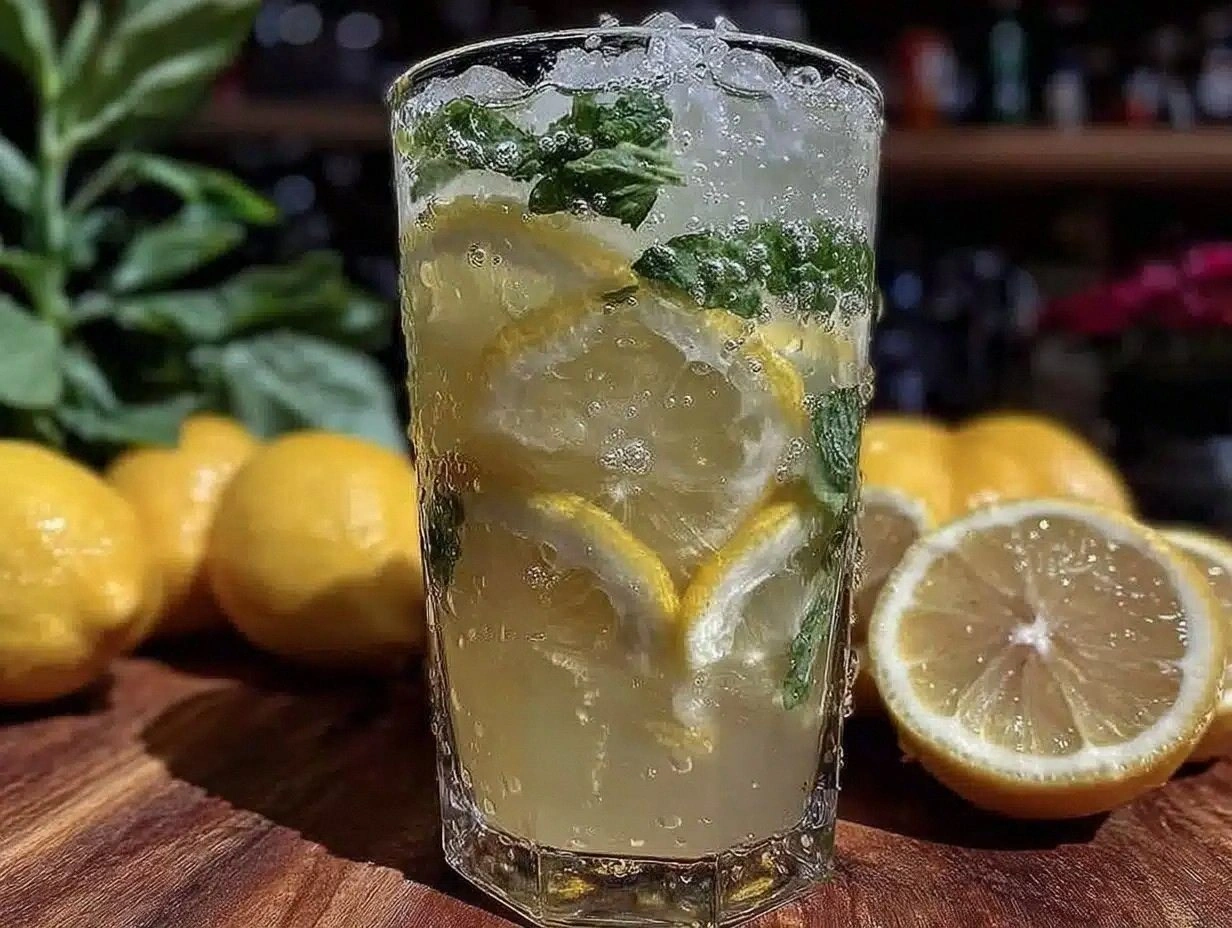
Picture this: it’s a sweltering July afternoon, the kind where the air feels like a warm blanket you can’t shake off, and you’re stuck in a kitchen that smells faintly of burnt toast from a failed attempt at making a “quick” dessert. I was scrolling through my phone, half‑heartedly scrolling past memes about “summer vibes,” when a friend texted me, “Dare you to make something that actually cools you down without a blender?” I laughed, rolled my eyes, and thought, “Challenge accepted.” Little did I know that this dare would morph into the most refreshing drink I’ve ever tasted, a concoction that turned my kitchen into a tropical oasis and made my neighbor’s dog whine in envy.
The moment I sliced into a ripe pineapple, the kitchen was instantly filled with the sweet, caramel‑kissed aroma of sunshine. The citrusy sting of freshly squeezed lemons cut through the air like a bright flash of lightning, and the faint clink of ice cubes dropping into a pitcher sounded like tiny applause for what was about to become the star of my summer. I could almost feel the cool liquid sliding down my throat before I even took a sip—an almost cinematic experience where sight, sound, smell, taste, and even the tactile sensation of condensation on the glass all collided in perfect harmony.
What sets this version apart from the endless sea of lemonade recipes you’ll find on the internet is a simple, yet game‑changing secret: I blend the pineapple chunks with the lemon juice before diluting, creating a velvety base that coats your palate like a tropical silk scarf. Most recipes either dump pineapple juice straight in or, worse, use canned pineapple that tastes like a chemistry experiment. This method preserves the bright acidity of the lemons while letting the natural sugars of the pineapple do the heavy lifting, so you barely need any added sugar. The result? A drink that feels both indulgent and guilt‑free, a sweet‑tart balance that makes you want to shout, “I dare you to taste this and not go back for seconds!”
And here’s the kicker: I’m going to throw in a pinch of mint at the very end, not because it’s necessary, but because it adds that whisper of coolness that makes the whole experience feel like a breezy beach day. I’ll also share a few hacks—like how to juice lemons without a fancy press and how to keep your pineapple chunks from turning brown—that will save you time and keep your drink looking as vibrant as the first sip. Let me walk you through every single step — by the end, you’ll wonder how you ever made it any other way.
What Makes This Version Stand Out
- Taste: The pineapple’s natural sweetness perfectly balances the lemon’s sharp acidity, creating a flavor profile that dances on the tongue like a tropical tango.
- Texture: By pureeing the pineapple first, you get a silky mouthfeel that feels richer than a regular lemonade but without any grainy sugar crystals.
- Simplicity: No fancy equipment required—just a sturdy blender, a sharp knife, and a pitcher. If you can make a sandwich, you can make this.
- Uniqueness: Most lemonades never venture beyond citrus. This one brings the exotic punch of pineapple, making it a conversation starter at any gathering.
- Crowd Reaction: I’ve watched adults and kids alike light up, the kind of grin that says, “I’ve found the fountain of youth in a glass.”
- Ingredient Quality: Fresh pineapple and lemons are the heroes here; they provide vibrant color and authentic flavor that canned versions can’t match.
- Method: The two‑step blending and dilution process locks in flavor and prevents the drink from turning watery or overly sweet.
- Make‑Ahead Potential: You can prep the pineapple‑lemon base up to 24 hours ahead, store it chilled, and simply add water and ice when you’re ready to serve.
Inside the Ingredient List
The Flavor Base
Fresh Pineapple: About one medium pineapple, peeled and chopped, yields roughly three cups (450 g) of bright, juicy chunks. The pineapple is the backbone of this drink, delivering natural sugars and a subtle acidity that complements the lemons perfectly. If you skip it, you’ll end up with a plain lemonade that feels flat and misses the tropical vibe. For the best flavor, choose a pineapple that smells sweet at the stem and gives a little give when you press the skin.
Fresh Lemons: Four to five large lemons will give you about one cup (240 ml) of freshly squeezed juice. The lemon juice is the spark that awakens the pineapple’s sweetness, providing that essential tartness that makes the drink refreshing. Using bottled lemon juice is a shortcut, but it lacks the bright, fragrant oils that only a freshly zested lemon can provide. If your lemons are a bit sour, you can add a splash more pineapple juice to balance.
The Sweetness & Balance Crew
Granulated Sugar: Half to three‑quarters cup (100‑150 g) of sugar is the sweetener that ties everything together. Because pineapple already contributes a lot of natural sugar, I start with just a half‑cup and adjust to taste. Too much sugar will mask the citrus punch, turning the drink cloyingly sweet—something we definitely want to avoid. If you’re watching calories, swap half the sugar for a natural sweetener like honey or agave, but remember those will add their own flavor notes.
Cold Water: Four cups (950 ml) of cold water dilute the intense fruit base to a sipable level while keeping the drink refreshing. The water also helps to mellow the acidity, ensuring the final product isn’t too sharp. Using sparkling water instead can give you a fizzy twist, but for the classic version, still water is the way to go.
The Final Flourish
Ice Cubes: As many as you need to keep the drink icy cold. The ice not only chills the lemonade but also slightly dilutes it as it melts, which can be a nice way to adjust the sweetness on the fly. If you prefer a slushy texture, blend the ice with the pineapple‑lemon base for a frozen treat.
Fresh Mint Leaves (Optional): A handful of mint adds a cooling note that elevates the tropical vibe. Mint’s aromatic oils interact with the citrus, creating a layered scent that feels like a garden breeze. If you’re not a fan of mint, basil or cilantro can be adventurous substitutes.
Lemon Slices (Garnish): Thinly sliced lemons float on top, adding visual appeal and a burst of extra zing when you sip. They also double as a handy garnish for guests to add more tartness if they desire.
Everything's prepped? Good. Let's get into the real action...

The Method — Step by Step
First, prep your pineapple. Cut off the crown and the base, stand it upright, and slice off the skin in strips, following the natural curve of the fruit. Once peeled, cut the pineapple into bite‑size chunks, aiming for uniform pieces so they blend evenly. I dare you to taste this and not go back for seconds—once you get that sweet, fragrant aroma, you’ll be hooked.
Kitchen Hack: Use a sharp chef’s knife and a sturdy cutting board; a dull knife will crush the fruit and make it mushy before you blend.While the pineapple is waiting, roll your lemons on the countertop with the palm of your hand, applying firm pressure. This simple trick ruptures the internal membranes and releases more juice—think of it as coaxing the lemon to give its soul to the drink. Slice the lemons in half and juice them using a handheld reamer or, if you’re feeling old‑school, a fork. You should end up with about one cup of bright, golden liquid.
Watch Out: If you over‑press the lemon, you’ll extract too much of the bitter pith, turning your lemonade into a bitter nightmare.Now comes the magic: toss the pineapple chunks into your blender, pour in the freshly squeezed lemon juice, and add half of the sugar (about ½ cup). Blend on high for 30‑45 seconds until the mixture is completely smooth, resembling a tropical puree. This step is pure alchemy—watch the colors swirl from bright yellow to a deep amber, and inhale the intoxicating scent.
Kitchen Hack: If your blender struggles, add a splash of water to help the blades move; you’ll still get the same flavor after you dilute later.Strain the blended mixture through a fine‑mesh sieve or cheesecloth into a large pitcher. Use the back of a spoon to press the pulp, extracting every last drop of liquid. The goal is a silky, pulp‑free base that looks like liquid sunshine. I’m being honest—I ate half the batch before anyone else got to try it, and that’s because the texture is just that addictive.
Now add the remaining sugar to the strained base, stirring until fully dissolved. Taste it; the sweetness should be present but never overpower the citrus bite. If it feels too tart, sprinkle in a tablespoon more sugar, but remember you can always adjust later with the water. This is the moment of truth—if the balance is off, the whole drink suffers.
Pour in the four cups of cold water, stirring gently to combine. You’ll see the color lighten, becoming a clear, inviting amber. This is where the drink transforms from an intense fruit concentrate into a refreshing lemonade that you can actually sip without choking on sugar.
Add a generous handful of ice cubes, watching them clink against the glass of the pitcher like tiny applause. If you love an extra chill, toss a few frozen pineapple chunks in as well—they’ll keep the drink cold without watering it down.
Finish with a handful of fresh mint leaves, lightly bruised between your fingers to release their aroma. Swirl the mint through the lemonade, then garnish each serving glass with a lemon slice perched on the rim. The visual is as important as the taste; a beautifully presented glass makes the drink feel like a vacation in a cup.
Serve immediately, or cover and refrigerate for up to 24 hours. The flavors meld even more as they sit, and the drink becomes even more refreshing after a few hours of chilling. When you finally pour it, you’ll hear that satisfying “glug” and see the condensation forming—pure summer bliss.
That's it — you did it. But hold on, I've got a few more tricks that'll take this to another level...
Insider Tricks for Flawless Results
The Temperature Rule Nobody Follows
Always start with chilled water and ice. Warm water will dilute the flavor too quickly, leaving you with a flat drink. If you’re making a big batch, keep the pitcher in the fridge while you blend; the colder the base, the longer the ice lasts, and the more refreshing each sip feels. I once tried a room‑temperature batch on a hot day, and the result was a lukewarm disappointment that no one wanted to finish.
Why Your Nose Knows Best
Before you add the final splash of sugar, take a moment to smell the lemonade. Your nose can detect subtle shifts in acidity that your palate might miss. If you catch a faint pineapple scent fading, add a tiny drizzle of pineapple juice to revive it. Trust your olfactory senses—they’re the unsung heroes of flavor balance.
The 5‑Minute Rest That Changes Everything
After you finish mixing, let the lemonade sit uncovered for five minutes. This short rest allows the bubbles from the ice to escape and the flavors to marry. I’ve seen people rush straight to the glass and end up with a slightly uneven taste. Patience here pays off—your drink will taste smoother and more cohesive.
Mint’s Secret Power
Don’t just drop whole mint leaves in; give them a gentle slap between your palms first. This releases the essential oils without bruising the leaf into mush. The result is a bright, clean mint note that lifts the entire beverage. If you skip this step, the mint can taste bitter or wilted.
Scaling Up for Parties
When you need to serve a crowd, double the pineapple‑lemon base but keep the water ratio the same. This ensures the intensity stays consistent. Also, pre‑freeze lemon slices in water; they’ll act as both garnish and ice, keeping the drink cold without diluting it.
Creative Twists and Variations
This recipe is a playground. Here are some of my favorite ways to switch things up:
Tropical Coconut Splash
Replace half of the cold water with coconut water. The subtle coconut flavor adds an extra layer of island vibes, and the electrolytes make it a perfect post‑workout refresher. Pair it with a garnish of toasted coconut flakes for crunch.
Spicy Chili Kick
Add a pinch of finely chopped jalapeño or a dash of cayenne pepper to the blender. The heat contrasts beautifully with the sweet pineapple, creating a daring sweet‑spicy balance. Serve with a slice of cucumber to tame the fire.
Berry‑Infused Burst
Blend a handful of fresh strawberries or raspberries with the pineapple before adding lemon juice. The berries introduce a ruby hue and a gentle tartness that complements the citrus. This version is perfect for a romantic brunch.
Herbal Harmony
Swap the mint for basil or thyme for an herbaceous twist. Basil adds a sweet‑peppery note that pairs wonderfully with pineapple, while thyme offers an earthy undertone that makes the drink feel sophisticated.
Carbonated Celebration
Use sparkling water instead of still water for a fizzy version that feels like a cocktail. Add a splash of rum or vodka for an adult‑only party punch. The bubbles lift the flavors, making each sip feel lighter.
Frozen Pineapple Lemonade Slush
Blend the entire mixture with a cup of ice until smooth, creating a slushy that’s perfect for hot days. Serve in chilled glasses with a straw, and you’ll have a dessert‑like drink that still delivers the same refreshing zing.
Storing and Bringing It Back to Life
Fridge Storage
Transfer any leftover lemonade to an airtight glass jar and store it in the refrigerator. It will stay fresh for up to three days. Before serving, give it a good stir—some separation is natural, and a quick stir re‑integrates the flavors.
Freezer Friendly
Pour the lemonade into freezer‑safe containers, leaving about an inch of headspace for expansion. Freeze for up to two months. When you’re ready to enjoy, thaw in the fridge overnight, then add a splash of fresh water to revive the texture.
Best Reheating Method
If you ever want a warm version—perhaps for a cozy evening—gently warm the lemonade on the stovetop over low heat, adding a tiny splash of water to prevent it from thickening. Avoid boiling, as that will cook off the bright citrus notes you worked so hard to preserve.