Ever had one of those kitchen moments where you stare at a half‑finished stir‑fry, wonder if you’ve just invented a new form of edible disappointment, and then a sudden burst of tropical craving hits you like a wave? I was in that exact spot last Thursday, juggling a wilted bag of frozen peas and a stubborn can of pineapple that looked like it had survived a hurricane. The smoke alarm flirted with me, the rice was a sad, clumped mess, and I swore I’d never attempt a “fancy” Asian dish again. I dared my roommate to a taste‑test, and she laughed, saying, “If you can make this work, I’ll never question your culinary genius again.” That was the spark that ignited this recipe, and let me tell you, it turned into a full‑blown culinary love affair.
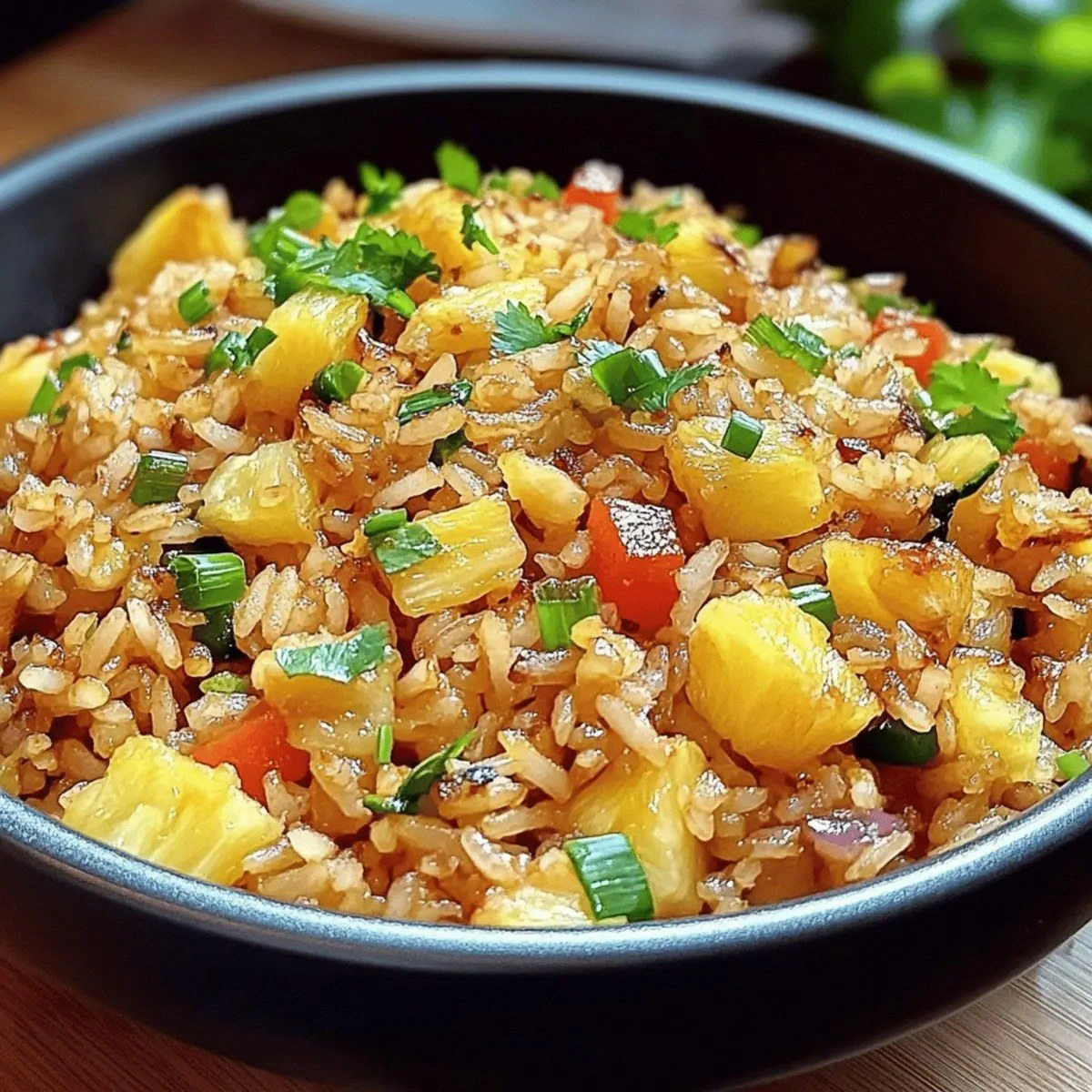
Picture the scene: the sizzle of hot oil hitting the pan, the sweet perfume of fresh pineapple mingling with the earthy aroma of soy sauce, and the bright pop of bell peppers like fireworks in a midnight sky. My kitchen filled with a chorus of sounds—clattering knives, the rhythmic thump of a wooden spoon, and the occasional gasp from my roommate as the first whiff hit her nostrils. The texture? Imagine each grain of jasmine rice coated in a glossy, buttery sheen, each bite delivering a perfect balance of sweet, salty, and umami, punctuated by crunchy carrots and peas that snap like fresh green fireworks. The heat, the scent, the color—it was a sensory overload that made my heart race faster than a drum solo.
Now, why does this version of Hawaiian Pineapple Fried Rice stand out from the sea of “quick weeknight” recipes you see online? Most recipes either drown the dish in soy sauce, forget the essential step of day‑old rice, or skip the crucial finishing touch of toasted sesame oil that gives that unmistakable aroma. I’ve taken the time to perfect every single element: from using perfectly cooked jasmine rice that’s been chilled overnight, to caramelizing the pineapple just enough to bring out its natural sugars without turning it mushy. The secret? A splash of coconut milk at the end that adds a whisper of island breeze to every spoonful, a move most chefs overlook but that makes this dish sing.
And here’s the kicker: I’m about to reveal a technique that most home cooks completely ignore—using a high‑heat wok and a “dry‑fry” step that gives the rice those coveted, slightly crispy edges that shatter like thin ice under your fork. It’s the difference between a soggy, sad side dish and a restaurant‑quality masterpiece that will have everyone asking for seconds. I dare you to taste this and not go back for seconds. Let me walk you through every single step — by the end, you’ll wonder how you ever made it any other way.
What Makes This Version Stand Out
- Flavor Explosion: The combination of sweet pineapple, savory soy, and nutty sesame creates a layered taste that evolves with each bite, keeping your palate engaged.
- Texture Symphony: Crispy rice edges, crunchy veggies, and juicy pineapple chunks provide a delightful contrast that makes every mouthful interesting.
- Simplicity Meets Sophistication: Despite the complex flavor profile, the ingredient list is short, and the steps are straightforward enough for a busy weekday.
- Ingredient Quality: Using fresh, ripe pineapple and high‑quality jasmine rice elevates the dish from “just okay” to “hands down the best version you’ll ever make at home.”
- Crowd‑Pleaser Factor: The bright colors and tropical aroma make it a show‑stopper at potlucks, and the optional cilantro adds a fresh finish that everyone loves.
- Cooking Method Magic: The high‑heat dry‑fry technique locks in flavor and prevents sogginess, a mistake most recipes make.
- Make‑Ahead Potential: Cook the rice a day ahead, store the chopped veggies, and you’ll have a near‑instant dinner that still tastes fresh.
- Versatility: Easily adaptable for vegetarians (omit oyster sauce) or protein lovers (add shrimp, chicken, or tofu).
Inside the Ingredient List
The Flavor Base
First up, the soy sauce and sesame oil. Soy sauce is the salty backbone, delivering that deep umami that makes fried rice feel authentic. If you skimp on it, the dish feels flat, like a story missing its climax. Sesame oil, on the other hand, is the aromatic whisper that makes you think of distant islands—just a tablespoon, but it coats every grain like a silky veil. For a gluten‑free twist, swap soy sauce for tamari; the flavor remains robust, and you avoid any hidden wheat.
The Texture Crew
Carrots, peas, and bell peppers are the colorful trio that give this dish its crunch and visual appeal. Carrots, sliced thin, retain a slight bite while adding natural sweetness. Peas pop with a buttery note, and the red and yellow bell peppers bring a crisp freshness that balances the pineapple’s acidity. If you’re out of fresh peas, frozen work just fine—just thaw them first to avoid excess water.
The Unexpected Star
The pineapple is the hero, the reason this dish earns its “Hawaiian” moniker. Fresh pineapple provides a bright, caramelized sweetness that contrasts the salty sauces. A medium fruit yields about two cups of diced pineapple, enough to distribute that tropical zing throughout. If you’re in a pinch, canned pineapple in juice (drained well) can substitute, but the fresh version adds a texture that canned simply can’t match.
The Final Flourish
Fresh ginger, garlic, and green onions are the aromatic trio that turn a simple stir‑fry into a fragrant masterpiece. Ginger adds a peppery warmth that cuts through the sweetness, while garlic offers that familiar depth every Asian dish craves. Green onions, added at the end, provide a fresh, slightly oniony bite and a pop of color. If you love heat, a pinch of red pepper flakes can be tossed in during the “dry‑fry” step for an extra kick.
Everything's prepped? Good. Let's get into the real action...
The Method — Step by Step
Heat a wok or large skillet over high heat until a drop of water sizzles and evaporates instantly. Add 2 tablespoons of vegetable oil, swirling to coat the surface. The oil should shimmer like a mirror—this is the moment where the wok’s heat proves its worth. Once the oil is hot, toss in the minced garlic and grated ginger; you’ll hear a quick pop, and the aroma will hit you like a tropical breeze.
Immediately add the diced pineapple. Let it sit undisturbed for about 30 seconds, then stir‑fry for another minute. You’re looking for a light caramelization—tiny golden edges that whisper of sweetness without turning mushy. Watch Out: If the pineapple releases too much juice, increase the heat and let the liquid evaporate; otherwise you’ll end up with soggy rice later.
Next, push the pineapple to one side and add the remaining tablespoon of vegetable oil. Toss in the carrots, peas, and bell peppers. Stir‑fry for 2‑3 minutes until they’re just tender but still bright—think “crunchy‑soft,” the perfect texture that won’t wilt under the heat of the rice later.
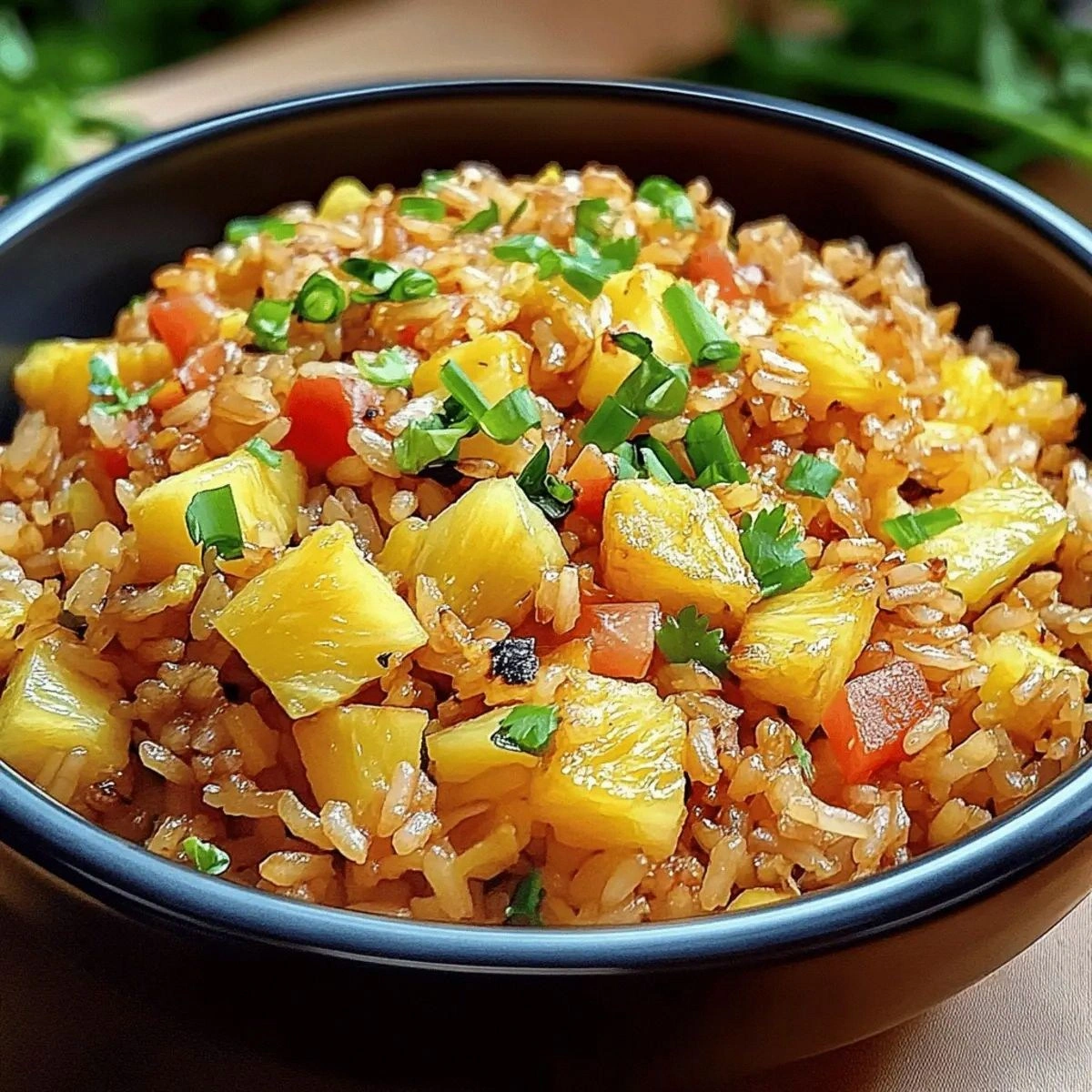
Now it’s time for the star of the show: the rice. Add the chilled jasmine rice, breaking up any clumps with the back of your spoon. Spread it evenly across the wok, letting it sit for about 30 seconds before stirring. This “dry‑fry” step creates those coveted crispy edges that shatter like thin ice when you bite into them. The rice should start to turn a light golden hue, and you’ll hear a faint, satisfying sizzle.
Drizzle the soy sauce, oyster sauce (if using), and sesame oil over the rice. Toss everything together so the sauces coat each grain evenly. The mixture should look glossy, and the scent will shift to a deeper, richer umami. Keep the heat high; you want the sauce to evaporate slightly, concentrating the flavor without making the dish watery.
Add the sliced green onions and a handful of fresh cilantro (if you love that herbaceous pop). Stir quickly—green onions wilt in seconds, and cilantro should stay bright and fragrant. Season with salt and pepper to taste; remember, the soy sauce already brings salt, so a light touch is enough.
Finally, give the whole pan a quick taste. If you need a touch more depth, add a splash more soy sauce or a drizzle of toasted sesame oil. Turn off the heat, cover the wok with a lid for a minute to let the flavors meld, then serve immediately. That final steam burst is pure magic—your kitchen will smell like a Hawaiian luau, and the rice will be perfectly fluffy with just the right amount of crunch.
That's it — you did it. But hold on, I've got a few more tricks that'll take this to another level...
Insider Tricks for Flawless Results
The Temperature Rule Nobody Follows
Most home cooks think “medium heat” is safe, but for fried rice you need blazing hot. A properly heated wok ensures that each grain gets that quick sear without steaming. If the wok isn’t hot enough, the rice will release steam and become soggy. I once tried a “gentle” approach and ended up with a mushy mess that tasted like soggy porridge. Keep the heat high, and you’ll hear that satisfying sizzle that tells you you’re on the right track.
Why Your Nose Knows Best
Never underestimate the power of scent as a cooking timer. When the garlic and ginger hit the oil, they should become fragrant within 10 seconds—if they start to brown, you’ve gone too far. Likewise, the moment the pineapple edges turn golden, you’ll smell a caramel‑sweet perfume that signals it’s ready for the veggies. Trust those nose cues more than the clock; they’re more accurate for flavor development.
The 5‑Minute Rest That Changes Everything
After you finish stir‑frying, let the rice rest off the heat for exactly five minutes, covered. This short pause allows the steam to redistribute, making each grain fluffier and preventing the dish from feeling dry. I once served the rice straight from the wok, and a friend complained it was “a bit harsh.” Five minutes later, the same dish was praised as “perfectly balanced.” It’s a tiny step with a huge payoff.
Swap the Sauce, Swap the Mood
If you want a deeper, slightly smoky flavor, replace half the soy sauce with a dash of dark soy or even a splash of fish sauce. The umami intensity ramps up, giving the dish a more “authentic” island vibe. Just remember to adjust the salt level—dark soy is sweeter, so you may need less regular soy.
Veggie Prep Shortcut
Use a food processor to quickly dice carrots and bell peppers into uniform, bite‑size pieces. Uniformity ensures even cooking and consistent texture. I once diced everything by hand and ended up with a few oversized carrot chunks that remained crunchy while the rest of the dish was soft. The processor saves time and guarantees that every bite is harmonious.
Creative Twists and Variations
This recipe is a playground. Here are some of my favorite ways to switch things up:
Spicy Island Heat
Add 1‑2 teaspoons of sriracha or a minced Thai bird chili during the sauce step. The heat pairs beautifully with the pineapple’s sweetness, creating a sweet‑heat combo that’s perfect for spice lovers.
Protein Power
Throw in 8 ounces of cooked shrimp, diced chicken breast, or firm tofu cubes after the veggies are partially cooked. The protein absorbs the sauce, turning the dish into a complete meal that satisfies both vegetarians and meat‑eaters.
Coconut Curry Fusion
Stir in 2 tablespoons of red curry paste and replace half the vegetable oil with coconut oil. Finish with a splash of coconut milk for a creamy, aromatic twist that feels like a Thai‑Hawaiian crossover.
Smoky Bacon Crunch
Cook 4 slices of crisp bacon, crumble them, and sprinkle over the finished rice. The smoky crunch adds a new texture layer and a savory depth that contrasts the pineapple’s brightness.
Herb‑Infused Freshness
Swap cilantro for fresh Thai basil or mint for a different aromatic profile. Basil adds a peppery note, while mint brings a cooling freshness that balances the heat of the sauce.
Vegan Delight
Omit the oyster sauce and replace it with a tablespoon of mushroom soy sauce. The umami stays intact, and the dish remains fully plant‑based without sacrificing flavor.
Storing and Bringing It Back to Life
Fridge Storage
Transfer any leftovers to an airtight container and refrigerate within two hours. It will keep nicely for up to three days. When reheating, add a splash of water or a drizzle of sesame oil to revive the rice’s glossy texture.
Freezer Friendly
Portion the fried rice into freezer‑safe bags, flatten them for even freezing, and store for up to two months. Thaw overnight in the fridge, then reheat in a hot wok with a little extra oil—this restores the crisp edges that make the dish special.
Best Reheating Method
The stovetop winces over the microwave every time. Heat a skillet over medium‑high, add a teaspoon of oil, and toss the rice until it’s steaming and the edges re‑crisp. If you notice dryness, sprinkle a teaspoon of water and cover for 30 seconds; the steam will bring the rice back to life.