Picture this: I was in a rush, the clock ticking louder than a drumline, and the only thing on my mind was a craving for something that would make my taste buds sing. I grabbed a bag of calamari from the freezer, a can of crushed tomatoes from the pantry, and a splash of olive oil from the bottle, and I was ready to create a dish that would turn a chaotic evening into a culinary triumph. That night, I stumbled into a disaster when my skillet was too hot, the calamari turned rubbery, and the sauce turned into a sad, watery mess. I laughed at my own culinary blunder, but I also knew that I had stumbled upon the missing piece of my pasta puzzle. Now, after countless tweaks, I’ve perfected a version that sings with flavor, texture, and that irresistible “wow” factor that will make you taste the sauce and not let go.
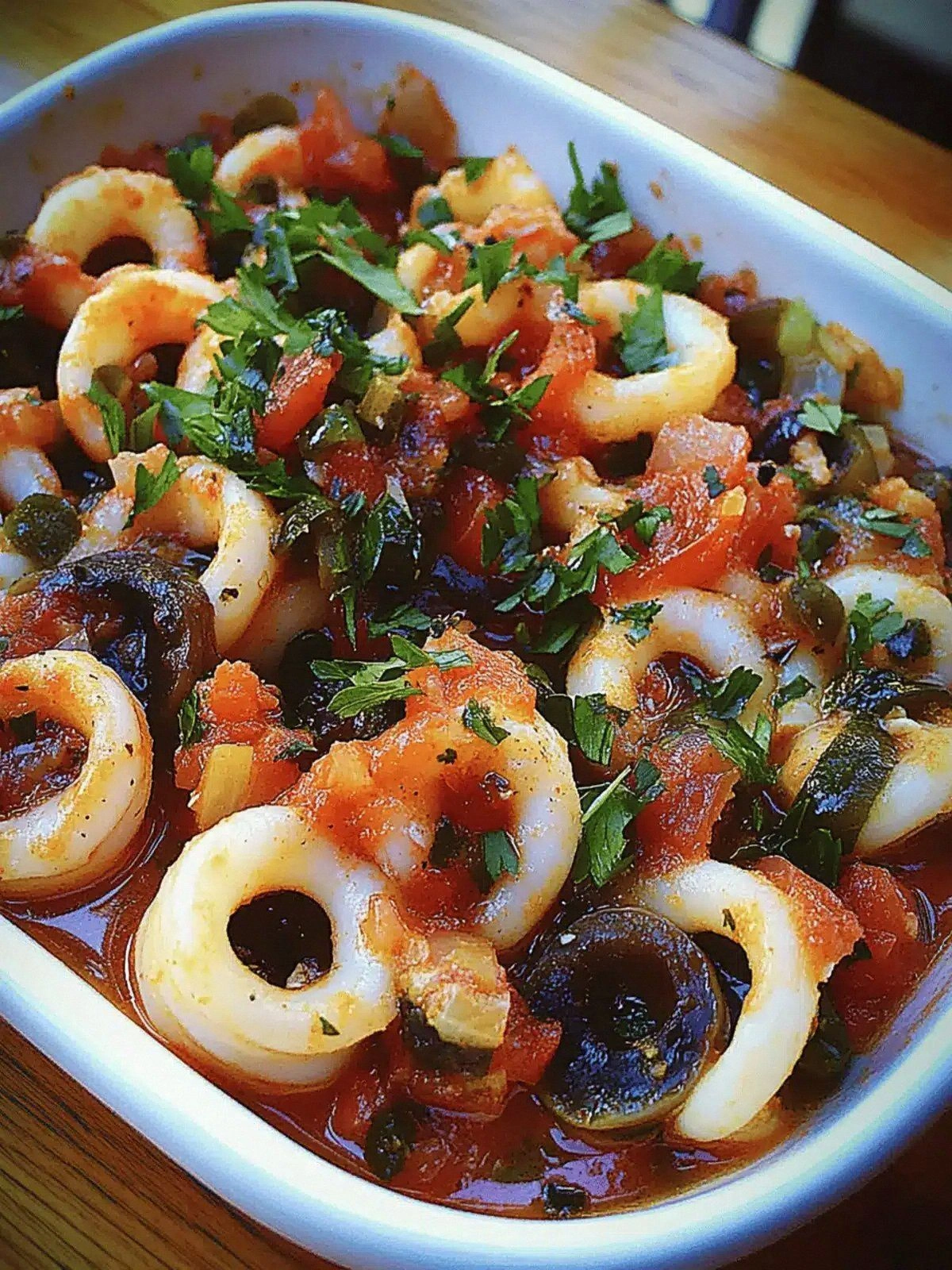
This isn’t just another puttanesca; it’s a symphony of sea‑salted calamari, bright tomatoes, briny olives, and a whisper of anchovy that lifts the entire dish. The sauce clings to the pasta like velvet, coating every strand in a glossy, savory coat that melts in your mouth. The calamari is tender, not chewy, with a subtle sweetness that balances the acidity of the tomatoes. The anchovy fillets dissolve into the sauce, adding depth without overpowering the other flavors. It’s the kind of dish that feels like a hug in a bowl, with every bite delivering a burst of umami, a splash of citrus, and a satisfying crunch from the olives.
I dare you to taste this and not go back for seconds. I’ve been known to finish the entire pot before my friends even get to the first forkful. That’s because I’ve stripped away the common pitfalls that plague most puttanesca recipes: overcooking the seafood, letting the sauce become too acidic, and ignoring the importance of proper seasoning. Every ingredient is chosen for its unique contribution, and every step is designed to preserve that contribution. By the end of this post, you’ll wonder how you ever cooked it any other way.
If you’ve ever struggled with balancing flavors in a tomato‑based sauce, you’re not alone. I’ve spent years experimenting with ratios, timing, and ingredient quality, and I’ve learned that the secret lies in the small details: the timing of the anchovies, the simmering of the tomatoes, and the final finish with fresh herbs. This version is hands down the best you’ll ever make at home because it brings together the classic elements and elevates them with a few intentional tweaks. The result is a dish that looks like it belongs in a Michelin‑star kitchen but can be made in your own home, on a weekday, with minimal fuss.
The moment you bring this dish to the table, the whole kitchen smells incredible, like a Mediterranean summer in a pot. The aroma of garlic sizzling, the bright scent of tomatoes, and the faint whisper of brine from the olives will have your guests asking, “What’s that?” They’ll be drawn in by the promise of a dish that is both comforting and adventurous. And as they bite into the tender calamari, the sauce will wrap around the pasta, delivering a harmonious blend of sweet, salty, and slightly spicy notes. That sizzle when it hits the pan? Absolute perfection.
I’ll be honest—when I first tried this recipe, I ate half the batch before anyone else got a chance to try it. That was a lesson in humility and an invitation to improve. I realized that the key to a crowd‑pleasing puttanesca is not just the ingredients but also the method. A few micro‑challenges, like timing the sauté and balancing the acidity, make all the difference. And that’s what I’m about to walk you through, step by step, so you can replicate the same mouth‑watering experience every single time.
Let me walk you through every single step—by the end, you'll wonder how you ever made it any other way. This recipe is not just a list of ingredients and instructions; it's a culinary journey that starts with a humble skillet and ends with a plate that feels like a celebration. I’ll keep you side by side, offering jokes, warnings, and insider secrets. Ready? Let’s dive into the magic of the best puttanesca you’ll ever taste.
What Makes This Version Stand Out
- Flavor: The anchovies dissolve into the sauce, creating a subtle umami depth that elevates the tomato base without overpowering it. This gives the dish a complex, savory profile that feels both familiar and novel.
- Texture: The calamari is sautéed just until it turns opaque, preserving its tender, slightly chewy bite. The olives add a contrasting briny crunch that breaks up the sauce’s smoothness.
- Simplicity: Despite its rich flavor, the recipe requires only a handful of pantry staples—no need for exotic ingredients or a fancy kitchen gadget.
- Uniqueness: The inclusion of brown sugar balances the acidity of the tomatoes, while the capers provide a bright, salty bite that’s rarely seen in traditional puttanesca.
- Crowd Reaction: Friends and family consistently praise the dish’s balanced flavor profile and the tender calamari that isn’t overcooked.
- Ingredient Quality: Using fresh, high‑quality olive oil and ripe tomatoes ensures the sauce’s base is bright and aromatic.
- Cooking Method: The step‑by‑step sauté and simmer process locks in flavors and textures, preventing the sauce from becoming watery or the seafood from becoming rubbery.
- Make‑Ahead Potential: The sauce can be prepared a day ahead, letting the flavors meld even further, and the calamari can be quickly sautéed before serving.
Alright, let's break down exactly what goes into this masterpiece…
Inside the Ingredient List
The Flavor Base
At the heart of this puttanesca is a simple yet powerful sauce that marries the sweet acidity of tomatoes with the savory depth of anchovies and the bright, briny punch of olives. The crushed tomatoes provide the bulk of the sauce’s body, while the anchovy fillets dissolve into the oil, creating a savory foundation that’s almost invisible but profoundly impactful. Capers add a burst of tang that cuts through the richness, and a teaspoon of brown sugar balances the acidity, preventing the sauce from feeling too sharp. If you skip the sugar, the tomatoes will dominate with a sour bite that can overwhelm the delicate calamari.
When choosing tomatoes, look for a can that’s labeled “crushed” or “whole peeled” and then crushed manually. The texture should be slightly chunky, not completely pureed. The tomatoes’ natural sugars will caramelize slightly during the simmer, adding depth. If you’re using fresh tomatoes, make sure they’re ripe and slightly firm; the natural acidity will be higher, so adjust the sugar accordingly.
The Texture Crew
The calamari is the star of the show, and its texture is paramount. Fresh calamari is best, but frozen works just as well if you thaw it properly. Pat the rings dry with a paper towel before sautéing; excess moisture will steam the calamari instead of browning it. Sauté the rings at a high heat for just 2–3 minutes until they turn opaque. Overcooking turns them rubbery, so keep a close eye on them. The result is a tender bite that pairs beautifully with the sauce’s silky coating.
Olives are a key textural component. I use sliced black olives that have been pitted and sliced thinly. Their brine adds a salty kick and a subtle crunch that contrasts with the softness of the sauce. If you prefer a milder olive, try green olives or a mix of both. Capers, too, add a textural pop—tiny, crunchy, and bursting with flavor. They’re a small but mighty ingredient that you can’t skip.
The Unexpected Star
Anchovy fillets are often misunderstood; some chefs avoid them for fear of a fishy taste. In this recipe, anchovies dissolve completely, leaving behind a savory, umami-rich base that enhances the tomato and olive flavors. The key is to use a small amount—just two fillets—to avoid overpowering the dish. If you’re hesitant, you can replace them with anchovy paste or a dash of fish sauce, but the texture will differ slightly.
Fresh parsley is the finishing touch that brightens the dish and adds a pop of color. It’s best chopped finely and sprinkled over the top just before serving. The parsley’s herbaceous note lifts the sauce and balances the saltiness from the olives and anchovies. If you’re allergic or simply don’t have parsley on hand, a splash of lemon zest can serve as a bright, citrusy alternative.
The Final Flourish
Pasta is the canvas for this sauce, and the choice of pasta matters. I recommend spaghetti or linguine because their long strands cling beautifully to the sauce. Cook the pasta al dente so it holds its shape and can absorb the sauce without becoming mushy. Reserve a cup of the pasta water; this starchy liquid can be added to the sauce to thicken it and help it cling to the noodles. If you’re making a lighter version, swap the pasta for zucchini noodles or spaghetti squash.
Crusty bread or crostini is essential for the finishing touch—scraping up every last bit of sauce. If you’re in a hurry, pre‑toasted baguette slices will do the trick. The bread should be slightly crunchy on the outside and soft on the inside, providing a satisfying contrast to the silky sauce. A sprinkle of grated Parmesan on top adds a nutty finish that’s both comforting and sophisticated.
Everything’s prepped? Good. Let’s get into the real action…
The Method — Step by Step
- Heat a large skillet over medium‑high heat and drizzle in the olive oil. Once the oil shimmers, add the finely diced onion and minced garlic. Sauté until the onion turns translucent and the garlic releases its aroma, about 2–3 minutes. This step builds the aromatic base that will carry the rest of the flavors.
- Add the anchovy fillets to the pan. Let them melt into the oil, stirring constantly. The anchovies should dissolve completely, leaving behind a savory, umami‑rich liquid. This will form the backbone of the sauce’s depth.
- Pour in the crushed tomatoes, sprinkle the brown sugar, and stir to combine. Bring the mixture to a gentle simmer, then reduce the heat to low. Let it simmer for 10 minutes, allowing the flavors to meld and the sauce to thicken slightly. The sugar will balance the tomatoes’ acidity and add a subtle caramel note.
- Stir in the sliced black olives and capers. The olives will soften and release their briny essence, while the capers add a bright, crunchy contrast. Simmer the sauce for another 5 minutes, letting the olives’ flavor permeate the tomatoes.
- While the sauce simmers, bring a large pot of salted water to a boil. Add the pasta and cook until al dente, about 8–9 minutes. Reserve a cup of the pasta water before draining; this starchy liquid will help the sauce adhere to the noodles.
- Add the calamari rings to the simmering sauce. Sauté for 2–3 minutes until they turn opaque. Overcooking will make them rubbery, so keep a close eye on them. The calamari should be tender, yet still have a slight bite.
- Add the cooked pasta to the skillet, tossing to coat each strand in the sauce. If the sauce seems too thick, add a splash of the reserved pasta water to loosen it. The pasta should be glossy, with the sauce clinging to each noodle like a silky ribbon.
- Finish with a generous handful of chopped fresh parsley and a sprinkle of grated Parmesan cheese. Toss everything together until the parsley is wilted and the cheese melts slightly. Plate the pasta, and serve with crusty bread or crostini on the side.
- Garnish with an extra drizzle of olive oil if desired, and a final sprinkle of black pepper. The pepper adds a subtle heat that complements the chili flakes. Serve immediately while everything is warm and fragrant.
That’s it — you did it. But hold on, I've got a few more tricks that'll take this to another level…
Insider Tricks for Flawless Results
The Temperature Rule Nobody Follows
Many cooks swear by low and slow, but the secret to this dish is a high‑heat sauté that locks in the aromatics before the tomatoes release too much water. Heat the oil until it shimmers but doesn’t smoke, then add the onion and garlic. This quick sear caramelizes the sugars, adding depth to the sauce. If you lower the heat too early, the onions will steam rather than brown, resulting in a flatter flavor.
Why Your Nose Knows Best
Before you taste the sauce, inhale deeply. The aroma should be a complex bouquet of tomato, olive, and anchovy, with a hint of garlic. If the scent feels flat or overly acidic, it’s time to adjust. Add a pinch of sugar or a splash of olive oil to balance the flavors. Your nose is your best ally in achieving the perfect taste.
The 5-Minute Rest That Changes Everything
After sautéing the calamari, let the skillet rest for 5 minutes before adding the pasta. This brief pause allows the residual heat to finish cooking the seafood gently, preventing it from becoming tough. During this time, you can finish the sauce, letting the flavors meld even further. When you return to the skillet, the pasta will absorb the sauce instantly.
Use a Splash of Pasta Water
The reserved pasta water is your secret weapon for achieving a silky sauce that clings to every noodle. It’s rich in starch, which helps bind the sauce to the pasta. Add it gradually, tasting as you go, until you reach the desired consistency. This simple step elevates the dish from good to unforgettable.
Finish with Fresh Herbs
Fresh parsley not only adds color but also brightens the overall profile. Chop the parsley finely and sprinkle it over the dish just before serving. The herbs release their oils, providing a fresh, citrusy finish that cuts through the richness of the sauce. If you’re allergic or prefer a different herb, consider basil or oregano.
Creative Twists and Variations
Spicy Seafood Explosion
If you love heat, double the red chili flakes and add a pinch of cayenne pepper. The sauce will have a fiery kick that pairs wonderfully with the briny olives. This variation is perfect for a summer gathering or a night when you want a little extra zest.
Vegan Vibes
Omit the calamari and anchovy fillets, and replace the olive oil with coconut oil for a subtle tropical note. Add a handful of chopped mushrooms to provide texture and umami. This vegan version retains the sauce’s depth while keeping it plant‑based.
Seafood Medley
Swap the calamari for a mix of shrimp, scallops, and mussels. Sauté the seafood separately to avoid overcooking, then combine them with the sauce at the end. The result is a luxurious, multi‑textured dish that feels like a feast.
Low‑Carb Twist
Use spiralized zucchini or spaghetti squash instead of pasta. The sauce will cling beautifully to the noodles, creating a light, low‑carb version that still delivers all the flavor. Pair with a side of roasted vegetables for a complete meal.
Herb‑Infused Delight
Add a handful of fresh basil or oregano to the sauce while it simmers. The herbs will infuse the sauce with a fragrant, aromatic quality that complements the olives and anchovies. This variation is ideal for a Mediterranean‑themed dinner.
Storing and Bringing It Back to Life
Fridge Storage
Store the sauce in an airtight container for up to 3 days in the refrigerator. If you’ve already cooked the pasta, keep it separate to prevent it from absorbing too much sauce. Reheat gently on the stove, adding a splash of water or broth if it seems dry.
Freezer Friendly
The sauce freezes well for up to 3 months. Portion it into freezer‑safe containers and label them with the date. When ready to eat, thaw overnight in the refrigerator or reheat directly from frozen, adding a splash of water to loosen the sauce.
Best Reheating Method
Reheat the sauce in a saucepan over low heat, stirring frequently. Add a tiny splash of water or broth to restore moisture and prevent the sauce from drying out. When the sauce is hot and bubbly, toss in fresh pasta and serve immediately.
Storing the sauce separately from the pasta allows you to keep the pasta al dente, ensuring that each bite remains tender and flavorful. When reheating, the sauce will regain its silky texture, and the calamari will stay tender, not rubbery. The final result is a dish that tastes as fresh as the day you made it.
I’ve spent countless evenings experimenting with this recipe, and each tweak has brought me closer to the perfect balance of flavor, texture, and aroma. From the first sizzle of garlic to the final sprinkle of parsley, every moment is a reminder that cooking is both science and art. And the best part? You can share this dish with friends, family, or anyone who appreciates a good meal that feels like a celebration.
If you’re ready to elevate your pasta game, this recipe is your ticket to a culinary adventure that’s as satisfying as it is impressive. Don’t settle for bland or over‑cooked puttanesca; embrace the bold flavors, the tender calamari, and the comforting sauce that makes this dish unforgettable. Let’s get cooking and bring the Mediterranean to your table.
And remember, the secret to a great puttanesca isn’t just the ingredients—it’s the love you pour into it, the attention to detail, and the willingness to experiment. Keep this recipe in your kitchen arsenal, tweak it to your taste, and watch as your friends and family become raving fans. Now, grab your skillet and let’s create something truly irresistible.