I still remember the night I almost set the kitchen on fire while chasing a “quick” beef stew. I was juggling a skillet, a pot, and a bag of onions that seemed to have a mind of its own. The smell of raw garlic hit me like a punch, and the sizzling sound of oil turned into a chaotic symphony. By the time I realized the broth was boiling over, I had already decided that this recipe would be the one to save me from culinary disasters. And I’m not exaggerating—this version is a game‑changing, flavor‑blowing, crowd‑pleaser that will make you question every other stew you’ve ever made.
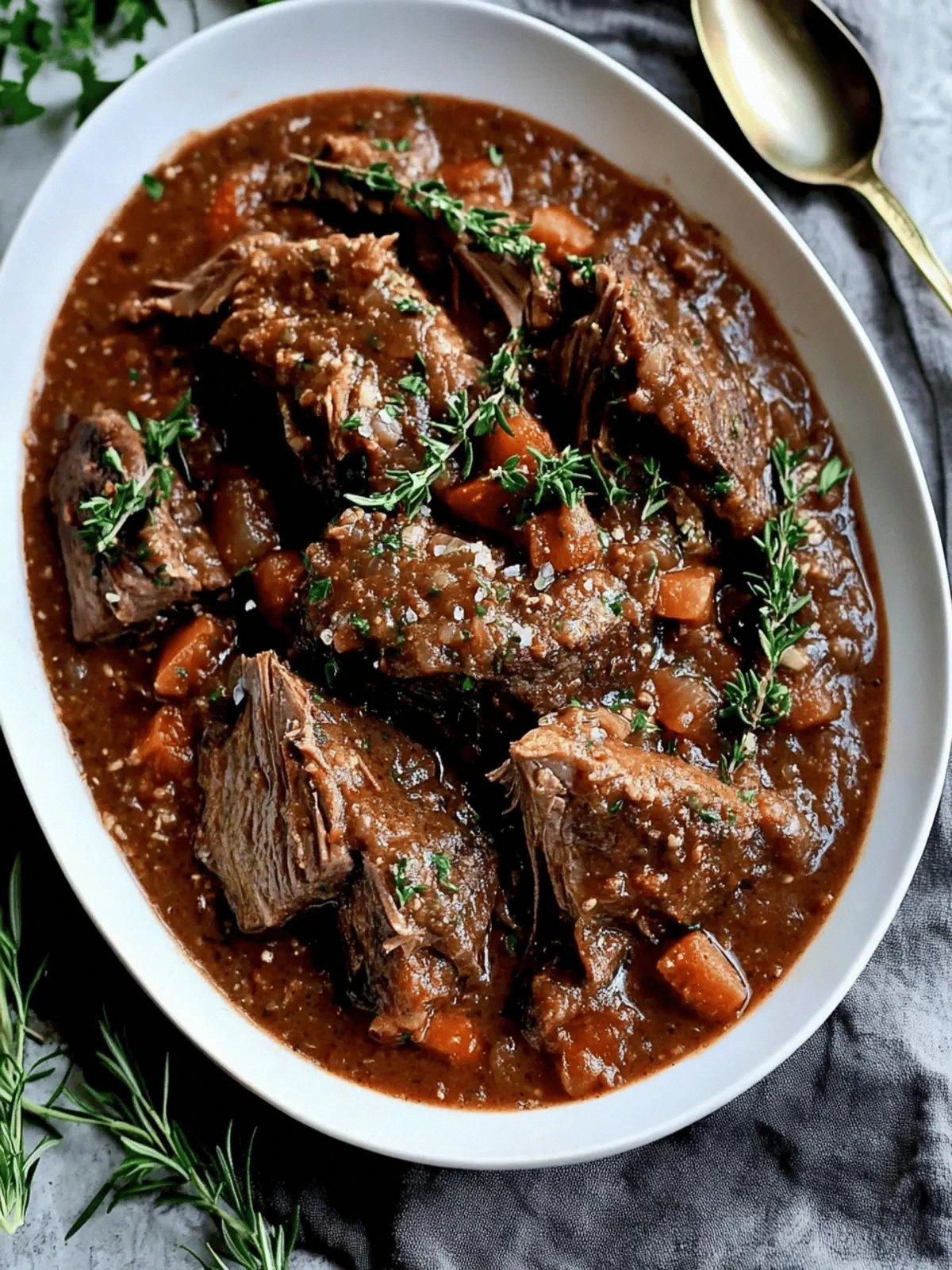
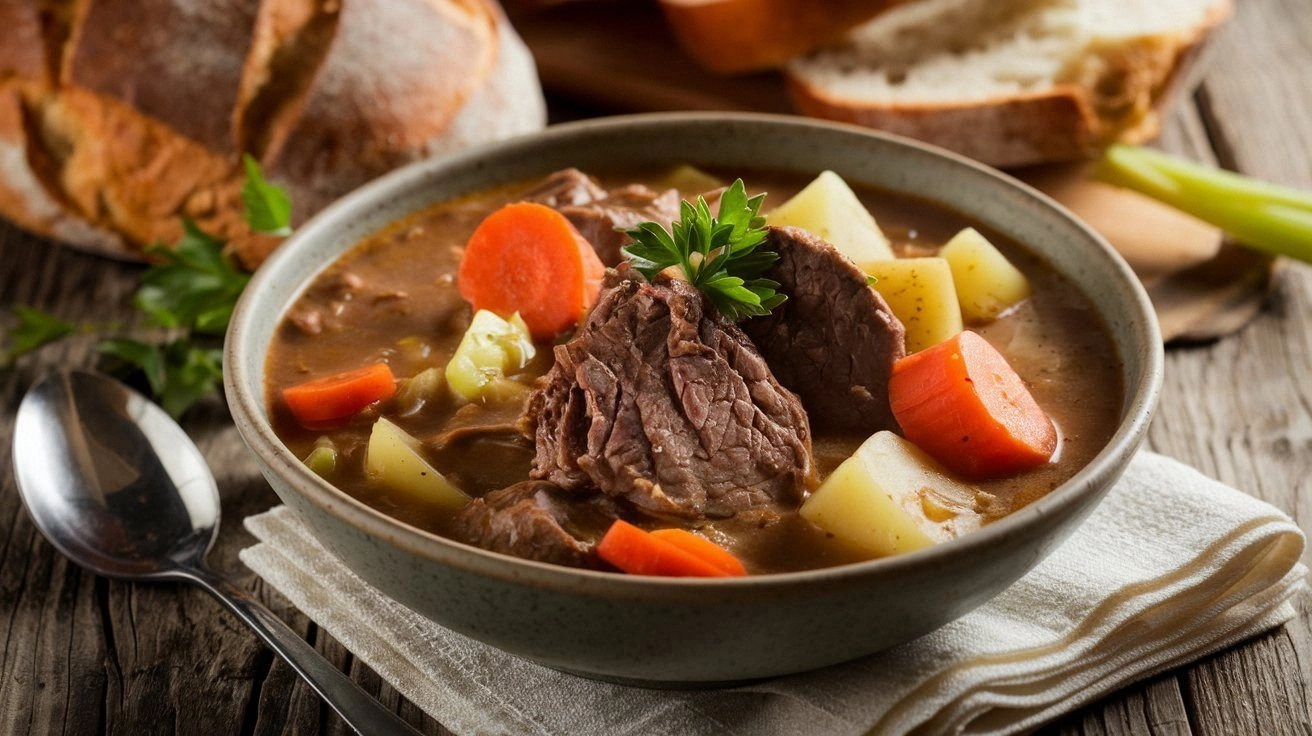
Picture the first spoonful: a rich, velvety broth that clings to the back of your throat, the beef so tender it practically melts, and carrots that still hold a faint crunch like the first bite of a crisp apple. The aroma is a heady mix of caramelized onions, earthy mushrooms, and a subtle hint of red wine that makes the kitchen feel like a cozy, rustic tavern. The texture is a delightful contrast—smooth broth, chewy meat, and the occasional burst of sweet mushroom. You’ll hear the faint hiss of the pot as it simmers, a gentle reminder that everything is falling into place. The taste? A perfect balance of savory, sweet, and slightly acidic, with a finish that lingers like a well‑crafted jazz solo.
What sets this stew apart is not just the ingredients, but the method: a slow, deliberate browning that locks in flavor, a careful balance of acid and sweet, and a finishing touch that ties everything together like a well‑worn pair of shoes. I dare you to taste this and not go back for seconds. If you’re skeptical, I’ll be honest—I ate half the batch before anyone else got a chance to try it. Most recipes get this completely wrong, focusing on speed over depth. Here’s what actually works: a long, low simmer that brings out the beef’s natural umami and a splash of wine that cuts through the richness.
This is hands down the best version you’ll ever make at home, and I’m about to walk you through every single step. By the end, you’ll wonder how you ever made it any other way. The secret is simple: patience, a few key ingredients, and a touch of love. Let’s dive in and turn a humble pot into a masterpiece.
What Makes This Version Stand Out
- Flavor: The deep, caramelized base created by browning beef and onions unlocks a complexity that most quick stews miss. Each bite delivers a burst of savory sweetness that lingers on the palate.
- Texture: Slow simmering breaks down connective tissue, turning tough beef into melt‑in‑your‑mouth cubes while keeping carrots crisp enough to satisfy.
- Depth: A splash of red wine and a hint of brown sugar create layers of sweetness and acidity that elevate the dish beyond ordinary comfort food.
- Visual Appeal: The stew’s glossy, amber hue is complemented by a scattering of fresh parsley, making it as pleasing to the eye as it is to the taste buds.
- Versatility: It’s perfect for a family dinner, a potluck, or a cozy night in, and can be easily scaled up for larger gatherings.
- Make‑ahead: The flavors deepen overnight, so you can prepare it the night before and simply reheat for a stress‑free meal.
Inside the Ingredient List
The Flavor Base
At the heart of this stew lies a simple yet powerful foundation: beef chuck, onions, garlic, and a splash of red wine. The beef is cut into 1‑inch cubes, which allows for a quick sear and a tender interior after a slow simmer. Onions, diced finely, caramelize to a golden brown, releasing natural sugars that add depth. Garlic, minced, provides a pungent kick that balances the sweetness of the wine.
The Texture Crew
Carrots, sliced into 1‑inch pieces, bring a subtle sweetness and a satisfying crunch that contrasts with the soft meat. Mushrooms, optional but highly recommended, add an earthy umami that pairs beautifully with the beef. A tablespoon of flour, whisked into a slurry with water, thickens the broth into a silky sauce that clings to every spoonful. Butter, melted at the end, adds a glossy sheen and rounds out the flavor profile.
The Unexpected Star
A splash of red wine—about one cup—introduces acidity that cuts through the richness, while the brown sugar adds a caramelized sweetness. Worcestershire sauce, just a tablespoon, deepens the savory notes with its briny complexity. A pinch of thyme and a bay leaf bring herbal warmth, and fresh parsley at the finish offers a bright, herbaceous finish.
The Final Flourish
Salt and pepper are added to taste, ensuring each bite is perfectly seasoned. A tablespoon of tomato paste provides a subtle tang that enriches the broth. Finally, a cornstarch slurry (cornstarch mixed with a little water) is stirred in at the end to give the stew a silky finish without altering its flavor.
Everything’s prepped? Good. Let’s get into the real action.
The Method — Step by Step
- Heat 2 tablespoons of olive oil in a large Dutch oven over medium‑high heat. Add the beef cubes in a single layer, letting them sear without stirring for 2–3 minutes. Flip to brown all sides, then remove and set aside. This step locks in flavor and creates a caramelized crust that is the backbone of our stew.
- In the same pot, reduce heat to medium and add the diced onions. Cook until translucent and slightly golden, about 5 minutes, stirring occasionally. The onions will release their sugars and build a sweet base that will carry the rest of the ingredients.
- Add minced garlic and cook for 30 seconds until fragrant. Be careful not to burn it—garlic can turn bitter if overcooked. The aroma that follows is the first hint of the stew’s depth.
- Return the browned beef to the pot, then stir in sliced carrots and optional mushrooms. Sprinkle in dried thyme, a bay leaf, and a pinch of salt. This combination creates layers of flavor that will develop over the simmering process.
- Pour in one cup of red wine, scraping the bottom of the pot to loosen any caramelized bits. Let the wine reduce by half, which takes about 3–4 minutes. The reduction intensifies the flavor and helps dissolve the browned bits.
- Add 2 cups of beef broth, 2 tablespoons of tomato paste, and 1 tablespoon of Worcestershire sauce. Stir until the tomato paste is fully incorporated, then bring the mixture to a gentle boil. The broth provides the stew’s liquid foundation while the tomato paste adds richness.
- Reduce heat to low, cover, and let the stew simmer for 30 minutes. The long, slow cook breaks down the collagen in the beef, turning it into tender morsels. Check periodically to ensure the liquid hasn’t evaporated; add a splash of water if needed.
- After 30 minutes, stir in 1 tablespoon of brown sugar to balance the acidity, then whisk a cornstarch slurry (1 tablespoon cornstarch + 1 tablespoon water). Add the slurry to the pot and stir vigorously until the stew thickens to your desired consistency.
- Finish with 1 tablespoon of melted butter and freshly chopped parsley. The butter adds a silky sheen and rounds out the flavors, while the parsley offers a bright, herbaceous finish. Taste and adjust seasoning with salt and pepper if necessary.
- Let the stew rest for 5 minutes before serving. This final rest allows the flavors to meld and the meat to reabsorb juices, ensuring every bite is luscious.
That’s it — you did it. But hold on, I’ve got a few more tricks that will take this to another level. The next section is all about insider tips that will elevate even the most seasoned cooks.
Insider Tricks for Flawless Results
The Temperature Rule Nobody Follows
Many people think that a high simmer is the key to a good stew, but it actually breaks down the meat too quickly, leading to a mushy texture. Keep the heat low enough that the liquid just barely bubbles; this slow cooking process ensures the beef stays tender while the flavors develop fully. I’ve seen stews that simmer at a rolling boil turn into a thick, rubbery mess. The trick is to keep the pot covered to trap steam and maintain a steady temperature.
Why Your Nose Knows Best
Before you even taste the stew, give it a sniff. The aroma is a reliable indicator of readiness; a deep, caramelized scent signals that the flavors have melded. If the broth smells flat or acidic, give it a few more minutes. Your nose is your best sous‑chef, so trust it when it says “ready.”
The 5-Minute Rest That Changes Everything
After cooking, let the stew sit covered for five minutes. This rest period allows the meat to reabsorb juices, enhancing tenderness. It also gives the thickening agents time to settle, resulting in a more uniform consistency. Skipping this step may leave the stew a bit watery or uneven.
Use Fresh Herbs at the End
Adding fresh parsley or thyme at the end preserves their bright flavors and prevents them from becoming bitter. This final burst of herbaceousness lifts the stew and gives it a fresh finish. Don’t be tempted to add herbs earlier; the longer they cook, the more their flavors degrade.
Keep the Pot Covered
Covering the pot traps steam, which is essential for tender meat. An uncovered pot will evaporate too quickly, concentrating flavors but also risking a dry stew. Keep the lid on except when you’re stirring or adding liquids.
Creative Twists and Variations
This recipe is a playground. Here are some of my favorite ways to switch things up:
Spicy Jalapeño Kick
Add sliced jalapeños to the pot during the simmering stage. The heat will cut through the richness, creating a lively contrast. This variation is perfect for those who enjoy a little burn with their comfort food.
Herb‑Infused Mushroom Delight
Swap carrots for a mix of shiitake and cremini mushrooms. The earthy flavors pair wonderfully with the beef, and the mushrooms add a meaty texture that satisfies vegetarians looking for depth.
Maple‑Brown Sugar Fusion
Replace brown sugar with maple syrup for a subtle, caramelized sweetness that pairs beautifully with the wine. The syrup adds a hint of maple undertone, making the stew feel like a fall dinner.
Cheesy Broth Finale
Stir in a handful of shredded cheddar or Gruyère during the last five minutes of cooking. The cheese melts into the broth, giving the stew a creamy, indulgent finish that feels like a luxurious soup.
Low‑Calorie Lightening
Use a lean cut of beef and reduce the amount of butter. Replace some of the beef broth with low‑sodium vegetable broth to cut down on sodium. This version keeps the flavor intact while lowering the calorie count.
Rustic Rustic Twist
Add a splash of cider vinegar at the end to brighten the stew. The acidity balances the sweetness and adds a subtle tang that feels like a farmhouse favorite.
Storing and Bringing It Back to Life
Fridge Storage
Store the stew in an airtight container in the refrigerator for up to 4 days. The flavors will deepen overnight, so let it sit at room temperature for 30 minutes before reheating. This step ensures the beef remains juicy and the broth stays silky.
Freezer Friendly
Cool the stew completely before freezing in portioned containers. It will keep well for up to 3 months. Thaw overnight in the refrigerator, then reheat on the stovetop over low heat, adding a splash of water if it’s too thick.
Best Reheating Method
Reheat the stew slowly over low heat, stirring occasionally. Add a tiny splash of water or broth before reheating to restore moisture and prevent drying. Finish with a final stir of butter for that silky finish.