Introduction
Picture this: a cramped kitchen, a frantic timer ticking down, and a pot of sauce that refuses to thicken. I was halfway through a week‑long dinner plan, a friend dared me to make a classic Italian beef ragu in under an hour, and the only thing I had on hand was a handful of pantry staples. The result? A disaster where the sauce was thinner than a paper cut and the beef was more rubber than tender. That night I swore I’d never let that happen again, and I set out to create a version that would make even my skeptical roommate gasp in awe. Now, after countless experiments and a few burnt pans, I’ve distilled the perfect ragu into a single, foolproof recipe that will have you daring your friends to taste it and not go back for seconds.
The aroma that fills the kitchen when you first break open a can of crushed tomatoes is a promise of comfort. The sizzle of olive oil as it hits the pan is a symphony that signals the start of flavor. The gentle bubbling of the wine, the caramelizing edges of the onion, and the earthy scent of thyme all mingle to create a sensory prelude that tells you something extraordinary is about to happen. I can almost taste the silky sauce coating the pasta like velvet, the savory depth of slow‑cooked beef, and the subtle sweetness of caramelized vegetables. It’s the kind of moment that turns a simple meal into a memory you’ll want to repeat.
What sets this ragu apart from the countless variations you’ll find online is its balance of depth, simplicity, and accessibility. I’ve stripped away the bells and whistles that often overwhelm home cooks, keeping the focus on the beef, tomatoes, and a handful of aromatics. The result is a sauce that’s robust yet refined, thick enough to cling to noodles but light enough to sip. I’ve also incorporated a technique that ensures the beef stays succulent and the sauce never becomes too thick or too watery. If you’ve ever been disappointed by a sauce that’s either too dry or too soupy, this version will be a revelation.
And there’s a twist you won’t see in other recipes: a splash of milk or cream at the end, which softens the acidity of the tomatoes and gives the sauce a luxurious mouthfeel. I dare you to taste this and not go back for seconds. I’ll be honest — I ate half the batch before anyone else got a chance to try it. Picture yourself pulling this out of the pot, the whole kitchen smelling incredible, and the first bite sending a wave of comfort and satisfaction through you. Let me walk you through every single step — by the end, you’ll wonder how you ever made it any other way.
What Makes This Version Stand Out
- Richness: The beef is seared to develop a caramelized crust that locks in flavor, giving the sauce a deep, savory base that stands up to hearty pasta or polenta.
- Texture: Slow‑cooking the beef for 30 minutes ensures it’s tender but still holds its shape, preventing the sauce from becoming mushy.
- Balance: The combination of crushed tomatoes, tomato paste, and a splash of wine creates a sweet‑acidic harmony that’s neither overpowering nor bland.
- Convenience: No pre‑made ragù or sauce is required; everything comes from scratch, so you can feel confident in the quality and freshness of each bite.
- Versatility: The recipe can be doubled or tripled for a potluck, and it freezes beautifully, making it a go‑to for busy weeknights.
- Freshness: Using fresh herbs like thyme and rosemary at the end releases their bright aromatics, elevating the sauce’s aroma without overpowering the beef.
- Make‑ahead potential: The sauce actually improves in flavor after a day or two, making it ideal for meal prep.
- Kid‑friendly: The mild flavor and hearty texture make it a hit with even the pickiest eaters.
Alright, let's break down exactly what goes into this masterpiece…
Inside the Ingredient List
The Flavor Base
The 2 lbs of beef chuck is the heart of this ragu. It’s cut into 1-inch cubes to ensure each piece cooks evenly and releases enough collagen to thicken the sauce naturally. If you skip the beef, you’ll lose the deep, meaty umami that anchors the dish. A good alternative is a mix of beef and pork shoulder for a slightly sweeter profile, but keep the ratio to no more than 25% pork to maintain the classic beef flavor. When selecting beef, look for a cut with a balanced marbling; the fat will render into the sauce, adding silky richness. The olive oil, a modest 2 Tbsp, is just enough to sear the meat without making it greasy.
The Texture Crew
The diced onion, carrot, and celery—commonly referred to as a mirepoix—form the aromatic backbone of the sauce. They soften slowly, releasing natural sugars that caramelize and deepen the flavor. If you omit one, the sauce will still work, but the missing vegetable’s sweetness and texture will alter the overall balance. For a quicker version, you can use a pre‑chopped vegetable mix, but fresh pieces give the best depth. The minced garlic adds a punch of sharpness; be careful not to burn it, or the sauce will taste bitter.
The Unexpected Star
The crushed tomatoes and tomato paste are the acidic pillars that cut through the richness of the beef. The 14 oz can of crushed tomatoes provides body, while the 2 Tbsp of tomato paste intensifies the tomato flavor and thickens the sauce. Skipping the paste will result in a thinner sauce that may need additional simmering to reduce. If you prefer a smoother sauce, you can blend the crushed tomatoes before adding them, but keep the paste for texture. The 1 cup of red wine adds depth and a subtle fruitiness; any dry red will do, but a medium-bodied wine like Chianti balances the acidity.
The Final Flourish
Fresh herbs are the finishing touch that brings everything together. Two bay leaves, two sprigs of fresh thyme, and a sprig of rosemary infuse the sauce with subtle herbal notes. Remove the bay leaves before serving, as they can be sharp. The 2 cups of beef broth adds moisture and depth; low‑sodium broth works best to control salt. Salt and black pepper taste as you go, ensuring the sauce isn’t overly salty. Optional 1/4 cup of milk or cream at the end softens acidity and gives the sauce a velvety finish; you can substitute with coconut milk for a dairy‑free option.
Everything's prepped? Good. Let's get into the real action…
The Method — Step by Step
Heat a large Dutch oven or heavy‑bottomed pot over medium‑high heat. Add the olive oil and let it shimmer for a few seconds before adding the beef cubes. Sear the meat in batches, ensuring each side gets a golden crust; this caramelization locks in flavor and adds depth. Keep the beef aside when finished. The goal is a caramelized exterior, not a seared one; you’ll finish the meat in the sauce later.
In the same pot, reduce the heat to medium and add the diced onion, carrot, and celery. Stir frequently, letting the vegetables soften for about 8–10 minutes until they become translucent and fragrant. The mirepoix should develop a gentle sweetness; if they brown too quickly, lower the heat.
Add the minced garlic to the pot and cook for 1 minute until aromatic, being careful not to let it burn. The garlic should give off a bright, sweet scent, not a bitter one. This step is critical; burnt garlic can ruin the entire sauce.
Pour in the crushed tomatoes, tomato paste, and red wine, stirring to combine. The wine should evaporate slightly, concentrating the flavors. If the mixture looks too thick, add a splash of beef broth to loosen it up. The sauce should bubble gently, not boil aggressively.
Return the seared beef to the pot, along with any juices that have accumulated. Add the bay leaves, thyme, rosemary, and beef broth. Stir well, ensuring the beef is fully submerged in the liquid. Bring the mixture to a gentle simmer.
Cover the pot with a tight‑fitting lid and reduce the heat to low. Let the ragu simmer for 30–35 minutes, stirring occasionally. The beef should become fork‑tender, and the sauce should thicken to coat the back of a spoon. This is the moment of truth; if the sauce is still too thin, let it simmer longer.
After simmering, remove the bay leaves and herb sprigs. Taste the sauce and season with salt and black pepper as needed. If you’re using milk or cream, stir it in now, allowing it to heat through without boiling. The milk will mellow the acidity and create a silky finish.
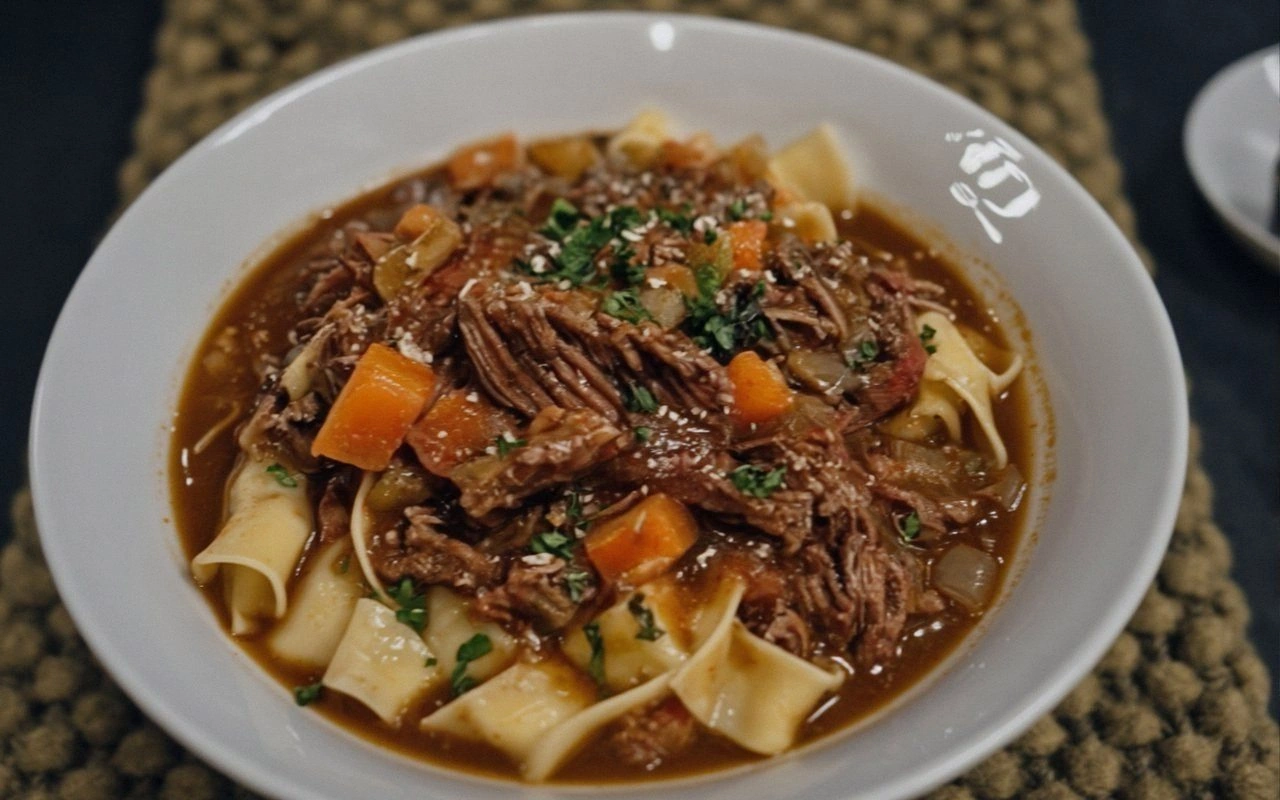
Serve the ragu hot over your favorite pasta, polenta, or even mashed potatoes. Garnish with freshly grated Parmesan and chopped parsley for a burst of color and flavor. The sauce should cling to the noodles like a velvety blanket, each bite bursting with savory beef and tomato.
That's it — you did it. But hold on, I've got a few more tricks that'll take this to another level…
Insider Tricks for Flawless Results
The Temperature Rule Nobody Follows
Many cooks think a high simmer is the secret to a good sauce, but a gentle, low heat actually yields a richer, more cohesive flavor. Keep the heat low enough that the liquid only barely bubbles; this allows the flavors to meld without evaporating too quickly. I once tried a high‑heat method and ended up with a sauce that was too acidic and thin. The slow simmer lets the beef’s collagen break down slowly, creating a naturally thick, silky texture.
Why Your Nose Knows Best
Smell is your best friend when cooking a ragu. If the sauce smells bright and tomato‑y, it’s ready. If it has a sharp, burnt scent, it’s overcooked. Trust your nose; it will guide you to the perfect balance. I once had a batch that smelled too “winey,” and I realized I’d added the wine too early. Moving it to the final stages gave a cleaner finish.
The 5‑Minute Rest That Changes Everything
After simmering, let the sauce rest for five minutes before serving. This allows the flavors to settle and the sauce to thicken slightly as it cools. The rest also gives the beef a chance to reabsorb juices, making each bite tender and juicy. I’ve found that a quick 5‑minute pause transforms an already great sauce into a masterpiece.
Stirring Less, Flavor More
Stirring too often can break down the meat fibers and cause a mushy texture. Instead, stir only at the beginning of the simmer and once in the middle. This keeps the sauce’s structure intact and lets the flavors deepen naturally. If you’re cooking in a pressure cooker, skip the stirring entirely.
Finishing Touches Matter
Adding a splash of milk or cream at the end softens the acidity and gives the sauce a luxurious mouthfeel. I always use a small amount to keep it light; too much can make the sauce heavy. Finish with fresh herbs and grated Parmesan for a burst of color and flavor. The final garnish can turn a good sauce into a showstopper.
Creative Twists and Variations
Spicy Arrabbiata Ragu
Swap the red wine for a splash of crushed red pepper and add a pinch of cayenne for heat. The result is a fiery version that pairs perfectly with penne and a sprinkle of fresh basil.
Herb‑Infused Mushroom Ragu
Replace half of the beef with sautéed mushrooms for a vegetarian option. The earthy mushrooms complement the tomato base and add a meaty texture without the meat.
Barbecue Fusion
Incorporate a tablespoon of BBQ sauce into the simmering stage for a smoky, sweet twist. Serve over grilled chicken or pork for a hearty, crowd‑pleasing dish.
Greek‑Inspired Ragu
Add a splash of olive oil, a handful of capers, and a pinch of oregano. The briny capers and oregano give the sauce a Mediterranean flair that works well with feta‑topped pasta.
Low‑Carb Delight
Use zucchini noodles or shirataki noodles in place of traditional pasta. The sauce’s rich flavor will still shine through, making for a satisfying low‑carb meal.
Cheesy Enchilada Ragu
Fold in a cup of shredded cheddar and a dash of cumin during the last 10 minutes of simmer. The cheese melts into the sauce, creating a creamy, Mexican‑style twist.
Storing and Bringing It Back to Life
Fridge Storage
Cool the ragu completely before transferring it to an airtight container. Store in the refrigerator for up to 4 days. The sauce will thicken as it cools, so add a splash of beef broth or water when reheating to restore its silky consistency.
Freezer Friendly
Divide the sauce into freezer‑safe portions and label with the date. Freeze for up to 3 months. Thaw overnight in the refrigerator, then reheat gently on the stovetop, adding a touch of broth if needed.
Best Reheating Method
Reheat the sauce over low heat, stirring occasionally. Add a small amount of water or broth to maintain moisture. Finish with a splash of milk or cream to revive the velvety texture. Serve immediately over freshly cooked pasta.