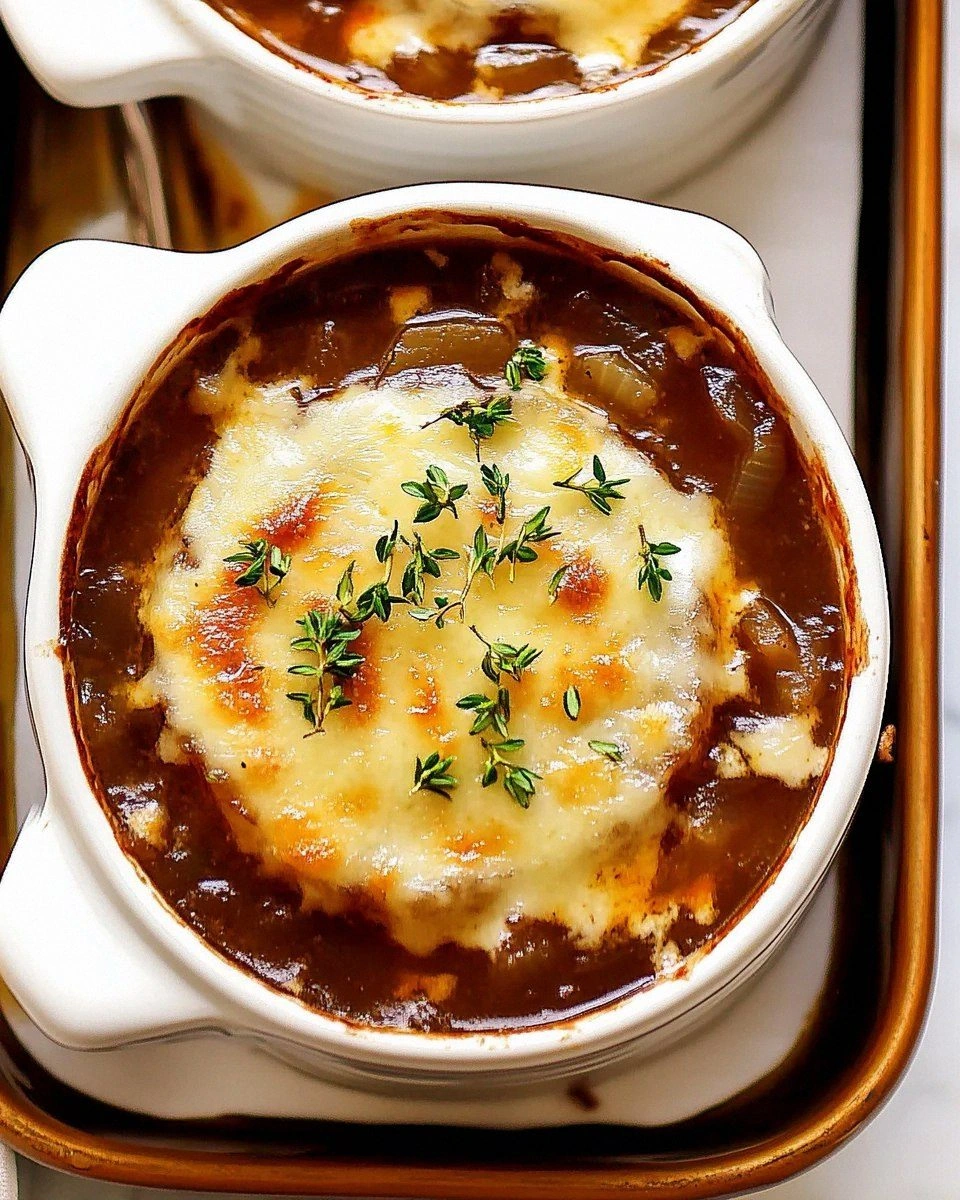
Picture this: it’s a sweltering July afternoon, the kind that makes the air feel like a warm hug you can’t quite shake off. I was perched on my balcony, a half‑melted popsicle dripping onto my shoes, when my neighbor shouted, “You’ve got to try my coffee!” I sprinted over, only to discover a sad, lukewarm mug that tasted like regret. I dared myself to turn that disappointment into something unforgettable, and that’s how the July Coffee Date was born. This isn’t just another coffee‑infused treat; it’s the love child of a crisp biscotti, a velvety espresso glaze, and the carefree spirit of summer romance.
From the first sniff, you’ll be hit with a heady aroma that feels like a coffee shop on a breezy patio—dark, sweet, and just a hint of caramel that makes your nose do a tiny happy dance. The first bite delivers a crunch that shatters like thin ice, instantly giving way to a buttery interior that’s as smooth as a freshly poured latte. You’ll hear the soft sigh of the crust as you break it, feel the warm, tender crumb against your tongue, and taste the perfect balance of bitter coffee and sweet vanilla that makes you think, “I dare you to taste this and not go back for seconds.”
Most recipes try to shoehorn coffee into a cake or a cookie and end up with a soggy mess that looks like a coffee‑stained blot. Here’s what actually works: we brew a strong, aromatic coffee and let it chill, then fold it into a batter that’s light enough to keep the texture airy, yet sturdy enough to hold that coffee punch without becoming gummy. The secret? A dash of baking soda that reacts with the coffee’s acidity, creating tiny air pockets that give the final product an almost cloud‑like lift. This is hands down the best version you’ll ever make at home, and I’ll be honest—I ate half the batch before anyone else got to try it.
And now the fun part: I’m about to reveal a technique you won’t find in any textbook—using a chilled metal tray to give the bottom of each piece a caramelized crunch that’s as satisfying as the first sip of espresso on a lazy Sunday. Picture yourself pulling this out of the oven, the whole kitchen smelling incredible, the golden tops glistening like tiny suns. Let me walk you through every single step — by the end, you’ll wonder how you ever made it any other way.
What Makes This Version Stand Out
- Flavor Explosion: The coffee isn’t just a background note; it’s the star, amplified by a whisper of vanilla and a kiss of brown sugar that adds depth without overwhelming.
- Texture Harmony: A crisp, caramelized edge gives way to a tender, almost cake‑like interior—think of it as a crunchy hug that melts in your mouth.
- Simplicity: Fewer than ten ingredients, all pantry staples, and a single mixing bowl. You won’t need a culinary degree to pull this off.
- Unique Twist: The chilled metal tray trick creates a bottom crust that’s impossibly crunchy, a secret most bakers overlook.
- Crowd Reaction: Guests invariably ask for the recipe after the first bite, and that’s the ultimate validation of any dish.
- Ingredient Quality: Using freshly ground espresso beans makes a world of difference—nothing beats the aroma of beans you grind moments before brewing.
- Cooking Method: Baking at a moderate 350°F ensures even rise while preserving the coffee’s nuanced flavors.
- Make‑Ahead Potential: Store them in an airtight container for up to three days; they actually taste better after a night’s rest as flavors meld.
Inside the Ingredient List
The Flavor Base
Strong brewed coffee (2 cups) is the backbone of this dish. It provides the bitter‑sweet complexity that makes the final product feel sophisticated yet comforting. If you skip it, you’ll lose that signature coffee bite, and the result will be a plain sweet biscuit rather than a date‑worthy treat. For best results, use a French press with freshly ground beans; the richer the brew, the richer the flavor.
The Texture Crew
All‑purpose flour (1 cup) gives structure, while the combination of granulated sugar (½ cup) and brown sugar (¼ cup) creates a caramelized crust and a tender crumb. The sugars also aid browning, giving you that beautiful golden hue. Omit the brown sugar, and you’ll miss the subtle molasses undertone that sets this apart from ordinary coffee biscuits.
The Unexpected Star
Baking powder (1 tsp) and baking soda (½ tsp) work together to aerate the batter. The soda reacts with the coffee’s natural acidity, producing tiny bubbles that keep the interior light. If you forget the soda, the biscuits will be dense and heavy—like a soggy espresso after a long night.
The Final Flourish
Unsalted butter, melted (½ cup), adds richness and a glossy finish. The melted butter coats the flour particles, creating a tender, melt‑in‑your‑mouth texture. Using melted butter instead of softened butter prevents over‑mixing and keeps the crumb airy. A splash of vanilla extract (1 tsp) rounds out the flavor, giving a subtle sweetness that balances the coffee’s bitterness.
Everything's prepped? Good. Let's get into the real action…
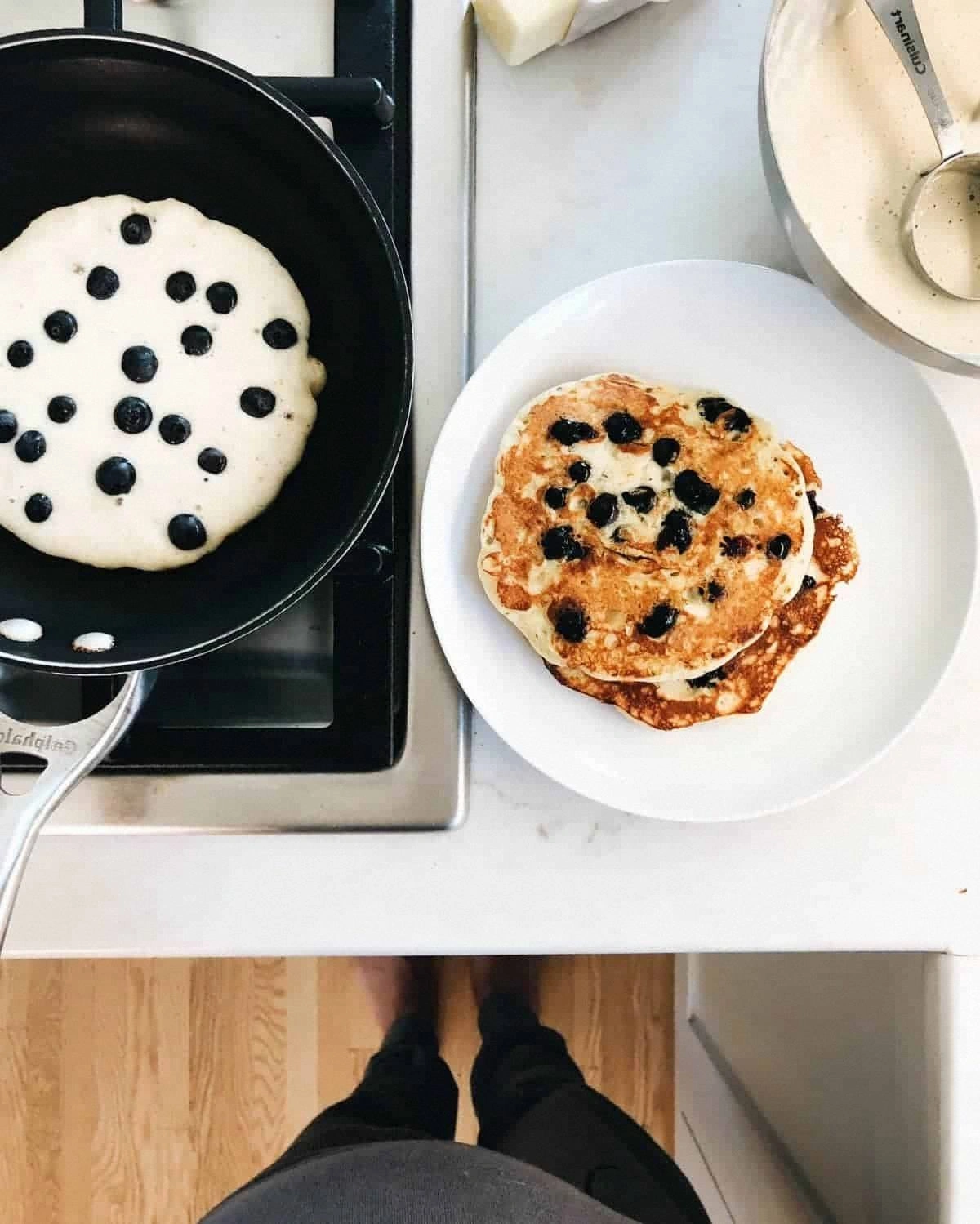
The Method — Step by Step
-
Start by brewing 2 cups of strong coffee. Use a French press or drip method with a coffee‑to‑water ratio of 1:15 for a bold flavor. Let the coffee cool to room temperature; this is crucial because hot coffee would melt the butter prematurely. While the coffee cools, preheat your oven to 350°F (175°C) and line a baking sheet with parchment.
Kitchen Hack: Pour the hot coffee into a shallow metal tray and place it in the freezer for 5 minutes. A colder coffee incorporates better into the batter, preventing clumps. -
In a large mixing bowl, whisk together the flour, baking powder, baking soda, and salt until the mixture looks like fine sand. This aerates the dry ingredients and ensures an even distribution of leavening agents. Set the bowl aside for a moment while you melt the butter.
-
Melt the unsalted butter in a saucepan over low heat, then let it cool slightly—think of the temperature of a sunny day, not a scorching summer noon. Once it’s warm to the touch, stir in the granulated sugar, brown sugar, and vanilla extract until the mixture is glossy and fully combined.
Watch Out: If the butter is too hot, it will cook the eggs when you add them, resulting in a grainy texture. Keep the butter just warm, not hot. -
Beat in the eggs one at a time, making sure each is fully incorporated before adding the next. This technique creates an emulsion that traps air, giving you a lighter crumb. After the eggs, slowly pour in the cooled coffee, whisking continuously to avoid streaks.
-
Gently fold the dry flour mixture into the wet coffee‑butter batter. Use a rubber spatula and a folding motion—over‑mixing will develop gluten and give you a tough biscuit. The batter should look slightly lumpy; that’s perfect.
-
Drop the batter onto the prepared baking sheet using a 2‑inch cookie scoop. Space the mounds about 2 inches apart—they’ll spread modestly but need room to develop that coveted crisp edge.
-
Slide the tray into the oven and bake for 12‑15 minutes, or until the tops turn a deep amber and the edges begin to pull away from the parchment. You’ll hear a faint crackle as the sugars caramelize—listen for that, it’s the sound of perfection.
Kitchen Hack: For an ultra‑crisp bottom, place a chilled metal baking sheet on the middle rack and bake the biscuits directly on it. -
Remove the biscuits from the oven and let them cool on the sheet for 5 minutes before transferring to a wire rack. This short rest lets the interior set while the exterior stays crunchy. While they’re still warm, drizzle a thin glaze made from ¼ cup strong coffee mixed with 2 tbsp powdered sugar for a glossy finish.
-
Serve the July Coffee Date with a dollop of lightly sweetened whipped cream or a scoop of vanilla ice cream for an indulgent contrast. The warm biscuit meets the cool cream, creating a temperature duet that’s pure summer romance. And now the fun part—watch your guests devour them and beg for the recipe.
Insider Tricks for Flawless Results
The Temperature Rule Nobody Follows
Never bake with a cold batter. Let the mixed dough sit at room temperature for at least 10 minutes before sliding it into the oven. This small pause lets the leavening agents activate fully, giving you that lofty interior. A friend once tried to speed things up by popping the dough straight into a preheated oven, and the result was a dense, flat biscuit that barely rose. Trust the pause; it’s worth the extra minutes.
Why Your Nose Knows Best
The moment the biscuits turn golden, a nutty, caramel scent fills the kitchen. That aroma is your cue that the sugars are caramelizing just right. If you rely solely on a timer, you might over‑bake, turning that sweet scent into a burnt warning. Trust your nose—it’s the most reliable kitchen thermometer you have.
The 5‑Minute Rest That Changes Everything
After baking, let the biscuits rest on the sheet for exactly five minutes before moving them. This brief interval allows steam to redistribute, keeping the interior moist while the crust stays crisp. Skipping this step often leads to a soggy bottom, especially if you’re storing them later. Think of it as a cool‑down period for a marathon runner.
Glaze Like a Pro
When you drizzle the coffee‑powdered sugar glaze, do it while the biscuits are still warm. The glaze will melt into a thin, glossy coat that sets as it cools, creating a subtle sheen that looks as good as it tastes. If you wait until they’re cold, the glaze will harden into a brittle shell—delicious, but not the texture we’re after.
Egg Size Matters
We recommend large eggs for this recipe. A medium egg will leave the batter a bit thin, affecting the rise, while an extra‑large egg can make the crumb too dense. If you only have eggs of a different size, adjust by using ¾ of a large egg (beat and measure) for consistency.
Creative Twists and Variations
This recipe is a playground. Here are some of my favorite ways to switch things up:
Almond‑Coffee Fusion
Replace half the flour with almond meal and add a teaspoon of almond extract. The result is a nutty undertone that pairs beautifully with the coffee, giving a slightly chewy texture that’s perfect for those who love a bit of crunch.
Spiced Autumn Version
Swap the vanilla for ½ teaspoon of ground cinnamon and add a pinch of nutmeg. This creates a warm, comforting flavor profile that feels like a coffee‑spiced latte in biscuit form—ideal for cooler evenings.
Chocolate‑Coffee Delight
Stir in ¼ cup of mini chocolate chips into the batter before scooping. As they melt during baking, you’ll get pockets of gooey chocolate that contrast the bitter coffee, delivering a dessert that feels like a mocha dream.
Gluten‑Free Adaptation
Use a 1‑to‑1 gluten‑free flour blend in place of all‑purpose flour, and add a tablespoon of xanthan gum for structure. The texture remains delightfully tender, proving that you don’t need wheat to enjoy this indulgence.
Vegan Variation
Swap the eggs for ½ cup of unsweetened applesauce and replace butter with coconut oil. The biscuits become slightly denser but retain the coffee punch, and the coconut oil adds a subtle tropical hint that’s unexpected yet delightful.
Double‑Espresso Glaze
Increase the coffee in the glaze to a full shot of espresso and add a dash of sea salt. This salty‑sweet glaze heightens the coffee flavor and gives a sophisticated finish that’s perfect for a date night.
Storing and Bringing It Back to Life
Fridge Storage
Place the cooled biscuits in an airtight container lined with parchment paper. They’ll stay fresh for up to three days. If you notice a slight loss of crunch, pop the container open for a few minutes to let the moisture escape before serving.
Freezer Friendly
Wrap each biscuit individually in plastic wrap, then toss them into a zip‑top freezer bag. They freeze beautifully for up to two months. When you’re ready to enjoy them, let them thaw at room temperature for 15 minutes, then give them a quick 3‑minute blast in a 350°F oven to revive that crisp edge.
Best Reheating Method
Before reheating, drizzle a tiny splash of water—about a teaspoon per biscuit—onto the surface. This creates steam that revives the interior without making it soggy. Warm them in a preheated oven for 5‑7 minutes; the outer crust will re‑crackle, and the inside will be soft as ever.