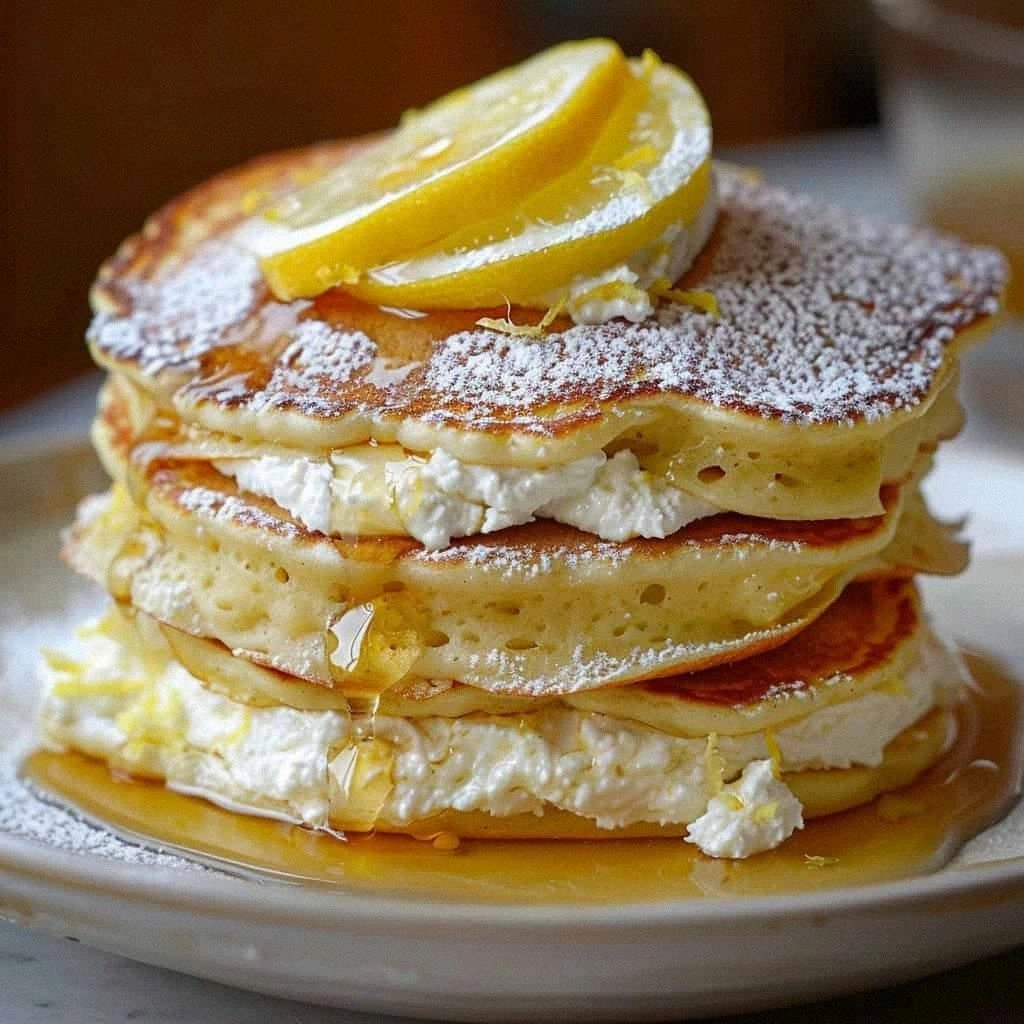
I still remember the morning I ruined an entire batch of pancakes so spectacularly that the smoke alarm serenaded the whole neighborhood. My crime? Over-mixing the batter until it turned into rubbery frisbees that could have doubled as hockey pucks. Fast forward through three caffeine-fuelled trials, a frantic grocery run for more lemons, and one very patient dog who still believes every dropped pancake is a gift from the breakfast gods, and I finally cracked the code. These lemon ricotta pancakes are the edible apology letter to every brunch guest who ever chewed through my earlier attempts. They rise like they've got places to be, smell like Sicilian sunshine, and taste so airy you'll swear they might float off the plate if you don't anchor them with syrup.
Picture this: it's Sunday, you're still in that fuzzy robe with the coffee stain that won't come out, and the first forkful hits your tongue. The edges shatter delicately, the centers are custard-silky from the ricotta, and bright lemon zest pops like tiny citrus fireworks while you chew. That's the moment you'll forgive me for insisting you buy real ricotta instead of reaching for the chalky cottage cheese substitute lurking in your fridge. If you've ever struggled with flat, gummy, or tragically dense pancakes, you're not alone — and I've got the fix that will make your spatula feel like a magic wand.
Here's the game-changer nobody expects: ricotta isn't just a creamy addition, it's a structural revolution. The cheese proteins weave around the gluten strands, keeping them relaxed so the pancakes puff instead of toughen. Add lemon at the wrong moment and you wreck that delicate balance, turning batter grey and bitter. I'll show you exactly when to fold in the zest so the oils stay vibrant and the acid doesn't curdle your breakfast before it hits the griddle. By the end of this, you'll wonder how you ever made it any other way.
Let me walk you through every single step — from choosing ricotta that tastes like clouds instead of chalk, to the flip that feels like a tiny circus act, to the syrup trick that makes maple sing harmony with citrus. Grab your whisk, channel your inner brunch warrior, and prepare for the applause when you slide a stack of these golden beauties onto the table.
What Makes This Version Stand Out
Ricotta Magic: Most recipes treat ricotta like a minor character, but here it's the co-star. The cheese's micro-curds create steam pockets that inflate the pancakes to soufflé heights, while keeping the crumb moist even if your cousin insists on drowning his stack in syrup.
Two-Stage Lemon: Zest goes into the batter for perfume, juice gets whisked into maple at the table for a bright finish. This dual approach gives you layers of citrus instead of a one-note tang that screams "furniture polish."
Overnight Option: Mix the dries and wets separately, fridge them, and you can sleep in. Come morning, fold, griddle, and accept the cheers as if you slaved for hours. Future pacing never tasted so good.
Texture Tightrope: These pancakes straddle the line between flapjack and pancake-shaped cheesecake. The edges crisp like thin sugar cookies while the centers stay custardy. If you've ever wished breakfast could feel like dessert without the guilt, this is your golden ticket.
Pantry Friendly: No buttermilk? No problem. The acid in lemon juice thickens plain milk in two minutes. No ricotta? I'll forgive you once and tell you how to strain yogurt into a convincing understudy.
Crowd Control: The batter holds for an hour on the counter without deflating, which means you can pour mimosas and still serve everyone hot cakes at the same time. Brunch hosts, rejoice — your social life just got a promotion.
Alright, let's break down exactly what goes into this masterpiece...
Inside the Ingredient List
The Flavor Base
Ricotta cheese is the silent hero here, but not all tubs are created equal. Look for labels that list only milk, salt, and starter cultures — anything with gums or stabilizers will glue your batter into a chewy mess. Whole milk ricotta gives you the creamiest texture, but part-skim works if you're trying to justify thirds. If your only option is grainy supermarket stuff, blitz it in the food processor for thirty seconds and pretend you're fancy. Skipping ricotta is like removing the bass line from your favorite song: technically possible, but why live like that?
Lemon zest delivers the top notes, so grab unwaxed fruit if you can. Those essential oils live in the colored part of the peel; the white pith underneath tastes like bitter regret. A microplane is your best friend here — it shaves off the aromatic layer while leaving the bitterness behind. One medium lemon usually yields the tablespoon you need, but buy two because you'll want extra wedges for the table. Zest right before mixing; those oils evaporate faster than your willpower at a dessert buffet.
The Texture Crew
All-purpose flour keeps things light, but the real trick is sifting it after measuring. That extra air prevents over-mixing, which is the fast lane to pancake rubber. If you're feeling rebellious, swap in one quarter cup of cake flour for an even softer bite. Whole wheat pastry flour works too, though your cakes will be slightly denser and nuttier. Either way, give the flour a good whisk before it joins the party so the leavening agents distribute evenly.
Baking powder and baking soda work as a tag team here. The powder provides lift over time, while soda reacts instantly with the lemon juice for an early puff. If your soda's been sitting in the fridge absorbing pickle smells, toss it; old leaveners create sad, pale discs. Test freshness by dropping a pinch into vinegar — if it fizzes like a middle-school volcano, you're golden.
The Unexpected Star
Milk ties everything together, but temperature matters more than fat content. Cold milk keeps the ricotta from melting into the batter, which preserves those creamy pockets. If you only have 2%, add an extra teaspoon of melted butter to compensate. Dairy-free? Oat milk foams beautifully and won't fight the lemon. Just avoid anything sweetened or flavored unless you want breakfast that tastes like a candle.
The Final Flourish
Eggs provide structure, but beat them just enough to combine yolks and whites. Over-whisking incorporates air that will collapse later, leaving you with cratered cakes. Room temperature eggs mix more easily, so set them on the counter while the griddle heats. If you forget, submerge cold eggs in warm tap water for five minutes and pretend you planned it.
Everything's prepped? Good. Let's get into the real action...
The Method — Step by Step
-
Start by whisking the ricotta in a large bowl until it looks like spreadable clouds — about thirty seconds. You're not trying to whip air in, just breaking up the bigger curds so they disappear into the batter later. Add the sugar and whisk again; the grains act like sandpaper, smoothing the cheese further. Crack in the eggs and keep whisking until the mixture looks like pale yellow silk. If you see pea-sized lumps, keep going; those will show up as white freckles on your finished cakes and nobody wants that.
-
Now pour in the milk, lemon juice, and zest. Stir just until everything is streaky and marbled. The acid will start to thicken the dairy, creating tiny curds that add body to the final texture. Resist the urge to over-mix; you want a loose, almost pourable yogurt consistency. Give it a quick sniff — it should smell like lemon cheesecake and Saturday morning optimism.
In a separate bowl, sift together flour, baking powder, baking soda, and salt. Sifting sounds fussy, but it's the difference between biting into a salty pocket and tasting evenly seasoned fluff. Whisk the dry team for a full ten seconds so the leaveners disperse. Make a well in the center like you're about to sauce pasta; this little crater catches the wet ingredients and prevents flour bombs when you combine.
Scrape the ricotta mixture into the well. Using a rubber spatula, fold everything together with a slow, sweeping motion that scoops from the bottom up. Rotate the bowl a quarter turn after every fold. Stop when you still see a few floury streaks; those will hydrate as the batter rests. Over-mixing here develops gluten and gives you crepes with gym memberships.
Let the batter nap for ten minutes. During this time the flour hydrates, the starches swell, and the baking powder starts its slow fizz. The mixture will thicken slightly — that's your cue to heat the pan. Use this break to set out plates, warm syrup, and admire how your kitchen already smells like a bakery in Positano.
Place a well-seasoned cast-iron pan or non-stick griddle over medium heat. You want the surface hot enough that a drop of water skitters like a nervous bead, but not so hot that butter burns on contact. Swipe on just enough butter to leave a sheer film; too much and your cakes will fry unevenly. The sizzle when it hits the pan? Absolute perfection.
Scoop the batter using a lightly greased quarter-cup measure, leaving two inches between cakes. They'll spread into perfect three-inch rounds. Cook until the edges look set and the surface is pocked with tiny bubbles that burst and stay open — about two and a half minutes. Peek underneath; it should be golden with lacy frills. Flip confidently with a thin spatula, then cook the second side for just under two minutes. Press gently in the center — if it springs back, you're done.
Transfer finished pancakes to a wire rack set inside a rimmed baking sheet and keep them in a 200°F oven. The rack prevents steam from sogging the bottoms, and the low heat sets the crumb without drying them out. Resist stacking on a plate; the weight compresses all that beautiful loft you just coaxed into existence. Continue with the remaining batter, re-greasing the pan only when the surface looks dry.
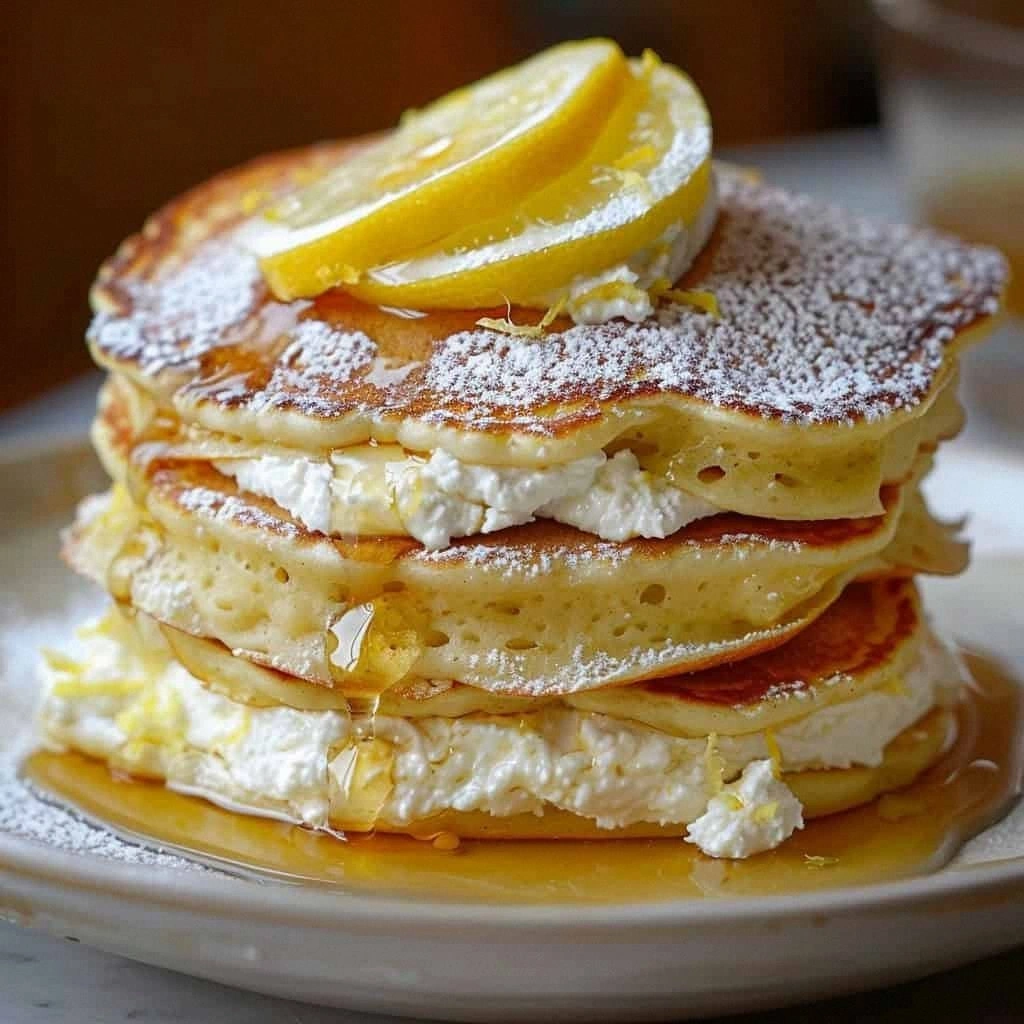
Serve in a loose shingled pile so everyone can see the browned edges. Dust with powdered sugar through a fine sieve held high — the sugar drifts down like edible snow. Pass maple syrup spiked with a squeeze of lemon and watch faces light up when bright citrus cuts through the caramel. I dare you to taste this and not go back for seconds.
That's it — you did it. But hold on, I've got a few more tricks that'll take this to another level...
Insider Tricks for Flawless Results
The Temperature Rule Nobody Follows
Most home cooks crank the burner to medium-high and wonder why the outsides carbonize before the centers cook through. Medium is your sweet spot, but every stove lies. After preheating, hover your hand two inches above the surface — you should feel steady warmth, not a slap of heat. If butter melts in under five seconds and foams aggressively, dial it down. The perfect pace is a gentle sizzle that sounds like distant applause. Too low and the cakes will spread into pale pancakes; too high and you'll have scorched frisbees. Trust your ears more than the knob.
Why Your Nose Knows Best
When the first whiff of toasted butter and lemon drifts up, you're thirty seconds from flip time. That aroma signals the Maillard reaction kicking in, creating hundreds of nutty, caramelized compounds. If you smell browning before you see bubbles on the surface, your heat is creeping up. Adjust immediately. Conversely, if two minutes pass with no perfume, bump the heat a notch. Your nose is the built-in timer most recipes forget to mention. A friend tried skipping this step once — let's just say it didn't end well, and her dog still won't look at a pancake.
The 5-Minute Rest That Changes Everything
After mixing, cover the bowl with a plate and walk away. During this pause, flour starches hydrate fully, which thickens the batter and prevents spread. Baking powder starts its double-action fizz, so your cakes rise higher and stay risen. Think of it as a pre-game stretch for your batter. I use the time to set out pretty plates, slice berries, and warm syrup so nobody eats cold cakes while waiting for the condiment relay. Future pacing at its finest.
Creative Twists and Variations
This recipe is a playground. Here are some of my favorite ways to switch things up:
Blueberry Burst
Fold a cup of fresh blueberries into the finished batter just before cooking. The juices create purple sunbursts and each bite pops like fruity caviar. Frozen berries work too — don't thaw them or they'll tint the whole batter grey. Add an extra teaspoon of sugar to balance the tart varieties. Lemon and blueberry are the power couple of the fruit world.
Poppy Seed Perfume
Stir two tablespoons of poppy seeds into the dry mix. Their nutty crunch plays off the creamy ricotta like a culinary drum solo. The seeds also add tiny flecks that make the cakes look like they belong in a bakery case. Serve with honey thinned with a squeeze of orange for a classic combo that feels brand new.
Coconut Dream
Replace half the milk with full-fat coconut milk and swap lemon zest for lime. The tropical fragrance will transport you to a beach where calories don't count. Toast sweetened shredded coconut in a dry pan until golden and sprinkle between layers for texture. Maple still works, but passion-fruit syrup will make you weep happy tears.
Chocolate Chip Clouds
Fold in mini semi-sweet chips after the batter rests. The tiny chips melt into puddles of ganache without sinking. Use a light hand — half a cup is plenty — so the lemon still sings. Kids go feral for these, and adults pretend they're too sophisticated until nobody's looking.
Rosemary Lemonade
Steep a sprig of fresh rosemary in the milk while you prep everything else. Remove before mixing. The herbaceous note makes grown-ups feel fancy and turns brunch into a garden party. Pair with lemon-rosemary syrup for a double dose of sophistication.
Ginger Snap
Whisk a teaspoon of ground ginger and a tablespoon of finely chopped crystallized ginger into the dry ingredients. The spice warms the back of your throat while the lemon keeps things bright. Top with a dollop of lemon-ginger whipped cream for a brunch that doubles as dessert.
Storing and Bringing It Back to Life
Fridge Storage
Cool leftovers completely on a rack, then stack in an airtight container with sheets of parchment between each cake. They'll keep for up to four days, though texture starts to fade after day two. Don't seal them while warm or condensation will turn your fluffy stacks into damp disks. Store syrup separately so it doesn't soak through and create sad, soggy strata.
Freezer Friendly
Flash-freeze pancakes in a single layer on a baking sheet for an hour, then transfer to zip-top bags with the air pressed out. They'll keep for two months without freezer burn. Label the bag; future you will not remember if these are lemon or plain. Reheat straight from frozen — no need to thaw and create mush.
Best Reheating Method
Oven at 350°F on a rack set over a sheet pan for six minutes beats the microwave every time. Hot air circulates and revives the crispy edges while the centers warm through. Add a tiny splash of water to the sheet before covering with foil; the steam brings back the fluff without sogginess. Microwave works in a pinch — wrap a damp paper towel around a single pancake and zap for twenty seconds. But trust me, the oven method tastes dangerously close to fresh.