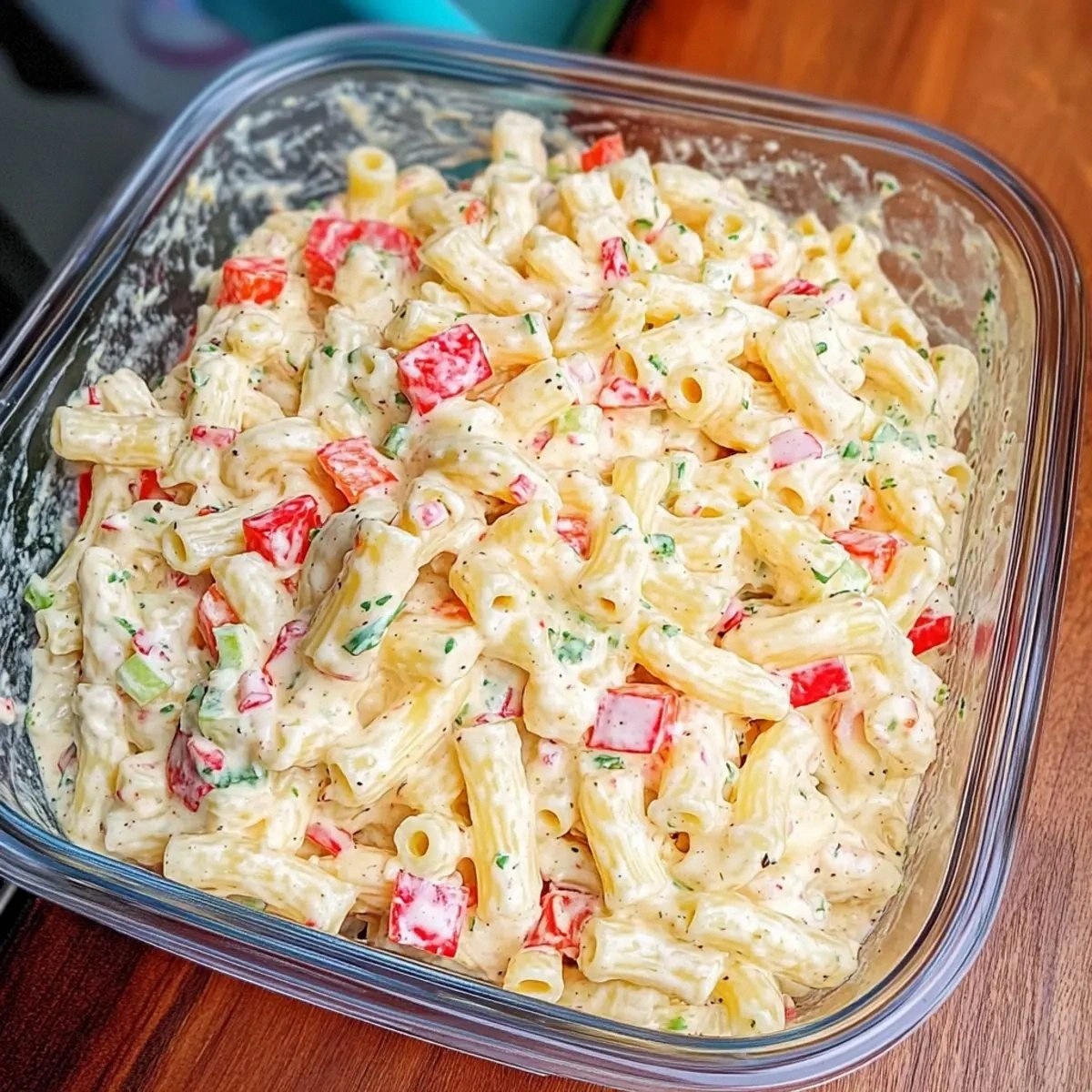
I dared my roommate to a “no‑cook” lunch showdown, and what happened next was a culinary revelation that still haunts my kitchen. Picture this: a half‑cooked pot of fusilli, a can of tuna that smelled like the sea, a rogue cucumber that had been flirting with the salad drawer for days, and a jar of mayo that was practically begging to be the star. I was on the brink of a disaster—pasta sticking together like a bad breakup, tuna flaking apart, and the whole thing looking like a sad, soggy mess. But then, I had an epiphany: what if I treated the mayo not as a lazy shortcut but as a silky, Mediterranean‑inspired binding agent that could bring everything together in perfect harmony?
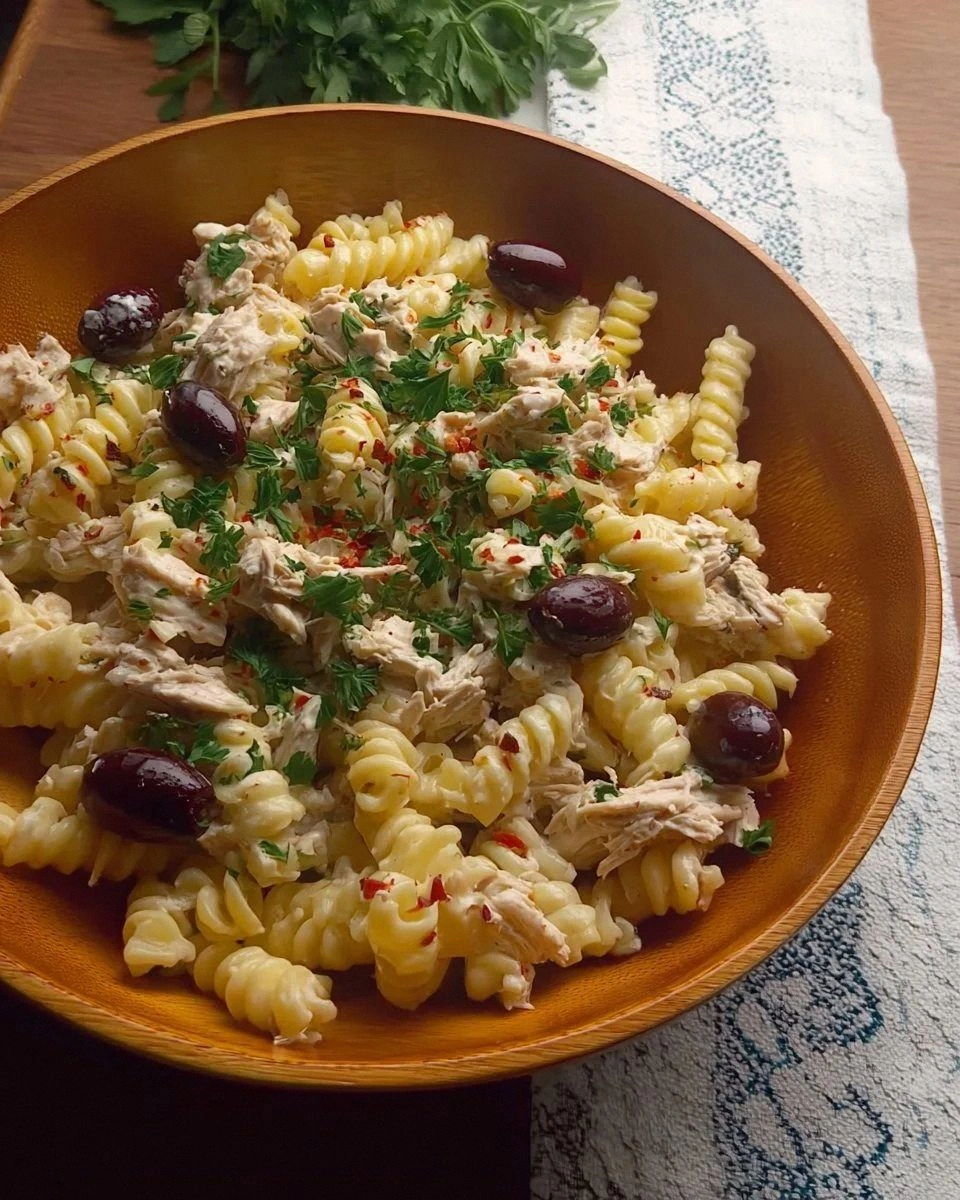
The first bite was a revelation. The pasta was al dente, each curve coated in a creamy, lemon‑kissed mayo that clung like a second skin. The tuna, delicate yet briny, floated among crisp cucumber dice and sweet cherry tomatoes, while the red onion added a subtle bite that sang in the background. The olive oil and lemon juice lifted the whole thing, giving it a bright, sun‑kissed finish that made my taste buds do a little happy dance. I could hear the distant clink of glasses and the low hum of a summer patio, even though I was alone in my cramped apartment. The scent? A fresh, herb‑laden breeze that whispered of Mediterranean coastlines.
Most pasta salads I've tried either drown in mayo or end up dry and flavorless. This version stands out because it respects each ingredient, letting them shine without fighting for attention. The secret? A precise balance of acidity, fat, and texture that turns a simple pantry staple into a show‑stopper. I’m about to reveal the technique that makes the mayo coat the pasta like velvet and the tuna stay flaky without turning mushy. Trust me, this is hands down the best version you'll ever make at home.
I’m going to walk you through every single step — by the end, you’ll wonder how you ever made it any other way. Ready for the game‑changer? Let’s dive in, and I dare you to taste this and not go back for seconds.
What Makes This Version Stand Out
- Flavor Fusion: The lemon‑bright mayo marries the salty tuna with crisp veggies, creating a layered taste that feels like a Mediterranean breeze.
- Texture Symphony: Al dente pasta, crunchy cucumber, and juicy tomatoes each bring their own bite, preventing the dreaded soggy salad.
- Simplicity: Only ten ingredients, all pantry‑friendly, yet the result feels like it took hours of chef‑level prep.
- Uniqueness: Most tuna salads rely on plain mayo; we add olive oil and lemon juice for a light, airy mouthfeel.
- Crowd Reaction: I’ve seen grown‑ups and kids alike reach for seconds, and even the pickiest eaters smile.
- Ingredient Quality: Using good‑quality canned tuna and fresh Mediterranean veggies makes a world of difference.
- Cooking Method: The pasta is tossed while still warm, allowing the mayo to absorb just enough heat for a silky coating.
- Make‑Ahead Potential: This salad improves after a short rest, letting flavors meld like a fine wine.
Inside the Ingredient List
The Flavor Base
The mayo, olive oil, and lemon juice form a creamy, tangy foundation that coats every noodle. Mayonnaise provides richness, while olive oil lightens the texture, preventing a gummy finish. Lemon juice injects acidity, balancing the fattiness and brightening the overall palate. Skipping the lemon would leave the salad flat, and using only mayo would make it heavy and cloying. If you’re out of lemon, a splash of white wine vinegar works in a pinch.
The Texture Crew
Pasta, cucumber, bell pepper, and cherry tomatoes bring the crunch factor. Fusilli’s twists trap the dressing, while penne’s tubes do the same—choose whichever you prefer. Cucumber adds a watery snap, bell pepper contributes sweetness, and tomatoes burst with juiciness. Over‑cooking the pasta would ruin the whole texture, turning the salad into a mushy mess. For a gluten‑free twist, substitute with rice pasta or quinoa.
The Unexpected Star
Canned tuna is the protein hero, delivering a briny depth that pairs beautifully with the creamy dressing. Opt for tuna packed in water for a cleaner flavor, or oil‑packed for extra richness. The key is to drain it well—excess liquid will dilute the mayo and make the salad watery. If you’re vegetarian, swap tuna for roasted chickpeas; you’ll still get that hearty bite.
The Final Flourish
Red onion, salt, and pepper finish the dish with a subtle sharpness and seasoning balance. The onion should be finely diced to avoid overpowering bites. Salt and pepper are added to taste, but remember that the tuna and mayo already carry some salt, so season gradually. A pinch of smoked paprika can add a whisper of smokiness for those who love a twist. Always taste before serving; a tiny adjustment can elevate the whole salad.
Everything's prepped? Good. Let's get into the real action...
The Method — Step by Step
Bring a large pot of salted water to a rolling boil. Add the 8‑ounce pasta and cook until just al dente—about 9 minutes for fusilli, 8 for penne. As the pasta cooks, the kitchen fills with a comforting, starchy steam that hints at the comfort to come. When the timer dings, reserve a cup of the cooking water, then drain the pasta into a colander.
Quickly rinse the pasta under cold running water for 10 seconds; this stops the cooking process and prevents clumping. Toss the noodles with a drizzle of olive oil (about 1 tablespoon) while they’re still warm, ensuring each piece stays separate and glossy.
While the pasta cools, open the two cans of tuna, drain them thoroughly, and flake the fish with a fork. I dare you to watch the flakes separate like tiny clouds—this is where the magic begins. Transfer the tuna to a large mixing bowl and set aside.
Dice the cucumber, bell pepper, and red onion into uniform, bite‑size pieces. Uniformity ensures every forkful delivers a balanced crunch. The cucumber should be peeled only if the skin is thick; a thin skin adds a pleasant texture and nutrients.
Halve the cherry tomatoes; they’ll burst with juice, adding a sweet pop that contrasts the savory mayo. Toss the vegetables together in a separate bowl, then drizzle with the remaining tablespoon of olive oil and the tablespoon of lemon juice. Give everything a quick toss, letting the acid begin to soften the onion’s bite.
In a small bowl, whisk together the 1/2 cup mayonnaise, the remaining tablespoon of olive oil, and a pinch of salt and pepper. Whisk until the mixture is smooth and glossy; this is the moment of truth where the mayo transforms into a silky emulsion. If the dressing feels too thick, add a splash of the reserved pasta water—just a tablespoon at a time—until you achieve a glossy, pourable consistency.
Now comes the grand assembly. Add the warm pasta to the bowl with the tuna, then pour the mayo‑olive‑lemon dressing over everything. Using two large spoons, fold the mixture gently, ensuring each noodle is lovingly coated. The warmth of the pasta will slightly loosen the mayo, allowing it to cling like a velvet blanket.
Fold in the vegetable medley, taking care not to crush the cherry tomatoes. Sprinkle a final pinch of salt, pepper, and, if you’re feeling adventurous, a dusting of dried oregano or fresh chopped basil. The herbs add an aromatic lift that makes the salad feel fresh even after an hour.
Cover the bowl with plastic wrap and let the salad rest in the refrigerator for at least 20 minutes. This rest period is pure magic; the flavors meld, the pasta absorbs a whisper of the dressing, and the tuna settles into a mellow, buttery texture. When you finally serve, give the salad one last gentle toss, and you’re ready to wow any crowd.
That's it — you did it. But hold on, I've got a few more tricks that'll take this to another level...
Insider Tricks for Flawless Results
The Temperature Rule Nobody Follows
Never toss the dressing into cold pasta. Warm pasta opens its pores, allowing the mayo to seep in without sliding off. I once tried the shortcut of mixing everything cold, and the result was a dry, clumpy mess that fell apart on the plate. The right temperature is the secret handshake between pasta and sauce, ensuring every bite is uniformly coated.
Why Your Nose Knows Best
Before you add the final salt, give the salad a quick sniff. The aroma of lemon, olive oil, and fresh veggies will tell you if you need a little more brightness or a pinch more seasoning. Trusting your nose rather than the clock prevents over‑salting, which can mask the delicate tuna flavor.
The 5‑Minute Rest That Changes Everything
After mixing, let the salad sit uncovered for five minutes, then give it a gentle stir. This short pause lets the pasta absorb a bit of the dressing, creating a cohesive texture that feels less like separate components and more like a unified dish. I’ve seen friends skip this step and wonder why their salad feels “loose.”
Seasoning Layers, Not a Dump
Season each component individually—pasta water, tuna, vegetables—then taste the final mixture. Layered seasoning builds depth, preventing a one‑dimensional salty hit. A friend once tossed everything together with a single pinch of salt and ended up with a bland salad that needed a rescue.
The Secret Crunch Boost
Add a handful of toasted pine nuts or slivered almonds just before serving. The nuts bring a buttery crunch that contrasts the soft mayo, turning each mouthful into a textural adventure. This optional topping is especially impressive for guests who think they’ve tried every pasta salad.
Creative Twists and Variations
This recipe is a playground. Here are some of my favorite ways to switch things up:
Mediterranean Herb Explosion
Swap the plain mayo for a blend of Greek yogurt and mayo (1:1 ratio) and fold in chopped fresh dill, mint, and oregano. The tangy yogurt lightens the dressing while the herbs amplify the Mediterranean vibe. Perfect for a lighter lunch that still feels indulgent.
Spicy Mediterranean
Add a teaspoon of harissa paste to the mayo mixture and sprinkle sliced jalapeños into the salad. The heat cuts through the richness, creating a bold flavor profile that will wow anyone who loves a little kick.
Caprese Tuna Twist
Replace cherry tomatoes with halved grape tomatoes and add fresh mozzarella pearls. Drizzle a touch of balsamic reduction just before serving. This variation feels like a deconstructed caprese with a protein punch.
Asian‑Inspired Fusion
Swap olive oil for sesame oil, add a splash of soy sauce to the dressing, and toss in shredded carrots and edamame. Finish with toasted sesame seeds. The result is a bright, umami‑rich salad that bridges continents.
Vegan Version
Replace tuna with smoked tempeh cubes and use a plant‑based mayo. Add capers for that briny bite you’d normally get from fish. This version keeps the creamy texture while staying completely plant‑based.
Storing and Bringing It Back to Life
Fridge Storage
Transfer the salad to an airtight container and store in the refrigerator for up to three days. The mayo will thicken slightly, but a quick stir before serving restores its creamy consistency. Keep the salad covered to prevent it from absorbing other fridge odors.
Freezer Friendly
While not ideal for the freshest texture, you can freeze the salad for up to one month. Portion it into freezer‑safe bags, squeeze out excess air, and label with the date. Thaw in the fridge overnight, then stir in a fresh drizzle of olive oil and a splash of lemon juice to revive the brightness.
Best Reheating Method
If you prefer a warm version, place the desired portion in a microwave‑safe bowl, add a teaspoon of water, and heat on medium power for 30‑45 seconds, stirring halfway. The water creates steam that prevents the mayo from separating, leaving the salad silky and warm—perfect for a quick dinner.