I was standing in my kitchen, staring at a pot of overcooked pasta that had turned into a sad, mushy mess. The disaster was a warning: if I didn’t find a way to rescue it, dinner would be a culinary catastrophe. That night, a craving for something rich, comforting, and unmistakably umami hit me like a thunderclap. I remembered a friend’s comment about how miso could turn ordinary dishes into extraordinary experiences. I decided to test that theory and create a sauce that would make even the most skeptical foodie swoon.
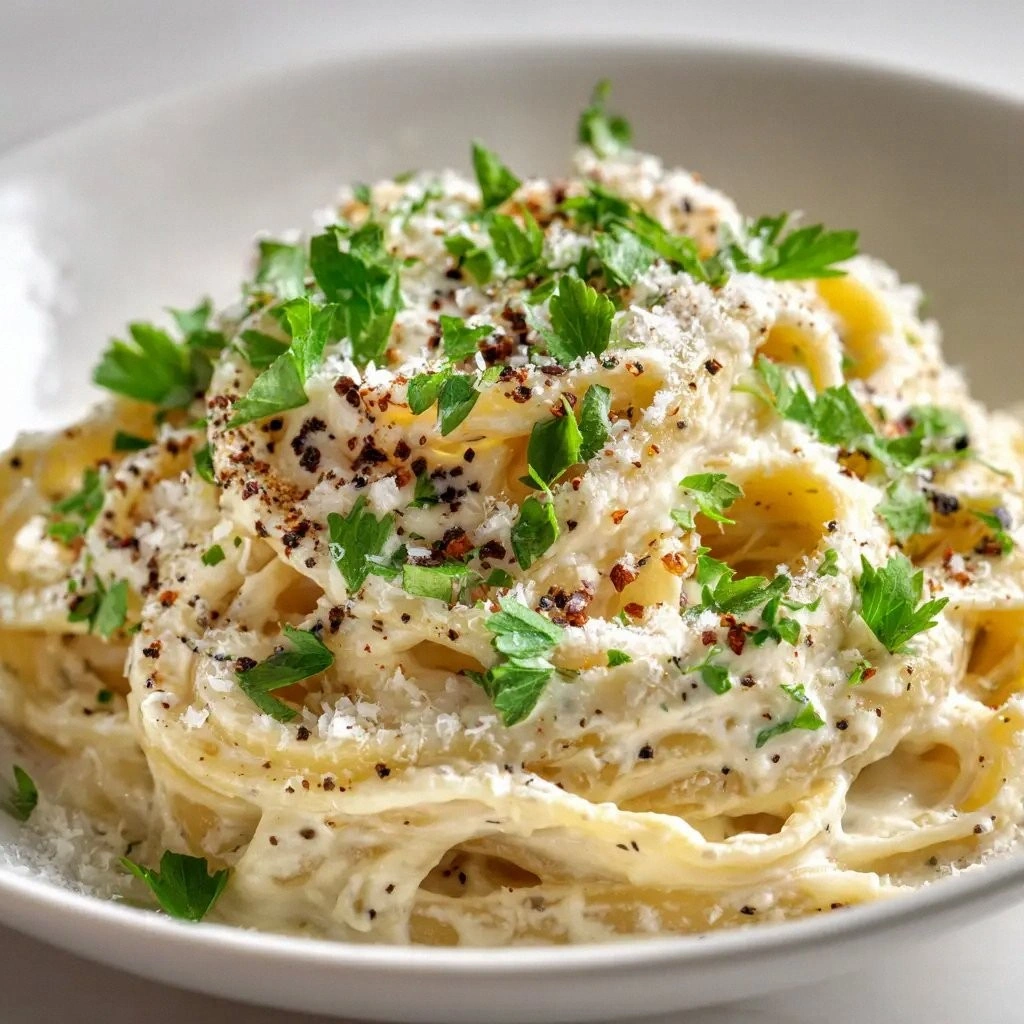
The first time I whisked the miso into the butter, the aroma hit me like a velvet curtain opening to a backstage show. The buttery scent mingled with the sharp, sweet undertones of the miso, creating a scent profile that made my kitchen feel like a cozy, secret speakeasy. The sound of the garlic sautéing was a soft, comforting hiss, almost like a lullaby for my taste buds. The visual of the sauce thickening into a glossy, amber liquid was a promise of something delicious. I could already taste the silky coating that would cling to every strand of pasta.
What sets this version apart is that it doesn’t rely on a heavy cream or a splash of wine to lift the flavor; the miso itself is the star, a humble paste that carries centuries of fermented history. The sauce is a quick 45‑minute affair, meaning you can go from stovetop to table without waiting for a pot to boil for an hour. I dare you to taste this and not go back for seconds; the umami depth will have you reaching for more. Most recipes get this completely wrong by over‑cooking the garlic or under‑seasoning the sauce. Here’s what actually works: a gentle butter base, a quick miso addition, and a splash of pasta water to balance the richness. Picture yourself pulling this out of the oven, the whole kitchen smelling incredible, and knowing you just made the best version you’ll ever have at home.
Let me walk you through every single step — by the end, you’ll wonder how you ever made it any other way. I’ll share the exact quantities, the timing nuances, and the small tricks that elevate this dish from good to unforgettable. I’ll also reveal a secret ingredient that most people overlook but that makes the sauce sing. The journey will feel like a cooking adventure, with plenty of humor and a few kitchen fails along the way. Ready? Let’s dive into the ingredients that will make your pasta dance.
What Makes This Version Stand Out
- Umami: The white miso brings a clean, savory depth that cuts through the richness of butter and cream, creating a sauce that feels both indulgent and balanced. This single ingredient transforms the dish into a flavor powerhouse that’s surprisingly light.
- Texture: The sauce coats the pasta like velvet, with a silky mouthfeel that melts in your mouth and keeps every strand from drying out. The combination of butter, cream, and miso creates a smooth consistency that’s neither too thick nor too runny.
- Speed: You can have a restaurant‑quality sauce on your table in just 45 minutes. The quick sauté and the use of pasta water mean you’re not spending hours in the kitchen.
- Simplicity: No fancy tools or exotic ingredients are required. All you need is a skillet, a whisk, and a few pantry staples.
- Crowd‑pleaser: Friends and family will immediately notice the difference, and the sauce is versatile enough to pair with shrimp, chicken, or a simple green salad.
- Balance: The sauce hits the sweet spot between savory and creamy, with a gentle pepper finish that brightens the dish without overpowering the miso.
- Make‑ahead: The sauce can be made ahead and refrigerated; it will thicken slightly, so just add a splash of pasta water before reheating.
- Visual Appeal: The glossy amber hue of the sauce, punctuated by fresh scallions or toasted sesame seeds, makes the dish Instagram‑ready.
Inside the Ingredient List
The Flavor Base
Linguine or spaghetti is the canvas for our sauce; it’s essential to choose a pasta that holds its shape well. The pasta’s surface texture allows the sauce to cling, creating a harmonious bite. If you’re feeling adventurous, try a whole‑wheat version for added fiber and nuttiness. Skipping the pasta would mean you’re missing the heart of the dish, so don’t cut corners here. The type of pasta you select also influences the final mouthfeel; a thicker strand offers a more substantial chew.
Unsalted butter is the backbone of the sauce, lending richness without overpowering the miso’s delicate flavor. It also helps carry the garlic’s aroma throughout the dish. If you’re watching sodium, choose a butter with a lower salt content to keep the overall dish balanced. Butter can be substituted with a neutral oil for a lighter version, but you’ll lose that buttery depth. The key is to melt the butter just enough to create a smooth base for the garlic.
Garlic is the aromatic hero that brings warmth and depth. Mince it finely so it releases its essential oils without forming large clumps. If you prefer a milder garlic profile, reduce the cloves to two; for a more robust hit, keep all three. Garlic’s flavor can dominate if overcooked, so keep the heat moderate. Remember, the goal is a fragrant, not burnt, garlic presence that complements the miso.
The Creamy Crew
Heavy cream adds body and a silky finish, counterbalancing the miso’s saltiness. It also helps to smooth out the sauce’s texture, making it cling to every strand of pasta. If you’re looking to cut calories, you can replace the cream with half-and-half or a dairy‑free alternative, though the richness will be slightly altered. The cream should be added after the miso has dissolved to prevent curdling. A gentle simmer allows the cream to meld with the butter and miso without scorching.
Parmesan cheese contributes a nutty depth and a subtle umami boost. Grated finely ensures it melts evenly and integrates seamlessly into the sauce. If you’re avoiding dairy, try a vegan Parmesan or nutritional yeast for a similar flavor profile. The cheese also helps thicken the sauce slightly, creating a more cohesive coating. Always add the cheese after the cream, so the heat can melt it without breaking down the flavor.
Reserved pasta water is the secret weapon that keeps the sauce from becoming too thick. Its starch content helps bind the sauce to the pasta, giving it a glossy sheen. Add it gradually, tasting as you go, until you reach the desired consistency. If the sauce becomes too thin, simply let it simmer a bit longer to reduce. The pasta water also helps maintain the sauce’s temperature, preventing it from cooling too quickly.
The Secret Star
White miso paste is the flavor engine of this sauce. Its bright, slightly sweet profile balances the richness of butter and cream. Shiro miso is particularly mild, making it ideal for those who want a subtle umami punch without overpowering the dish. If you can’t find white miso, a light yellow miso will also work, though it will introduce a slightly different flavor. The miso’s fermented character adds depth that no amount of salt can replicate.
The Final Flourish
Freshly cracked black pepper adds a subtle heat that brightens the sauce without overpowering the miso. It’s best added at the end, so the pepper’s aroma remains vibrant. If you prefer a spicier kick, consider adding a pinch of red pepper flakes or a splash of chili oil. Pepper also helps balance the sweetness of the miso, creating a more rounded flavor profile. Be careful not to over‑pepper, as it can mask the other delicate notes.
Sliced scallions or toasted sesame seeds provide a textural contrast and a burst of freshness. Scallions bring a mild onion flavor that complements the garlic, while sesame seeds add a nutty crunch. If you’re feeling adventurous, try a mix of both for a layered experience. These toppings also add a pop of color, making the dish visually appealing. Remember to toast sesame seeds lightly to bring out their full flavor.
Everything’s prepped? Good. Let’s get into the real action and watch this sauce transform your pasta into a masterpiece.
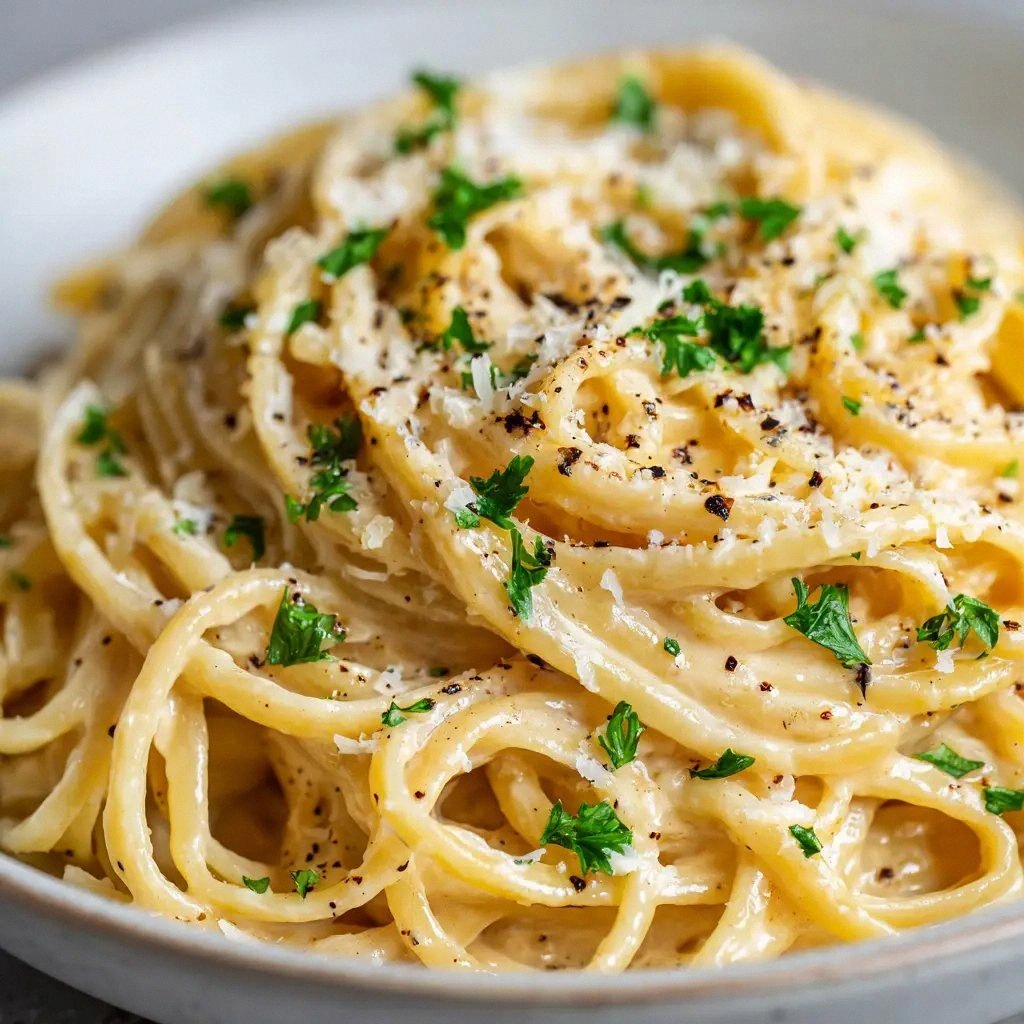
The Method — Step by Step
- Bring a large pot of salted water to a rolling boil and add 12 oz of linguine. Cook until al dente, about 8–9 minutes, then reserve 1 cup of pasta water before draining. The pasta should feel firm to the bite; this texture will hold the sauce beautifully. The boiling water’s steam will carry the aroma of the pasta, setting the stage for the sauce. Set the pasta aside in a warm bowl to keep it from drying out.
- While the pasta cooks, melt 4 Tbsp of unsalted butter in a large skillet over medium heat. Add 3 minced cloves of garlic and sauté until fragrant, about 30 seconds. Keep the heat moderate so the garlic doesn’t brown or burn; a bright, golden butter is the goal. The butter will carry the garlic’s aroma into the sauce, creating a fragrant base. This is the foundation for the creamy texture.
- Reduce heat to low and pour in 3 Tbsp of white miso paste, whisking constantly until fully dissolved. The miso will thicken the butter into a silky sauce. Watch the color shift to a golden amber, signaling the miso’s integration. This step is crucial; if miso is added too hot it can lose its subtle sweetness. Remember: a gentle simmer preserves the umami.
- Stir in ½ cup of heavy cream and let the mixture gently simmer for 2 minutes. The cream will mellow the miso’s saltiness and add body. Keep the mixture from boiling; you want a silky, not a frothy, texture. The aroma will become rich and comforting. This is the moment of truth.
- Add ½ cup of grated Parmesan cheese and stir until melted. The cheese adds depth and a nutty finish. It also helps thicken the sauce slightly. Watch for the sauce to start pulling away from the pan edges. If it gets too thick, add a splash of pasta water to loosen it.
- Toss in the drained linguine, stirring to coat each strand. The pasta water helps the sauce adhere and keeps it from clumping. Let the pasta heat through for 1–2 minutes. The sauce should cling to the noodles like a silky blanket. This step ensures every bite is full of flavor.
- Season with freshly cracked black pepper, tasting and adjusting as needed. The pepper adds a subtle heat that balances the richness. A light hand is best; the miso already carries plenty of umami. Sprinkle in sliced scallions or toasted sesame seeds for texture. This is where the dish gets that final pop.
- Serve immediately, perhaps with a sprinkle of extra Parmesan or a drizzle of olive oil. Plate the pasta in a shallow bowl or wide dish to showcase the glossy sauce. Garnish with a few more scallions or a dusting of sesame seeds. The dish is now ready to impress. If you’re feeling adventurous, pair with a light salad or steamed vegetables to cut through the richness.
That's it — you did it. But hold on, I've got a few more tricks that'll take this to another level. Stay tuned for insider secrets that will make your sauce shine even brighter.
Insider Tricks for Flawless Results
The Temperature Rule Nobody Follows
Many cooks over‑heat the butter, causing the miso to scorch and lose its subtle sweetness. Keep the heat low when adding the miso, and let it dissolve slowly. This preserves the delicate umami notes that define the sauce. I once tried a high‑heat method and the sauce tasted burnt; the lesson was clear. Always aim for a gentle simmer to keep the flavors intact.
Why Your Nose Knows Best
Before you taste the sauce, pause and inhale. A well‑balanced sauce will emit a buttery, garlicky aroma with a faint sweet undertone from the miso. If the scent feels too sharp or metallic, the miso may have burned. Using your nose as a guide ensures the sauce reaches its full potential.
The 5‑Minute Rest That Changes Everything
After draining the pasta, let it rest in a warm bowl for 5 minutes. This brief pause allows the noodles to absorb the sauce’s heat and flavor. The pasta’s surface also dries slightly, preventing it from becoming mushy. I’ve seen many people skip this step, and the result is a watery sauce. Give it a minute and watch the difference.
The Secret of Butter Choice
Unsalted butter gives you control over the dish’s salt level. If you’re using salted butter, reduce the miso slightly to avoid an overly salty finish. Butter also contributes to the sauce’s smooth mouthfeel; a high‑butter content will create a richer coating. For a lighter version, swap half the butter for a neutral oil.
The Pasta Water Trick
Reserve pasta water before draining; it’s a starch‑rich liquid that acts as a natural thickener. Add it gradually, tasting as you go, to achieve the desired consistency. If the sauce feels too thin, let it reduce a bit more. Adding water too early can dilute the flavor, so wait until after the cheese has melted.
The Finish with Pepper
Pepper should be added at the very end, right before plating. This preserves its bright, aromatic quality and prevents it from losing potency during cooking. A light crack of pepper adds a subtle heat that balances the creamy richness. Don’t overdo it; a pinch is enough to elevate the dish.
Creative Twists and Variations
This recipe is a playground. Here are some of my favorite ways to switch things up:
Spicy Miso Shrimp Pasta
Add a handful of peeled shrimp to the skillet during step 2, sautéing until pink. Sprinkle chili flakes for an extra kick. The shrimp’s natural sweetness complements the miso, creating a balanced flavor profile. This version is perfect for dinner parties or a quick weeknight treat.
Miso Mushroom Pasta
Sauté sliced mushrooms with the garlic, letting them release their earthy aroma. The mushrooms add a meaty texture and deepen the umami. Pair with a drizzle of truffle oil for a gourmet touch. This variation is a hit with mushroom lovers.
Vegan Miso Pasta
Replace heavy cream with coconut milk for a dairy‑free option. Use a vegan Parmesan or nutritional yeast to keep the cheesy note. The coconut milk adds a subtle tropical sweetness that pairs well with the miso. This version is both cruelty‑free and delicious.
Miso Carbonara Twist
Introduce crispy pancetta or bacon during step 2 for a smoky depth. The bacon’s saltiness plays nicely with the miso’s sweetness. Keep the sauce silky by not over‑cooking the bacon. This fusion dish brings together classic carbonara and Asian flavors.
Miso Pesto Fusion
Stir in a spoonful of basil pesto during step 4 for a herby brightness. The pesto adds a fresh green note that balances the rich sauce. This combination is a crowd‑pleaser for those who love both worlds. Serve with a side of crusty bread to mop up the sauce.
Miso Garlic Bread Pasta
Fold in pieces of toasted garlic bread during step 7 for added crunch. The bread’s buttery flavor amplifies the sauce’s richness. This version is a playful take on classic garlic bread, turning it into a pasta topping. It’s great for a casual gathering or a comforting family dinner.
Storing and Bringing It Back to Life
Fridge Storage
Cool the sauce completely before transferring it to an airtight container. Store in the refrigerator for up to 2 days. The sauce will thicken slightly as it cools, so add a splash of pasta water before reheating. Keep it sealed to preserve the fresh aroma. This method is ideal for meal prepping.
Freezer Friendly
Freeze the sauce in a freezer‑safe container for up to 3 months. Thaw overnight in the refrigerator before reheating. When reheating, stir in a little heavy cream or water to restore its silky texture. Freezing is a great way to have a ready‑to‑go sauce on hand for busy nights. Just remember to label the date for freshness.
Best Reheating Method
Reheat the sauce gently on low heat, whisking frequently to prevent separation. Add a tiny splash of water or pasta water to loosen the consistency. Avoid boiling, as it can curdle the cream. Once warmed, toss the sauce with fresh pasta for the best texture. The result will feel as fresh as the first time.