I was standing in my kitchen, staring at the half‑cooked spaghetti that had somehow turned into a soggy, flavorless mess. The sauce I’d poured over it was a bland mix of soy and sugar that tasted like a failed attempt at a dessert. That night, I was craving something that could turn that disaster into a triumph in less than an hour. I decided to rewrite the rules, to make a one‑pot teriyaki noodle dish that would not only rescue the pasta but also bring the kitchen to life with a symphony of aromas and textures.
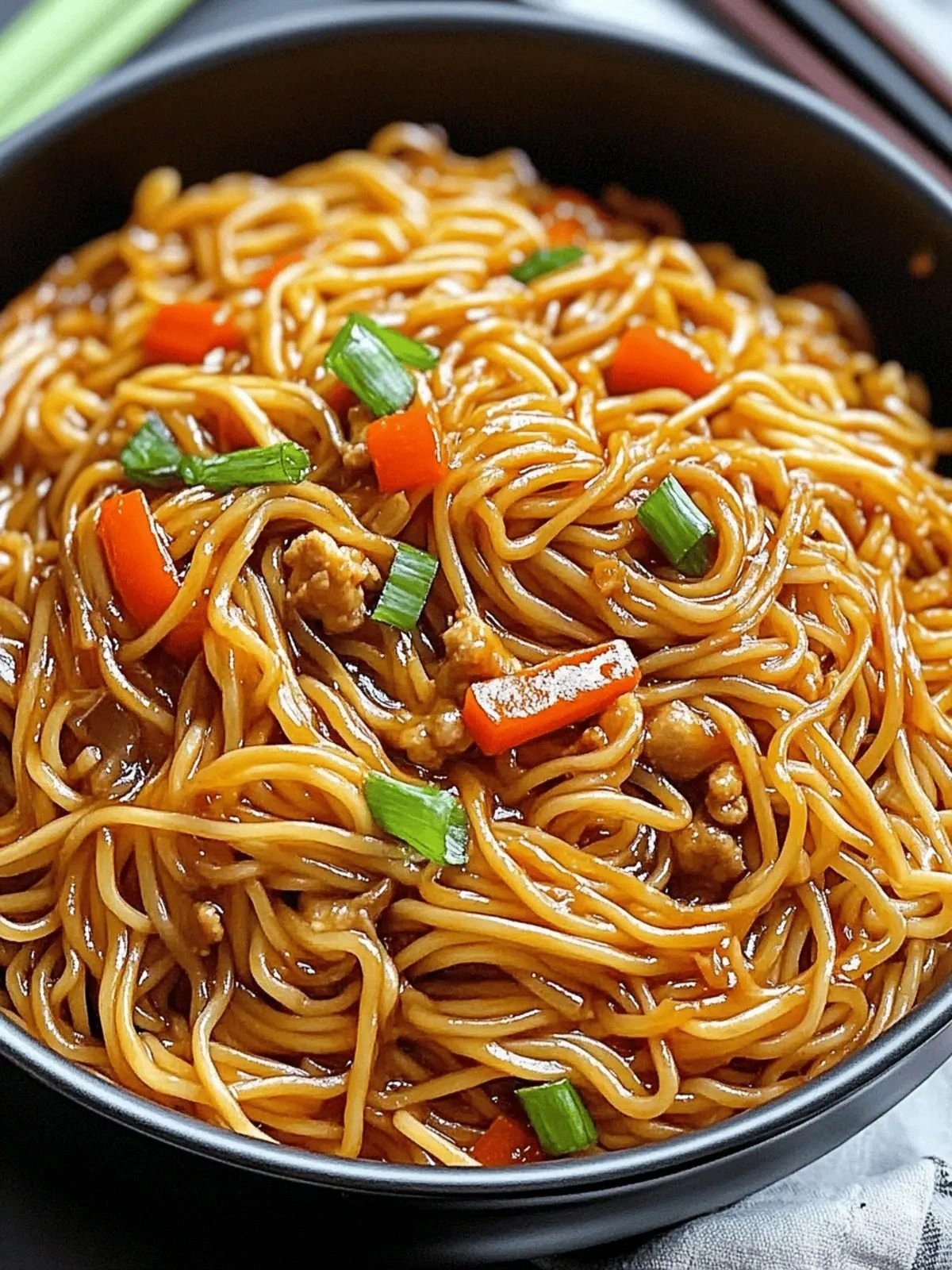
Picture this: a pot on the stove, the hiss of water boiling, and the sweet, umami perfume of soy sauce and brown sugar mingling with the sharp bite of ginger. The sound of the noodles sloshing against the pot is like a gentle lullaby, and the sight of the green cabbage turning translucent, the carrots turning bright orange, and the chicken browning to a perfect golden crust—every element is a visual and tactile delight. The first bite is a burst of sweet, salty, and slightly spicy flavors that coat the pasta like velvet, while the crunch of fresh cabbage and the chew of noodles create a satisfying contrast. I’ve never seen a dish so simple yet so complex in its layers of flavor.
What sets this version apart from every other teriyaki noodle recipe you’ve tried is the one‑pot technique that locks in moisture and flavor, the balanced sweetness that isn’t overpowering, and the use of fresh veggies that give it a crunch and a pop of color. The sauce, made from soy, brown sugar, ginger, mustard, and garlic powder, coats each strand of spaghetti with a glossy sheen. The chicken, sliced thinly, absorbs the sauce and becomes tender, while the cabbage and carrots provide a refreshing bite that prevents the dish from feeling heavy. This isn’t just a recipe; it’s a culinary shortcut that delivers a restaurant‑quality meal in under 45 minutes.
I dare you to taste this and not go back for seconds. I’ll be honest—when I first made it, I ate half the batch before anyone else got a chance. Most recipes get this completely wrong, over‑cooking the noodles or under‑seasoning the sauce. Here’s what actually works: a quick sear, a controlled simmer, and a final splash of sesame seeds to finish. Picture yourself pulling this out of the pot, the whole kitchen smelling incredible, the pot steaming with savory aroma. Let me walk you through every single step—by the end, you’ll wonder how you ever made it any other way.
What Makes This Version Stand Out
- Taste: The sauce balances sweetness and umami perfectly, with a subtle kick from ginger that keeps the palate engaged.
- Texture: Fresh cabbage and carrots add a satisfying crunch that contrasts with the soft noodles and tender chicken.
- Time: One pot, one pan, no cleanup, all done in 45 minutes from start to finish.
- Versatility: Swap the spaghetti for rice noodles or quinoa for a gluten‑free version.
- Scalability: The recipe scales up or down easily, thanks to the precise ingredient ratios.
- Make‑ahead: The sauce can be prepared in advance and refrigerated, cutting down on prep time.
- Freshness: The vegetables are added at the right moment to preserve their color and crunch.
- Presentation: The glossy sauce and vibrant veggies make the dish look as good as it tastes.
Alright, let's break down exactly what goes into this masterpiece…
Inside the Ingredient List
The Flavor Base
Soy sauce and brown sugar form the backbone of the sauce, creating a sweet, salty, and slightly caramelized flavor that coats every noodle. The soy sauce provides depth and umami, while the brown sugar adds a subtle molasses note that balances the saltiness. If you skip the sugar, the sauce will taste flat and overly salty; if you double it, you risk turning the dish into a dessert. For an extra layer of complexity, add a splash of rice vinegar to brighten the profile.
The Texture Crew
The green cabbage and carrots bring crunch and a burst of color that contrasts the soft spaghetti and tender chicken. The cabbage, when cooked just long enough, remains crisp and slightly sweet, while the carrots retain their natural sweetness and a pleasant bite. If you prefer a softer texture, blanch the veggies before adding them to the pot, but be careful not to overcook them. The key is timing: add the vegetables after the noodles have absorbed most of the liquid.
The Unexpected Star
Ground ginger and garlic powder are the unsung heroes that elevate the dish from ordinary to unforgettable. Ginger brings a warm, peppery heat that cuts through the sweetness, while garlic powder adds a subtle depth of flavor without the need for fresh garlic, which can be overpowering in a one‑pot dish. If you’re a fan of fresh ginger, grate a small piece for an even more vibrant kick. Skipping these spices will make the sauce feel bland and one‑dimensional.
The Final Flourish
Sesame seeds and chopped green onions finish the dish with a nutty aroma and a fresh, oniony crunch. The sesame seeds add a toasty, nutty flavor that pairs beautifully with the soy sauce, while the green onions provide a bright, slightly sharp contrast. If you’re watching calories, you can reduce the sesame seeds, but the dish will lose a little of its signature finish. For a smoky twist, toast the seeds before adding them.
Everything's prepped? Good. Let's get into the real action…
The Method — Step by Step
- Heat a large, deep skillet or Dutch oven over medium heat and add a splash of oil. Once the oil shimmers, add the sliced chicken and sear until golden brown on all sides. This browning step locks in juices and adds depth of flavor. The chicken should sizzle loudly—listen for that satisfying crackle.
- Push the chicken to one side of the pan and pour in the soy sauce, brown sugar, ground mustard, ground ginger, and garlic powder. Stir constantly until the sugar dissolves and the mixture starts to bubble. The aroma should be sweet, salty, and slightly spicy.
- Add the spaghetti, breaking it in half if it doesn’t fit. Toss everything together so the noodles soak up the sauce. Then pour in 3.5 cups of water, just enough to cover the noodles. Bring to a gentle boil, then reduce the heat to low and cover. The noodles will simmer and absorb the sauce as they cook.
- After about 8 minutes of simmering, add the sliced carrots and cabbage. Stir gently and cover again. The vegetables will soften slightly but retain their crunch. Keep the heat low to prevent the noodles from overcooking.
- When the noodles are al dente and the liquid has reduced to a glossy sauce, remove the lid and let the pot simmer for another 2–3 minutes. This step caramelizes the sauce, giving it a richer flavor and a silky texture.
- Stir in the sesame seeds and chopped green onions. The sesame seeds will toast slightly, releasing a nutty aroma, while the green onions add a fresh, sharp finish. Give the pot a final quick stir to distribute the toppings evenly.
- Serve hot straight from the pot, garnishing with extra green onions if desired. Pair with a side of steamed rice or a crisp salad to balance the richness. This dish is best enjoyed immediately while the noodles are warm and the sauce is still glossy.
That's it — you did it. But hold on, I've got a few more tricks that'll take this to another level…
Insider Tricks for Flawless Results
The Temperature Rule Nobody Follows
Cooking the noodles at a gentle simmer rather than a rolling boil preserves their structure and prevents them from sticking together. When the water is too hot, the starches release too quickly, causing clumping. Keep the heat low after the initial boil, and let the noodles slowly absorb the sauce. A steady, low heat also allows the flavors to meld beautifully.
Why Your Nose Knows Best
Trust your nose when the sauce starts to thicken and the aroma shifts from sweet to caramelized. That smell is your cue that the sauce has reached the perfect consistency. If you’re unsure, take a small sip; it should be sweet, salty, and slightly spicy, with a glossy sheen on the noodles. A good rule of thumb is to look for a slight sheen on the noodles and a fragrant steam rising from the pot.
The 5-Minute Rest That Changes Everything
Letting the dish rest for five minutes after removing it from heat allows the flavors to settle and the sauce to thicken further. The noodles will continue to absorb liquid, resulting in a richer bite. If you skip this step, the sauce may feel thin and the noodles might be slightly under‑cooked. I’ve seen people rush this step and end up with a dish that tastes like a soup.
Use Fresh, Not Frozen, Vegetables
Fresh cabbage and carrots keep their crunch and color, making the dish more visually appealing. Frozen vegetables can release extra water, diluting the sauce and making the dish soggy. If you only have frozen veggies, rinse them well and pat dry before adding. This keeps the texture crisp and the flavor bright.
Keep the Chicken Thin
Slicing the chicken into thin strips ensures it cooks quickly and evenly, preventing a rubbery texture. Thick slices can take longer to cook and may end up tough. If you prefer bite‑sized pieces, cut the chicken into cubes instead, but be sure to adjust the cooking time accordingly.
The 1-Minute Final Toss
When you add the sesame seeds and green onions, give the pot a quick, gentle toss for just one minute. This ensures even distribution of the toppings and prevents the sesame seeds from sinking to the bottom. It also gives the green onions a chance to soften slightly, releasing their flavor without losing their bright color.
Creative Twists and Variations
This recipe is a playground. Here are some of my favorite ways to switch things up:
Swap to Rice Noodles
For a lighter version, replace the spaghetti with rice noodles. They cook faster and pair beautifully with the teriyaki sauce. The texture becomes softer, and the dish feels more Asian‑inspired.
Add a Protein Punch
Try replacing the chicken with shrimp or tofu. Shrimp adds a sweet, briny flavor, while tofu offers a subtle, neutral base that soaks up the sauce. Both options make the dish vegetarian or pescatarian.
Spicy Sesame Crunch
Introduce a handful of crushed peanuts or a drizzle of chili oil for an extra layer of crunch and heat. The peanuts add a nutty flavor that complements the sesame seeds, while the chili oil gives a fiery finish.
Vegetarian Twist
Omit the chicken entirely and increase the amount of cabbage and carrots. Add a splash of vegetable broth to keep the dish moist. This version is perfect for a plant‑based meal.
Gluten‑Free Version
Use gluten‑free spaghetti or spiralized zucchini noodles. The noodles will have a different bite, but they’ll still soak up the sauce beautifully. Adjust the cooking time slightly to avoid overcooking.
Breakfast Takeaway
Serve this dish with a side of fried eggs or a poached egg on top for a protein‑rich breakfast. The savory sauce pairs well with the richness of the egg yolk, creating a comforting morning meal.
Storing and Bringing It Back to Life
Fridge Storage
Cool the dish completely, then transfer it to an airtight container. Store in the refrigerator for up to 3 days. The sauce will thicken slightly, so add a splash of water or broth before reheating to restore its glossy texture.
Freezer Friendly
For longer storage, portion the dish into freezer‑safe containers and freeze for up to 2 months. Thaw overnight in the refrigerator before reheating. The noodles may soften, but the sauce will keep the flavors intact.
Best Reheating Method
Reheat the dish in a skillet over medium heat, stirring occasionally. Add a tablespoon of water or broth to keep it moist. When the dish is heated through, sprinkle fresh green onions and a pinch of sesame seeds for a fresh finish.