Picture this: It's 2 a.m. on a Tuesday, I'm standing in my kitchen in mismatched socks, and I'm practically vibrating with excitement over a jar of neon-yellow pineapple chunks that look like they just rode in from a Wild West showdown. The sugar syrup is still bubbling on the stove, my tongue is on fire from "testing" the spice level one too many times, and my roommate just walked in, took one whiff, and demanded to know what kind of culinary sorcery I'm conjuring up at this ungodly hour. Friends, I have officially lost my mind over pineapple cowboy candy — and you're about to join me in this glorious madness.
Now, I know what you're thinking: "Cowboy candy? With pineapple? Did this woman hit her head on the spice rack?" But hear me out. This isn't just another candied fruit situation that your grandmother used to make for bridge club. This is the outlaw cousin of those polite little fruit preserves — the one that shows up to the family reunion on a motorcycle, wearing leather and bringing stories that make everyone simultaneously thrilled and slightly terrified. It's sweet, it's spicy, it's tangy, and it has this magical way of making everything it touches approximately 400% more interesting.
I stumbled onto this recipe after a spectacular failure at making traditional cowboy candy with jalapeños. Let's just say my first attempt could have stripped paint off a barn door, and my taste buds filed for worker's compensation. But as I stood there, staring at my aggressively inedible creation, I had one of those lightning-bolt moments that either lead to greatness or the emergency room. What if I took everything that makes cowboy candy addictive — that perfect sweet-heat balance, that glossy candy coating, that impossible-to-stop-eating quality — and gave it a tropical twist that would make a Hawaiian shirt jealous?
The first batch disappeared in 48 hours. I put it on vanilla ice cream and watched my dinner guests' eyes go wide with that special kind of surprise that only comes from flavor combinations that shouldn't work but absolutely do. I stirred it into cream cheese for the world's most addictive cracker spread. I caught myself eating it straight from the jar while standing in front of the fridge at midnight, rationalizing that the pineapple counted as a serving of fruit. This stuff is dangerous in the best possible way, and I'm about to show you exactly how to make your own batch — because trust me, once you taste this, you're going to want a lifetime supply.
What Makes This Version Stand Out
Look, I've tried every cowboy candy recipe on the internet. I've candied everything from ghost peppers to watermelon rind, and I'm here to tell you that most recipes get the fundamental balance completely wrong. They either go so sweet that your teeth ache, or so spicy that you're chugging milk while crying in the corner. This version? This is the Goldilocks of candied treats — and here's exactly why it works better than anything else out there.
- The Pineapple Power: Most cowboy candy recipes rely on peppers alone, which gives you heat without much complexity. Pineapple brings natural sweetness plus enzymes that actually help mellow the spice while adding bright, tropical notes that make your taste buds do a happy dance. It's like the difference between a one-note guitar solo and a full symphony orchestra.
- Sugar Science: Here's where most home cooks mess up — they dump in the sugar and walk away. Nope. We're creating what's essentially a quick candy chemistry experiment. The sugar needs to hit exactly 220°F to create that perfect syrupy coating that sets up glossy and firm but still has that delightful chew. Too low and you've got sad, soggy fruit. Too high and you've made pineapple-flavored glass.
- Vinegar Magic: Apple cider vinegar isn't just here for tang — it's your secret weapon against cloying sweetness and your insurance policy against crystallization. Plus, that acidic punch makes the pineapple taste even more pineapple-y, like turning up the saturation on a photo but for your mouth.
- Spice Layering: Red pepper flakes give you immediate heat, but ground ginger adds this warm, sneaky spice that blooms thirty seconds after you taste it. It's like a two-act play where the first act makes you go "Ooh, spicy!" and the second act makes you go "Wait, what's that amazing warmth?"
- Texture Paradise: When you do this right, you get these little cubes that are glossy on the outside, tender on the inside, with just enough chew to make eating them feel like a proper treat. It's not jam, it's not candy, it's not sauce — it's this perfect in-between texture that makes you slow down and actually savor each bite.
- Make-Ahead Champion: This stuff gets BETTER as it sits. The flavors meld, the pineapple absorbs more of that spicy-sweet syrup, and you end up with this complex flavor that tastes like you spent weeks on it when really you just boiled some fruit for half an hour while watching Netflix.
- Endless Versatility: Stir it into yogurt, spoon it over pork chops, blend it into cocktails, or just eat it with a spoon while standing over the sink like a civilized human being. I've yet to find a food that isn't improved by a spoonful of this liquid sunshine.
Alright, let's break down exactly what goes into this masterpiece...
Inside the Ingredient List
Before we dive into the cooking chaos, let's talk about what each ingredient is actually doing in this recipe — because understanding the why behind each component is what separates people who follow recipes from people who own recipes. Once you understand the role each player has in this flavor orchestra, you can start riffing and creating your own variations without fear of culinary disaster.
The Flavor Foundation
Fresh pineapple is absolutely non-negotiable here, and I'll fight anyone who suggests otherwise. Canned pineapple is already cooked, which means it's lost that bright, zingy quality that makes this candy sing. When you dice fresh pineapple, you're capturing all those live enzymes and volatile compounds that make your kitchen smell like a tropical vacation. Look for pineapples that are golden yellow at the base, have a sweet aroma at the bottom, and feel heavy for their size. If it smells like nothing, it will taste like nothing — trust your nose, it's smarter than you think.
Granulated sugar isn't just here for sweetness — it's your structural engineer. As it heats and dissolves, it's creating a network that will trap the pineapple pieces in a glossy, protective coating that keeps them from turning into mush. Don't get cute and try to substitute honey or maple syrup here; they contain too much moisture and will give you sad, weepy fruit floating in syrup instead of proper candied pieces.
The Heat Brigade
Red pepper flakes are where you get to play mad scientist with your preferred heat level. I use a teaspoon and a half because I want people to feel the burn but still be able to taste the pineapple. If you're feeding spice-sensitive folks, start with half a teaspoon. If you're the type who orders "Thai hot" and asks for extra chilies, go ahead and live your best life with two full teaspoons. The beauty here is that you can taste and adjust as you go — just remember that the heat will intensify slightly as the syrup concentrates.
The Flavor Enhancers
Apple cider vinegar brings the acid that balances all that sweetness and prevents the whole thing from tasting like candy for grown-ups. It's also crucial for texture — the acid helps break down the pineapple's tough fibers just enough to make them tender without turning them to mush. White vinegar works in a pinch, but apple cider vinegar adds these subtle fruity notes that play beautifully with the pineapple. Rice vinegar is too mild, balsamic is too aggressive, and don't even think about malt vinegar unless you want your kitchen to smell like a British pub.
Ground ginger is your secret weapon for complexity. It doesn't scream "GINGER!" but it adds this warm, slightly spicy undertone that makes people say "What is that amazing flavor?" Fresh ginger would be too assertive and would fight with the pineapple, but ground ginger melts into the background and just makes everything taste more interesting. It's like the bass player in a band — you don't always notice it's there, but you'd miss it if it disappeared.
Everything's prepped? Good. Let's get into the real action...
The Method — Step by Step
- Start with your pineapple prep, and listen closely because this step will make or break your final texture. You want to dice your pineapple into perfect ½-inch cubes — not the sloppy random chunks you'd normally throw into a smoothie. Uniform size means uniform cooking, which means every piece will have that perfect candied consistency. Cut off the top and bottom first, stand it upright, and slice down the sides to remove the skin. Don't worry about getting every last bit of the eyes — we're going to cook this anyway. Quarter it lengthwise, cut out the core (save it for smoothies or compost), and then dice into those perfect little cubes that will become your new addiction.
- Now we build our flavor base, and this is where most recipes go completely wrong. They dump everything in the pot at once and wonder why they end up with muddy flavors and weird textures. We're going to layer like we're building a flavor lasagna. Start with just the sugar and vinegar in your heaviest-bottomed saucepan — this is your foundation, and it needs to be solid. Bring it to a boil over medium-high heat, stirring just until the sugar dissolves. Once it's bubbling away merrily, stop stirring. I know it's tempting, but additional stirring can cause crystallization, and then you're making rock candy instead of cowboy candy.
- After about five minutes of happy bubbling, your syrup should start looking glossy and slightly thicker. This is the moment of truth — time to add the pineapple. But don't just dump it in like you're feeding ducks at a pond. Add it in a single layer, or as close to single layer as you can manage. This isn't about being precious; it's about ensuring each cube gets equal access to that hot sugar bath. Once the pineapple is in, resist every urge to stir. Instead, gently swirl the pan by holding the handle and moving it in a circular motion. This moves the syrup around without breaking up your beautiful pineapple cubes.
- Let everything bubble away for about eight minutes, during which time your kitchen will start smelling like you hired a professional chef to make tropical dreams come true. The pineapple will release its juices, the syrup will thin out slightly, and you'll think you've messed up because it looks watery. You haven't. This is exactly what should happen. The pineapple is giving up its liquid gold, and that liquid is going to concentrate into the most amazing syrup you've ever tasted. Keep swirling every minute or so, but otherwise, let chemistry do its thing.
- Now it's time for the spice squad to join the party. Sprinkle the red pepper flakes and ground ginger across the surface — don't just dump them in one spot or you'll get pockets of face-melting heat next to bland, boring sections. Use your swirling technique to distribute them evenly. The syrup will foam up slightly when the spices hit, which is totally normal and actually desirable. That foam traps tiny air bubbles that will give your final product this gorgeous, jewel-like appearance that makes people think you're some kind of candy wizard.
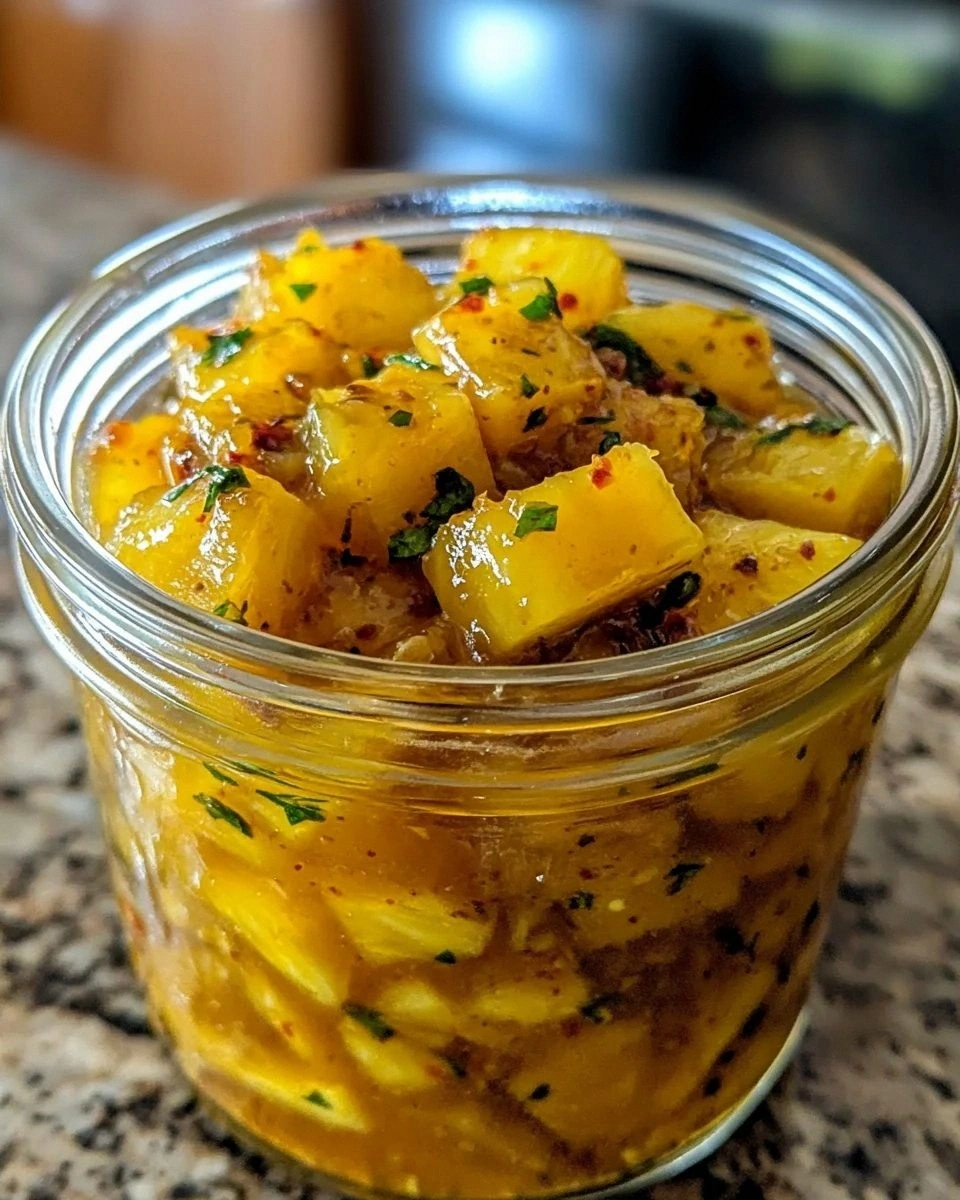
- Here's where your patience gets tested. You need to maintain a gentle boil for another twelve to fifteen minutes, swirling occasionally, until the syrup reaches the magic temperature of 220°F. If you don't have a candy thermometer, you can test by dropping a small amount onto a cold plate — it should set up into a soft, sticky mass that you can push around with your finger but won't run all over the place. The pineapple should look translucent around the edges, like little stained glass windows, and the syrup should coat a spoon in a thin, glossy layer.
- Once you've hit that perfect consistency, remove from heat immediately. Sugar doesn't mess around — it will go from perfect to overdone in the blink of an eye. Let it rest for exactly five minutes. This isn't just to save your mouth from molten sugar death (though it helps with that too). The resting period allows the syrup to thicken slightly so your pieces are perfectly coated but not swimming in excess liquid. It also gives the flavors a chance to meld and become more complex.
- Using a slotted spoon, transfer your glistening pineapple jewels to a clean jar. Don't worry about getting every last piece — we'll deal with the remaining syrup in a minute. Once you've fished out most of the pineapple, you should have about half a cup of concentrated syrup left in the pan. This is liquid gold, and you'd be a fool to waste it. Pour it over your pineapple pieces in the jar, but leave about half an inch of headspace. This syrup will continue to thicken as it cools, creating that perfect candied coating.
- Let everything cool to room temperature before sealing — about an hour — then refrigerate for at least four hours before serving. I know, I know, waiting is torture when your kitchen smells like tropical heaven. But this chilling period transforms your hot candy into something transcendent. The flavors develop, the texture sets up perfectly, and you end up with those glossy, spicy-sweet nuggets that will ruin you for all other condiments forever.
That's it — you did it. But hold on, I've got a few more tricks that'll take this to another level...
Insider Tricks for Flawless Results
Listen, I've made this recipe probably forty-seven times now (yes, I counted), and along the way I've discovered some secrets that separate the "pretty good" batches from the "holy cow, what did you put in this" batches. These aren't just nice suggestions — these are the hard-won wisdom that comes from eating way too much candied pineapple and forcing friends to taste-test variations until they started hiding when they saw me coming.
The Temperature Rule Nobody Follows
Here's the thing about sugar work — most people treat temperature suggestions like they're optional, like the recipe is being polite and the sugar will forgive you for ignoring its preferences. Nope. Sugar is the most honest ingredient in your kitchen, and it absolutely will hold a grudge. When I say 220°F, I mean 220°F, not "around there" or "close enough." Get yourself a decent candy thermometer (they cost like fifteen bucks and will save you from so much heartbreak), and clip it to the side of your pot. The difference between 218°F and 222°F is the difference between pineapple chunks floating in syrup and pineapple candy that you can pick up with your fingers without getting sticky. If you overshoot, add a tablespoon of hot water and swirl until you're back in range. Sugar is forgiving if you know how to apologize properly.
Why Your Nose Knows Best
After you've made this a few times, you can actually smell when it's done. I'm serious — there's this moment when the bubbling changes from vigorous and slightly angry to gentle and almost creamy, and the smell shifts from sharp vinegar-sugar to this rich, complex aroma that's like tropical caramel with a spicy backbone. My neighbor can tell when I'm making a batch because the hallway starts smelling like a fancy cocktail bar. When you hit that smell, start checking your temperature religiously. It's like the pineapple is sending up a flare signal saying "We're almost there, don't mess this up now!"
The 5-Minute Rest That Changes Everything
I know I've already mentioned the five-minute rest after cooking, but I need to emphasize this because it's where most people rush and ruin everything. When you pull that pot off the heat, set a timer for exactly five minutes and do not touch anything. Don't stir, don't taste, don't even look at it funny. During this rest, the syrup is undergoing this magical transformation where it goes from watery and loose to thick and glossy. If you start spooning it into jars too early, you'll get thin syrup that never sets up properly. Wait too long and you've got candy cement. But hit that five-minute sweet spot and you get this perfect coating that stays put but still has that delightful chew. Use the time to get your jars ready, wash that one spoon you keep tasting with, practice your acceptance speech for when you win "Best Condiment Ever."
The Spice Adjustment Secret
Here's something that took me way too long to figure out — you can adjust the heat level after cooking, but you have to do it while the candy is still warm. If you taste it after the five-minute rest and think "This could use more kick," sprinkle in an extra quarter-teaspoon of red pepper flakes and give it exactly three gentle folds with a silicone spatula. The residual heat will bloom the new spices without making them bitter. But here's the key — you can only go up, not down. Start conservative with your spice levels because the heat concentrates as the syrup thickens. I've made batches that were perfect when hot but became weapons-grade spicy after cooling. When in doubt, under-spice and serve with extra chili flakes on the side for the heat fiends.
The Storage Revelation
Most people stick this in the fridge and call it a day, but I've discovered that storing it in the freezer actually improves the texture. Not frozen solid — just kept in the freezer door where it stays cold but scoopable. The cold temperature firms up the syrup coating while keeping the pineapple pieces tender and jewel-like. Plus, the contrast between the cold candy and whatever you're serving it with (warm brie, hot grilled pork, room-temperature crackers) creates this temperature play that makes people think you're a culinary genius. Just let it sit at room temperature for five minutes before serving if it's too stiff to scoop. I've kept batches for six months this way, and they actually got better with age — like a fine wine, if wine was spicy pineapple candy that you eat with a spoon.
Creative Twists and Variations
This recipe is a playground. Once you understand the basic technique — fruit + sugar + acid + spice = magic — you can go absolutely wild with variations. I've made this with everything from mango to kiwi, and while not every experiment was a winner (kiwi cowboy candy was... an experience), most were delicious enough that people begged for the recipe. Here are some of my favorite ways to switch things up:
The Tropical Heat Wave
Swap half the pineapple for mango chunks, add a teaspoon of lime zest, and throw in a small diced habanero along with the red pepper flakes. This version tastes like a Caribbean vacation that got into a fight with a chili pepper and decided to make up over drinks. The mango adds this buttery richness that plays beautifully against the sharper pineapple, while the lime zest lifts everything and makes it taste brighter. Fair warning: the habanero doesn't seem that intense when it's hot, but after it cools, it develops this sneaky heat that creeps up on you like a plot twist in a thriller novel.
The Smoky Cowboy
Add half a teaspoon of smoked paprika and swap the red pepper flakes for chipotle powder. This version tastes like it was made by a cowboy who went to cooking school in Oaxaca. The smoke flavor adds this whole new dimension that makes it incredible on grilled meats or stirred into barbecue sauce. I brought this to a potluck and people kept asking if I'd used liquid smoke or some fancy technique. Nope — just regular paprika that happens to be smoked. It's like the difference between regular bacon and smoked bacon: technically the same thing, but one makes you want to weep with joy.
The Christmas Cowboy
Replace the ground ginger with cinnamon, add a pinch of cloves, and swap the red pepper flakes for a smaller amount of cayenne. This version tastes like Christmas morning if Santa was secretly a chili-head. The warm spices make it perfect for winter, and it turns this gorgeous deep amber color that looks like liquid holiday cheer. Stir it into eggnog, spoon it over gingerbread, or just eat it while wearing an ugly sweater and watching Hallmark movies. I've given this as gifts in little mason jars with ribbons, and people have literally hugged me for it.
The Thai-Inspired Twist
Add a stalk of lemongrass (smashed and cut into pieces), swap the apple cider vinegar for rice vinegar, and add a teaspoon of Thai chili paste. Remove the lemongrass before jarring. This version has this incredible floral note that makes regular cowboy candy seem one-dimensional. It's like the difference between regular lemonade and lemonade with a sprig of mint — same basic idea, but suddenly it's sophisticated and mysterious. This version is incredible with coconut ice cream or stirred into Thai iced tea. Just be careful with the chili paste — a little goes a long way, and you can always add more but you can't take it out.
The Breakfast Cowboy
Add a teaspoon of vanilla extract in the last minute of cooking, and swap the red pepper flakes for a smaller amount of Aleppo pepper, which has this amazing fruity quality and milder heat. This version tastes like pineapple upside-down cake that decided to become candy. The vanilla rounds out all the sharp edges and makes it perfect for morning applications — stir it into oatmeal, spoon it over Greek yogurt, or blend it into smoothies for a breakfast that tastes like dessert but has actual fruit in it. I've even spread this on toast with cream cheese for what might be the world's most inappropriate breakfast, and I regret nothing.
The Boozy Cowboy (Adults Only)
Replace two tablespoons of the vinegar with dark rum, and add a tablespoon of brown sugar along with the regular sugar. The rum cooks off but leaves behind this incredible depth and complexity that makes people ask if you used some kind of exotic sugar or special technique. The brown sugar adds molasses notes that make it taste like it was aged in oak barrels or some other fancy process. This version is incredible over vanilla ice cream or stirred into cocktails. Just don't serve it to kids or people in recovery — the alcohol cooks off, but the flavor might be triggering for some folks.
Storing and Bringing It Back to Life
Here's the beautiful thing about this cowboy candy — it's basically indestructible. Sugar is a natural preservative, vinegar adds acidity that prevents bacterial growth, and the cooking process pasteurizes everything. In theory, this stuff could outlast us all, but in practice, it usually disappears within a week because people can't stop eating it. That said, proper storage can mean the difference between good candy and candy that's so good people offer to do your dishes just for another taste.
Fridge Storage
In the refrigerator, properly stored cowboy candy will last for up to three months — though I've never had a batch survive longer than six weeks because people keep finding new excuses to eat it. Use a clean glass jar with a tight-fitting lid, and always use a clean spoon when scooping it out. I know it seems paranoid, but introducing bacteria from used utensils is the fastest way to ruin a perfectly good batch. If you notice any mold, off smells, or if the syrup becomes cloudy, it's time to say goodbye. But honestly, if you're storing it properly, you'll eat it long before it has a chance to go bad. I've seen people ration this stuff like it's liquid gold, using tiny spoonfuls to make it last longer.
Freezer Friendly
Here's my favorite storage method: freeze it in small portions using silicone ice cube trays. Each cube is about two tablespoons — perfect for stirring into yogurt, blending into cocktails, or eating as a quick treat. Once frozen solid, pop them out and store in a freezer bag. These frozen portions will keep for up to six months, and they thaw in about ten minutes at room temperature. Plus, frozen cowboy candy has this amazing texture — like little fruit jewels that are cold and refreshing but still spicy and sweet. It's like a palate cleanser and a dessert had a baby, and that baby grew up to be incredibly delicious.
Best Reheating Method
If your cowboy candy gets too thick in the fridge (which happens sometimes, especially with older batches), don't panic and definitely don't microwave it. Microwaving creates hot spots that can actually cook the pineapple more and give it a weird texture. Instead, scoop out what you need into a heatproof bowl and set that bowl in a larger bowl of hot water for five minutes. The gentle heat will loosen the syrup without affecting the texture of the fruit. If you're in a hurry, you can add a tiny splash of hot water and stir — just go easy because you can always add more water but you can't take it out. Once it's back to scoopable consistency, give it a good stir to redistribute the syrup, and it'll be as good as new.