Picture this: it’s a rainy Saturday, the kind that makes you want to curl up with something sweet that feels like a hug from the inside. I was staring at a half‑finished batch of plain banana bread when a sudden craving for something bright, tangy, and utterly indulgent hit me like a lightning bolt. I raided the fridge, found a lonely stalk of rhubarb and a bag of frozen raspberries, and thought, “What if I turned this into a marble cake that looks like a work of art?” The kitchen was a mess, the batter was a swirl of pink and green, and the timer ticked down while I whispered a dare to the oven: I dare you to taste this and not go back for seconds.
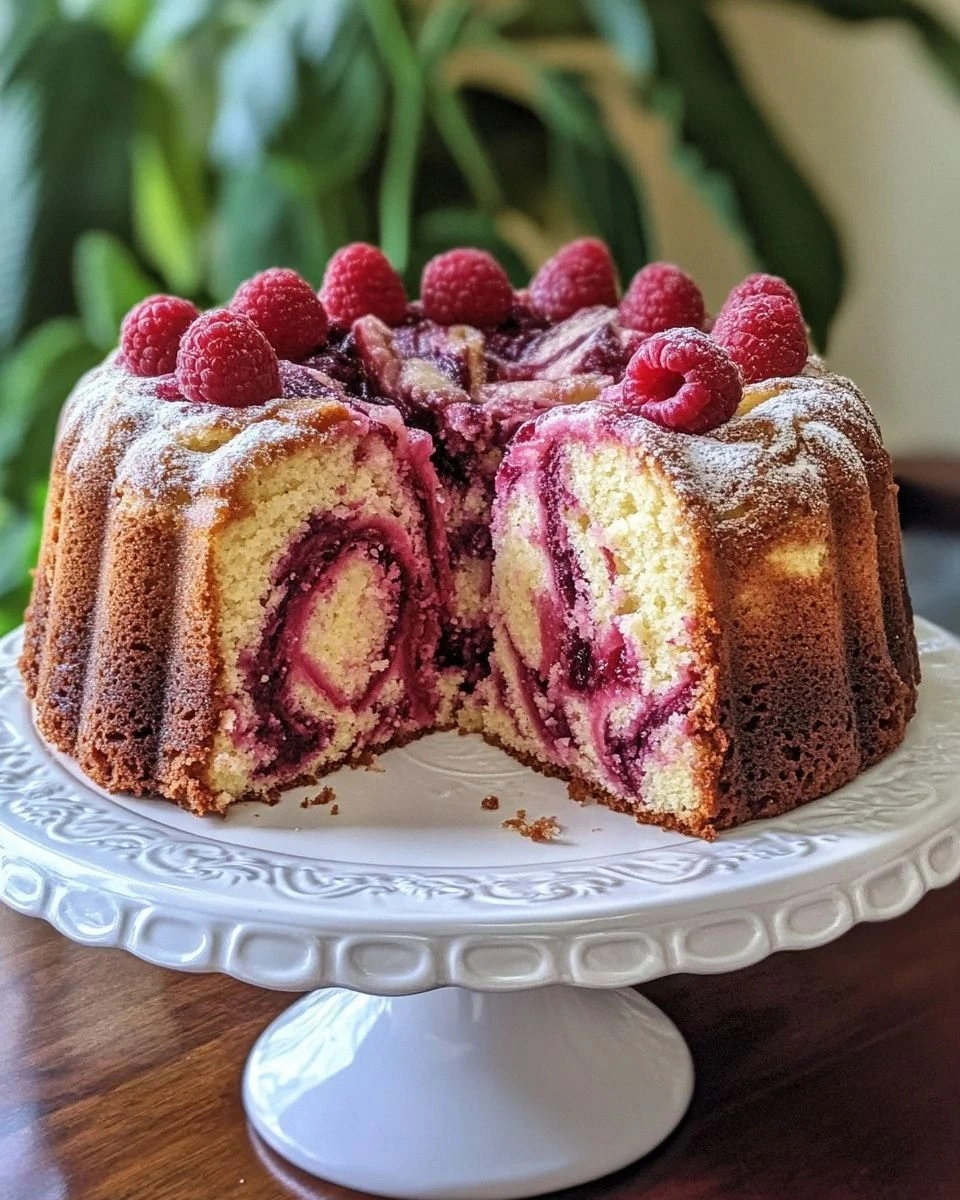
The moment the cake slid out of the pan, the kitchen was flooded with a perfume that could have convinced a stone‑cold critic to weep. The sweet‑tart aroma of rhubarb mingled with the deep, almost wine‑like scent of raspberries, all wrapped in the buttery, vanilla‑kissed hug of a classic cake. You could hear the faint crackle of caramelizing sugar as the edges began to pull away from the tin, and the sight of the marble swirls—like a painter’s brushstroke frozen in time—made my heart race. I could feel the warm, moist crumb under my fingertips, and the first bite was a perfect collision of tart and sweet, with a buttery crumb that melted like silk on the tongue.
Most marble cake recipes either drown the fruit in a bland batter or over‑sweeten it until the natural tang disappears. Not this one. Here, the rhubarb’s sharp edge is balanced by the raspberries’ mellow sweetness, and the marble pattern isn’t just for looks—it’s a flavor map that guides you through a journey of contrast and harmony. I’ve tried a dozen versions, and this is hands down the best version you’ll ever make at home. The secret? A simple technique that locks in moisture and a tiny dash of lemon zest that makes the fruit sing.
Ready for the game‑changer? I’m about to walk you through every single step—by the end, you’ll wonder how you ever made a marble cake any other way. Stay with me here — this is worth it.
What Makes This Version Stand Out
- Flavor Harmony: The tartness of rhubarb is perfectly offset by the natural sweetness of raspberries, creating a balanced bite that dances on the palate.
- Moisture Lock: A quick toss of rhubarb in cornstarch prevents sogginess, keeping the crumb tender and the fruit juicy.
- Simple Technique: No fancy mixers or exotic ingredients—just a few kitchen staples and a swirl method that anyone can master.
- Visual Wow Factor: The marble swirls are so striking they could be the centerpiece of a brunch table or a dessert buffet.
- Crowd‑Pleaser: Even the pickiest eaters love the contrast, and the cake pairs beautifully with tea, coffee, or a glass of chilled rosé.
- Seasonal Flexibility: While rhubarb shines in spring, you can swap it for strawberries or cherries for a summer twist.
- Make‑Ahead Magic: The cake stays moist for up to three days, and it freezes beautifully for future cravings.
- Ingredient Quality: Fresh, crisp rhubarb and plump, juicy raspberries are the stars; you’ll taste the difference immediately.
Inside the Ingredient List
The Flavor Base
Flour is the structural backbone, giving the cake its crumb. I use all‑purpose flour because it provides the perfect balance of gluten strength and tenderness. Skipping it or swapping it for cake flour will change the texture dramatically, making the cake either too dense or too crumbly. If you’re gluten‑free, a blend of rice flour and tapioca starch works, but expect a slightly different bite.
The Sweeteners
Sugar not only sweetens but also helps tenderize the crumb by inhibiting gluten formation. I stick with granulated sugar for its clean sweetness; brown sugar would add a molasses note that competes with the fruit. For a lower‑calorie version, try coconut sugar, but keep in mind it will introduce a caramel undertone.
The Texture Crew
Butter, softened to room temperature, creates a rich, buttery mouthfeel and contributes to a tender crumb. If you prefer a lighter cake, substitute half the butter with Greek yogurt; the acidity will also enhance the fruit’s brightness. Eggs act as emulsifiers, binding the fat and liquid together; using large eggs ensures enough structure without making the cake rubbery.
The Unexpected Star
Rhubarb, often dismissed as a side dish, brings a sharp, lemony tang that cuts through the sweetness. Choose stalks that are firm and deep red; the greener the stalk, the more bitter the flavor. If you can’t find fresh rhubarb, frozen works fine—just thaw and pat dry. Raspberries add a burst of juiciness and a subtle earthiness; they also create the gorgeous pink swirls that define the marble effect.
The Final Flourish
Baking powder and baking soda are the leavening duo that gives the cake its rise; the powder provides steady lift while the soda reacts with the acidity of rhubarb for a subtle extra puff. Salt amplifies all the flavors, ensuring the sweetness isn’t cloying. A splash of milk adds moisture, and vanilla extract ties everything together with its warm, aromatic backdrop. Finally, a pinch of lemon zest brightens the overall profile, making the fruit flavors pop like fireworks.
Everything's prepped? Good. Let's get into the real action...
The Method — Step by Step
Preheat your oven to 350°F (175°C) and grease a 9‑inch springform pan, lining the bottom with parchment. The moment the heat hits the metal, you’ll hear that comforting hum that tells you the kitchen is about to become a bakery. I always set a timer for 10 minutes to let the pan heat up; this helps the cake climb the walls of the pan for a perfect dome.
In a medium bowl, whisk together the flour, baking powder, baking soda, and salt. This dry mix should look like a fine, uniform powder—no clumps, no surprises. Pro tip: Sifting the flour once more eliminates any hidden lumps, ensuring a feather‑light crumb.
In a separate large bowl, cream the softened butter with the granulated sugar until the mixture is pale, fluffy, and smells like a bakery on a Sunday morning. This should take about 3‑4 minutes with a handheld mixer on medium speed; you’ll notice the texture turning from gritty to silky.
Add the eggs one at a time, beating well after each addition. The batter should become glossy and a shade lighter. Watch Out: Over‑mixing at this stage can incorporate too much air, leading to a cake that springs up then collapses.
Stir in the vanilla extract and lemon zest, then alternate adding the dry ingredients and milk, beginning and ending with the dry mix. The batter will look slightly lumpy—that’s exactly what you want; over‑mixing will develop gluten and make the cake tough.
Divide the batter in half. To the first half, fold in the diced rhubarb that’s been tossed in cornstarch; this coating absorbs excess moisture and prevents the rhubarb from sinking. To the second half, gently fold in the raspberries, being careful not to crush them. The batter should now be two distinct colors—green‑gold and ruby‑pink.
Drop spoonfuls of each batter alternately into the prepared pan, then use a skewer or the tip of a knife to swirl the two colors together. This is the moment of pure magic—watch the marbling form like a galaxy of flavor.
Kitchen Hack: Use a toothpick to create tighter, more defined swirls if you prefer a dramatic marble pattern.Slide the pan into the oven and bake for 30‑35 minutes, or until a toothpick inserted into the center comes out with just a few moist crumbs. You’ll know it’s done when the edges start to pull away and the top is a deep golden‑brown, giving off a faint caramel aroma. Resist the urge to open the oven door early; the sudden temperature drop can cause the cake to sink.
Allow the cake to cool in the pan for 10 minutes, then run a thin knife around the edge and release the springform. Transfer the cake to a wire rack to cool completely. While it cools, dust lightly with powdered sugar for a snowy finish—this final touch adds a subtle sweet crunch that contrasts the moist crumb.
That's it — you did it. But hold on, I've got a few more tricks that'll take this to another level...
Insider Tricks for Flawless Results
The Temperature Rule Nobody Follows
Always bring your butter to room temperature, but never melt it. Softened butter incorporates air when creamed, creating that fluffy structure. I once melted the butter, and the cake turned dense as a brick—lesson learned. Keep the butter just soft enough to leave an indentation when pressed.
Why Your Nose Knows Best
Don’t rely solely on the timer; trust the scent. When the cake starts to emit a toasty, caramel‑like perfume, you’re within a few minutes of perfection. If the aroma turns bitter, it’s a sign the sugars are burning—pull it out immediately.
The 5‑Minute Rest That Changes Everything
After removing the cake from the oven, let it rest on the rack for at least five minutes before slicing. This short pause lets the steam redistribute, preventing a gummy crumb. I’ve seen impatient slicers end up with a soggy center; patience pays off.
Egg Size Matters
Large eggs are the standard for most recipes, but if you only have medium eggs, add an extra half egg (about 1 tablespoon of beaten egg). This ensures the batter has enough structure without becoming overly dense.
Raspberry Rescue
If your raspberries are too soft and bleed into the batter, toss them in a teaspoon of flour before folding. This little coating keeps them intact, preserving those bright pink pockets.
Creative Twists and Variations
This recipe is a playground. Here are some of my favorite ways to switch things up:
Almond‑Orange Marble
Swap the rhubarb for finely chopped toasted almonds and add a teaspoon of orange zest to the batter. The result is a nutty, citrus‑kissed cake that pairs beautifully with a glass of chilled Prosecco.
Chocolate‑Cherry Fusion
Replace half the flour with cocoa powder and fold in dark chocolate chips with the raspberries. The deep chocolate notes balance the tart cherry (use fresh cherries instead of rhubarb) for a decadent dessert.
Spiced Autumn
Add a pinch of ground cinnamon, nutmeg, and a splash of maple syrup to the batter, and use sliced apples instead of rhubarb. This version is perfect for a cozy fall brunch.
Vegan Velvet
Swap butter for coconut oil, use flax eggs (1 tbsp ground flax + 3 tbsp water per egg), and replace milk with almond milk. The texture stays moist, and the fruit flavors shine just as brightly.
Gluten‑Free Delight
Use a 1:1 gluten‑free flour blend and add a tablespoon of xanthan gum for structure. The cake will be just as tender, and the marble swirls remain stunning.
Mini Marble Tarts
Divide the batter into a muffin tin lined with paper cups; bake for 20‑22 minutes. These bite‑size treats are perfect for picnics or a quick afternoon snack.
Storing and Bringing It Back to Life
Fridge Storage
Cover the cooled cake loosely with plastic wrap and store in the refrigerator for up to three days. The moisture stays locked in, and the flavors meld even more. Before serving, let it sit at room temperature for 15 minutes.
Freezer Friendly
Slice the cake, wrap each piece tightly in parchment, then place in a freezer‑safe bag. It freezes beautifully for up to two months. To reheat, microwave for 20‑30 seconds or warm in a 300°F oven for 5 minutes, adding a tiny splash of water to steam it back to perfection.
Best Reheating Method
Place a slice on a microwave‑safe plate, cover with a damp paper towel, and heat for 15‑20 seconds. The steam from the towel revives the crumb, giving you a slice that tastes as fresh as the day it was baked.