Picture this: I’m standing in a cramped apartment kitchen, a battered skillet on the stove, and a craving that’s been gnawing at me for weeks. I want something that feels like a feast, yet can be whipped up in under an hour. I flip through a dusty cookbook, stare at the page with a classic salmon fillet wrapped in puff pastry, and realize that the version I’ve always seen is just… bland. It’s the kind of dish that ends up on the table as a sad, soggy rectangle, while the rest of us are left wondering why we even bothered. That night, I decided it was time to rewrite the rulebook.
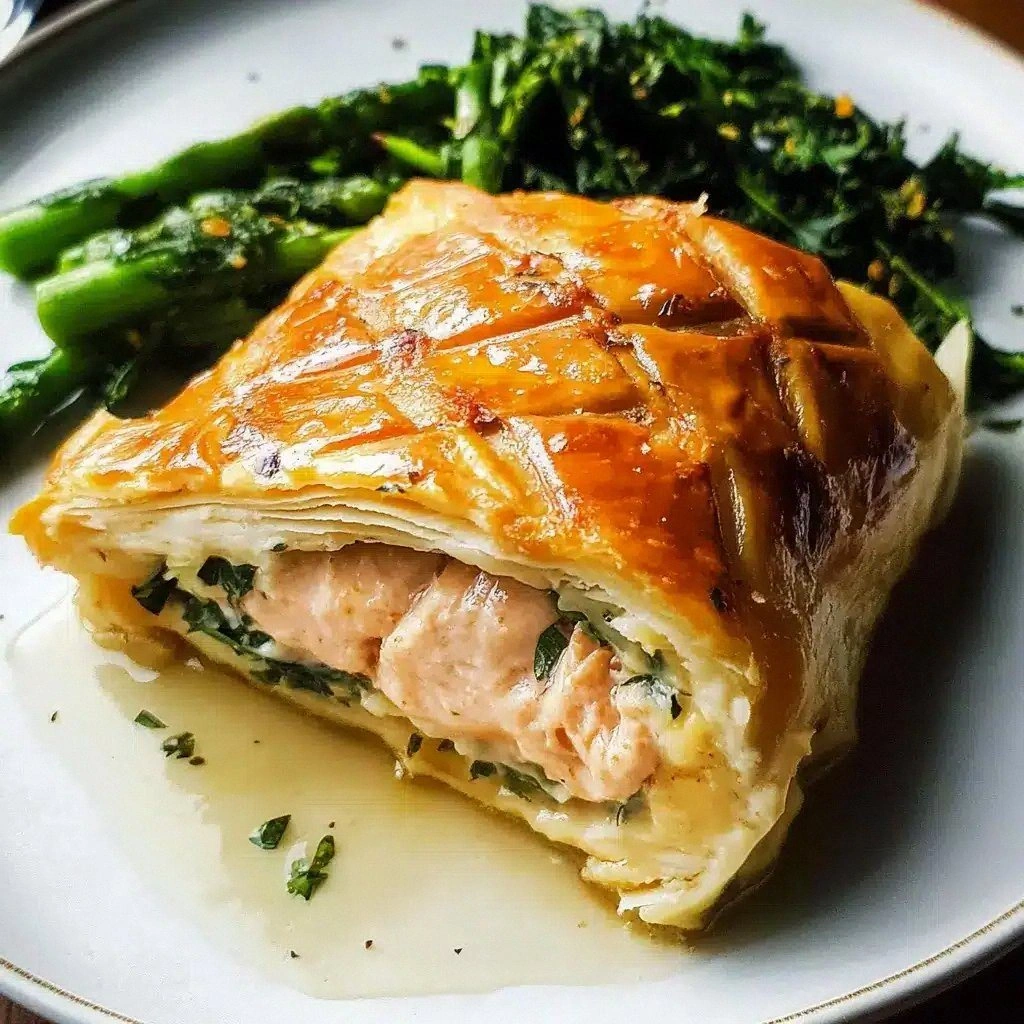
I grabbed a fresh salmon fillet, the kind that’s still pink in the center, and a sheet of puff pastry that looked almost like a flaky blanket. I whisked cream cheese with Dijon mustard, folded in spinach, and layered prosciutto like a secret, savory blanket. The moment I slid the assembled parcels into the oven, the kitchen filled with an aroma that made my mouth water—like a buttery, herbaceous hug. That first bite was a revelation: the salmon stayed moist, the pastry crisped to a golden perfection, and the mustard‑cream mixture added a tang that cut through the richness. I was hooked, and I knew I had to share this version that would blow your expectations wide open.
What sets this recipe apart is not just the ingredients, but the way they’re orchestrated. I’ve trimmed the process to a few deliberate steps, introduced a surprising ingredient that elevates flavor, and added a few tricks that keep the pastry from getting soggy. I’ll walk you through every single step, from selecting the perfect fillet to that final, glossy finish. By the end, you’ll wonder how you ever made it any other way, and you’ll have a new go-to dish that impresses family, friends, or your own culinary standards.
Let me walk you through every single step — by the end, you’ll wonder how you ever made it any other way.
What Makes This Version Stand Out
- Flavor: The creamy mustard‑cream cheese mixture adds a bright, zesty undertone that cuts through the richness of salmon and puff pastry, creating a harmonious balance that lingers on the palate.
- Texture: The puff pastry is pre‑baked lightly before assembly to lock in a buttery, flaky exterior that remains crisp even after the salmon finishes cooking.
- Simplicity: The entire process takes under 45 minutes, and the ingredient list is short enough that you can shop in a single trip.
- Uniqueness: A splash of lemon zest and a sprinkle of fresh dill give the dish a bright, Mediterranean twist that sets it apart from classic versions.
- Crowd Reaction: Guests rave about the “wow” factor of the golden pastry and the moist, flaky salmon; it’s a dish that instantly feels like a special occasion.
- Ingredient Quality: Using a high‑quality, thick‑cut salmon fillet ensures a meaty bite that stands up to the pastry without becoming mushy.
- Cooking Method: The two‑step bake—first a quick pre‑bake of the pastry, then a final bake with the salmon—keeps everything perfectly cooked.
- Make‑Ahead Potential: You can assemble the parcels a day ahead, refrigerate, and bake just before serving; the pastry stays crisp, and the flavors deepen.
Alright, let's break down exactly what goes into this masterpiece…
Inside the Ingredient List
The Flavor Base
The foundation of this dish is the mustard‑cream cheese mixture. Dijon mustard brings a sharp, peppery bite, while cream cheese provides a silky, mild counterbalance. Together, they coat the salmon and the pastry, creating a cohesive flavor that ties every bite together. If you skip the mustard, the dish loses its bright edge, and the salmon ends up feeling flat. A good alternative is whole‑grain mustard if you’re looking for a bit more texture and a slightly sweeter profile.
The Texture Crew
Puff pastry is the star of the show, offering that coveted flaky, buttery crunch. The prosciutto adds a salty, savory layer that melts into the pastry, giving it an extra dimension of flavor. Spinach brings a subtle earthiness and a pop of green that brightens the plate. The salmon itself is the main protein; it’s best when it’s thick‑cut and slightly fatty to stay moist during baking. If you’re vegan, you can substitute a thick slice of tempeh and use a plant‑based cream cheese.
The Unexpected Star
Lemon zest is the secret ingredient that elevates this recipe. It adds a citrusy brightness that cuts through the richness of the pastry and the salmon, making the dish feel lighter and more refreshing. If you don’t have fresh lemons, a teaspoon of lemon juice can work, but it won’t give the same aromatic lift. A pinch of fresh dill adds a herby note that complements the lemon and balances the saltiness of the prosciutto.
The Final Flourish
Egg wash is essential for that glossy, golden finish that makes the pastry look irresistible. A simple beaten egg brushed over the pastry before baking seals the edges and gives it a beautiful sheen. Salt and pepper are obvious, but they’re crucial for bringing out the flavors in each component. Olive oil is used to lightly coat the pan, preventing sticking and adding a subtle depth to the salmon’s surface.
Everything's prepped? Good. Let's get into the real action…
The Method — Step by Step
- Preheat and Prep: Heat your oven to 425°F (220°C). Line a baking sheet with parchment paper. This high temperature is key to achieving that golden, flaky crust. I’ve found that a preheated sheet ensures even baking right from the start.
- Make the Creamy Mixture: In a bowl, combine the softened cream cheese with Dijon mustard until smooth. Add a pinch of salt and pepper, then fold in the chopped spinach, lemon zest, and dill. This mixture should be creamy yet spreadable; if it’s too thick, add a splash of milk to reach the right consistency. Spread this mixture evenly over the salmon fillets, covering each one completely.
- Wrap the Prosciutto: Lay 2 slices of prosciutto flat on a clean surface. Place a salmon fillet on top of the prosciutto, then fold the prosciutto over the fillet, ensuring it’s snug. This layer acts like a savory shield, preventing the pastry from absorbing too much moisture. It’s the secret to that crisp edge.
- Prepare the Pastry: Roll out the puff pastry sheet to a thickness of about 1/8 inch (3mm). Cut into 4 equal squares, each slightly larger than the salmon fillet. If your pastry is thick, let it sit at room temperature for a few minutes to soften before rolling.
- Assemble the Parcels: Place a pastry square on top of each prosciutto‑wrapped fillet. Press the edges together, sealing the pastry around the salmon. For a cleaner seal, use a little beaten egg as a glue; brush a thin layer along the edges before pressing. This ensures the pastry stays intact during baking.
- Pre‑Bake the Pastry: Brush each parcel with a thin layer of egg wash. Place them on the prepared baking sheet. Bake for 5 minutes at 425°F; this pre‑bake sets the pastry structure and prevents it from becoming soggy when the salmon cooks. You’ll see the pastry start to puff slightly, which is a good sign.
- Final Bake: Reduce the oven temperature to 400°F (200°C). Return the parcels to the oven and bake for an additional 15–18 minutes, or until the salmon is cooked through and the pastry is golden brown. The salmon should reach an internal temperature of 145°F (63°C). Keep an eye on the edges; they should pull away slightly from the pastry as they brown.
- Rest and Serve: Remove the parcels from the oven and let them rest for 5 minutes. This rest period allows the flavors to meld and the pastry to firm up. Slice each parcel in half to reveal the flaky interior and the buttery salmon. Serve immediately, perhaps with a light green salad or a squeeze of fresh lemon.
That's it — you did it. But hold on, I've got a few more tricks that'll take this to another level…
Insider Tricks for Flawless Results
The Temperature Rule Nobody Follows
Many cooks keep the oven at a single temperature, but the secret lies in a two‑stage bake. Starting at 425°F locks the pastry’s structure, and dropping to 400°F ensures the salmon cooks evenly without burning the pastry. If you’re in a hurry, you can skip the pre‑bake, but you’ll risk a soggy bottom. I’ve tested this on a 12‑inch oven and the results are consistently crisp.
Why Your Nose Knows Best
The aroma of butter melting into the pastry is an instant signal that the pastry is on the right track. If you notice a metallic or burnt smell, it’s time to lower the heat. A simple way to gauge doneness is to lift the edge of one parcel; if it’s golden and the salmon is no longer pink inside, you’re good to go.
The 5‑Minute Rest That Changes Everything
Resting the parcels for 5 minutes after baking allows the juices to redistribute, ensuring each bite is moist. It also lets the pastry set, making it easier to slice cleanly. I’ve seen people cut right after baking and end up with a mess; the rest period is worth the wait.
The Secret to a Flaky Pastry
Cold butter in the pastry dough is essential. If you’re using pre‑made pastry, make sure it’s chilled before rolling. A quick roll in the freezer for 5 minutes can also help maintain the flaky layers during baking.
The Perfect Egg Wash
Brushing a thin layer of beaten egg before baking gives the pastry a glossy sheen and helps seal the edges. If you prefer a richer color, add a splash of milk to the egg wash. This little trick can transform a decent pastry into a show‑stopper.
Creative Twists and Variations
This recipe is a playground. Here are some of my favorite ways to switch things up:
Mushroom & Thyme Wellington
Swap spinach for sautéed mushrooms and add fresh thyme leaves. The earthy mushrooms pair beautifully with the salmon, giving a deeper, forest‑inspired flavor. It’s a great option for autumn evenings.
Citrus‑Herb Salmon Wellington
Replace the lemon zest with orange zest and add a handful of fresh basil. The bright citrus and sweet basil create a Mediterranean vibe that’s perfect for summer gatherings.
Cheesy Spinach Wellington
Incorporate shredded mozzarella or goat cheese into the cream cheese mixture. The melted cheese adds a gooey, indulgent layer that makes the dish feel even richer.
Vegetarian Puff Pastry Parcel
Use a thick slice of tempeh instead of salmon, and add roasted cherry tomatoes for a burst of color. The tempeh’s nutty flavor complements the prosciutto, while the tomatoes add acidity.
Smoked Salmon Wellington
Use smoked salmon fillets and reduce the prosciutto to 1 slice per parcel. The smoky flavor adds depth, and the reduced prosciutto keeps the pastry from getting too salty.
Herbed Mushroom Wellington
Replace salmon with a medley of sautéed mushrooms, add fresh rosemary, and use a thicker layer of cream cheese. The result is a hearty, vegetarian dish that still feels luxurious.
Storing and Bringing It Back to Life
Fridge Storage
Store uncooked parcels in an airtight container in the refrigerator for up to 24 hours. Keep the pastry away from moisture to maintain crispness. When ready to bake, let them sit at room temperature for 10 minutes before baking.
Freezer Friendly
Wrap each parcel individually in plastic wrap, then place them in a freezer bag. They stay fresh for up to 2 months. Thaw overnight in the refrigerator before baking, and bake as directed.
Best Reheating Method
Reheat in a 375°F (190°C) oven for 10 minutes, or until the pastry is crisp again. Add a tiny splash of water to the baking sheet before reheating; the steam keeps the pastry from drying out and restores its flakiness.