I was standing in my kitchen on a rainy Tuesday, staring at a half‑cooked chicken that looked like a sad, soggy pillow. The oven was humming, the rain was drumming on the window, and I could hear my stomach growling louder than the thunder. I swear I made a promise to my roommate that I’d finally master a roast that didn’t end up dry and bland, and that night I dared myself to create something that would make even the most skeptical palate sing. I grabbed a whole chicken, a sack of root veggies, and a handful of confidence, and what happened next was nothing short of culinary alchemy.
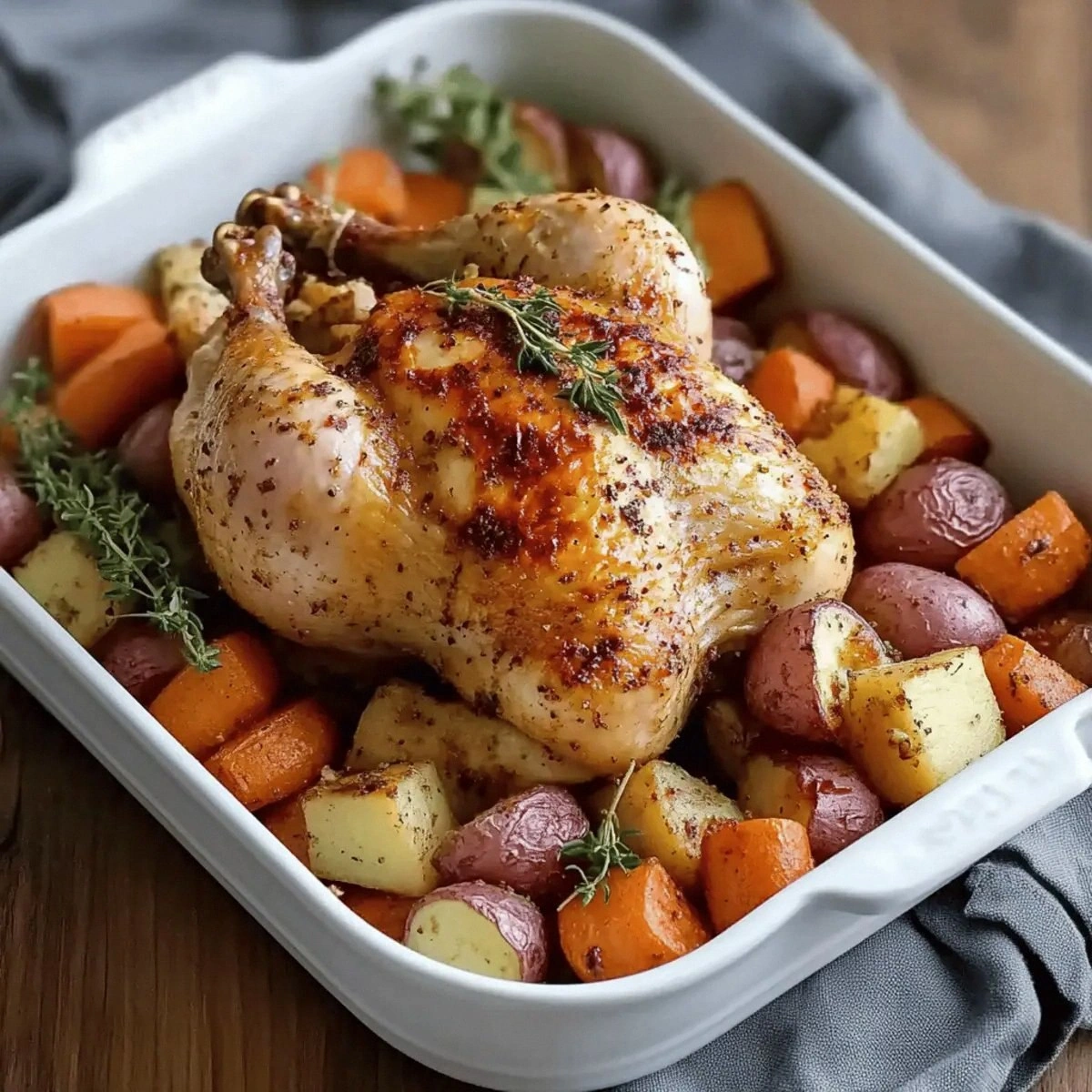
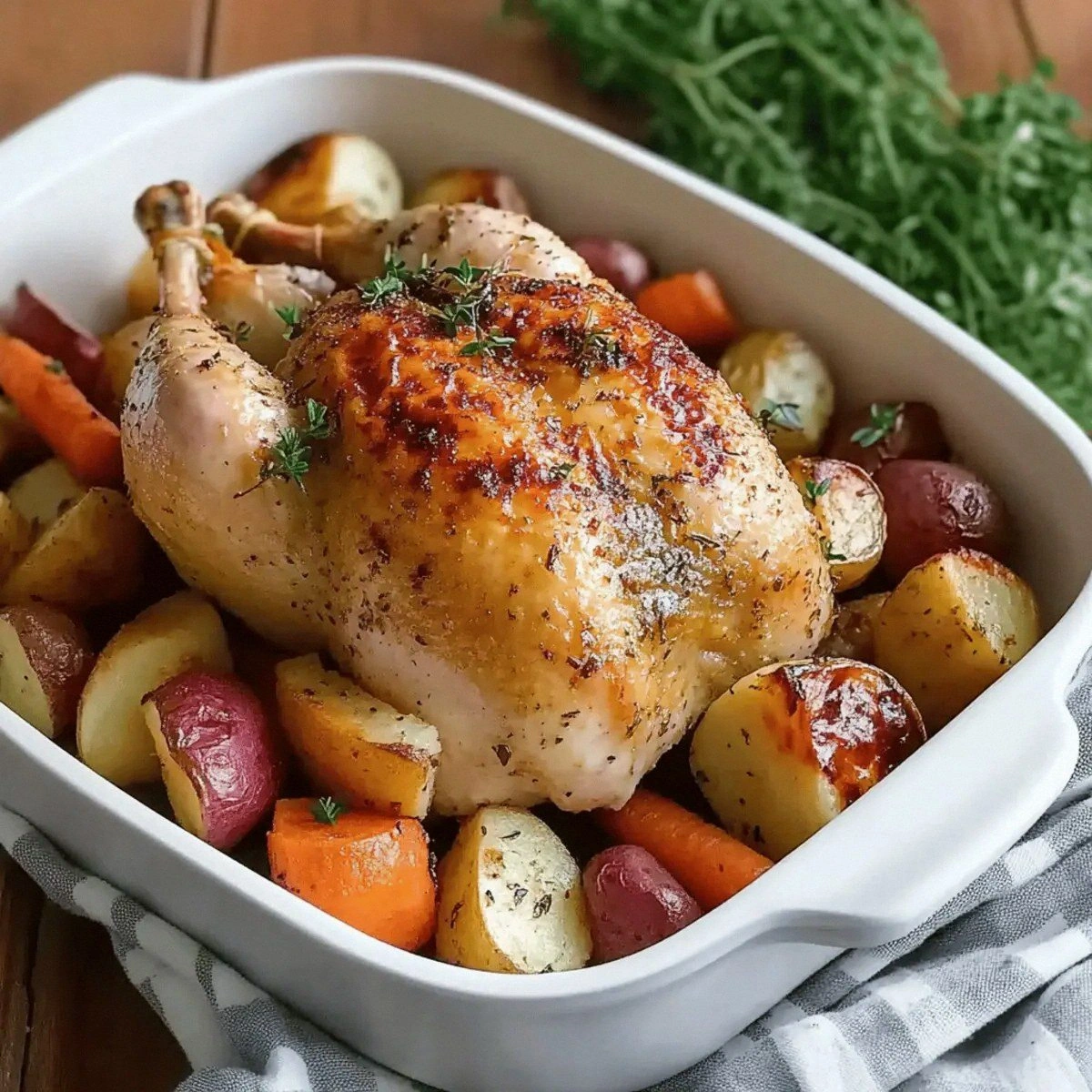
The moment the butter‑infused skin hit the heat, the kitchen filled with a perfume that could coax a smile out of anyone stuck in traffic. Imagine the earthy sweetness of caramelized rutabagas mingling with the sharp bite of fresh thyme, all wrapped around a chicken that’s crisped to a golden‑brown perfection on the outside while staying juicy and tender inside. You’ll hear the occasional pop as the skin contracts, feel the heat radiating from the oven door, and taste that buttery, herb‑kissed crust that shatters like thin ice with each bite. This isn’t just dinner; it’s a sensory experience that turns a simple weeknight into a cozy celebration.
Most recipes I’ve tried either over‑season the meat or leave the vegetables limp and lifeless. I’ve seen too many cooks rush the roasting, resulting in a bird that looks gorgeous but falls apart the second you cut into it. That’s why this version stands out: the technique of butter‑basting the chicken, the strategic placement of aromatics, and the staggered roasting of the veggies guarantee a harmonious blend of textures and flavors. I’m about to spill the secret that most chefs keep hidden – a humble splash of oil on the veggies that turns them from soggy to caramelized in a single sweep.
Okay, ready for the game‑changer? I dare you to taste this and not go back for seconds. By the end of this guide, you’ll wonder how you ever settled for anything less than this masterpiece. Let me walk you through every single step — by the end, you’ll wonder how you ever made it any other way.
What Makes This Version Stand Out
- Flavor Explosion: The butter‑thyme rub creates a fragrant crust that penetrates the meat, while the root vegetables soak up the drippings, delivering a layered taste that’s both earthy and buttery.
- Texture Harmony: Crispy skin, tender meat, and caramelized veggies with just the right amount of bite – each component plays its part like a well‑orchestrated symphony.
- Simplicity Meets Sophistication: Only a handful of pantry staples and fresh herbs, yet the result feels like a dish from a five‑star bistro.
- Ingredient Quality: Using a whole, responsibly sourced chicken and fresh root veg ensures natural sweetness and depth without artificial shortcuts.
- Crowd‑Pleaser: Even the pickiest eaters can’t resist the golden, aromatic crust and the comforting, sweet‑savory vegetables.
- Make‑Ahead Magic: The chicken reheats beautifully, and the veggies actually get better after a night in the fridge as flavors meld.
- Seasonal Flexibility: While perfect for chilly evenings, this dish shines year‑round thanks to the universal appeal of roasted chicken and root veg.
- Time Efficiency: With a 15‑minute prep and a single‑pan roast, you get maximum flavor with minimal cleanup.
Alright, let's break down exactly what goes into this masterpiece...
Inside the Ingredient List
The Flavor Base
Garlic (8 cloves, divided): Garlic adds that unmistakable aromatic punch that wakes up the palate. When roasted, it mellows into a sweet, caramel‑like note that complements the savory butter. If you’re allergic or just not a fan, try a splash of roasted shallot puree for a similar depth.
Fresh Thyme (8 sprigs, divided): Thyme is the herb that brings a piney, slightly floral aroma, perfect for poultry. The leaves cling to the skin and infuse the drippings, turning the pan juices into a sauce worthy of a restaurant. You can swap with rosemary for a more resinous flavor, but keep the quantity the same.
The Texture Crew
Rutabagas (1 lb) & Turnips (1 lb): These root veg have a natural sweetness that caramelizes beautifully, creating a buttery, almost nutty edge. Cut them into uniform 1‑inch chunks so they roast evenly. If you can’t find rutabagas, try a mix of parsnips and sweet potatoes for a similar sweet‑earthy profile.
Baby Carrots (¾ lb): Their natural sugars burst in the oven, adding vibrant orange specks that brighten the plate. For a pop of color, toss in some sliced red bell pepper during the last 15 minutes.
Small Red Potatoes (1 lb): Their skins become crisp, while the interiors stay fluffy, providing a perfect textural counterpoint to the softer carrots and turnips. Choose waxy potatoes for the best bite; avoid starchy varieties that may fall apart.
The Unexpected Star
Unsalted Butter (2 tbsp, softened): Butter is the secret weapon that creates a glossy, golden crust and carries the thyme fragrance into the meat. Using unsalted butter lets you control the salt level precisely. If you’re dairy‑free, try a blend of olive oil and vegan butter, but expect a slightly different mouthfeel.
The Final Flourish
Yellow Onion (1 medium): The onion’s sweetness deepens as it roasts, adding a subtle caramel undertone that balances the savory butter. Slice it into wedges so it holds together during the roast.
Vegetable Oil (2 tbsp for chicken, ¼ cup for vegetables): Oil prevents the skin from sticking and helps the veggies achieve that coveted caramelization. Use a high‑smoke‑point oil like canola to avoid any bitter notes.
Kosher Salt & Freshly Ground Black Pepper: Simple seasonings that amplify the natural flavors. Salt draws out moisture for a crisp skin, while pepper adds a gentle heat that rounds out the profile.
Everything's prepped? Good. Let's get into the real action...
The Method — Step by Step
Preheat your oven to 425°F (220°C). While the oven warms, pat the chicken completely dry with paper towels – this is the secret to that crackling skin that will make your neighbors jealous. Place the chicken on a cutting board, breast side up, and rub the softened butter all over the skin, making sure to get under the wings and into the cavity. Sprinkle half of the kosher salt and pepper over the entire bird; the salt will start drawing out moisture, setting the stage for a crisp exterior.
Kitchen Hack: Tuck the wing tips under the bird; this prevents them from burning and helps the chicken cook evenly.Take four of the garlic cloves, crush them lightly with the flat side of a knife, and stuff them inside the cavity along with two thyme sprigs and the quartered onion. The aromatics will steam from the inside, infusing the meat with subtle layers of flavor that you’ll only notice once you’ve taken the first bite.
In a large mixing bowl, combine the rutabagas, turnips, baby carrots, and red potatoes. Drizzle the ¼ cup of vegetable oil over the vegetables, then toss with the remaining garlic cloves (halved), the remaining thyme sprigs, and a generous pinch of salt and pepper. Spread the vegetables in a single layer on a roasting pan, leaving a small well in the center for the chicken.
Place the seasoned chicken directly on top of the vegetable bed, breast side up. This positioning allows the juices to cascade down, turning the veggies into a natural glaze. Drizzle the 2 tbsp of oil over the chicken’s skin – this extra coating helps achieve that glossy, golden finish.
Slide the pan into the preheated oven and roast for 20 minutes. After the first 20 minutes, pull the pan out and give the vegetables a quick toss with a spatula, making sure each piece gets a coat of the buttery, herb‑infused juices. Return the pan to the oven and continue roasting for another 20‑25 minutes, or until the chicken’s internal temperature reaches 165°F (74°C) at the thickest thigh.
Watch Out: If the skin starts to darken too quickly, loosely tent the bird with foil to prevent burning while the interior finishes cooking.When the timer dings, pull the pan out and let the chicken rest for at least 10 minutes before carving. Resting is crucial – it lets the juices redistribute, ensuring every slice is moist rather than dry. While it rests, the vegetables will continue to absorb the pan juices, becoming even more flavorful.
Carve the chicken: start by removing the legs and thighs, then slice the breast meat against the grain. Arrange the carved pieces over the roasted vegetables on a serving platter. Drizzle any remaining pan juices over the top; this glossy finish adds a final burst of umami.
Serve immediately, letting the aroma fill the room. Pair with a simple green salad or a glass of crisp white wine, and watch as everyone reaches for seconds. That sizzle when it hits the pan? Absolute perfection.
Kitchen Hack: Use a meat thermometer to check the thigh; once it hits 165°F, you’re golden – no guesswork needed.
That's it — you did it. But hold on, I've got a few more tricks that'll take this to another level...
Insider Tricks for Flawless Results
The Temperature Rule Nobody Follows
Most home cooks start at a low temperature and slowly climb, but the secret to that crackly skin is a hot start. Begin at 425°F for the first 20 minutes, then drop to 375°F for the remainder. This high‑heat blast sears the skin, while the lower finish ensures the meat stays juicy. I once tried the low‑and‑slow method and ended up with soggy skin – lesson learned.
Why Your Nose Knows Best
Before you even check the thermometer, trust your sense of smell. When the kitchen fills with that sweet‑savory perfume and the edges of the vegetables start to caramelize, you’re close. If you ever doubt the timer, a quick sniff will tell you if the roast is ready for the final rest.
The 5‑Minute Rest That Changes Everything
Resting isn’t just a suggestion; it’s a game‑changer. Those five minutes let the muscle fibers reabsorb the juices, turning a potentially dry slice into a melt‑in‑your‑mouth piece. I’ve seen people skip this step and end up with a dry bird that looks great but tastes mediocre.
Veggie Positioning Mastery
Place the denser root veg (rutabagas, turnips) around the perimeter of the pan and the quicker‑cooking carrots and potatoes closer to the chicken. This arrangement ensures everything finishes at the same time, preventing over‑cooked carrots or under‑done potatoes.
Butter Basting Bonus
Every ten minutes, baste the chicken with its own rendered fat mixed with a dab of butter. This not only adds flavor but also keeps the skin moist enough to stay crisp. Skipping this step is like leaving a movie without the climax – you miss the payoff.
Creative Twists and Variations
This recipe is a playground. Here are some of my favorite ways to switch things up:
Maple‑Glazed Sweetness
Swap half the butter for pure maple syrup and add a drizzle over the vegetables before roasting. The sugars caramelize, giving the dish a warm, autumnal sweetness that pairs beautifully with the thyme.
Spicy Harissa Heat
Mix a tablespoon of harissa paste into the butter rub for a smoky, North‑African kick. The heat penetrates the meat, while the vegetables pick up a subtle peppery depth. Great for those who love a little fire.
Mediterranean Olive Twist
Add a handful of pitted Kalamata olives and a squeeze of lemon juice to the vegetable mix. The briny olives and bright citrus lift the earthy roots, creating a Mediterranean vibe.
Herb‑Infused Yogurt Drizzle
Serve the roasted chicken with a side of Greek yogurt mixed with minced mint, garlic, and a splash of lemon. This cooling sauce balances the richness and adds a creamy tang.
Crispy Polenta Crust
Before roasting, spread a thin layer of prepared polenta over the chicken skin and press lightly. As it bakes, the polenta forms a golden, crunchy crust that adds an unexpected textural surprise.
Storing and Bringing It Back to Life
Fridge Storage
Let the roast cool to room temperature (no more than two hours), then transfer to an airtight container. It keeps nicely for up to four days. Reheat gently in a 300°F oven for 15 minutes, covering loosely with foil to prevent drying.
Freezer Friendly
Separate the chicken from the vegetables, wrap each portion in freezer‑grade foil, then place in a zip‑top bag. Freeze for up to three months. Thaw overnight in the fridge, then reheat as above, adding a splash of water to the pan to revive the steam‑kissed veggies.
Best Reheating Method
For the crispiest skin, reheat on a preheated cast‑iron skillet over medium heat, skin side down, for 4‑5 minutes. Add a tablespoon of water to the pan and cover briefly; the steam will revive the vegetables while the skin stays crisp.