If you think a slow‑cooked beef pot roast is just another Sunday dinner, think again. I was standing in my kitchen last week, staring at a stubborn chuck roast that had seen better days, when my friend dared me to turn that bland slab into a masterpiece that would make the whole neighborhood beg for a taste. The moment I cracked the pot open, the aroma of browned meat mingled with the scent of caramelized onions, and I could almost hear the sizzling chorus of the pan as the fat rendered. That instant hit of flavor was a reminder that the right technique can turn a simple cut into a savory symphony.
It was a hot afternoon, the kind that makes you crave comfort food that feels like a hug from your grandma. I opened the fridge, pulled out the chuck roast, and imagined the final dish: a melt‑in‑your‑mouth, tender meat coated in a rich, tomato‑wine sauce, served over creamy polenta that swirls like a velvety lake. The kitchen buzzed with the clatter of pots, the hiss of garlic hitting hot oil, and the soft murmur of a playlist that set the mood for a culinary adventure. I could already taste the tang of crushed tomatoes, the earthy depth of rosemary, and the subtle bite of Gorgonzola melting into the sauce.
What sets this version apart from every other pot roast recipe out there is the deliberate layering of flavors and textures. Instead of a single simmer, I build depth by browning the meat first, then deglazing with red wine to lift the caramelized bits from the pan. The addition of pancetta introduces a smoky richness that balances the acidity of the tomatoes, while the half‑and‑half and polenta create a silky, comforting base that soaks up the sauce. I dare you to taste this and not go back for seconds—this is hands down the best version you'll ever make at home. And the best part? The dish can be assembled in a single pan, making cleanup a breeze.
Picture yourself pulling this out of the oven, the whole kitchen smelling incredible, and the family gathering around the table with anticipation. That sizzle when it hits the pan? Absolute perfection. I’ll be honest—once the roast is done, I ate half the batch before anyone else got a chance to try it. If you've ever struggled with a pot roast that turns out dry or bland, you're not alone—and I've got the fix. Let me walk you through every single step—by the end, you'll wonder how you ever made it any other way.
What Makes This Version Stand Out
- Flavor Depth: The combination of red wine, pancetta, and crushed tomatoes creates a sauce that’s robust yet balanced, with layers of sweetness, acidity, and umami that dance on the palate.
- Texture Contrast: Tender, melt‑in‑your‑mouth chuck roast paired with silky polenta gives a satisfying bite and a comforting mouthfeel that keeps you coming back for more.
- Ease of Prep: One‑pot cooking means fewer dishes, and the slow‑cook method lets you set it and forget it while you focus on other tasks.
- Ingredient Quality: Using fresh pancetta, high‑quality beef broth, and real Gorgonzola elevates the dish from ordinary to extraordinary.
- Make‑Ahead Potential: The roast can be prepared the night before, refrigerated, and reheated without losing flavor—ideal for busy weeknights.
- Crowd‑Pleaser: The rich sauce and creamy polenta make it a hit at family gatherings, potlucks, and dinner parties alike.
- Seasonal Flexibility: While it shines in cooler months, the recipe adapts to any season by swapping the polenta for pasta or rice.
Alright, let's break down exactly what goes into this masterpiece…
Inside the Ingredient List
The Flavor Base
- Olive Oil: The 4 tablespoons of olive oil form the foundation for the browning process. It carries the flavors of the aromatics and helps create a caramelized crust that locks in juices. Skipping this step results in a flat, unremarkable sauce.
- Onion: Finely chopped onion releases sweetness and depth as it cooks. If you omit it, the sauce will lack that subtle caramelized backbone.
- Garlic: The 12 cloves add a sharp, aromatic punch. A small amount can be overwhelming, so keep them minced evenly.
- Red Wine: The 2 cups of dry red wine deglaze the pan, pulling up browned bits that carry flavor into the sauce. A lighter wine will produce a milder profile, while a full‑bodied wine adds richness.
The Texture Crew
- Polenta: Coarse ground polenta or corn grits provide a creamy base that soaks up the sauce. If you prefer a smoother consistency, grind the polenta finer or use pre‑cooked cornmeal.
- Half‑and‑Half: The 1.5 cups of half‑and‑half enrich the sauce, giving it a luscious, velvety texture that contrasts with the meat’s chew.
- Butter: The final 2 tablespoons of butter adds a glossy sheen and a subtle nutty finish.
The Unexpected Star
- Pancetta: The 4 ounces of diced pancetta bring a smoky, salty depth that elevates the sauce. If you’re on a low‑salt diet, reduce the amount or substitute with prosciutto.
- Crushed Tomatoes: The 28‑ounce can supplies acidity and body. Fresh tomatoes can be used, but they require a longer simmer to break down.
- Italian Seasoning & Rosemary: These herbs add herbal brightness and a hint of pine. Fresh herbs give a brighter flavor; dried herbs provide a more concentrated profile.
- Beef Broth: The 14.5‑ounce can adds savory depth. Homemade broth would give an even richer flavor.
- Bay Leaves: The 2 large bay leaves infuse a subtle herbal note. Remove them before serving to avoid a bitter bite.
- Fresh Parsley: A sprinkle of chopped fresh parsley provides a bright, herbal finish. If you’re allergic to parsley, use chives or green onions.
Everything's prepped? Good. Let's get into the real action…
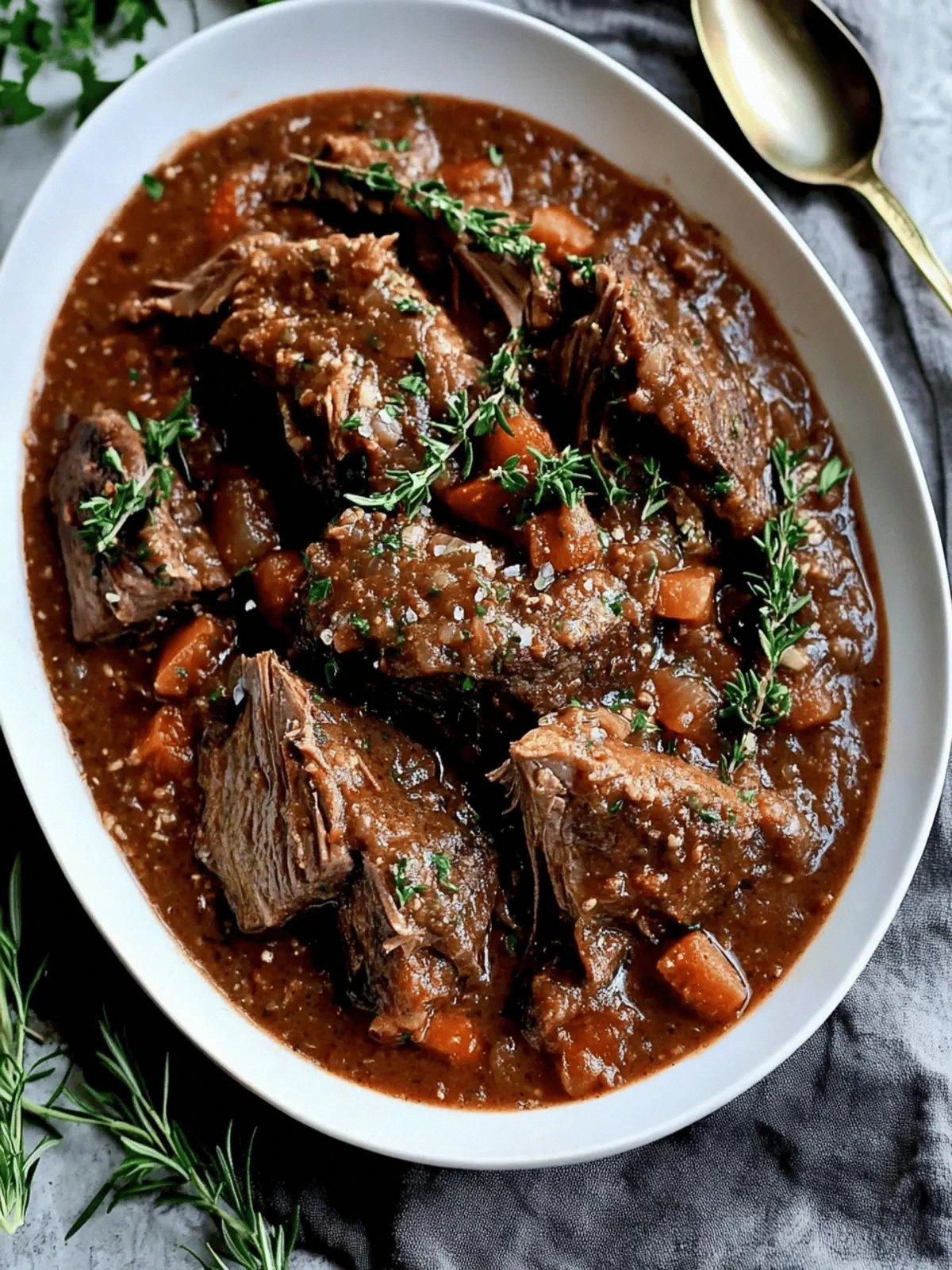
The Method — Step by Step
- First, season the chuck roast generously with salt and freshly ground black pepper. Heat 2 tablespoons of olive oil in a large Dutch oven over medium‑high heat. When the oil shimmers, add the roast and sear each side until a deep brown crust forms—about 4 minutes per side. This caramelized layer locks in juices and creates a flavor base that’s impossible to ignore. The aroma alone should make you salivate.
- Remove the roast and set it aside on a plate. In the same pot, add the diced pancetta and cook until it releases its fat and turns golden. This step is crucial; the pancetta’s rendered fat becomes the sauce’s backbone. Once browned, add the finely chopped onions, carrots, and celery, stirring until the vegetables soften and the onions turn translucent.
- Add the minced garlic to the pot and sauté for 30 seconds until fragrant—be careful not to burn it. Then pour in the 2 cups of dry red wine, scraping the bottom of the pan with a wooden spoon to lift all those caramelized bits. Let the wine reduce by half, which concentrates the flavor and eliminates excess alcohol. You’ll know it’s reduced when it thickens slightly and the pan smells like a fine Bordeaux.
- Return the roast to the pot, nestling it among the vegetables. Add the crushed tomatoes, beef broth, chopped rosemary, Italian seasoning, bay leaves, and a generous splash of half‑and‑half. Stir gently to combine, then bring the mixture to a gentle simmer. Cover the pot with a tight‑fitting lid and reduce the heat to low. The roast should cook slowly, allowing the flavors to mingle and the meat to become tender.
- After 2 hours of simmering, check the roast’s tenderness by inserting a fork. If it slides in with ease, the meat is ready. If not, let it cook for another 30 minutes. The long, slow simmer allows the connective tissue to break down, creating a melt‑in‑your‑mouth texture that’s worth every minute.
- While the roast rests, prepare the polenta. In a medium saucepan, bring 3 cups of chicken broth or water to a boil. Gradually whisk in 1 cup of polenta, stirring constantly to prevent clumps. Reduce heat to low, cover, and let it simmer for about 25 minutes, stirring occasionally. Once the polenta is thick and creamy, stir in 1 cup of crumbled Gorgonzola cheese, 1.5 cups of half‑and‑half, and 2 tablespoons of butter until the cheese melts into a silky sauce.
- Slice the roast into thick medallions and arrange them over the creamy polenta. Spoon the rich tomato‑pancetta sauce over the top, ensuring each slice is bathed in flavor. Garnish with chopped fresh parsley for a burst of color and a touch of herbaceous freshness.
- Serve immediately, pairing it with crusty bread to mop up the sauce or a light green salad to balance the richness. The combination of tender meat, velvety polenta, and aromatic sauce creates a dish that feels like a hug in a bowl. Remember: I dare you to taste this and not go back for seconds.
That's it — you did it. But hold on, I've got a few more tricks that'll take this to another level…
Insider Tricks for Flawless Results
The Temperature Rule Nobody Follows
Most people cook the roast on medium heat, but the secret is to start with high heat for a quick sear, then drop to low for the slow cook. This ensures a crispy crust and prevents the meat from drying out. I once tried the low‑and‑slow method from the start and the roast ended up rubbery. The temperature shift is the difference between a good dish and a great one.
Why Your Nose Knows Best
Before you taste the sauce, hold it up to your nose and sniff. If it smells bright and slightly acidic, it’s ready. If it smells flat or overly sweet, let it simmer longer. Your olfactory system is a reliable indicator of flavor balance, so trust it.
The 5‑Minute Rest That Changes Everything
Once you remove the roast from the pot, let it rest for exactly five minutes on a cutting board. This allows the juices to redistribute, ensuring every bite is juicy. Cutting into it immediately can cause the juices to spill out, leaving you with dry meat.
The Secret Polenta Trick
If you’re short on time, pre‑cook the polenta in a microwave for 10 minutes before adding the cheese and butter. The microwave version still absorbs the sauce beautifully and saves a few minutes of stovetop simmering.
The Gorgonzola Game‑Changer
Using Gorgonzola gives the sauce a distinct sharpness that complements the sweet tomatoes. If you prefer a milder cheese, try a mix of Gorgonzola and fontina. The result is a creamy, tangy sauce that’s still indulgent.
The Final Butter Finish
Adding butter at the end gives the sauce a glossy sheen and a subtle nutty flavor. It also helps the sauce cling to the meat and polenta. Skip it, and you’ll end up with a less polished dish.
Creative Twists and Variations
This recipe is a playground. Here are some of my favorite ways to switch things up:
Herb‑Infused Polenta
Add a handful of fresh sage or thyme to the polenta while it simmers. The herbs infuse the starch with a fragrant aroma, complementing the savory sauce.
Spicy Red Pepper
Stir in a pinch of crushed red pepper flakes with the tomatoes for a subtle kick. The heat balances the richness and adds a layer of complexity.
Mushroom Medley
Sauté sliced mushrooms with the pancetta for a earthy depth. The mushrooms absorb the tomato sauce, creating a hearty, umami‑rich bite.
Cheesy Polenta Variations
Replace Gorgonzola with shredded mozzarella or provolone for a milder, melty texture. The cheese will still provide richness but with a different flavor profile.
Vegetarian Version
Swap the chuck roast for a large block of seared tofu or a hearty lentil loaf. The same sauce works beautifully, delivering the same comforting experience.
Gluten‑Free Twist
Use gluten‑free polenta or a cauliflower mash as the base. The dish remains hearty, and the sauce still coats the substitute with the same lusciousness.
Storing and Bringing It Back to Life
Fridge Storage
Cool the roast and sauce to room temperature, then refrigerate in an airtight container for up to 4 days. The polenta will firm up slightly, so reheat gently on the stove with a splash of broth to loosen it.
Freezer Friendly
Wrap the roast, sauce, and polenta separately in freezer‑proof bags. Freeze for up to 3 months. Thaw overnight in the fridge before reheating on the stove or in a microwave.
Best Reheating Method
Reheat the sauce and roast in a covered skillet over low heat, stirring occasionally. Add a splash of water or broth to maintain moisture. For the polenta, stir in a bit of milk or cream to restore its creamy texture.