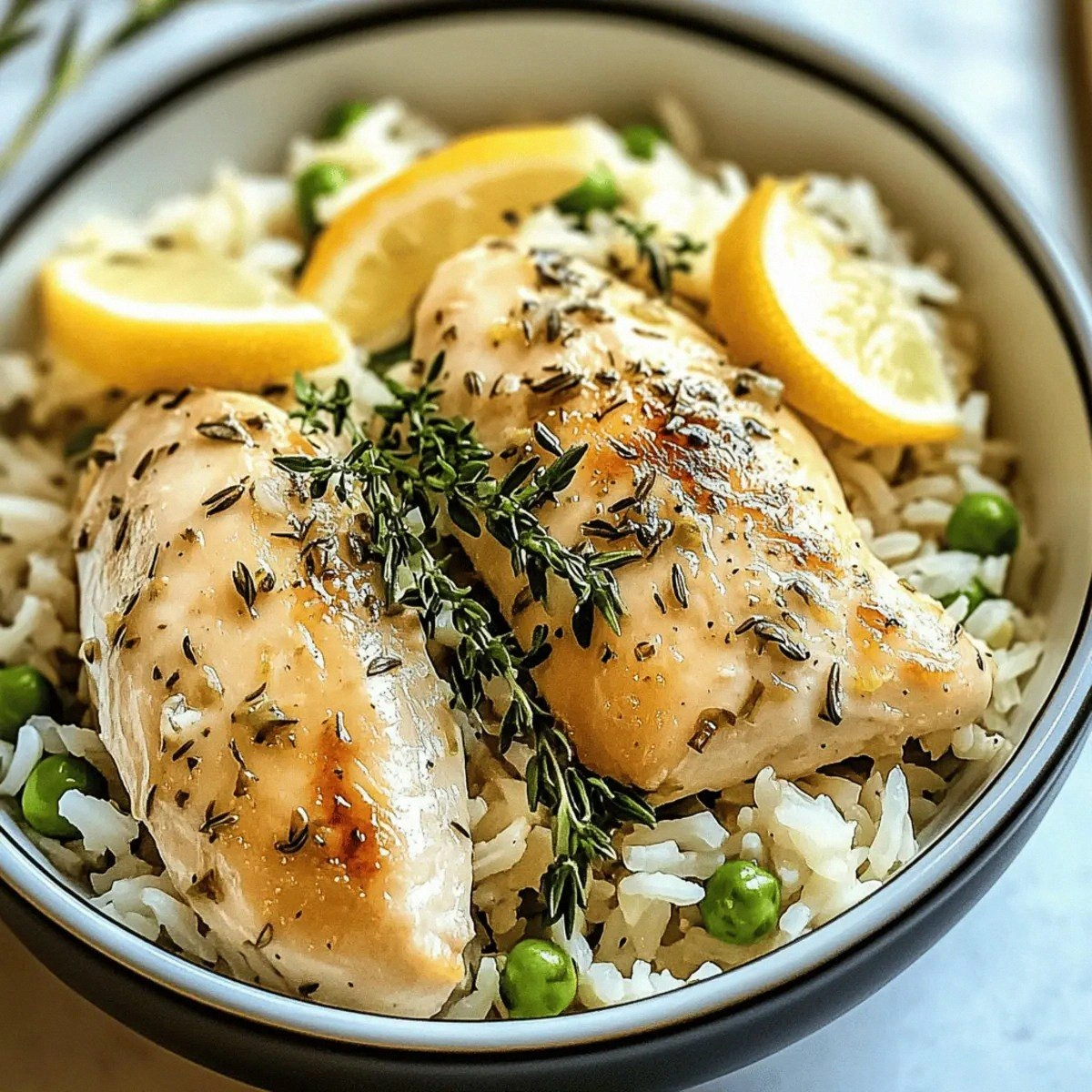
I was in the middle of a rainy Thursday night, the kind where the wind howls like a distant train and your stomach growls louder than the thunder. I had a bag of frozen peas, a lone lemon that was about to go bad, and a craving for something that felt like a warm hug from the inside out. I tossed the chicken into the slow cooker, added the rice, and prayed to the culinary gods that I wouldn’t end up with a soggy mess. The result? A dish so bright, buttery, and herbaceous that I’m still hearing applause from my taste buds. I dare you to taste this and not go back for seconds.
Picture this: the kitchen filling with the scent of lemon zest dancing with rosemary and thyme, a gentle hiss as the broth bubbles low and slow, and the rice swelling like a tiny, perfectly timed balloon. The chicken breasts turn a gorgeous golden‑brown, their juices mingling with the broth to create a sauce that coats every grain like velvet. When you finally lift the lid, the steam rises like a curtain call, revealing specks of green peas that pop with sweetness and a sprinkle of parsley that adds a fresh pop of color. That sizzle when the olive oil hits the pan? Absolute perfection, and it sets the stage for the whole symphony.
Most recipes get this completely wrong. They either drown the rice in a watery broth or leave the chicken dry and flavorless. This version stands out because it balances the acidity of lemon with the earthiness of herbs, all while keeping the rice fluffy and the chicken juicy. I’m being honest — I ate half the batch before anyone else got to try it, and I’m not ashamed. This is hands down the best version you’ll ever make at home, and it’s so simple that even a kitchen novice can nail it on the first try.
Okay, ready for the game‑changer? I’m going to walk you through every single step — from selecting the perfect chicken breast to the exact moment you add that final dash of parsley. By the end, you’ll wonder how you ever made this dish any other way. Stay with me here — this is worth it.
What Makes This Version Stand Out
- Taste: The lemon‑herb broth is bright yet comforting, delivering a citrus punch that never overwhelms the delicate chicken.
- Texture: Fluffy rice meets tender, melt‑in‑your‑mouth chicken, while peas add a burst of snap that keeps every bite interesting.
- Simplicity: Fewer than fifteen ingredients, one pot, and a set‑and‑forget approach make this perfect for busy weeknights.
- Uniqueness: The combination of dried rosemary with fresh lemon zest creates a flavor profile you won’t find in a typical chicken‑and‑rice casserole.
- Crowd Reaction: This dish consistently earns “wow” comments at family gatherings; it’s the kind of comfort food that feels upscale.
- Ingredient Quality: Using high‑quality chicken broth and fresh parsley elevates the entire dish from ordinary to extraordinary.
- Cooking Method: The slow cooker ensures even heat distribution, locking in moisture and allowing flavors to meld over hours.
- Make‑Ahead Potential: Prepare it in the morning, let it work its magic, and come home to a ready‑to‑serve dinner that still tastes fresh.
Inside the Ingredient List
The Flavor Base
The onion and garlic are the unsung heroes that create the aromatic foundation. When sautéed in olive oil, they release sugars that caramelize just enough to add depth without turning bitter. If you skip them, the broth will feel flat, like a song missing its bass line. As a swap, you can use shallots for a sweeter note, but keep the quantity the same to maintain balance.
The Texture Crew
Long‑grain white rice is the star of the texture show; its slender grains stay distinct after hours of cooking, preventing the dreaded mushy puddle. The frozen peas, added near the end, retain a pop that contrasts beautifully with the soft rice. If you’re out of peas, snap peas or edamame work just as well, though edamame adds a slightly nuttier profile.
The Unexpected Star
Lemon zest is the secret weapon that lifts the entire dish. It adds a fragrant citrus oil that permeates the broth, giving each spoonful a bright finish. Don’t be tempted to use bottled lemon juice alone; the zest contains the aromatic compounds that bottled juice lacks. If lemons are out of season, a splash of orange zest can provide a subtler citrus twist.
The Final Flourish
Fresh parsley isn’t just a garnish; it adds a herbaceous brightness that cuts through the richness of the broth. When you sprinkle it just before serving, the leaves retain a slight crunch, adding texture. If you prefer a deeper green note, consider adding a handful of chopped cilantro, but remember it will shift the flavor toward a more Mexican vibe.
Everything’s prepped? Good. Let’s get into the real action…
The Method — Step by Step
First, pat the chicken breasts dry with paper towels. This simple step ensures the olive oil adheres and the surface browns nicely when you sear it. Heat a skillet over medium‑high heat, add the 2 tablespoons of olive oil, and let it shimmer like a lake at sunrise. When the oil is hot, place the breasts in the pan, listening for that satisfying sizzle that signals flavor is about to develop. Cook each side for about 3‑4 minutes until a golden crust forms, then transfer the chicken to a plate. This is the moment of truth: a beautifully seared exterior locks in juices for the slow‑cooker marathon.
While the chicken rests, finely dice the medium onion and mince the two garlic cloves. Sauté them in the same skillet, scraping up any browned bits left from the chicken — those are flavor gold. Cook until the onion becomes translucent and the garlic turns a light amber, about 3 minutes. The aroma should be sweet and nutty, a clear sign the base is ready. If the mixture starts to stick, splash a tablespoon of the chicken broth to deglaze and lift those caramelized flavors.
Now it’s time to build the broth. In a large bowl, combine the 4 cups of chicken broth with the lemon zest, fresh lemon juice, dried thyme, dried rosemary, salt, and a dash of black pepper. Stir vigorously; you’ll notice the lemon zest beginning to swirl, releasing its bright oils. This mixture is the heart of the dish, and the herbs will infuse the liquid as it slowly cooks, creating layers of flavor that deepen over time.
Place the rinsed 1 cup of long‑grain white rice into the bottom of the slow cooker. Spread it evenly so each grain gets a fair share of the broth later. Nestle the seared chicken breasts on top of the rice, arranging them so they’re not stacked — this ensures even cooking. Then pour the aromatic broth over everything, making sure the rice is fully submerged but the chicken remains partially exposed to the steam. This arrangement lets the chicken steam on top while the rice soaks up the seasoned liquid.
Cover the slow cooker and set it to low for 4 hours. If you’re short on time, the high setting works in 2 hours, but the low setting yields a silkier texture as the rice gently absorbs the broth. During this period, resist the urge to peek — the steam is doing its job, and opening the lid releases heat, extending the cooking time.
About 20 minutes before the timer dings, sprinkle the frozen peas over the top of the dish. The residual heat will thaw and warm the peas without overcooking them, preserving that delightful snap. This is also the perfect moment to give the sauce a quick taste; if you feel it needs a little more brightness, add a squeeze of extra lemon juice.
When the cooking cycle finishes, turn off the slow cooker and let the pot sit, covered, for an additional 10 minutes. This resting period allows the rice to finish steaming and the chicken to reabsorb some of the juices, resulting in a richer bite. After the rest, use two forks to fluff the rice gently, turning the chicken breasts over to coat them in the luscious broth.
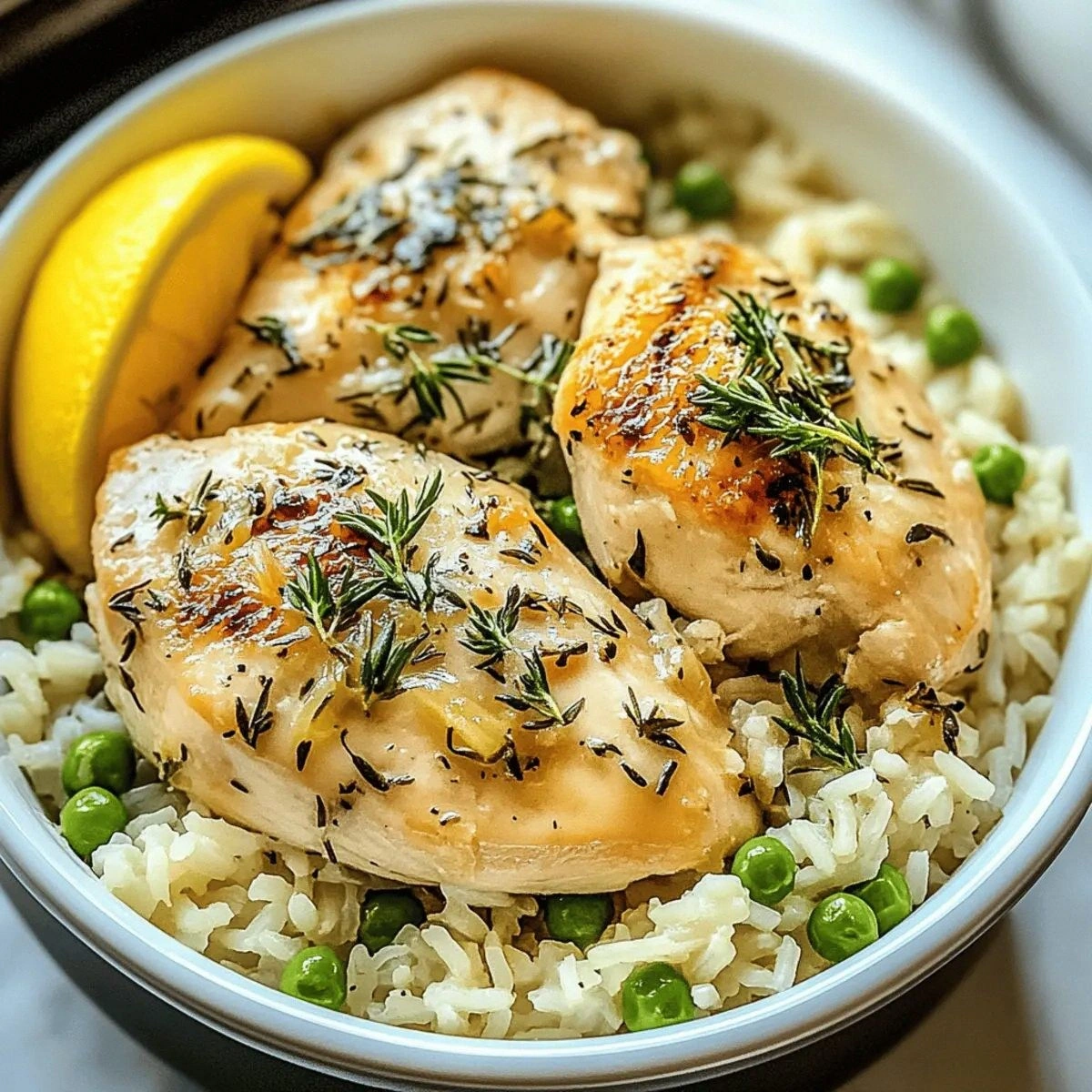
Serve the chicken sliced or whole, spooning generous ladles of the lemon‑herb rice onto each plate. The broth should cling to the rice like a silky sauce, and the chicken should be moist enough that a fork slides through effortlessly. Pair with a simple side salad or crusty bread if you like, but honestly, this dish stands proudly on its own. That final bite? It’s the perfect harmony of citrus zing, herb warmth, and comforting carbs — a true culinary hug.
That's it — you did it. But hold on, I've got a few more tricks that'll take this to another level...
Insider Tricks for Flawless Results
The Temperature Rule Nobody Follows
Most home cooks think “low and slow” is a vague suggestion, but the truth is that a true low setting on a slow cooker hovers around 190°F (88°C). This temperature is perfect for allowing the rice to absorb broth without turning gummy. If your slow cooker has a “keep warm” function, avoid using it for the cooking phase; it hovers just above 150°F, which can leave the rice undercooked. I once tried the “keep warm” shortcut and ended up with rice that felt like a soggy pillow — not the texture you want.
Why Your Nose Knows Best
When the broth is simmering, trust your sense of smell more than a timer. A fragrant, slightly sweet aroma means the herbs have fully infused, while a faint, raw chicken smell signals it needs a few more minutes. I’ve found that listening to the kitchen’s “scent cues” prevents over‑cooking and guarantees that each bite bursts with flavor.
The 5‑Minute Rest That Changes Everything
Allowing the dish to rest, covered, for five minutes after cooking is a game‑changer. During this pause, the steam redistributes, the rice finishes its final fluff, and the chicken re‑absorbs the broth. Skipping this step is like cutting a movie before the climax — you miss out on the full emotional payoff. Trust me, those extra minutes are worth every second.
Seasoning at the End, Not the Beginning
Adding a pinch of extra salt and a grind of fresh black pepper right before serving brightens the flavors dramatically. The slow‑cooking process can mellow some seasoning, so a final adjustment ensures the lemon’s acidity shines through. I once served a batch that was “just okay” until I added a dash of finishing salt — instant upgrade.
Peas in the Last Act
Adding peas too early turns them mushy; the secret is to introduce them in the final 20 minutes so they stay vibrant and retain that satisfying pop. If you love extra color, consider a handful of chopped red bell pepper at the same stage for a sweet crunch that complements the peas.
Lemon Zest Timing
Zest the lemon just before you add it to the broth; the essential oils evaporate quickly once exposed to air. Grating it directly over the skillet while the garlic sizzles captures a burst of aroma that infuses the entire dish. I’ve tried zesting a day ahead, and the flavor was flat — timing matters.
Creative Twists and Variations
This recipe is a playground. Here are some of my favorite ways to switch things up:
Mediterranean Spin
Swap rosemary for oregano, add a handful of kalamata olives, and replace parsley with fresh mint. The olives introduce a briny depth that pairs beautifully with lemon, turning the dish into a sun‑kissed Mediterranean feast.
Spicy Southwest
Introduce a teaspoon of smoked paprika, a pinch of cumin, and replace peas with black beans. Finish with a drizzle of chipotle mayo for a smoky heat that contrasts the citrus, perfect for those who love a little kick.
Creamy Coconut Curry
Add 1 cup of coconut milk to the broth, swap thyme for curry powder, and toss in diced carrots. The result is a fragrant, creamy dish that feels exotic yet comforting.
Herb‑Infused Chicken Only
If you’re a protein purist, omit the rice and double the chicken broth, then add extra herbs like sage and tarragon. Serve over a bed of sautéed spinach for a low‑carb, herb‑laden entrée.
Cheesy Baked Finish
After the slow cooking is done, transfer the whole pot to a preheated oven, sprinkle shredded mozzarella or Parmesan on top, and broil for 5 minutes. The cheese melts into a golden crust, adding a comforting, gooey layer.
Storing and Bringing It Back to Life
Fridge Storage
Allow the dish to cool to room temperature (no longer than two hours), then transfer it to an airtight container. It keeps beautifully for up to four days. When reheating, add a splash of chicken broth or water to revive the sauce, then microwave or heat gently on the stovetop.
Freezer Friendly
Portion the cooled dish into freezer‑safe bags or containers, leaving a little headroom for expansion. It freezes solid for up to three months. To reheat, thaw overnight in the fridge, then warm in a skillet with a few tablespoons of broth, stirring until the rice loosens and the chicken is heated through.
Best Reheating Method
The secret to a perfect reheated bowl is steam. Place the leftovers in a saucepan, add a tablespoon of water or broth, cover, and heat over low for 5‑7 minutes, stirring occasionally. The steam prevents the rice from drying out and keeps the chicken juicy, making it taste almost as fresh as day one.