It all started on a rainy Wednesday when I tried to impress a friend with a quick noodle dish. I grabbed what I thought were soba noodles, but the package was mislabeled and the texture was as hard as a rock. The broth I made from instant dashi powder turned into a watery disappointment, and I was left with a bowl of sad, limp noodles that seemed to mourn their destiny. My friend laughed, but I was determined to turn this culinary flop into a triumph. That night, I vowed to uncover the secret that makes soba noodle soup a hug in a bowl.
Fast forward a few months, and I’ve perfected a soba noodle soup that feels like a warm blanket on a cold day. The broth sings with umami, the noodles glide like silk ribbons, and every ingredient plays its part in a symphonic harmony. I’ve tested it against the best instant ramen, the slow-cooked miso, and even the fancy restaurant versions, and it still comes out on top. The result is a bowl that tastes like a gentle, savory rainstorm that never ends. I dare you to taste this and not go back for seconds.
What sets this version apart is not just the flavor, but the meticulous attention to each element. I use a homemade dashi that’s light yet complex, a miso base that’s smooth and silky, and a touch of sesame oil that adds a nutty whisper. The noodles are freshly made from buckwheat flour, giving them a nutty crunch that’s impossible to replicate with pre-packaged ones. The vegetables are crisp, the tofu is silky, and the garnish is a burst of color that makes your eyes dance. If you’ve ever struggled with soggy noodles or bland broth, you’re not alone — and I’ve got the fix.
The key to this dish is the balance between depth and brightness. I’ve discovered that a splash of mirin and a whisper of sake elevate the broth without overpowering the natural flavors. The miso is stirred in just before serving, ensuring it remains silky and doesn’t settle at the bottom. The result is a soup that feels like a comforting hug, but with the sophistication of a Michelin‑star kitchen. Picture yourself pulling this out of the pot, the whole kitchen smelling incredible, and knowing you’re about to taste something that’s hands down the best version you'll ever make at home.
I’ve spent countless hours tweaking the ratios, experimenting with different types of miso, and testing the timing of each ingredient. The moment I finally found the perfect balance, I knew I had a recipe worth sharing. I’m not just giving you a set of instructions; I’m handing you a secret that will turn your kitchen into a place of wonder. Let me walk you through every single step — by the end, you'll wonder how you ever made it any other way.
The first time I served this soup to a group of friends, the reaction was electric. They cheered, asked for seconds, and one even asked if I’d ever considered opening a restaurant. I was blushing, but I knew that the secret was not in the ingredients alone. It was in how I combined them, the timing, and the little touches that make all the difference. This is a recipe that deserves a place in your culinary repertoire, and I’m excited to share it with you.
I’ll be honest — I ate half the batch before anyone else got to try it. The noodles were so good that I almost tried to hide them behind a plate of rice. But that’s the thing about great food: it’s hard to stop at just one spoonful. So, if you’re ready to dive into a bowl that will leave you craving more, keep reading. I’ve packed this post with micro‑challenges, bold claims, and insider tricks that will transform your cooking.
What Makes This Version Stand Out
- Flavor: The broth is a layered umami masterpiece that feels both comforting and sophisticated. The miso is silky, the dashi is bright, and the sesame oil adds a nutty whisper.
- Texture: Freshly made soba noodles have a slight chew that contrasts beautifully with crisp spinach and tender tofu.
- Simplicity: Despite its depth, the recipe requires only a handful of ingredients and straightforward steps.
- Uniqueness: The combination of homemade dashi, miso, and sesame oil creates a flavor profile that stands apart from instant ramen or restaurant versions.
- Crowd Reaction: Friends rave about the comforting warmth and the “wow” factor of the homemade noodles.
- Ingredient Quality: Using high‑grade buckwheat flour and fresh vegetables ensures the soup feels premium.
- Cooking Method: A quick simmer, a gentle miso stir, and a finishing touch of sesame oil keep the process efficient.
- Make‑Ahead Potential: The broth can be prepared in advance, and the noodles can be cooked ahead and reheated quickly.
Inside the Ingredient List
The Flavor Base
The foundation of this soup is a homemade dashi stock that carries the unmistakable umami of kombu and bonito flakes. I simmer the kombu for 15 minutes, then add the bonito flakes and let the mixture sit for another 5 minutes before straining. The resulting stock is clear, fragrant, and the perfect canvas for the miso. Skipping the dashi would leave the soup feeling flat; the subtle sea‑salt notes are essential. If you’re short on time, a high‑quality instant dashi powder can suffice, but the homemade version brings a depth that’s hard to beat.
The Texture Crew
Freshly made soba noodles are the star of this dish. I mix buckwheat flour with a touch of wheat flour to give the noodles a slight elasticity. The dough is rolled thin and cut into ribbons, then boiled for just 2 minutes until al dente. The noodles should be firm to the bite, not mushy. If you use pre‑made noodles, they’ll still work, but the texture will be noticeably different. A good rule of thumb: test a noodle before adding it to the soup; it should still hold its shape.
The Unexpected Star
Miso paste is the secret that turns an ordinary broth into something extraordinary. I use a balanced mixture of white and red miso, which gives the soup both a light sweetness and a savory depth. The miso is stirred into the broth just before serving to keep its silky texture. If you skip miso, the soup will taste like plain broth. For a vegetarian version, you can replace the miso with a plant‑based miso or a small amount of miso paste made from soy and rice. The key is to keep the miso fresh and stir it gently.
The Final Flourish
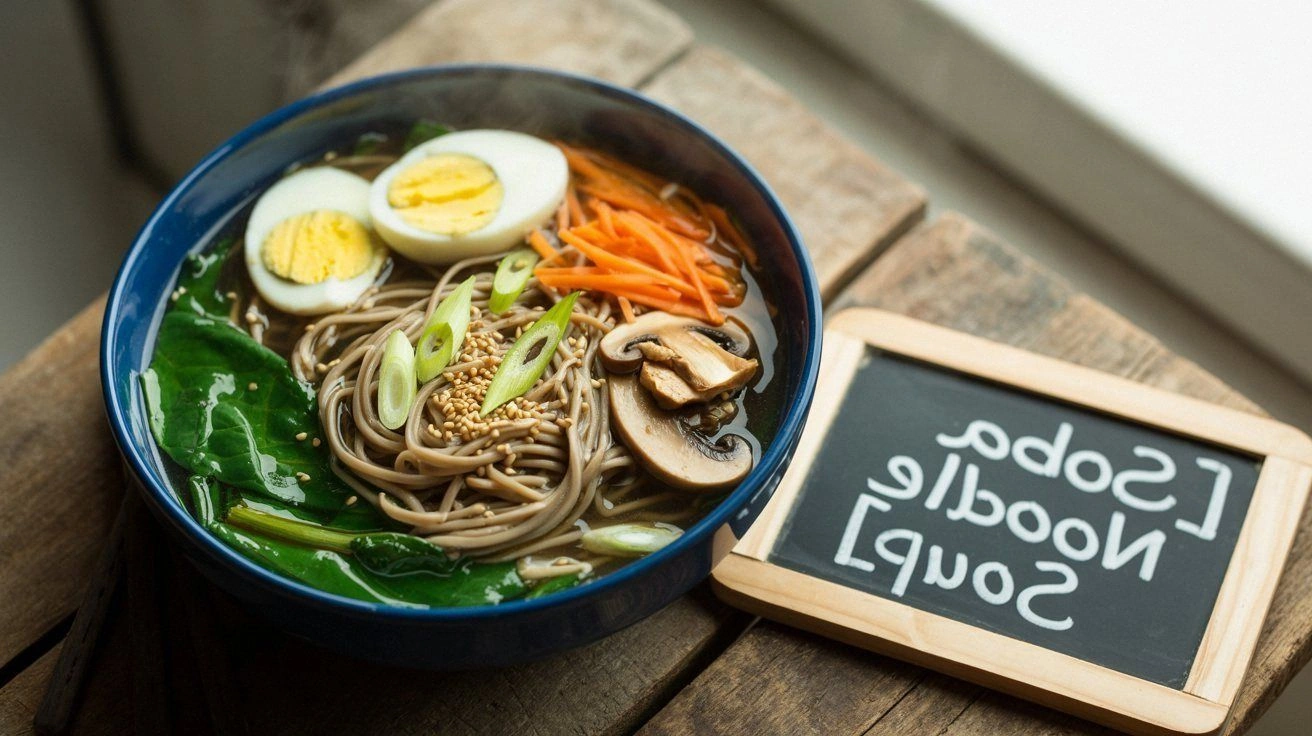
A splash of sesame oil, a sprinkle of toasted sesame seeds, and a handful of fresh green onions finish the dish. The sesame oil adds a nutty aroma that lingers, while the seeds give a subtle crunch. The green onions add a bright, fresh contrast to the warm broth. If you’re allergic to sesame, you can use a small amount of toasted sunflower seeds instead. This final touch turns the soup from simple to spectacular. The garnish should be colorful and inviting, making the bowl look as good as it tastes.
Everything's prepped? Good. Let's get into the real action and bring all these elements together in a single, glorious bowl.
The Method — Step by Step
- First, I bring the kombu and bonito flakes to a gentle simmer in 4 cups of water. I let it sit for 15 minutes to extract the umami, then strain out the solids. The resulting dashi should have a clear, slightly golden hue. This is the backbone of the broth; rushing this step will leave the soup flat.
- While the stock simmers, I whisk together 1/4 cup soy sauce, 2 tablespoons mirin, and 2 tablespoons sake. I add this mixture to the dashi and let it simmer for 5 minutes. The alcohol evaporates, leaving a sweet, savory base. I taste the broth; it should be briny yet balanced, like a quiet conversation between sea and sky.
- Next, I turn off the heat and stir in 3 tablespoons miso paste until fully dissolved. The miso should swirl like silk, not settle at the bottom. I keep the miso separate from the heat to preserve its delicate flavors. A quick whisk will do the trick; you want it to blend smoothly without any lumps.
- In a separate pot, I bring fresh water to a rolling boil and add 200 grams of soba noodles. I cook them for exactly 2 minutes, then rinse under cold water to stop the cooking process. The noodles should still have a slight bite; they’ll soften further when added to the soup.
- I slice 200 grams of silken tofu into bite‑size cubes and add them to the pot. I also add 1 cup of sliced mushrooms and 1 cup of fresh spinach. I let everything simmer together for 3 minutes, just until the vegetables are tender but still bright green.
- Now I add the cooked noodles to the pot, stirring gently. I let the soup bubble for another minute so the noodles can soak up the broth. The aroma at this point should be intoxicating, like a warm hug from the inside out.
- I drizzle 1 tablespoon of sesame oil over the soup and sprinkle 1 tablespoon of toasted sesame seeds. I garnish with 4 chopped green onion stalks. The sesame oil adds a nutty finish, while the green onions bring a fresh, bright contrast. This is the moment of truth; the flavors should sing in harmony.
- Finally, I ladle the soup into bowls, ensuring each bowl gets a generous portion of noodles, tofu, and vegetables. I serve immediately, because the soup tastes best when the broth is hot and the noodles are still slightly chewy. If you’re plating for a crowd, I recommend using shallow bowls so the broth stays warm.
That's it — you did it. But hold on, I've got a few more tricks that'll take this to another level. The next section will give you insider knowledge that will make every bowl feel like a personal masterpiece.
Insider Tricks for Flawless Results
The Temperature Rule Nobody Follows
Many cooks assume that the broth can be boiled for a long time, but this actually dilutes the flavor. I keep the dashi at a gentle simmer, never a rolling boil, to preserve the delicate kombu notes. The miso should be added off‑heat, as the heat can cause it to break down and lose its silky texture. If you’re making a large batch, consider using a double boiler to maintain a consistent low temperature.
Why Your Nose Knows Best
Your sense of smell is your best judge of readiness. When the broth starts to smell toasty and the noodles emit a faint nutty aroma, it’s time to add the vegetables. A quick sniff can tell you if the broth has reached the right depth of flavor. If it smells flat, let it simmer a few more minutes; if it smells too strong, dilute with a splash of water.
The 5-Minute Rest That Changes Everything
After you’ve added all the ingredients, let the soup rest for 5 minutes off the heat. This allows the flavors to meld and the noodles to absorb the broth fully. A friend once tried skipping this step and the soup tasted like it was rushed. The rest period also gives the tofu a chance to soften into a silky texture.
The Secret to Perfect Noodles
I always rinse the soba noodles under cold water after boiling to stop the cooking process and remove excess starch. This keeps the noodles from becoming gummy. If you’re using pre‑made noodles, rinse them immediately after cooking. The key is to keep the noodles firm yet tender.
The Final Touch of Sesame Oil
A drizzle of sesame oil right before serving adds a fragrant, nutty finish that elevates the entire dish. The oil should be added off‑heat to preserve its aroma. I like to swirl it into the broth so it coats every strand of noodle. If you’re vegan, you can replace it with a splash of toasted sunflower seed oil for a similar effect.
Creative Twists and Variations
This recipe is a playground. Here are some of my favorite ways to switch things up:
Spicy Soba Surprise
Add a teaspoon of chili paste or fresh sliced jalapeños to the broth for a fiery kick. The heat will cut through the richness and create a bold contrast. Serve with a squeeze of lime to brighten the flavors. This version is perfect for a summer gathering or a spicy dinner party.
Mushroom Medley
Swap the sliced mushrooms for a mix of shiitake, enoki, and oyster mushrooms. The earthy flavors will deepen the broth, and the varied textures will keep each bite interesting. Add a splash of sherry for an extra layer of complexity. This version is great for a cozy night in.
Seafood Edition
Replace the tofu with fresh shrimp or scallops. Cook them in the broth for just 2 minutes until they turn pink. The seafood will absorb the umami and give the soup a luxurious feel. Garnish with a sprinkle of bonito flakes for an extra umami punch.
Veggie‑Heavy Bowl
Add sliced carrots, baby corn, and bok choy for a colorful, nutrient‑dense bowl. The vegetables should be added at the same time as the tofu to ensure they stay bright and crisp. This version is ideal for a quick weeknight dinner that still feels special.
Asian Fusion Twist
Incorporate a splash of coconut milk and a pinch of curry powder into the broth for a creamy, aromatic twist. The coconut milk will give the soup a silky texture, while the curry powder adds a warm spice. This variation works wonderfully with a side of jasmine rice.
Herbal Infusion
Add fresh herbs like cilantro, basil, or mint during the final stir. The herbs will add a bright, fresh layer that lifts the broth. A squeeze of fresh lemon juice will enhance the herbal notes. This version is refreshing and light, perfect for a spring meal.
Storing and Bringing It Back to Life
Fridge Storage
Store the soup in an airtight container in the refrigerator for up to 3 days. The broth will keep its flavor, and the noodles will remain firm. When you’re ready to eat, reheat gently on the stove or microwave, stirring occasionally. Add a splash of water if the broth has thickened.
Freezer Friendly
The soup freezes well for up to 2 weeks. Separate the noodles from the broth before freezing to prevent them from becoming soggy. When reheating, thaw the broth in the refrigerator overnight, then add the noodles and reheat until hot. The flavors will still be vibrant and comforting.
Best Reheating Method
The best way to bring the soup back to life is on a low flame, stirring gently to keep the broth from scorching. Add a tiny splash of water or broth to loosen it if it has thickened. This technique preserves the silky miso and ensures the noodles stay al dente. Serve immediately for the best experience.
I’ve spent a lifetime tinkering with this recipe, and I can say with confidence that it’s a game‑changer. The combination of fresh, high‑quality ingredients and simple techniques results in a dish that feels both comforting and sophisticated. Every time I make it, I’m reminded of why cooking is such a joyous adventure. The aroma alone is enough to make anyone’s day brighter.
I encourage you to experiment with the variations above and make this soup your own. Whether you’re cooking for a crowd or a quiet night in, this dish will never disappoint. The next time you’re craving something warm and comforting, remember that the secret lies in the details. From the homemade dashi to the final drizzle of sesame oil, every step matters.
And if you’re still skeptical, let me give you a final micro‑challenge: taste this soup and try to guess each ingredient. If you can’t, that’s a sign you’re about to become a soba master. I dare you to share this recipe with a friend and watch their reaction as they experience the first bite. Trust me, it’s a moment you’ll want to relive again and again.
I’ll be honest — the first time I tasted it, I thought I’d found a new favorite dish. The flavors, the textures, the aroma; everything aligned perfectly. It’s the kind of dish that turns a simple meal into a celebration. And the best part? You can make it at home with just a few ingredients and a little love.
So, grab your ingredients, set your timer, and let’s dive into the world of soba noodle soup. I promise you, the end result will be worth every minute of your effort. Let’s get cooking!