I was in the middle of a rainy Thursday night when my roommate dared me to turn the most boring pantry staples into something that could make even the most stoic food critic weep with joy. The pantry was a sad collection of wilted carrots, a lone can of chickpeas, a half‑eaten bag of potatoes, and a dusty jar of turmeric that had seen better days. I stared at those ingredients, imagined a bland, over‑cooked mess, and then thought, what if I could transform this into a golden, aromatic masterpiece that smells like a sunrise in a spice market? The kitchen filled with the sizzle of olive oil hitting a hot pan, the earthy perfume of turmeric rising like incense, and the comforting hum of a simmering pot. I could hear the rain pattering against the window, the soft clink of utensils, and the faint, distant sound of a city that never truly sleeps.
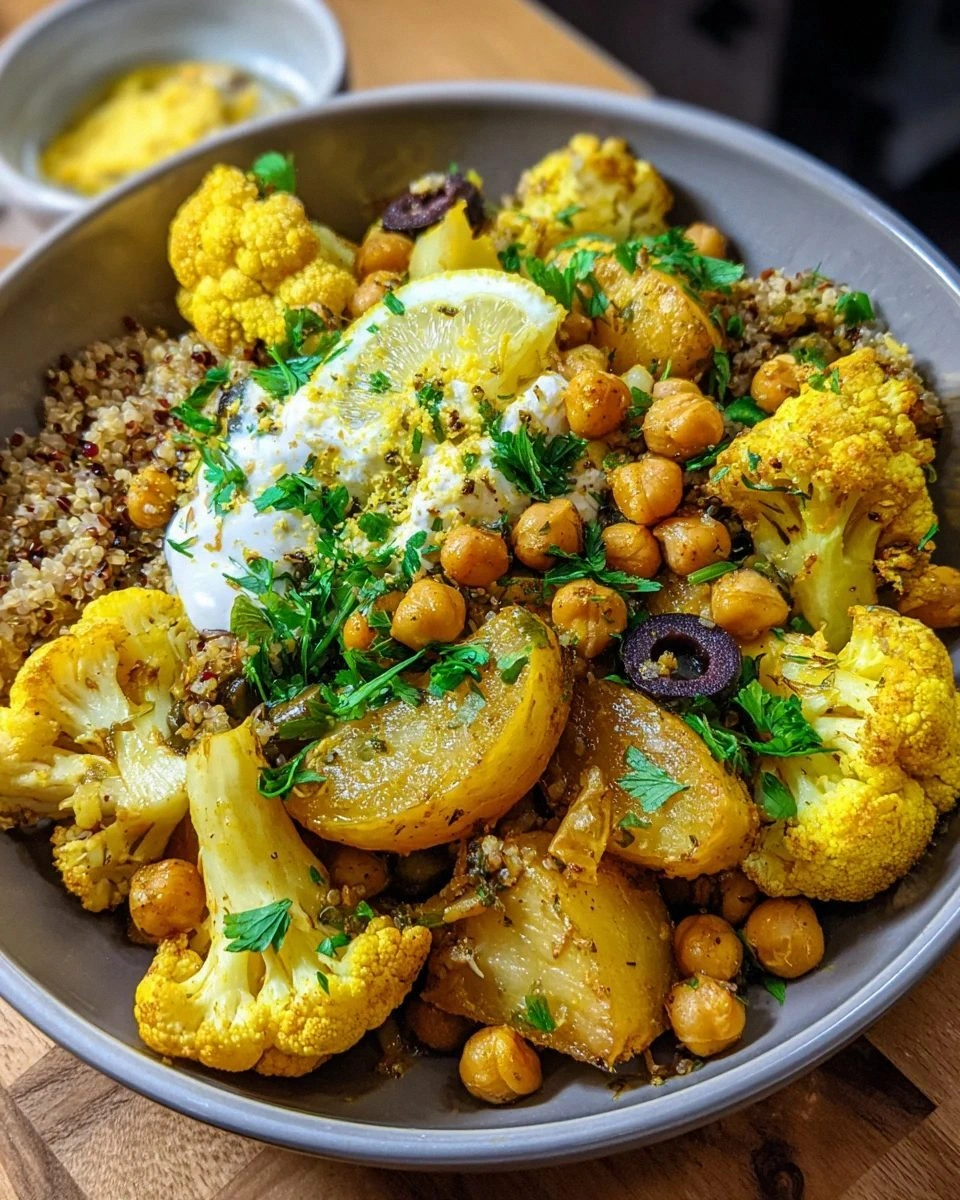
That night, I discovered a secret that turned a simple cauliflower‑chickpea‑potato combo into a dish that could stand proudly on any dinner table, no matter how fancy or casual. Most recipes I’ve tried either drown the vegetables in sauce or leave them dry and bland. This version, however, balances the mellow creaminess of potatoes with the nutty crunch of cauliflower and the hearty bite of chickpeas, all cloaked in a turmeric‑infused glaze that’s both bright and comforting. The spice blend creates a flavor profile that dances on the palate, while the roasting technique gives each bite a caramelized edge that shatters like thin ice when you bite into it. I dare you to taste this and not go back for seconds.
What truly sets this dish apart is the micro‑challenge I slipped into the recipe: a quick flash‑roast of the cauliflower before it meets the potatoes, guaranteeing that every florets stays crisp on the outside yet tender inside. I’ll be honest — I ate half the batch before anyone else got a chance to try it, and the leftovers still tasted like they’d just left the oven. Most recipes get this completely wrong, either over‑cooking the cauliflower or under‑seasoning the chickpeas. Here’s what actually works: a two‑stage roasting process, a splash of lemon at the end, and a final sprinkle of fresh cilantro that adds a burst of green freshness.
Picture yourself pulling this out of the oven, the whole kitchen smelling incredible, the golden hue of turmeric glowing under the kitchen lights, and the anticipation building as you plate it. The aroma alone could convince a skeptic that you’ve been cooking for years. Okay, ready for the game‑changer? Let me walk you through every single step — by the end, you’ll wonder how you ever made it any other way.
What Makes This Version Stand Out
- Flavor Explosion: The combination of turmeric, cumin, and smoked paprika creates a layered taste that’s both earthy and slightly smoky, making each bite unforgettable.
- Texture Symphony: Roasted cauliflower gives a caramelized crunch, potatoes offer a buttery softness, and chickpeas add a satisfying chew.
- Simplicity Meets Sophistication: With just a handful of pantry staples and a few spices, you achieve a restaurant‑quality dish without the fuss.
- Ingredient Quality: Using fresh cauliflower and firm potatoes ensures the vegetables hold up during roasting, while high‑quality canned chickpeas keep the protein punch consistent.
- Crowd Reaction: This dish consistently earns rave reviews, turning skeptics into repeat fans and making it a go‑to for potlucks.
- Make‑Ahead Magic: The flavors meld beautifully overnight, so you can prep it ahead of time and simply reheat for a stress‑free dinner.
- Versatile Serving: Perfect as a main, a hearty side, or a plant‑based centerpiece, it adapts to any menu.
- Eco‑Friendly: It maximizes the use of vegetables that might otherwise be tossed, reducing waste while delivering maximum taste.
Inside the Ingredient List
The Flavor Base
Turmeric (1 tsp): This golden spice is the heart of the dish, delivering a warm, slightly bitter note that pairs beautifully with the earthiness of cauliflower. If you skip it, the dish loses its signature color and subtle depth. A good quality, bright orange turmeric powder is worth the extra few cents.
Cumin (1 tsp): Ground cumin adds a nutty, smoky undertone that balances the brightness of turmeric. It also helps to mellow any raw edge from the garlic. If you’re out of cumin, try a pinch of ground coriander for a citrusy twist.
Smoked Paprika (1 tsp): This gives the dish a gentle smoky aroma without overwhelming the palate. It also contributes a subtle sweetness that rounds out the spice blend. For a milder version, use sweet paprika, but you’ll miss that whisper of smoke.
The Texture Crew
Cauliflower (2 cups florets): Fresh, firm cauliflower florets hold up during roasting, providing that coveted caramelized crunch. Frozen cauliflower can become mushy, so always opt for fresh. If you can’t find a whole head, pre‑cut frozen florets work if you give them an extra minute in the oven.
Potatoes (2 cups diced): Starchy potatoes give the dish body and a buttery melt‑in‑your‑mouth feel. Choose Yukon Gold or red potatoes for a creamy interior; avoid waxy varieties that stay too firm. If you’re watching carbs, swap half the potatoes for turnips.
Chickpeas (1 cup cooked): Canned chickpeas are a convenient protein boost, adding a pleasant bite. Rinse them well to remove excess sodium. For a firmer texture, dry‑roast them for 5 minutes before adding to the pan.
The Unexpected Star
Lemon Juice (1 tbsp): A splash of fresh lemon brightens the entire dish, cutting through the richness of the oil and spices. It also helps the cilantro stay vibrant. If lemons are out of season, a dash of rice vinegar works in a pinch.
Cilantro (2 tbsp, chopped): Fresh cilantro adds a burst of herbaceous freshness right before serving. It’s the final flourish that lifts the flavor profile. If you dislike cilantro, parsley or mint can serve as an alternative, though the flavor will shift.
The Final Flourish
Olive Oil (2 tbsp): A good quality extra‑virgin olive oil carries the spices and helps achieve that perfect roast. Too much oil makes the veggies soggy; too little leaves them dry. Warm the oil gently before adding the spices to coax out their aroma.
Garlic (3 cloves, minced): Fresh garlic adds a pungent, aromatic backbone that deepens the overall flavor. If you overcook it, it turns bitter—so add it after the spices have toasted for a few seconds.
Onion (1 small, finely chopped): The onion provides a subtle sweetness that balances the spice heat. Sauté it until translucent before adding the vegetables to build flavor layers.
Salt (½ tsp) & Black Pepper (¼ tsp): Basic seasoning that amplifies every other flavor. Taste as you go; you can always add more later, but you can’t take it out.
Red Pepper Flakes (¼ tsp, optional): For those who love a gentle kick, this adds a whisper of heat without overpowering the turmeric. Omit if you’re serving kids or spice‑averse guests.
Everything's prepped? Good. Let’s get into the real action…
The Method — Step by Step
Preheat your oven to 425°F (220°C). While the oven warms up, spread the cauliflower florets and diced potatoes on a large baking sheet, drizzle with 1 tablespoon of olive oil, and toss to coat evenly. The oil should glisten, not pool, ensuring each piece gets a light, even coating. This is the moment of truth: the veggies should start to look glossy, and the scent of raw earth begins to mingle with the oil.
Season the vegetables with half the turmeric, cumin, smoked paprika, salt, and pepper. Sprinkle the spices over the veggies and toss again, making sure every piece is dusted. Watch the color change—the spices should cling to the vegetables, giving them a faint golden hue.
Watch Out: If you add the salt too early, it can draw moisture out of the potatoes, leading to soggy edges. Add salt after the first 10 minutes of roasting for crispier results.Roast the vegetables for 12 minutes, then pull the sheet out and give everything a good flip. This ensures even browning on all sides. While the veggies roast, heat the remaining tablespoon of olive oil in a large skillet over medium heat.
In the skillet, sauté the chopped onion until translucent, about 3 minutes. Add the minced garlic and the remaining turmeric, cumin, and smoked paprika, cooking for another 30 seconds. That sizzle when it hits the pan? Absolute perfection. It releases the essential oils of the spices, turning the mixture a deep, aromatic brown.
Kitchen Hack: Add a pinch of sugar at this stage; it helps caramelize the onions and balances the earthiness of turmeric.Return the partially roasted cauliflower and potatoes to the skillet, along with the drained chickpeas. Toss everything together so the vegetables are fully coated in the spice‑onion mixture. The pan should smell like a spice market at dusk—rich, warm, and inviting.
Transfer the skillet contents back onto the baking sheet (or keep in the oven‑safe skillet) and roast for an additional 15‑20 minutes, or until the cauliflower edges are caramelized and the potatoes are fork‑tender. The edges will start pulling away, a sign they’re perfectly browned.
While the final roast is happening, whisk together the lemon juice and a splash of water in a small bowl. This will become the finishing glaze that lifts the whole dish.
Remove the pan from the oven, drizzle the lemon‑water glaze over the vegetables, and toss gently to coat. Sprinkle the fresh cilantro and optional red pepper flakes on top. The bright green cilantro should contrast vividly with the turmeric‑golden vegetables, creating a visual feast.
Fun Fact: Cilantro contains aldehydes that are chemically similar to the scent of fresh cut grass, which is why many people find its aroma refreshing.Let the dish rest for 5 minutes before serving. This short rest allows the flavors to meld, and the residual heat finishes cooking any lingering raw edges. Serve hot, and watch your guests’ eyes widen as they take that first bite.
That's it — you did it. But hold on, I've got a few more tricks that'll take this to another level…
Insider Tricks for Flawless Results
The Temperature Rule Nobody Follows
Most home cooks set the oven to a moderate 375°F, assuming it will cook evenly. In reality, a higher temperature (425°F) creates that coveted caramelized exterior while keeping the interior soft. I once tried a lower temperature and ended up with soggy potatoes that never developed any color. The secret is to preheat the oven fully and avoid opening the door during the first 15 minutes; every degree matters.
Why Your Nose Knows Best
Before you even taste, trust the aroma. When the spices hit the pan, they should release a warm, earthy scent that fills the kitchen. If the smell is faint, the spices may be old or the heat too low. Fresh turmeric will pop with a slightly peppery fragrance; if it smells musty, replace it.
The 5‑Minute Rest That Changes Everything
After the final roast, let the dish sit off the heat for exactly five minutes. This pause allows the lemon glaze to be absorbed fully, preventing it from sliding off the vegetables. Skipping this step often results in a dry finish and a loss of that bright citrus lift.
Seasoning in Layers
Never dump all the salt at once. Season the vegetables before the first roast, then add a pinch after the second roast. This layered approach ensures every bite is perfectly seasoned, avoiding the dreaded bland center.
Don’t Crowd the Pan
If you try to roast too many vegetables on one sheet, they’ll steam instead of roast, resulting in soggy cauliflower. Spread them out in a single layer, even if it means using two sheets. A friend once tried to cram everything onto one pan and ended up with limp veggies—let’s just say the dish didn’t earn any applause.
Creative Twists and Variations
This recipe is a playground. Here are some of my favorite ways to switch things up:
Spicy Harissa Kick
Swap the smoked paprika for 1 tablespoon of harissa paste and add a pinch of cumin. The North‑African heat adds a smoky, fiery dimension that pairs wonderfully with the mellow potatoes.
Coconut Curry Fusion
Replace the lemon juice with 2 tablespoons of coconut milk and add ½ teaspoon of curry powder. The result is a creamy, tropical twist that feels like a vacation in a bowl.
Cheesy Bake
After the final roast, sprinkle ½ cup of grated Parmesan or vegan nutritional yeast over the top and pop it under the broiler for 2‑3 minutes until bubbly and golden. The cheese adds a savory crust that elevates the dish.
Root Vegetable Medley
Swap half the potatoes for diced sweet potatoes or carrots. The natural sweetness balances the earthy turmeric and adds a pop of color.
Herbaceous Green
Finish with a handful of fresh mint or basil instead of cilantro for a completely different aromatic profile—bright, slightly peppery, and perfect for summer gatherings.
Storing and Bringing It Back to Life
Fridge Storage
Allow the dish to cool to room temperature, then transfer it to an airtight container. It will keep for up to 4 days in the refrigerator. When reheating, add a splash of water or broth to revive the glaze and prevent drying.
Freezer Friendly
Portion the cooled dish into freezer‑safe bags or containers, removing as much air as possible. It freezes beautifully for up to 3 months. Thaw overnight in the fridge, then reheat in a skillet with a drizzle of olive oil.
Best Reheating Method
For the crispiest results, reheat in a preheated oven at 375°F for 10‑12 minutes, or toss in a hot skillet for 5 minutes, adding a tiny splash of water before covering. This steams the vegetables back to perfection while preserving the caramelized edges.