Picture this: I was halfway through a chaotic weeknight dinner, the oven was on, the fridge was a mystery box, and my friend dared me to create something that would make even the most skeptical foodie swoon. I reached for chicken thighs, figs, and a bottle of balsamic vinegar that had been sitting in my pantry for months. The moment those ingredients met, the kitchen filled with an aroma that felt like a secret handshake between sweet and savory. That’s when I realized I had stumbled upon a recipe that would become the star of every dinner table I touch.
I’ve tasted countless “fig and chicken” dishes that end up bland or overly sweet, but this version is a revelation. The balsamic vinegar isn’t just a liquid; it’s a thick, caramelized sauce that coats each thigh like velvet, while the figs burst into a syrupy, almost caramel-like explosion that balances the tang. The rosemary adds a whisper of earthiness that ties everything together, and the crusty bread on the side isn’t just a carb—it’s the perfect vehicle to soak up the glorious sauce. I dare you to taste this and not go back for seconds.
I’ll be honest—after the first bite, I ate half the batch before anyone else even had a chance to try it. That’s the power of a dish that feels both comforting and sophisticated. Most recipes get this completely wrong by overcooking the figs or using too much vinegar, but I’ve cracked the formula that keeps the chicken juicy and the figs perfectly caramelized. The result? A dish that’s hands down the best version you’ll ever make at home.
If you’ve ever struggled to make a dinner that feels special but isn’t too fancy, you’re not alone—and I’ve got the fix. Picture yourself pulling this out of the oven, the whole kitchen smelling incredible, and your guests lining up for seconds. Let me walk you through every single step—by the end, you’ll wonder how you ever made it any other way.
What Makes This Version Stand Out
- Flavor Depth: The combination of balsamic vinegar and fresh figs creates a sauce that’s both sweet and tangy, unlike any other chicken recipe you’ve tried. It’s the kind of depth that makes the dish linger on the palate long after the last bite.
- Texture Contrast: The skin of the chicken turns crisp and caramelized, while the interior remains tender and juicy. The figs add a burst of soft sweetness that contrasts beautifully with the savory crust.
- Ingredient Simplicity: With only ten ingredients, you can pull this together in under 45 minutes. No elaborate spice blends, no time‑consuming prep—just straight‑forward cooking that delivers wow.
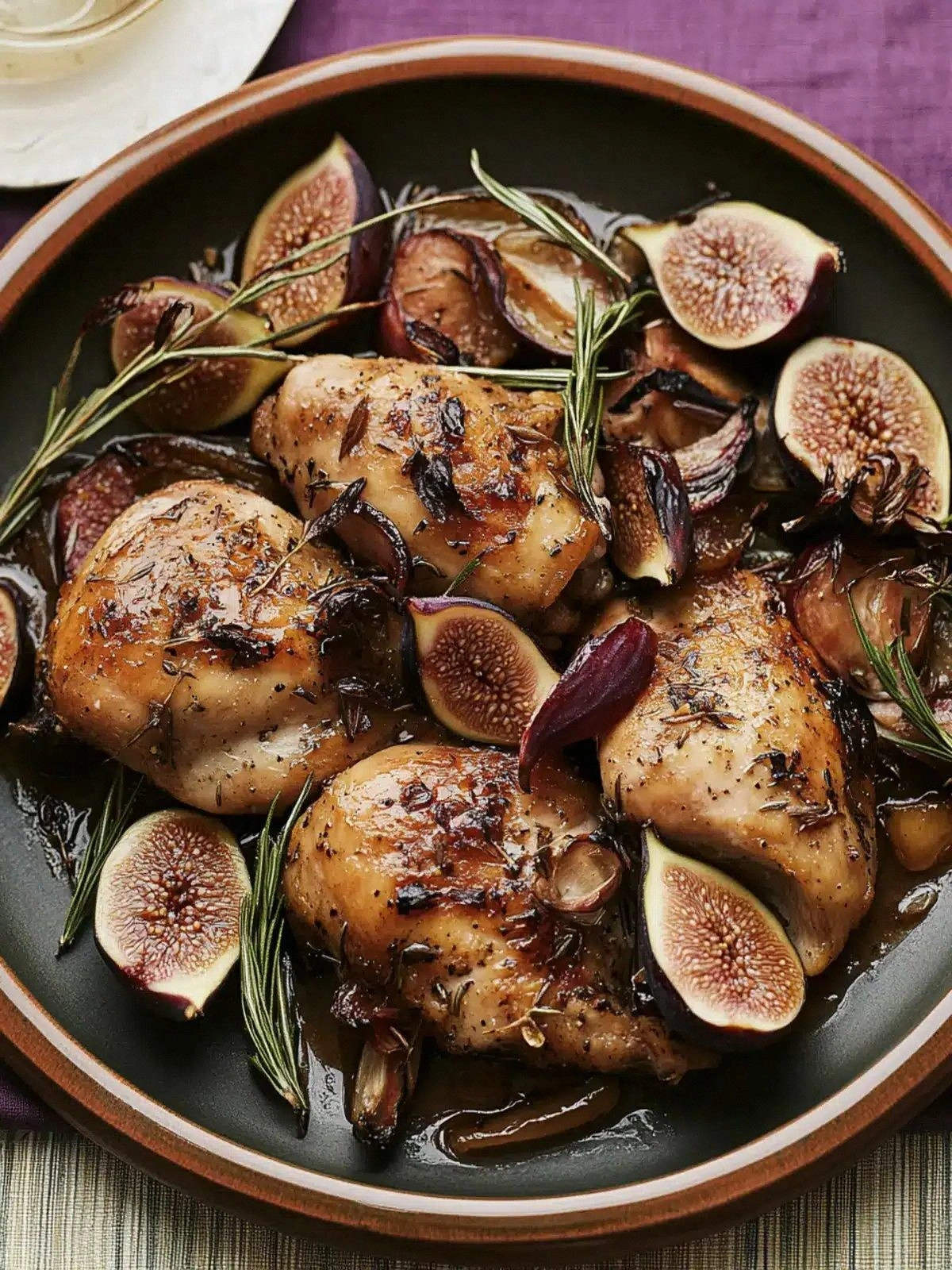
- Visual Appeal: The glossy sauce, the glossy figs, and the golden crusty bread make the plate a feast for the eyes. It’s a dish that looks as good as it tastes.
- Crowd‑Pleaser: Whether it’s a weekday dinner or a special occasion, guests will rave about the unique flavor profile and the comforting, yet elegant, presentation.
- Make‑Ahead Friendly: The sauce can be prepared ahead of time, and the chicken can be marinated overnight, allowing you to focus on other parts of your meal.
Inside the Ingredient List
The Flavor Base
The balsamic vinegar is the heart of this dish. It brings a natural sweetness and a rich, complex acidity that balances the figs and the savory chicken. Skipping it would strip the sauce of its depth, leaving the dish flat and uninspired. If you’re looking for a different twist, try a splash of red wine vinegar for a sharper bite.
The Texture Crew
The bone‑in chicken thighs add a juicy, meaty core and a natural bone‑broth flavor that infuses the sauce. The olive oil not only helps the chicken brown but also carries the flavors of garlic, rosemary, and parsley into the sauce. If you prefer a leaner option, you can swap the thighs for skinless breasts, but the texture will change dramatically.
The Unexpected Star
Fresh figs are the star that brings a burst of sweetness and a slight chew. They’re packed with natural sugars that caramelize beautifully when cooked with vinegar. If fresh figs are out of season, dried figs work, but you’ll need to rehydrate them first to avoid a chewy texture.
The Final Flourish
Fresh rosemary and parsley add aromatic brightness and a touch of herbaceous freshness that lifts the dish. The rosemary’s piney notes counterbalance the sweetness of the figs, while the parsley provides a clean, grassy finish. If you’re a fan of thyme, you can swap rosemary for a similar amount of thyme for a slightly different herb profile.
Everything’s prepped? Good. Let’s get into the real action.
The Method — Step by Step
Now that we’ve got everything prepped, it’s time to let the flavors mingle and the chicken do its thing. The method is straightforward, but each step is a chance to elevate the dish. Follow along closely, and you’ll end up with a show‑stopping dinner.
- Heat a large cast‑iron skillet over medium‑high heat. Add the olive oil, letting it swirl until shimmering. The pan should feel hot enough that a pinch of water sizzles immediately. This creates a perfect sear on the chicken.
- Pat the chicken thighs dry with paper towels; this ensures a crisp skin. Season both sides generously with salt and black pepper. The seasoning should coat each thigh evenly, like a fine dusting of flour on a cake.
- Place the thighs skin‑side down in the skillet. Let them cook without moving for 5–6 minutes until the skin turns a deep golden brown. The sizzle is a cue that the Maillard reaction is happening, turning the surface into a caramelized crust.
- Flip the thighs over. Add the minced garlic, rosemary, and balsamic vinegar to the pan. The garlic should release a fragrant aroma within 30 seconds, and the vinegar should bubble, creating a glossy glaze.
- Add the figs, cut side down, to the pan. The figs should start to soften and release their juices. Cover the skillet with a lid and reduce the heat to low. Let the mixture simmer for 12–15 minutes until the chicken reaches an internal temperature of 165°F (74°C).
- Once the chicken is cooked, remove it from the skillet and let it rest on a cutting board for 5 minutes. This allows the juices to redistribute, ensuring every bite is moist.
- Return the chicken to the pan, spooning the sauce over the thighs. Sprinkle chopped parsley on top for a burst of color and freshness. The parsley’s bright green hue contrasts beautifully with the deep brown sauce.
- Serve immediately with slices of crusty bread on the side to mop up the sauce. The bread should be toasted to a golden crisp, providing a satisfying crunch that balances the tender chicken.
That’s it—you did it. But hold on, I’ve got a few more tricks that will take this to another level.
Insider Tricks for Flawless Results
The Temperature Rule Nobody Follows
Many chefs think that high heat is always better, but for chicken thighs, a medium‑high sear followed by a low simmer is key. The high heat creates a caramelized crust, while the low simmer ensures the meat stays juicy. I once tried cooking the thighs at a single high temperature, and the result was dry and over‑browned. Stick to the two‑stage heat approach for perfect texture.
Why Your Nose Knows Best
The aroma of the figs caramelizing is a sign that they’re ready. When the figs release their juices and the sauce begins to thicken, you’ll notice a sweet, slightly smoky scent. Trust your nose; it’s the quickest way to know when the dish is done.
The 5‑Minute Rest That Changes Everything
Letting the chicken rest after cooking is not just a formality—it’s essential for moisture retention. During the rest period, the juices redistribute throughout the meat, preventing them from spilling out when you cut into it. I’ve seen people skip this step and end up with a dry, disappointing bite.
Balancing Sweet and Tang
If you find the sauce too sweet, add a splash of red wine vinegar or a pinch of salt to cut through the sweetness. Conversely, if the vinegar is too sharp, a small drizzle of honey can mellow it. The key is to taste as you go and adjust accordingly.
The Final Touch of Freshness
Just before serving, squeeze a little lemon juice over the chicken. The citrus brightness lifts the dish and adds a bright, clean finish that balances the richness of the sauce. It’s a simple step that makes the dish feel fresh and lively.
Creative Twists and Variations
This recipe is a playground. Here are some of my favorite ways to switch things up:
Maple‑Glazed Version
Swap the balsamic vinegar for a 1:1 ratio of maple syrup and apple cider vinegar. The maple adds a deeper sweetness, while the apple cider vinegar maintains the acidity. This version is perfect for a fall gathering.
Spicy Fig Fusion
Add a pinch of crushed red pepper flakes when you sauté the garlic. The heat pairs beautifully with the figs, creating a dish that’s both sweet and fiery. Great for guests who love a little kick.
Herb‑Infused Bread
Stir chopped rosemary and parsley into your crusty bread dough before baking. The bread will carry the same herbaceous notes as the chicken, tying the dish together even further.
Mediterranean Twist
Incorporate a handful of Kalamata olives into the sauce. The briny olives contrast with the figs and add a Mediterranean flair. Serve with a side of tzatziki for a complete experience.
Crispy Parmesan Crust
After searing the chicken, sprinkle grated Parmesan over the skin before adding the figs. The cheese melts into a golden crust that adds a nutty depth to the dish.
Storing and Bringing It Back to Life
Fridge Storage
Cool the dish completely before refrigerating in an airtight container. Store for up to 3 days. When reheating, add a splash of water or broth to keep the sauce moist.
Freezer Friendly
Freeze the cooked chicken and sauce separately in freezer‑safe bags. Reheat in the oven at 350°F (175°C) for 20 minutes, or microwave until warmed through. The figs may soften, but the flavor remains intact.
Best Reheating Method
The best way to reheat is on the stovetop. Place the chicken and sauce in a skillet over low heat, stirring occasionally. Add a tiny splash of water before reheating — it steams back to perfection and prevents the sauce from drying out.
Now that you’ve mastered the basics, you can experiment and make this dish truly yours. Whether you keep it classic or add your own twist, this vinegar chicken with figs is destined to become a staple on your dinner menu. Enjoy the process, savor the flavors, and share the joy with friends and family.