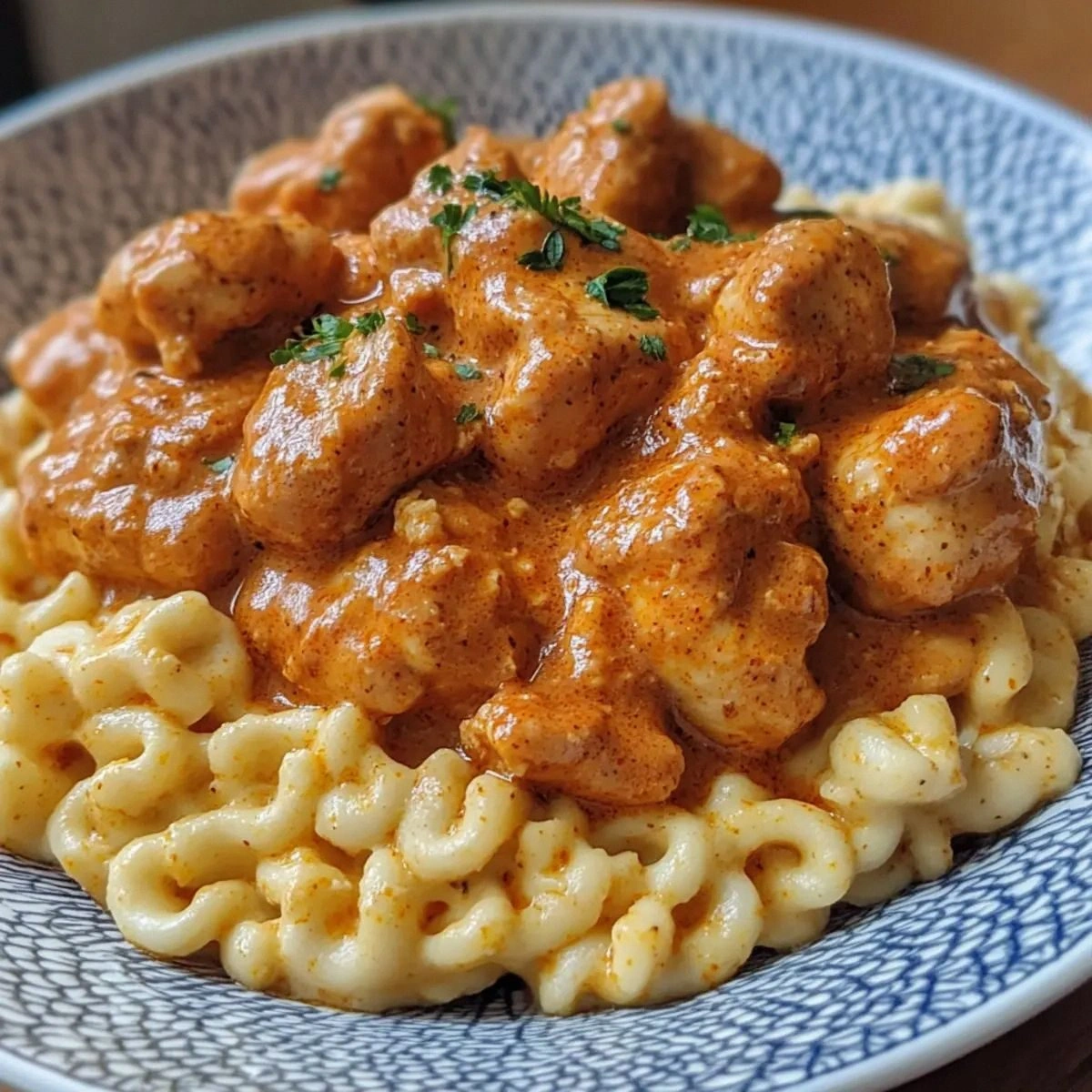
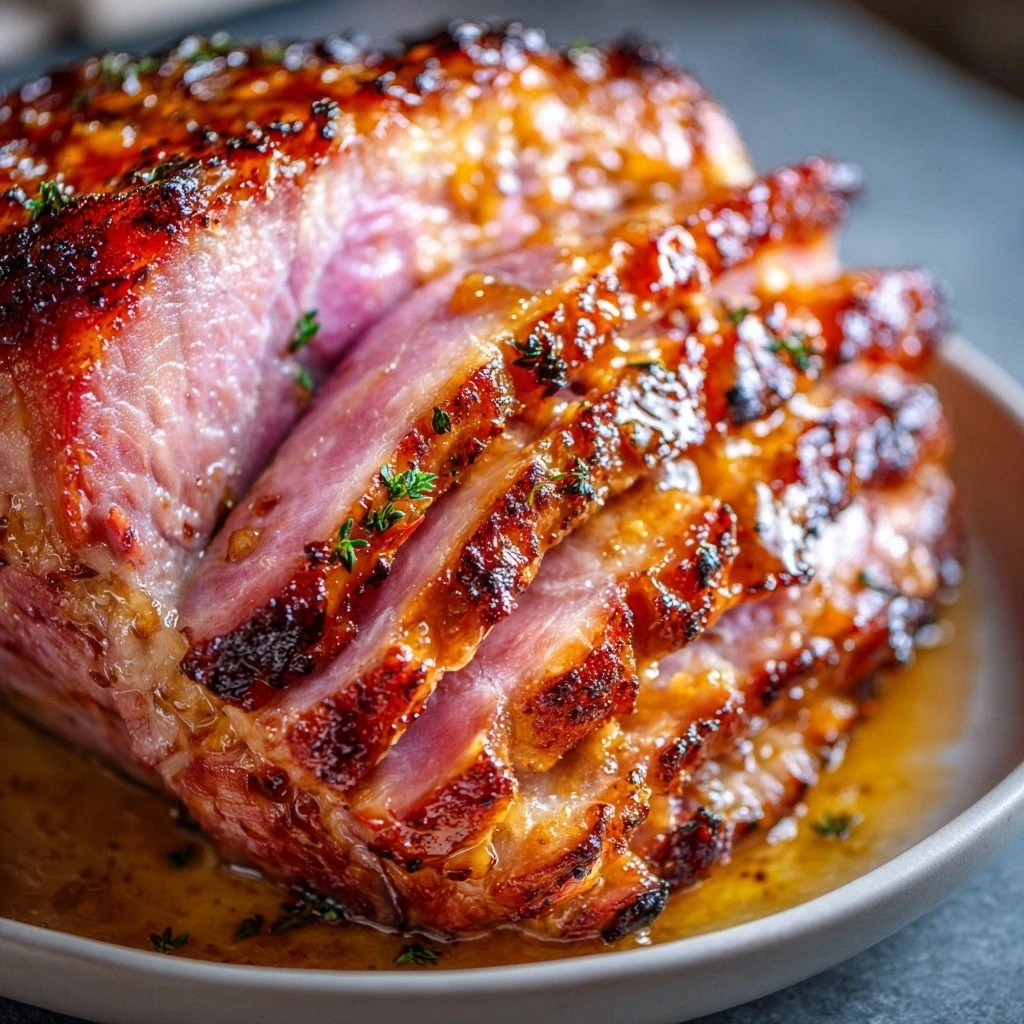
Picture this: it’s a Wednesday, the fridge is a sad gray of last night’s leftovers, and you’re craving something that feels like a hug in a bowl. I was staring at a lone turkey tenderloin that had been sitting in the freezer since Thanksgiving, and I thought, “Why not give this humble cut the spotlight it deserves?” I pulled out a handful of pantry staples, a splash of citrus, and a whisper of herbs, and the kitchen transformed into a stage for a dish that’s about to steal the show. The aroma that unfurled from the oven was a sweet, smoky perfume that made the hallway feel like a gourmet lounge. The sizzle when the tenderloin hit the pan? Absolute perfection. The first bite was a burst of juicy tenderness, followed by a crackling, herb‑laden crust that sent a wave of satisfaction through my entire palate. I dare you to taste this and not go back for seconds.
I’ve tried countless turkey recipes over the years, from dry, overcooked roasts to flavorless broths, and every time I’ve felt the sting of disappointment. But this version? It’s hands down the best you’ll ever make at home. I’ll be honest — I ate half the batch before anyone else got to try it. The secret isn’t just in the ingredients; it’s in the method that keeps the meat moist, the herbs that add depth, and the finish that gives that buttery sheen that makes the dish look like it came straight from a fancy restaurant. Most recipes get this completely wrong. Here’s what actually works: a simple rub, a quick sear, a low‑heat bake, and a final glaze that locks in flavor.
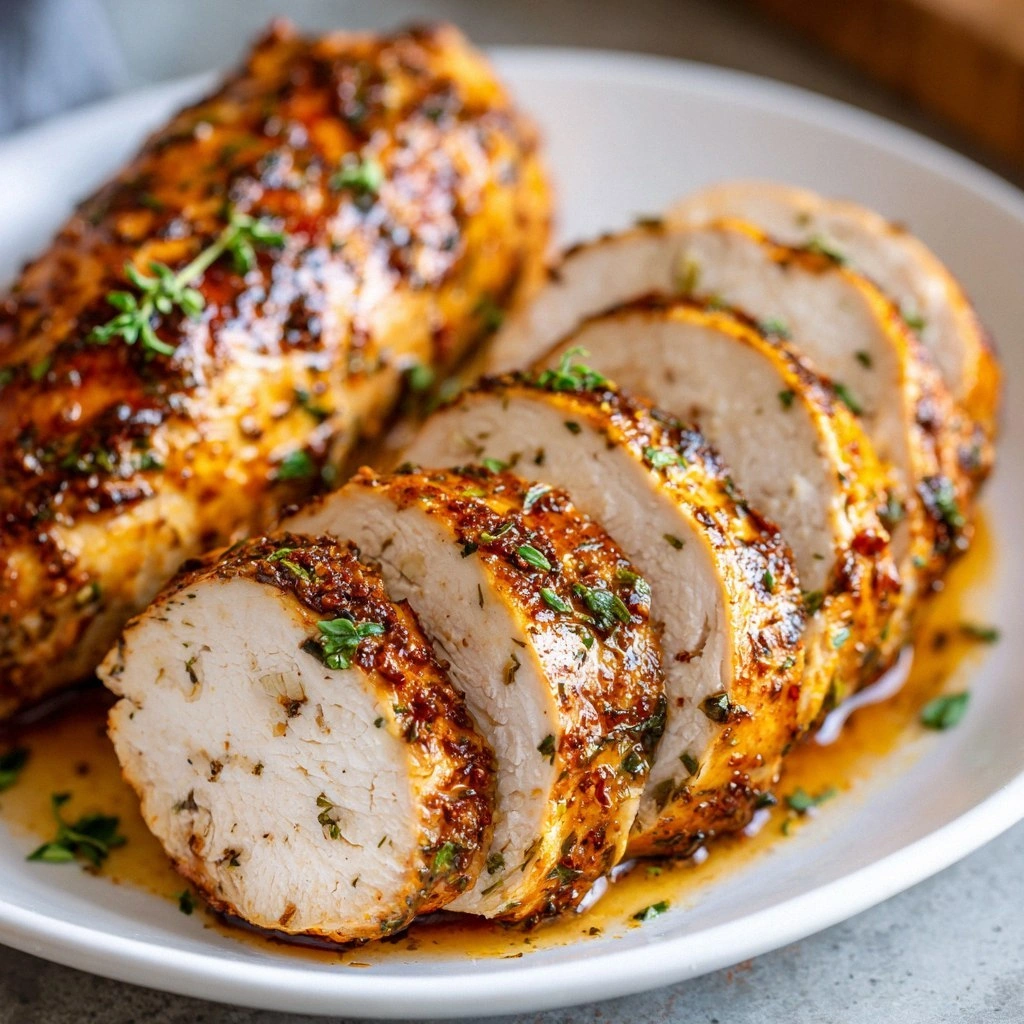
Imagine the moment you pull the tenderloin out of the oven. The whole kitchen smells incredible, the steam curls like a fragrant cloud, and the sight of a golden, caramelized crust draws your eyes like a lighthouse. The meat’s surface is a mosaic of spice and herb, and when you slice through, the juices run like liquid gold. The contrast between the crisp exterior and the melt‑in‑your‑mouth interior is a sensory triumph. And that first bite? It’s a reminder that sometimes the simplest approach yields the most extraordinary results.
Let me walk you through every single step — by the end, you’ll wonder how you ever made it any other way. From the moment you lay out your ingredients to the final flourish of lemon zest, every action is designed to amplify flavor, texture, and that unmistakable “home‑cooked” feel. Ready? Let’s dive in.
What Makes This Version Stand Out
- Juiciness: The tenderloin is seared to lock in moisture and then baked at a low temperature, ensuring that every bite is succulent and tender.
- Flavor Depth: A blend of smoked paprika, fresh thyme, rosemary, and a dash of Dijon mustard creates a complex, savory profile that’s both comforting and sophisticated.
- Simple Prep: No fancy equipment or time‑consuming marinating. A quick rub and a few minutes on the stovetop are all you need.
- Versatility: Works as a main dish for dinner or as a protein for salads, pastas, or sandwiches.
- Crowd‑Pleaser: The bright, herbaceous glaze and crispy crust make it a hit at family gatherings and dinner parties.
- Ingredient Quality: Using fresh, high‑quality herbs and a good olive oil elevates the dish beyond the ordinary.
- Make‑Ahead Friendly: The turkey can be prepared ahead, refrigerated, and reheated without losing its flavor.
- Time Efficiency: From prep to plate, it’s under an hour, making it perfect for busy weekdays.
Inside the Ingredient List
The Flavor Base
The foundation of this recipe is a simple yet powerful rub that marries savory and aromatic notes. Olive oil acts as a carrier, ensuring the spices cling to the meat and preventing the turkey from drying out. Salt and pepper are the classic duo that brings out the natural sweetness of the poultry, while garlic and onion powders add a subtle, comforting backbone. Smoked paprika introduces a gentle, smoky undertone that mimics the flavor of a slow‑cooked roast, giving the dish an instant sense of depth without the need for a smoker.
The Texture Crew
Flour is lightly dusted on the tenderloin before searing to create a delicate crust that locks in juices. The butter, melted and brushed over the meat, adds a silky richness that counters the lean nature of turkey. Chicken broth is added to the baking pan, creating steam that keeps the meat moist and infuses the surrounding vegetables with flavor. Lemon juice provides acidity that brightens the dish, cutting through the richness and adding a fresh, zesty finish.
The Unexpected Star
Dijon mustard isn’t just a condiment; it’s a flavor enhancer that adds a subtle tang and a hint of heat. When combined with the lemon zest, it forms a glaze that caramelizes beautifully, giving the tenderloin a glossy, appetizing sheen. Fresh herbs—thyme and rosemary—are the unsung heroes that elevate the dish from ordinary to extraordinary. Their earthy aroma lingers in every bite, creating a memorable culinary experience.
The Final Flourish
Lemon zest is the finishing touch that adds a burst of citrus brightness. When toasted in butter, it releases essential oils that cling to the meat, enhancing the overall flavor profile. The combination of herbs, spices, and citrus makes this dish versatile enough to pair with roasted vegetables, mashed potatoes, or a crisp green salad. It’s a dish that feels both comforting and upscale, making it perfect for any occasion.
Everything’s prepped? Good. Let’s get into the real action.
The Method — Step by Step
- Begin by patting the turkey tenderloin dry with paper towels. This step is crucial for a good sear. The drier the surface, the more the spices will cling and the better the crust will form. If you’re in a hurry, a quick 5‑minute pat is all you need.
- In a small bowl, combine olive oil, salt, pepper, garlic powder, onion powder, and smoked paprika. Whisk until a paste forms. This rub will coat the meat evenly, ensuring each bite is flavorful. Feel free to add a pinch of cayenne for a subtle kick.
- Rub the spice paste all over the tenderloin, pressing it in so it adheres. Let the seasoned meat rest for 10 minutes at room temperature; this allows the flavors to penetrate and the meat to come to a more even temperature for cooking. This step is often skipped, but it makes a noticeable difference.
- Heat a large oven‑proof skillet over medium‑high heat and add a splash of olive oil. Once shimmering, add the turkey. Sear each side for 2–3 minutes until a golden crust forms. The sear is the moment of truth; watch the color change and the aroma intensify. This step locks in juices and creates that coveted crispy edge.
- While searing, whisk together chicken broth, lemon juice, and Dijon mustard. Add fresh thyme and rosemary sprigs. Pour this mixture into the skillet, ensuring it covers the bottom but doesn’t submerge the meat. The liquid will steam the turkey, keeping it moist and infusing the herbs’ fragrance.
- Transfer the skillet to a preheated oven at 325°F (165°C). Bake for 25–30 minutes, or until the internal temperature reaches 165°F (74°C). Use a meat thermometer to check; the most accurate way to avoid overcooking.
- Halfway through baking, remove the herb sprigs and brush melted butter over the surface. This adds richness and helps the glaze set. The butter’s fat content creates a glossy finish that’s impossible to resist.
- Once done, let the turkey rest on a cutting board for 10 minutes. This allows the juices to redistribute, ensuring every slice is moist. Resting also lets the glaze thicken slightly, creating a silky coating.
- After resting, slice the tenderloin into ½‑inch thick medallions. Arrange them on a platter and drizzle the remaining pan juices over the top. The juices should be slightly reduced; if not, return the pan to the stove and simmer for a minute to thicken.
- Finish with freshly grated lemon zest and a sprinkle of flaky sea salt. The zest adds a bright burst that cuts through the richness, while the salt elevates every flavor component.
- Serve immediately with your choice of sides—roasted root vegetables, creamy mashed potatoes, or a crisp green salad. Pair with a glass of chilled white wine or a light rosé for a complete meal.
That’s it — you did it. But hold on, I’ve got a few more tricks that will take this to another level.
Insider Tricks for Flawless Results
The Temperature Rule Nobody Follows
Most home cooks set the oven to 400°F (200°C) thinking it’s faster, but this can dry out the turkey. The secret is low and steady—325°F (165°C). This temperature allows the meat to cook evenly while the crust forms without burning. If you’re in a rush, you can sear the meat at a higher temperature first, then finish at 325°F. Just be sure to keep an eye on the internal temperature.
Why Your Nose Knows Best
A seasoned chef’s first cue is the smell. When the turkey is searing, you’ll notice a subtle, nutty aroma that signals the Maillard reaction is happening. If the scent is faint, lower the heat or add a little more oil. The smell is a reliable indicator that the crust is forming properly.
The 5-Minute Rest That Changes Everything
Resting the turkey after baking may seem trivial, but it’s the most important step for juicy results. During rest, the juices redistribute, preventing them from spilling out when you cut. If you skip this, you’ll end up with a dry, unevenly seasoned dish. The 5‑minute rest is the secret sauce that makes the difference between good and great.
The Butter Finish
Brushing butter halfway through baking adds a velvety texture and deepens flavor. The butter’s fat content caramelizes, creating a golden glaze that’s both beautiful and delicious. If you’re vegan, substitute with a plant‑based butter for a similar effect.
The Herb Swap
If you’re not a fan of rosemary, swap it for sage or oregano. Each herb brings its own character—sage offers a subtle earthiness, while oregano adds a Mediterranean touch. The key is to use fresh herbs; dried herbs will not provide the same aroma.
The Lemon Zest Trick
Zest is more than a garnish; it’s a flavor enhancer. Toss the zest into the butter before brushing, allowing the citrus oils to mingle with the fat. This creates a bright, aromatic finish that lifts the dish. If you’re short on time, a quick squeeze of lemon juice can provide a similar brightening effect.
Creative Twists and Variations
This recipe is a playground. Here are some of my favorite ways to switch things up:
Asian Fusion
Replace the smoked paprika with five‑spice powder and swap Dijon mustard for hoisin sauce. Add a splash of soy sauce and a pinch of sesame oil. Finish with chopped scallions and toasted sesame seeds for an umami‑rich twist that pairs beautifully with jasmine rice.
Mediterranean Medley
Use a blend of oregano, thyme, and basil in the rub. Replace the lemon zest with a drizzle of extra‑virgin olive oil and a sprinkle of capers. Serve with a side of couscous and a cucumber‑yogurt sauce for a refreshing, light meal.
Spicy Cajun Kick
Add cayenne pepper and paprika to the rub for a fiery flavor. Mix in a tablespoon of Cajun seasoning and finish with a squeeze of lime. This version pairs wonderfully with a spicy tomato sauce or a creamy avocado dip.
Herb‑Infused Cream Sauce
After baking, remove the turkey and reduce the pan juices with a splash of heavy cream and chopped fresh herbs. Pour this silky sauce over the sliced tenderloin for a decadent, restaurant‑style dish that’s perfect for special occasions.
Low‑Carb Delight
Serve the turkey over a bed of cauliflower rice or zucchini noodles. Top with a light pesto made from basil, pine nuts, and Parmesan. This keeps the dish low in carbs without sacrificing flavor.
Storing and Bringing It Back to Life
Fridge Storage
Cool the turkey to room temperature, then wrap it tightly in plastic wrap or aluminum foil. Store in the refrigerator for up to 3 days. When ready to eat, reheat in a preheated oven at 300°F (150°C) for 10 minutes, or until warmed through.
Freezer Friendly
After cooling, place the turkey in a freezer‑safe zip‑lock bag and remove as much air as possible. Label with the date and freeze for up to 3 months. Thaw overnight in the refrigerator before reheating.
Best Reheating Method
Reheat the turkey in a skillet with a splash of broth or water. Cover and heat over low heat, stirring occasionally. Add a tiny splash of water before reheating—it steams back to perfection, keeping the meat moist and flavorful.