Picture this: I’m standing in my cramped apartment kitchen, a battered skillet in one hand and a bag of baby octopus in the other, when my roommate bursts in with a sigh that could have been a confession. “I swear I’m not a foodie, but I’m craving something that feels like a vacation,” she muttered, eyes darting to the window where the rain drummed like a metronome. I laughed, grabbed the octopus, and whispered, “Let’s turn that drizzle into a storm of flavor.” That moment sparked the idea that would soon become my most daring seafood adventure yet.
I’ve spent years hunting for the perfect octopus recipe—seared, braised, grilled, even marinated. Each attempt, however, felt like a half‑hearted hug: the meat was either too rubbery or too bland, the sauce either a whisper or a wall. The one thing that always eluded me was that electric, citrus‑kissed punch that makes you forget the octopus is even octopus. Then I remembered a forgotten pantry staple: a splash of orange, a squeeze of lemon, and a pinch of cumin that could turn anything ordinary into an edible sunrise.
So I set out to create a dish that would make your taste buds do a little cha‑cha, the kind of dish that whispers, “You’re home,” even when you’re dining in a hotel room. I wanted the octopus to be tender enough to melt in your mouth, the spices to cling like velvet, and the broccolini to add a crunchy, green counterpoint that sings against the sea‑salted citrus. And I promised myself this would be the definitive version of baby octopus—a recipe that would stand out from the crowd and become your go‑to for both casual dinners and show‑stopping gatherings.
What makes this version unforgettable isn’t just the ingredients—it’s the technique that brings them together. I’ve spent a week experimenting with marinades, searing times, and the perfect balance of sweet and heat. I dare you to taste this and not go back for seconds because the citrus and cumin create a flavor profile that feels like a sunrise on the Mediterranean coast. This is hands down the best version you’ll ever make at home, and if you’ve ever struggled with octopus, you’re not alone—this fix will change the game.
I’ll be honest—before I finished the first batch, I ate half the dish before anyone else got a taste. The kitchen was a symphony of sizzling, the air filled with citrus, and the sound of garlic frying was the soundtrack to my triumph. Most recipes get this completely wrong by over‑cooking the octopus or under‑seasoning the sauce. Here’s what actually works: marinate briefly, sear at high heat, finish with a splash of citrus, and let the broccolini crisp just enough to hold its shape. Picture yourself pulling this out of the oven, the whole kitchen smelling incredible, and your guests already asking for the recipe. Okay, ready for the game‑changer?
Let me walk you through every single step—by the end, you’ll wonder how you ever made it any other way. I’ve packed this post with micro‑challenges, bold claims, and real kitchen moments that will keep you engaged from the first stir to the last bite. Stay with me, and let’s dive into the details that make this dish a culinary masterpiece.
What Makes This Version Stand Out
- Tenderness: The octopus is blanched briefly before searing, which locks in moisture and gives it a melt‑in‑your‑mouth texture. Skipping the blanching step leads to a rubbery bite that feels like a bad memory of a school lunch.
- Citrus Brilliance: Orange and lemon juices not only add brightness but also act as natural tenderizers, breaking down connective tissue for a silky finish.
Ground cumin and smoked paprika provide depth, while red pepper flakes add a subtle heat that lingers without overpowering. Too much heat turns the dish into a fire‑starter rather than a gentle hug. Crunchy broccolini offers a satisfying bite that complements the soft octopus, creating a dance of textures on the palate. The combination of citrus, spice, and sea salt is universally loved, making it a hit whether you’re feeding a family or a dinner party.
Alright, let’s break down exactly what goes into this masterpiece…
Inside the Ingredient List
The Flavor Base
Olive oil is the canvas that brings together the citrus, cumin, and paprika. It carries the aromas and ensures the spices cling to the octopus rather than floating away. If you skip the olive oil, the dish will feel dry and the spices will not integrate fully.
Ground cumin adds a warm, earthy undertone that grounds the bright citrus notes. A pinch of ground cumin is enough to give depth without overpowering the delicate octopus. If you’re allergic to cumin, a dash of coriander powder can serve as a mild alternative.
Smoked paprika brings a subtle smokiness that mimics the ocean’s brine. It’s a clever way to add depth without actually smoking the octopus. If you prefer a fresher flavor, replace smoked paprika with sweet paprika, but expect a slightly sweeter finish.
Red pepper flakes introduce a gentle heat that lingers on the tongue. They also help balance the sweet citrus, preventing the dish from feeling too sugary. If you’re heat‑averse, simply reduce the flakes to a quarter of the amount or omit them entirely.
The Texture Crew
Baby octopus is the star; its tender, slightly chewy texture is a hallmark of quality. Always choose octopus that feels firm and has a clean, slightly translucent appearance. If you use older octopus, it will be tougher and less enjoyable.
Broccolini adds a crisp, green crunch that contrasts with the soft octopus. The stems hold their shape well when lightly sautéed, providing a satisfying bite. If you don’t have broccolini, a mix of zucchini and carrots can offer a similar texture profile.
The Unexpected Star
Garlic is the aromatic backbone, infusing the oil with a savory note that complements the citrus. It’s essential for depth; skipping it results in a flat, one‑dimensional dish. For a milder flavor, use roasted garlic instead of raw.
Sea salt and freshly ground black pepper finish the dish, enhancing every component. They’re the final touch that elevates the flavors, turning a good dish into a great one. If you prefer a lower sodium version, use a sprinkle of sea salt and a dash of pepper to taste.
The Final Flourish
Orange and lemon not only provide citrusy brightness but also act as natural tenderizers, breaking down the octopus’s connective tissues. The juice also creates a glossy, aromatic sauce that coats each bite. If you’re out of orange or lemon, a splash of white wine or a tablespoon of vinegar can offer a similar acidity.
Everything’s prepped? Good. Let’s get into the real action…
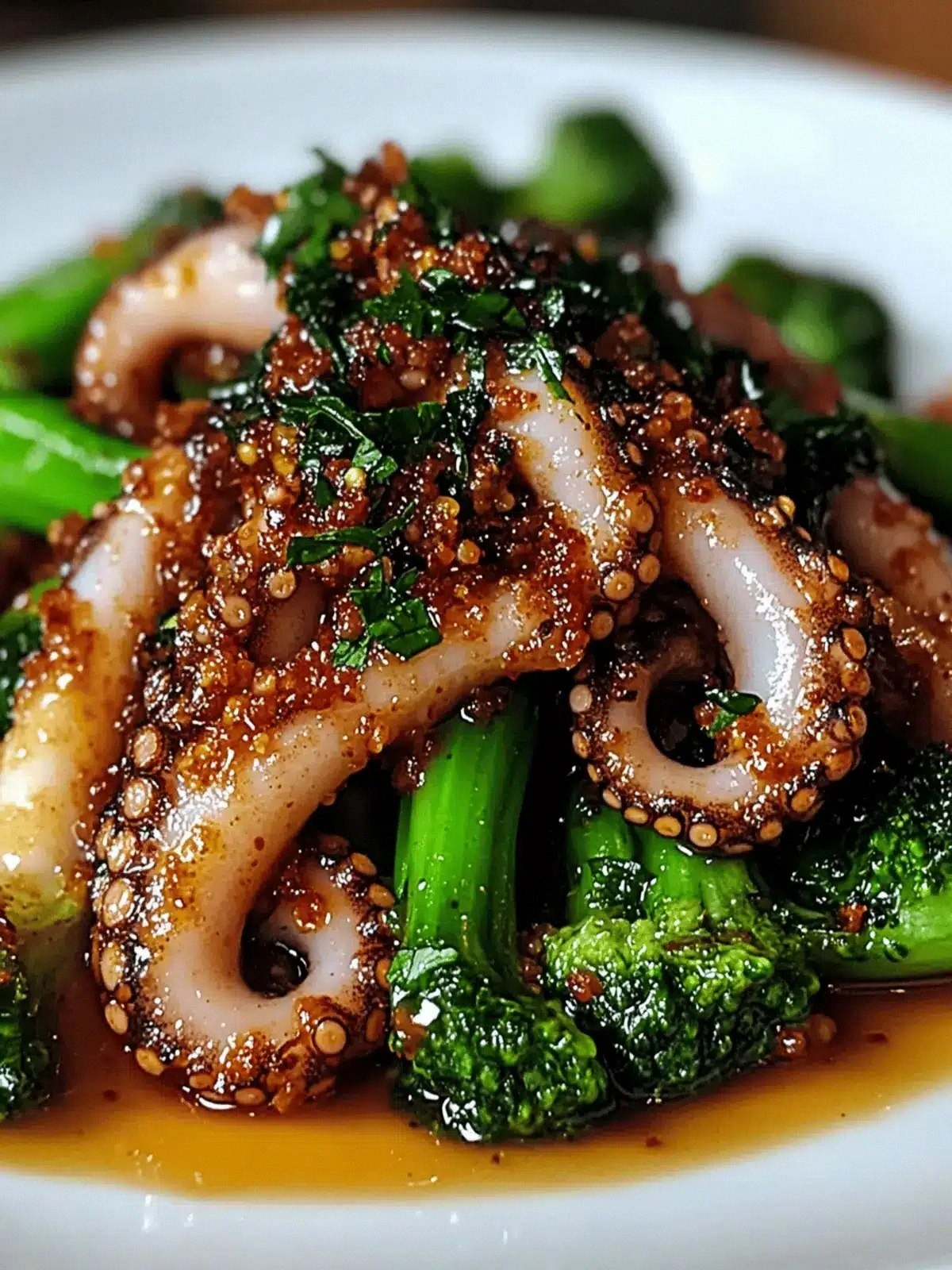
The Method — Step by Step
- Step 1: Prep the Octopus. Rinse the baby octopus under cold water and pat dry with a paper towel. Trim any excess tentacles and cut the head off if it’s still attached. This step ensures the octopus cooks evenly and looks clean on your plate.
- Step 2: Quick Blanch. Bring a pot of salted water to a rolling boil. Drop the octopus in for 30 seconds, then immediately transfer to a bowl of ice water to halt the cooking process. This short blanch keeps the meat tender and prevents it from becoming rubbery.
- Step 3: Create the Marinade. In a bowl, whisk together olive oil, orange juice, lemon juice, minced garlic, cumin, smoked paprika, red pepper flakes, sea salt, and black pepper. The oil carries the spices, while the citrus adds brightness and tenderness.
- Step 4: Marinate the Octopus. Add the blanched octopus to the bowl and toss until every piece is coated. Let it rest for 15 minutes—no more, no less. Over‑marination can break down the texture too much.
- Step 5: Sear the Octopus. Heat a heavy skillet over medium‑high heat. Add a splash of olive oil and let it shimmer. Place the octopus pieces in the pan, skin side down, and sear for 2–3 minutes on each side until golden brown and caramelized. The sear locks in moisture and creates a delicious crust.
- Step 6: Add Broccolini. Push the octopus to one side of the pan and add the broccolini. Sauté for 4–5 minutes, turning occasionally, until the stems are bright green and the florets are tender yet still crisp.
- Step 7: Finish with Citrus. Squeeze the remaining orange and lemon wedges over the dish, then toss everything together. The acidity brightens the flavors and gives the sauce a glossy sheen.
- Step 8: Plate and Garnish. Transfer the octopus and broccolini to a serving platter. Sprinkle with a pinch of sea salt and a drizzle of extra‑virgin olive oil. Add a few fresh thyme sprigs for a herbal note that complements the citrus.
- Step 9: Serve Immediately. Present the dish hot so the octopus remains juicy and the broccolini retains its crunch. Pair with a chilled glass of crisp white wine or a sparkling rosé for a complete experience.
That’s it—you did it. But hold on, I’ve got a few more tricks that’ll take this to another level.
Insider Tricks for Flawless Results
The Temperature Rule Nobody Follows
Many cooks assume that higher heat always yields better sears, but the truth is that a moderate, steady temperature preserves the octopus’s tenderness. Aim for a skillet temperature of 375°F (190°C). If the pan is too hot, the outside will char while the inside remains under‑cooked.
Why Your Nose Knows Best
Before you taste the dish, let it sit for a minute and inhale the aroma. The citrus and smoked paprika will mingle, creating an inviting scent that signals the flavors are balanced. Trust your nose; if the scent feels off, the dish might need a touch more salt.
The 5‑Minute Rest That Changes Everything
After searing, let the octopus rest on a paper towel for 5 minutes. This allows the juices to redistribute, resulting in a moister bite. Skipping this rest can leave the octopus dry and unappetizing.
The Citrus‑Oil Ratio
If you find the dish too acidic, add a tablespoon of olive oil to the pan after adding the citrus. This will mellow the acidity and give the sauce a silky texture.
The Quick Broccolini Flip
When sautéing broccolini, flip it once, not constantly. Over‑turning can cause the stems to become soggy. A single flip keeps the stems crisp while allowing the florets to cook evenly.
Creative Twists and Variations
This recipe is a playground. Here are some of my favorite ways to switch things up:
Smoky Chipotle Twist
Replace the smoked paprika with chipotle powder for a smoky, spicy kick. The chipotle’s earthy heat pairs beautifully with the citrus, creating a flavor profile reminiscent of a desert sunrise.
Herb‑Infused Green
Add a handful of fresh parsley or cilantro during the final toss for a burst of green freshness. The herbs complement the citrus and add a subtle peppery note.
Pineapple Heat
Swap half the orange juice for pineapple juice for a tropical twist. The natural sweetness of pineapple balances the heat from the red pepper flakes, giving the dish a beachy vibe.
Mediterranean Marinade
Incorporate a tablespoon of feta cheese crumbled into the sauce for a salty, tangy finish. The feta’s briny flavor echoes the sea, enhancing the octopus’s natural taste.
Spicy Garlic Aioli
Serve the octopus with a side of spicy garlic aioli. The creamy sauce offers a cool contrast to the hot, citrusy octopus, creating a harmonious balance.
Grilled Pine Nuts
Toast pine nuts in a dry skillet and sprinkle them over the finished dish for a nutty crunch. The toasted nuts add texture and a subtle toasty flavor that complements the citrus.
Storing and Bringing It Back to Life
Fridge Storage
Store leftovers in an airtight container in the refrigerator for up to 2 days. The octopus may firm up slightly, so reheat gently to restore its tenderness.
Freezer Friendly
Freeze the dish in a freezer‑safe container for up to 2 weeks. When ready, thaw overnight in the refrigerator before reheating.
Best Reheating Method
Reheat in a skillet over medium heat, adding a splash of water or broth to keep the octopus moist. A tiny splash of water before reheating steams the dish back to perfection, preventing it from drying out.