I was halfway through a midnight snack run—chicken thighs in my fridge, a jar of gochujang, and an empty pantry—when my roommate yelled, “We’re going to make the best Dak Bulgogi ever!” I laughed, then realized that my kitchen had never seen a dish that could turn a simple cut of meat into a fireworks display of flavor. The moment the sizzling pan hit the floor, a caramelized scent filled the room, and the sound of the sauce thickening was like a drumbeat announcing a feast. That night, I tasted the first bite and knew I had stumbled onto a culinary revelation. The chicken was tender, the sauce glossy, and the heat just enough to make you reach for a glass of water. The experience was so intense that I didn’t even notice the clock ticking past midnight. If you’ve ever tried a mediocre version of this dish and felt your taste buds yawning, you’re in for a revelation. The next few paragraphs will reveal the secret sauce, the perfect balance of sweet and heat, and the subtle textures that set this recipe apart from every other Dak Bulgogi you’ve seen. I promise, after reading this, you’ll wonder how you ever cooked it any other way.
What Makes This Version Stand Out
- Flavor Depth: The combination of gochujang, soy sauce, and a touch of honey creates a layered umami profile that lingers on the palate. The sauce doesn’t just coat the chicken; it envelops it, turning each bite into a savory, slightly sweet explosion.
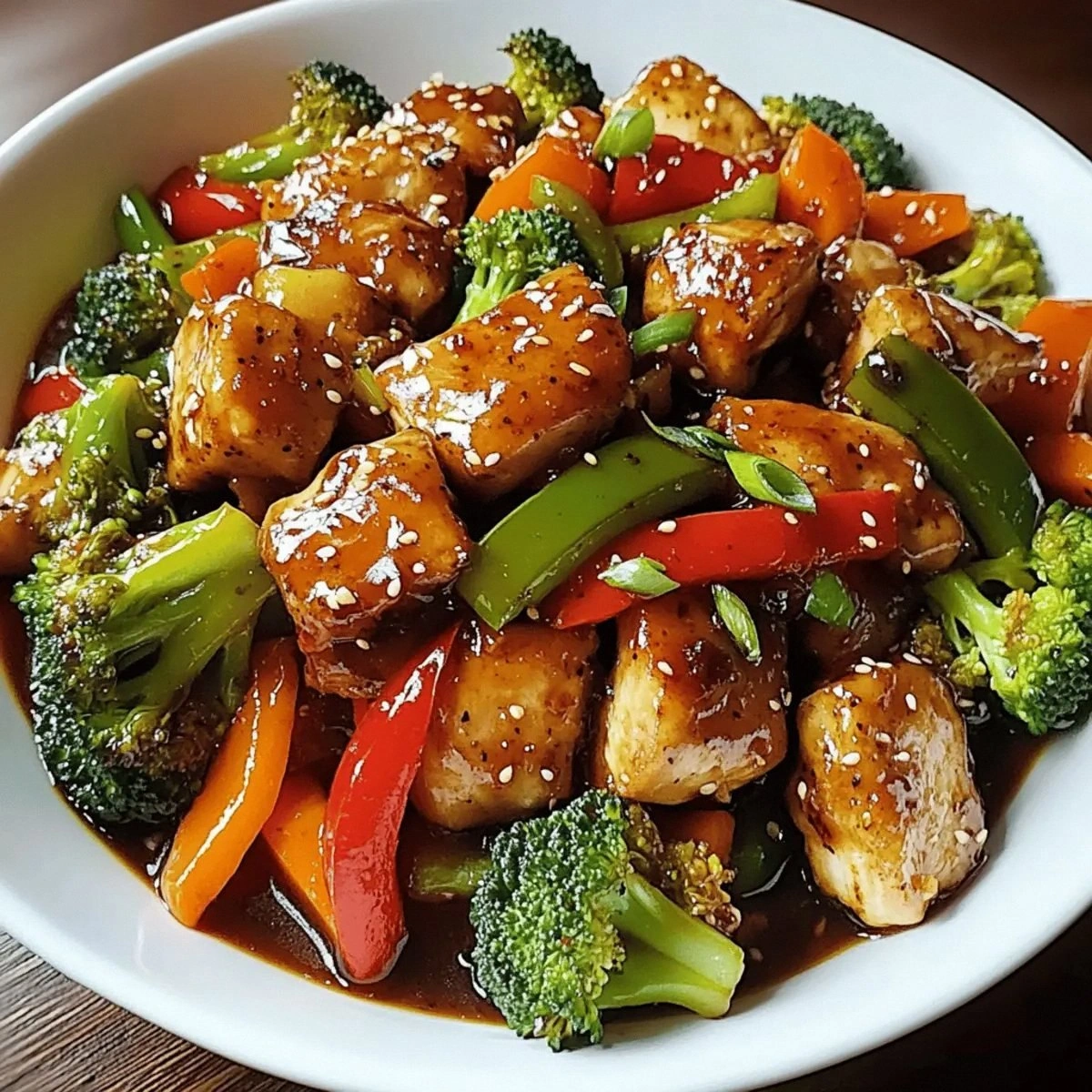
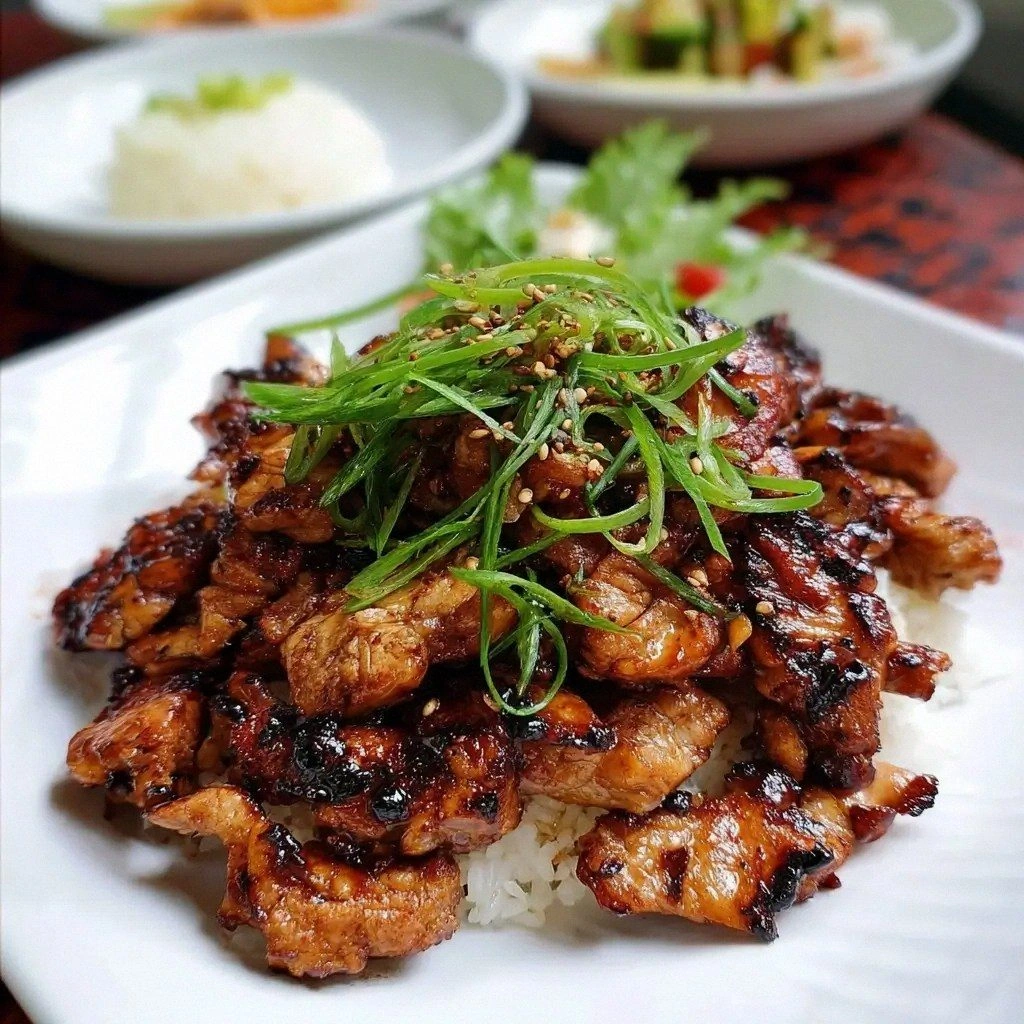
- Texture Contrast: The chicken remains juicy inside while the exterior caramelizes into a crisp, caramel‑brown crust that cracks with every bite. The toasted sesame seeds add a subtle crunch that breaks up the silky sauce.
- Ingredient Simplicity: Only a handful of pantry staples are required, yet the dish feels gourmet. This means you can whip it up in under an hour, even on a busy weeknight.
- Versatility: Serve it over steamed rice, toss it into a lettuce wrap, or pair it with sautéed bok choy. The sauce is adaptable, making the dish suitable for a variety of occasions.
- Crowd‑Pleaser: Friends who are skeptical of Korean cuisine will find the sweet‑spicy balance irresistible. The dish is a conversation starter and a guaranteed hit at dinner parties.
- Make‑Ahead Friendly: The sauce’s flavors actually deepen overnight, so you can prepare it the night before and reheat it quickly in the morning.
- Healthy Profile: With lean chicken, minimal oil, and a generous dose of veggies, this meal offers protein, fiber, and essential nutrients without compromising flavor.
- Authentic Touches: The use of sesame oil, toasted sesame seeds, and rice vinegar gives it a genuine Korean finish that feels both comforting and adventurous.
Alright, let’s break down exactly what goes into this masterpiece…
Inside the Ingredient List
The Flavor Base
The heart of Dak Bulgogi beats in the sauce. Soy sauce provides the salty backbone, while gochujang adds depth of umami and a subtle heat that isn’t overwhelming. Gochugaru gives that bright, peppery bite, and a splash of rice vinegar cuts through the richness, creating a balanced profile. If you’re missing any of these, swap soy sauce for tamari, gochujang for a mix of hoisin and chili paste, or rice vinegar for apple cider vinegar.
The Sweet Touch
Brown sugar is the sweet hero that caramelizes, giving the sauce a glossy sheen. A tablespoon of honey or a dash of maple syrup can replace brown sugar for a different nuance. This sweetness is what makes the dish feel indulgent without feeling heavy.
The Aromatic Trio
Garlic, ginger, and green onions are the aromatic foundation. Minced garlic releases a warm, comforting aroma; ginger brings a zesty kick that balances the sweetness; sliced green onions add freshness and a mild onion bite. Skipping any of these will dull the overall flavor profile.
The Texture Crew
Sesame oil and toasted sesame seeds provide a nutty aroma and a subtle crunch. The sesame oil’s low smoke point makes it ideal for quick searing, while the seeds add a satisfying texture that contrasts with the silky sauce. If you’re allergic to sesame, a sprinkle of poppy seeds or slivered almonds can work as a textural substitute.
The Unexpected Star
Oyster sauce, though optional, brings a savory depth that mimics the umami of shellfish. It’s a secret weapon that elevates the dish from good to unforgettable. If you’re vegan, a splash of mushroom soy sauce will provide a similar umami punch.
Everything’s prepped? Good. Let’s get into the real action…
The Method — Step by Step
- Prep the Chicken: Trim the chicken thighs of excess fat and cut them into bite‑sized pieces. Pat them dry with paper towels; this helps the surface sear properly. Season each piece lightly with salt and pepper, then set aside.
- Mix the Sauce: In a medium bowl, whisk together soy sauce, gochujang, gochugaru, brown sugar, honey, sesame oil, rice vinegar, and a splash of water. The consistency should be thick enough to coat the back of a spoon but still pourable. Taste and adjust: if you want more heat, add a pinch of red pepper flakes.
- Marinate: Toss the chicken pieces in half of the sauce, ensuring each piece is coated. Let it sit for at least 10 minutes; if you’re short on time, a quick 5‑minute marinate will still work, but the deeper flavor comes from a longer rest.
- Heat the Pan: Place a large skillet over medium‑high heat and add a splash of sesame oil. When the oil shimmers, add the marinated chicken in a single layer, leaving space between pieces. Don’t stir immediately; let the chicken sear for 2–3 minutes on one side until a golden crust forms.
- Flip and Cook: Turn the chicken pieces over and cook for another 2 minutes. Then add the remaining sauce, minced garlic, and ginger. The sauce should start to bubble and thicken. Use a spatula to coat each piece evenly.
- Simmer: Reduce the heat to medium and let the mixture simmer for 5–7 minutes, stirring occasionally. The sauce should reduce by about half, becoming glossy and slightly sticky. Watch for the edges pulling away from the pan—this indicates caramelization.
- Finish with Sesame and Greens: Stir in toasted sesame seeds and sliced green onions. The sesame seeds will toast slightly, releasing a nutty aroma, while the green onions add a fresh, crisp contrast. Let the mixture cook for an additional 2 minutes.
- Serve: Plate the Dak Bulgogi over steamed jasmine rice or cauliflower rice for a low‑carb option. Garnish with extra sesame seeds and green onions if desired. Serve immediately while the sauce is still glossy.
That’s it — you did it. But hold on, I’ve got a few more tricks that will take this to another level, ensuring every bite is as perfect as the first.
Insider Tricks for Flawless Results
The Temperature Rule Nobody Follows
Many cooks think the higher the heat, the better the sear. In reality, a moderate heat allows the chicken to cook through evenly while the sauce caramelizes without burning. Set the stove to medium‑high and use a skillet that retains heat well, such as cast iron. This prevents the sauce from sticking and ensures a glossy finish.
Why Your Nose Knows Best
Smell is the quickest indicator of doneness. When the sauce reduces and the chicken is cooked, the aroma will shift from sharp garlic to a warm, caramelized scent. Trust your nose—if it smells like toasted sesame and sweet‑spicy, the dish is ready.
The 5‑Minute Rest That Changes Everything
Letting the dish rest for 5 minutes after cooking allows the flavors to meld and the sauce to thicken slightly, making each bite more cohesive. During this time, the heat from the chicken continues to cook the remaining moisture, ensuring tenderness.
Use a Meat Thermometer
A quick dip of a digital thermometer into the thickest part of the chicken should read 165°F (74°C). This guarantees safety without overcooking, preserving the juicy interior.
Add a Splash of Water at the End
If the sauce thickens too much, a tablespoon of water or chicken broth can rehydrate it without diluting flavor. This trick is especially useful if you’re serving the dish with rice, as it helps the sauce coat the grains evenly.
Serve with a Crunchy Side
A quick sauté of kimchi or a side of cucumber salad adds a refreshing crunch that balances the rich sauce. The acidity from the kimchi also cuts through the sweetness, creating a harmonious bite.
Creative Twists and Variations
This recipe is a playground. Here are some of my favorite ways to switch things up:
Spicy Pineapple Explosion
Add diced pineapple to the sauce in the last 2 minutes of cooking. The fruit’s natural sugars caramelize, giving the dish a tropical twist that pairs beautifully with the heat.
Mushroom Umami Boost
Sauté sliced shiitake mushrooms with the garlic and ginger before adding the sauce. The mushrooms absorb the flavors and add an earthy depth that elevates the dish.
Vegetarian Version
Swap chicken for firm tofu or tempeh. Marinate the protein in the same sauce and cook until the tofu is lightly browned. The tofu will soak up the sauce, delivering a plant‑based alternative.
Low‑Carb Delight
Serve the Dak Bulgogi over cauliflower rice or spiralized zucchini noodles. This keeps the dish low in carbs while still providing that comforting, satisfying feel.
Breakfast Bites
Use the sauce to glaze grilled breakfast sausage or pan‑fried eggs. The sweet‑spicy flavor transforms a simple morning meal into a bold, flavor‑packed start.
Storing and Bringing It Back to Life
Fridge Storage
Cool the Dak Bulgogi to room temperature, then transfer it to an airtight container. Store in the refrigerator for up to 3 days. The sauce’s sugar content helps preserve the chicken, keeping it tender.
Freezer Friendly
For longer storage, freeze the dish in a freezer‑safe container for up to 2 months. Thaw overnight in the refrigerator before reheating. The sauce may thicken, so add a splash of water or broth when reheating.
Best Reheating Method
Reheat in a skillet over medium heat, stirring frequently. Add a tablespoon of water or broth to loosen the sauce and prevent drying. Heat until steaming hot, about 5 minutes. This restores the glossy finish and ensures the chicken stays juicy.