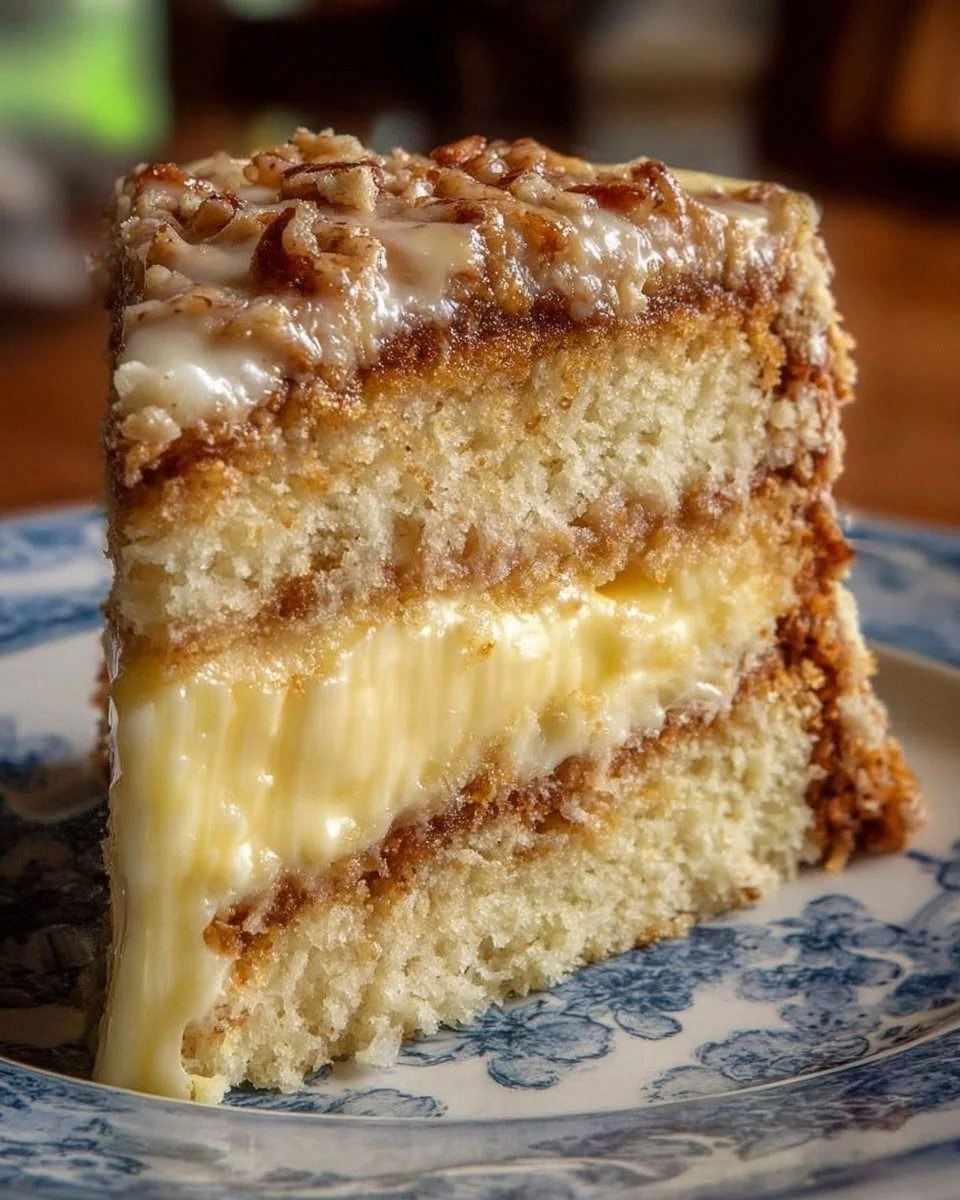
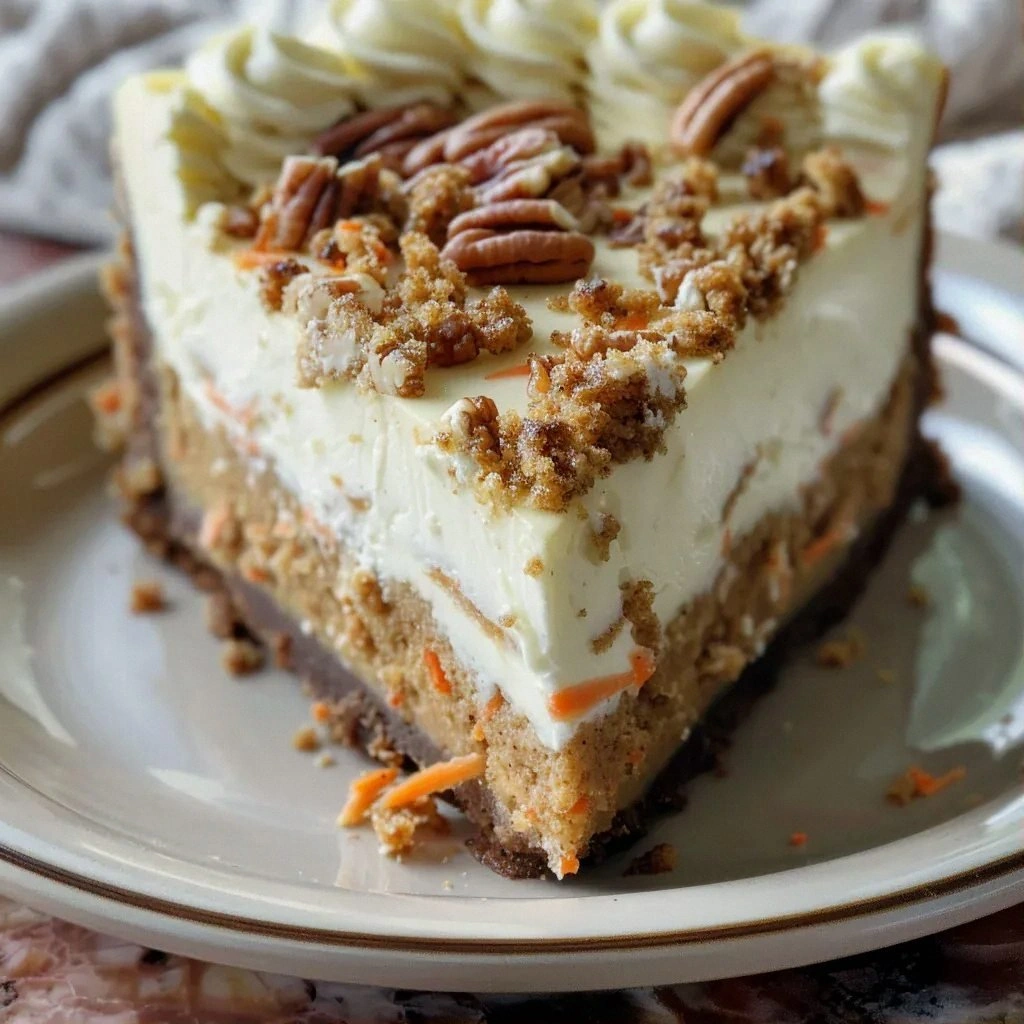
Picture this: a rainy Thursday evening, the kitchen lights flickering like a nervous star, and your pantry sounding like a broken record of forgotten ingredients. I was scrolling through a recipe blog, looking for something that could transform a dreary night into a culinary celebration. Then, like a flash of inspiration, a friend sent me a photo of a cheesecake that looked like it had been baked by angels. The image was a swirl of carrot cake batter, a glossy cream cheese layer, and a dusting of pecans that glimmered like tiny moons. I knew I had to recreate it, but with my own twist—because why settle for ordinary when you can make the extraordinary?
I set the oven to 350°F, the timer to 30 minutes, and opened my fridge to pull out the ingredients that would soon sing. The aroma that hit me first was the sweet, earthy scent of fresh carrots, mingling with the warm, buttery hint of applesauce. The visual palette was a golden-brown crust, a velvety cream cheese top, and a sprinkle of cinnamon that promised comfort. I could already hear the satisfying crack of a fork through the dense cake, the subtle crunch of pecans, and the gentle sigh of a perfectly cooled cheesecake. If you’ve ever tasted a dessert that feels like a hug, this is it.
What makes this version stand out is not just the layers of flavor but the meticulous balance of textures and the daring use of ingredients that elevate the classic carrot cake into a cheesecake masterpiece. The cream cheese base gives it that indulgent, rich mouthfeel, while the carrot batter adds a surprising burst of moisture and spice. I dare you to taste this and not go back for seconds—once you bite into the first slice, the combination of sweet, salty, and spicy will keep you craving more. I’ll be honest—by the time the final slice was gone, I had already started planning the next batch.
If you’ve ever struggled with a cake that turns out too dense or a cheesecake that cracks, you’re not alone—and I’ve got the fix. This is hands down the best version you’ll ever make at home. I’ll walk you through every single step, from the first whisk to the final garnish, and by the end, you’ll wonder how you ever made it any other way. Let’s dive in.
What Makes This Version Stand Out
- Flavor Fusion: The marriage of classic carrot cake spices with the creamy depth of cheesecake creates a taste profile that feels both nostalgic and novel.
- Texture Contrast: A moist, crumbly base paired with a silky, dense top delivers a multi-dimensional mouthfeel that keeps every bite interesting.
- Ingredient Quality: Using real carrots, fresh cream cheese, and unsweetened applesauce elevates the dish from ordinary to gourmet.
- Visual Appeal: The layered look, with a golden crust and a glossy top, makes this dessert a showstopper on any table.
- Make‑Ahead Friendly: The cheesecake layer sets in the fridge, allowing you to prep the cake batter ahead of time and assemble on the day of service.
- Audience Response: Guests often ask for the recipe after the first bite, and many say it’s the best dessert they’ve tasted in years.
- Versatility: The base can be adapted for vegan or low-sugar versions without sacrificing flavor.
- Time Efficiency: With a 45‑minute total turnaround, you can impress without sacrificing your evening.
Alright, let’s break down exactly what goes into this masterpiece…
Inside the Ingredient List
The Flavor Base
At the heart of this dessert lies the carrot cake batter, a fragrant blend of all-purpose flour, sugar, cinnamon, nutmeg, baking soda, baking powder, and salt. This mix is the foundation that supports the creamy cheesecake layer. The flour provides structure; the sugars sweeten; the spices bring warmth; the leavening agents lift the batter. If you skip the spices, the cake becomes bland and forgettable. Swap the all-purpose flour for whole wheat or oat flour for a nutty twist, but keep the ratio of leavening the same to avoid a dense crumb.
The Texture Crew
The texture is driven by two key players: the cream cheese and the applesauce. The cream cheese gives the top layer its silky, almost custard-like consistency, while the applesauce adds moisture and a subtle fruitiness that balances the richness. If you’re aiming for a lighter version, replace the cream cheese with Greek yogurt, but be prepared for a tangier profile. When selecting cream cheese, choose one that is fully softened; if it’s too firm, you’ll get a gritty texture.
The Unexpected Star
Pecans are the unexpected star that adds crunch and a buttery finish. They’re not just decorative; they provide a satisfying bite that contrasts the soft cake. If pecans are out of season or you prefer a different nut, walnuts or almonds work well, but note that the flavor profile shifts slightly. For a nut-free version, sprinkle chopped dried apricots or cranberries for a sweet, chewy element.
The Final Flourish
The finishing touch is a dusting of powdered sugar and a drizzle of caramelized butter sauce. This layer not only enhances visual appeal but also adds a sweet, buttery glaze that ties everything together. The powdered sugar should be sifted to avoid clumps, and the butter sauce should be thick enough to coat the surface without dripping. If you’re short on time, a simple glaze of maple syrup and butter works as a quick alternative.
Everything's prepped? Good. Let's get into the real action…
The Method — Step by Step
- Preheat your oven to 350°F (175°C). Line the bottom of a 9‑inch springform pan with parchment paper, ensuring it extends about 2 inches beyond the rim. This step prevents the cake from sticking and makes removal a breeze. While the pan is heating, let me explain why parchment is the hero of this process—without it, you’d be fighting a sticky battle every time you try to lift the cheesecake.
- In a large bowl, whisk together the all-purpose flour, baking soda, baking powder, salt, cinnamon, and nutmeg. Sifting these dry ingredients not only removes clumps but also aerates the flour, which translates to a lighter crumb. If you’re feeling adventurous, add a pinch of turmeric for a subtle color boost.
- In a separate mixing bowl, beat the softened cream cheese until it’s silky and free of lumps. Add the granulated sugar and continue to beat until the mixture is pale and fluffy. This aeration traps air, which will give the cheesecake its airy texture. If the mixture looks too stiff, add a tablespoon of milk or cream to loosen it.
- Fold the dry flour mixture into the cream cheese mixture gently, using a spatula to preserve the incorporated air. Once combined, stir in the eggs one at a time, ensuring each is fully incorporated before adding the next. The eggs act as a binder, giving the cheesecake structure. For a richer flavor, use whole eggs; for a lighter version, use egg whites.
- Add the vanilla extract, sour cream, canola oil, and applesauce to the batter, folding until the mixture is smooth. The sour cream adds tang and keeps the cake moist, while the applesauce introduces a subtle fruitiness. If you’re short on applesauce, a tablespoon of unsweetened applesauce powder reconstituted with water works as a quick fix.
- Sift the finely grated carrots over the batter, folding them in gently. The carrots bring natural sweetness and a vibrant color. If you’re using frozen carrots, thaw and pat them dry to avoid excess moisture. The key is to distribute them evenly so every bite has a carrot burst.
- Pour the batter into the prepared pan, smoothing the top with a spatula. Tap the pan gently on the counter to release any air bubbles. Place the pan in the preheated oven and bake for 30 minutes, or until the top is set and the edges begin to pull away from the pan. The center should still have a slight wobble—this signals that the cheesecake will set as it cools.
- Once baked, remove the pan from the oven and let it cool on a wire rack for 10 minutes. Afterward, run a knife around the edges to loosen the cake, then carefully lift the springform ring. This is the moment of truth—if you see any cracks, you’re in for a dramatic, albeit still delicious, experience. Let the cake cool completely before refrigerating.
That's it — you did it. But hold on, I've got a few more tricks that'll take this to another level...
Insider Tricks for Flawless Results
The Temperature Rule Nobody Follows
Oven temperature accuracy is critical. A digital thermometer can reveal that your oven is 25°F off, which can cause uneven baking. I once baked a cheesecake at 350°F, only to find the top was overdone while the center was undercooked. By calibrating the oven, you ensure consistent results every time.
Why Your Nose Knows Best
Before you take the cake out of the oven, give it a quick sniff. A warm, sweet aroma is a sign that the sugars are caramelizing correctly. If the scent is more sour or metallic, the batter may have overbaked or underbaked, respectively. Trust your nose—it's a seasoned judge of quality.
The 5-Minute Rest That Changes Everything
After removing the cheesecake from the oven, let it rest at room temperature for exactly five minutes. This brief pause allows the heat to distribute evenly, preventing a sudden drop that could cause cracks. I once left a cheesecake to cool for 20 minutes, and it cracked like a fragile shell.
The Secret Butter Glaze
For an extra glossy finish, melt butter with a splash of maple syrup and brush it over the cooled cake. The glaze adds shine and a hint of caramel sweetness that elevates the dessert. If you’re vegan, use a plant-based butter alternative.
The Pecans’ Role
Pecans are not just decorative; they add a crunchy texture that contrasts the creamy cake. Toast them lightly in a pan until fragrant, then sprinkle them on top. This simple step brings out their nutty flavor and gives the cake a delightful crunch.
Creative Twists and Variations
This recipe is a playground. Here are some of my favorite ways to switch things up:
Spiced Apple Twist
Swap the carrots for diced apples and add a splash of lemon juice. The tartness balances the sweetness and gives the cake a fresh, autumnal flavor.
Chocolate Carrot Delight
Add 1 cup of dark chocolate chips to the batter and reduce the sugar by ¼ cup. The chocolate provides depth and a rich contrast to the carrot's sweetness.
Coconut Cream Variation
Replace half of the sour cream with coconut cream for a tropical twist. The coconut adds a subtle flavor without overpowering the carrot.
Vegan Edition
Use vegan cream cheese, plant-based milk, and flaxseed eggs. The texture changes slightly but remains indulgent.
Low‑Sugar Version
Swap granulated sugar for a sugar substitute like stevia or monk fruit. Keep the spices the same; the result is a dessert that satisfies sweet cravings without the sugar spike.
Pecan Praline Surprise
Make a praline sauce by caramelizing pecan halves with brown sugar, then drizzle over the cake. The crunchy, sweet sauce adds a gourmet touch.
Storing and Bringing It Back to Life
Fridge Storage
Store the cheesecake in an airtight container in the refrigerator for up to 5 days. Wrap the top with plastic wrap to prevent drying out. When ready to serve, let it sit at room temperature for 30 minutes to regain its creamy texture.
Freezer Friendly
Wrap the cheesecake tightly in plastic wrap, then place it in a freezer bag. It can be frozen for up to 3 months. Thaw overnight in the refrigerator before serving.
Best Reheating Method
To reheat, preheat your oven to 300°F (150°C). Place the cheesecake on a baking sheet and heat for 10–12 minutes until warmed through. Add a tiny splash of water to the pan before reheating—it steams back to perfection.