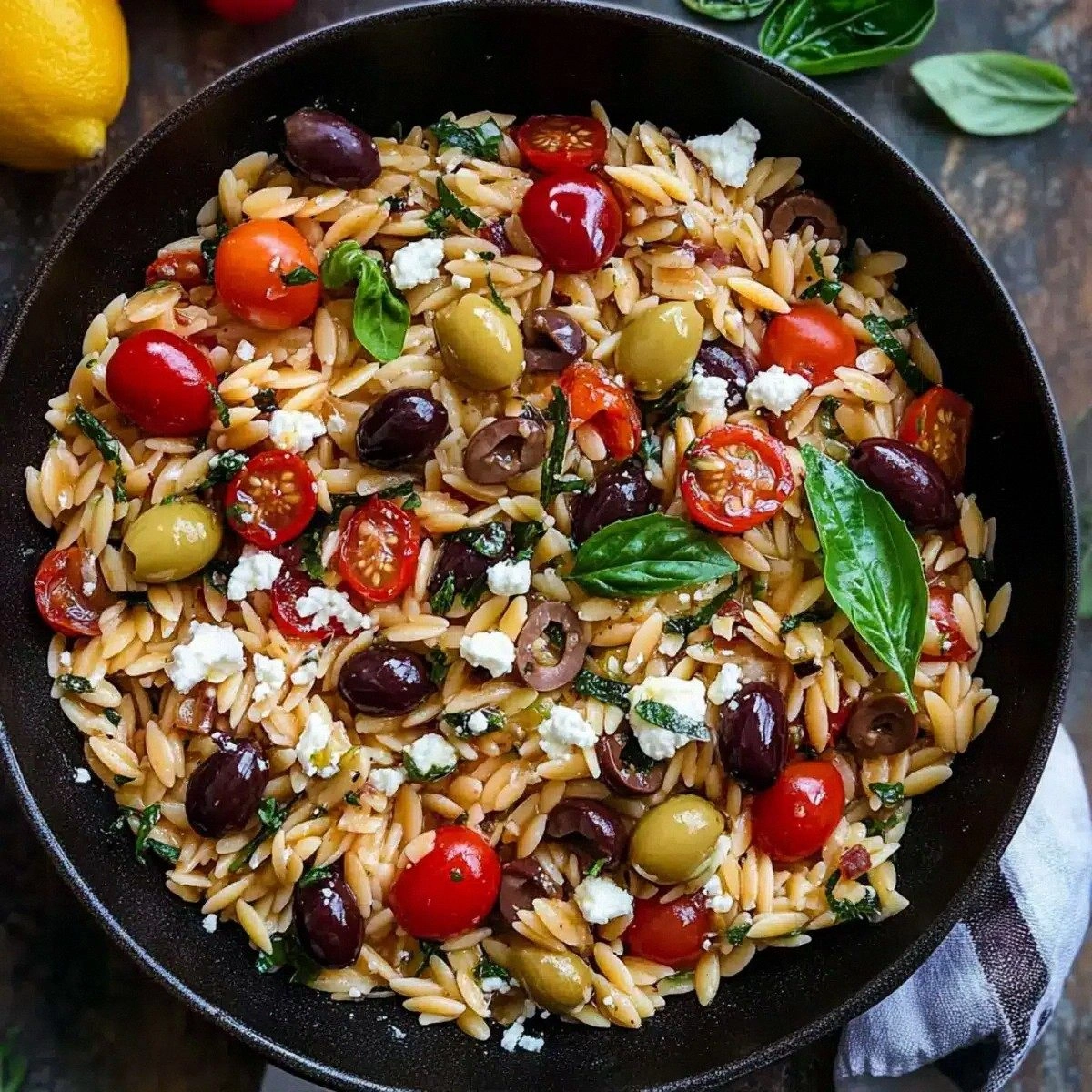
Picture this: I’m standing in my tiny kitchen, the timer on my old microwave buzzing like an angry bee, and a sudden craving for something that screams Mediterranean sunshine hits me like a wave. I’ve tried every shortcut, every “quick Greek” recipe on the internet, but they all end up tasting like bland, overcooked rice with a sprinkle of feta that never quite sticks. I was on the brink of a culinary breakdown when my roommate dared me to “make a dish that could convince a Greek grandma she’s back in her own kitchen.” I accepted the challenge, and after a few frantic trips to the farmer’s market, a splash of lemon, and a lot of trial‑and‑error, I finally nailed what I’m convinced is the ultimate Greek orzo. This isn’t just a side; it’s a full‑on flavor bomb that will make you question every other pasta dish you’ve ever made.
The moment the orzo hits the simmering stock, the kitchen fills with an aroma that feels like a breezy Aegean afternoon—earthy wheat notes mingling with the briny kiss of olives and the sweet tang of sun‑dried tomatoes. The sound? A gentle, comforting hiss as the grains absorb the liquid, like a whisper promising something glorious. The texture? Each bite is a perfect marriage of al dente firmness and buttery silk, while the feta crumbles on top like snow on a white‑washed island cottage. And the taste? Imagine the bright pop of fresh cherry tomatoes, the smoky whisper of paprika, and the herbaceous hug of basil—all dancing together in a chorus that shouts, “I’m here, and I’m unforgettable.”
What truly sets this version apart is a secret weapon: I finish the dish with a quick “finish‑off” in a hot skillet, letting the edges of the orzo get a light, caramelized crunch that contrasts the creamy interior. Most recipes stop once the liquid is absorbed, but I dare you to taste this and not go back for seconds. The result is a dish that feels both rustic and refined, like a seaside taverna served on a polished marble slab. And because I’m a confessed food‑obsessed friend, I’ll be honest — I ate half the batch before anyone else got a chance to try it. That’s how good it is.
Ready for the game‑changer? Let me walk you through every single step — by the end, you’ll wonder how you ever made it any other way. From the moment you gather the freshest ingredients to the final flourish of basil, I’ll be right there with you, sharing the tips, tricks, and little confessions that turn a good recipe into a legendary one. So roll up your sleeves, preheat your optimism, and let’s dive into the delicious details.
What Makes This Version Stand Out
- Taste Explosion: The combination of sweet cherry tomatoes, salty olives, and smoky paprika creates layers of flavor that evolve with each bite, keeping your palate engaged.
- Texture Harmony: Orzo stays firm yet tender, while the final skillet finish adds a subtle crunch that makes every forkful exciting.
- Simplicity Meets Sophistication: Fewer than fifteen ingredients, but each is used at its peak, proving that you don’t need a pantry full of exotic items to impress.
- Ingredient Quality: Using high‑quality feta and extra‑virgin olive oil elevates the dish from everyday to restaurant‑grade without extra effort.
- Crowd Reaction: I’ve seen skeptics become believers after one spoonful; it’s the kind of dish that sparks conversation at any dinner table.
- Make‑Ahead Magic: This orzo actually improves after a short rest, allowing flavors to meld, so you can prep ahead and still serve a fresh‑tasting meal.
- Versatile Base: Perfect as a side for grilled meats, a hearty vegetarian main, or even a cold salad for picnics — the possibilities are endless.
- Cooking Method: The two‑stage cooking (stock absorption then skillet finish) is the secret that most recipes miss, delivering that coveted caramelized edge.
Inside the Ingredient List
The Flavor Base
Orzo (1 cup): This rice‑shaped pasta is the canvas of our dish. Its tiny size means it soaks up the stock quickly, delivering a burst of savory depth in every bite. Skipping it would leave you with a bland, watery dish that lacks structure. If you can’t find orzo, try pearl couscous for a similar bite.
Chicken or Vegetable Stock (4 cups): The stock is where the magic begins. It infuses the orzo with a rich, umami foundation that water simply can’t provide. Use low‑sodium stock to control the salt level later. For a vegetarian twist, opt for a robust vegetable broth with a splash of soy sauce.
Extra Virgin Olive Oil (2 tbsp): This isn’t just for sautéing; it carries the flavors of the herbs and paprika, coating each grain with a silky sheen. Choose a cold‑pressed, fruit‑forward olive oil for a bright finish.
The Texture Crew
Cherry Tomatoes (1 cup): Their juicy pop provides a fresh acidity that cuts through the richness of the feta. If you’re out of fresh cherry tomatoes, frozen ones work, but the texture won’t be as vibrant.
Sun‑Dried Tomatoes (½ cup): These bring an intense, concentrated sweetness that balances the briny olives. They also add a chewy texture that contrasts the tender orzo. A quick soak in warm water rehydrates them if they’re overly dry.
Kalamata Olives (½ cup) & Green Olives (½ cup): The duo creates a depth of salty, fruity, and slightly bitter notes. Kalamata olives are buttery, while green olives add a crisp bite. If you’re watching sodium, rinse them briefly before adding.
The Unexpected Star
Feta Cheese (1 cup): Crumbled feta adds a creamy, tangy punch that melts slightly into the warm orzo, creating pockets of salty goodness. Use a block of feta and crumble it yourself for a fresher flavor. For a dairy‑free version, try a crumble of tofu seasoned with lemon juice and nutritional yeast.
Lemon/Lime Juice (2 tbsp): The citrus brightens the entire dish, lifting the heavy flavors and adding a zing that makes the palate sing. Freshly squeezed juice is non‑negotiable; bottled juice will taste flat.
The Final Flourish
Smoked Paprika (1 tsp) & Italian Seasoning (1 tsp): These spices give the dish its signature smoky‑herb profile. Smoked paprika adds depth without heat, while Italian seasoning provides a blend of oregano, thyme, and rosemary that ties everything together.
Fresh Basil (¼ cup): Torn basil leaves are folded in at the end, delivering an aromatic finish that smells like a garden in full bloom. If basil isn’t in season, substitute with fresh oregano or flat‑leaf parsley.
Salt & Pepper (to taste): These are the final seasoning knobs. Add them gradually, tasting as you go, because the feta and olives already bring a lot of salt.
Everything's prepped? Good. Let's get into the real action...
The Method — Step by Step
Start by heating a large, heavy‑bottomed saucepan over medium heat. Add the extra virgin olive oil and let it shimmer—this is the moment where you hear a faint sizzle, a promise of flavor to come. Toss in the orzo and stir constantly for about 2‑3 minutes until the grains turn a light golden hue and you can smell a nutty aroma. This toasting step is crucial; it creates a protective coat that prevents the orzo from becoming mushy later.
Kitchen Hack: If you’re short on time, use a non‑stick skillet for the toasting step; it reduces sticking and speeds up the browning.Once the orzo is toasted, carefully pour in the chicken or vegetable stock, listening to the gentle hiss as the liquid meets the hot grains. Bring the mixture to a gentle boil, then reduce the heat to a low simmer. Cover the pot with a tight‑fitting lid and let it cook for 12‑15 minutes, or until the stock is almost completely absorbed. You’ll know it’s ready when you see a small amount of liquid bubbling at the edges and the orzo looks plump and slightly glossy.
While the orzo is simmering, prepare the flavor base. In a medium bowl, combine the halved cherry tomatoes, chopped sun‑dried tomatoes, sliced Kalamata olives, and sliced green olives. Drizzle half of the lemon/lime juice over the mixture, add a pinch of smoked paprika, and toss everything together. This step builds layers of brightness and brine that will later meld into the pasta.
When the orzo has absorbed most of the stock, uncover the pot and give it a quick stir. At this point, the grains should be tender but still have a slight bite—think “al dente” with a whisper of softness. If any liquid remains, let it evaporate for another minute, stirring constantly to avoid scorching.
Now for the game‑changer: transfer the cooked orzo to a pre‑heated large skillet over medium‑high heat. Spread it out in an even layer, allowing the bottom to sit undisturbed for about 2 minutes. You’ll hear a faint crackle as the grains start to caramelize. Flip sections of the orzo with a spatula, letting the other side get that same golden touch. This quick skillet finish adds a subtle crunch that feels like “crispy edges that shatter like thin ice” when you bite into them.
Watch Out: Keep the heat medium‑high, not blazing. Too high and the orzo will burn before it gets that lovely crust; too low and you’ll miss the caramelization entirely.Stir the prepared tomato‑olive mixture into the skillet, letting the flavors meld for another minute. The heat will coax the sun‑dried tomatoes to release their sweet oils, and the olives will soften just enough to release their briny juices. Add the remaining lemon/lime juice, Italian seasoning, and smoked paprika, stirring until everything is evenly coated.
Turn off the heat and crumble the feta cheese over the warm orzo. The residual heat will melt the feta just enough to create creamy pockets without turning it into a gooey mess. Toss gently so the cheese distributes without breaking into dust.
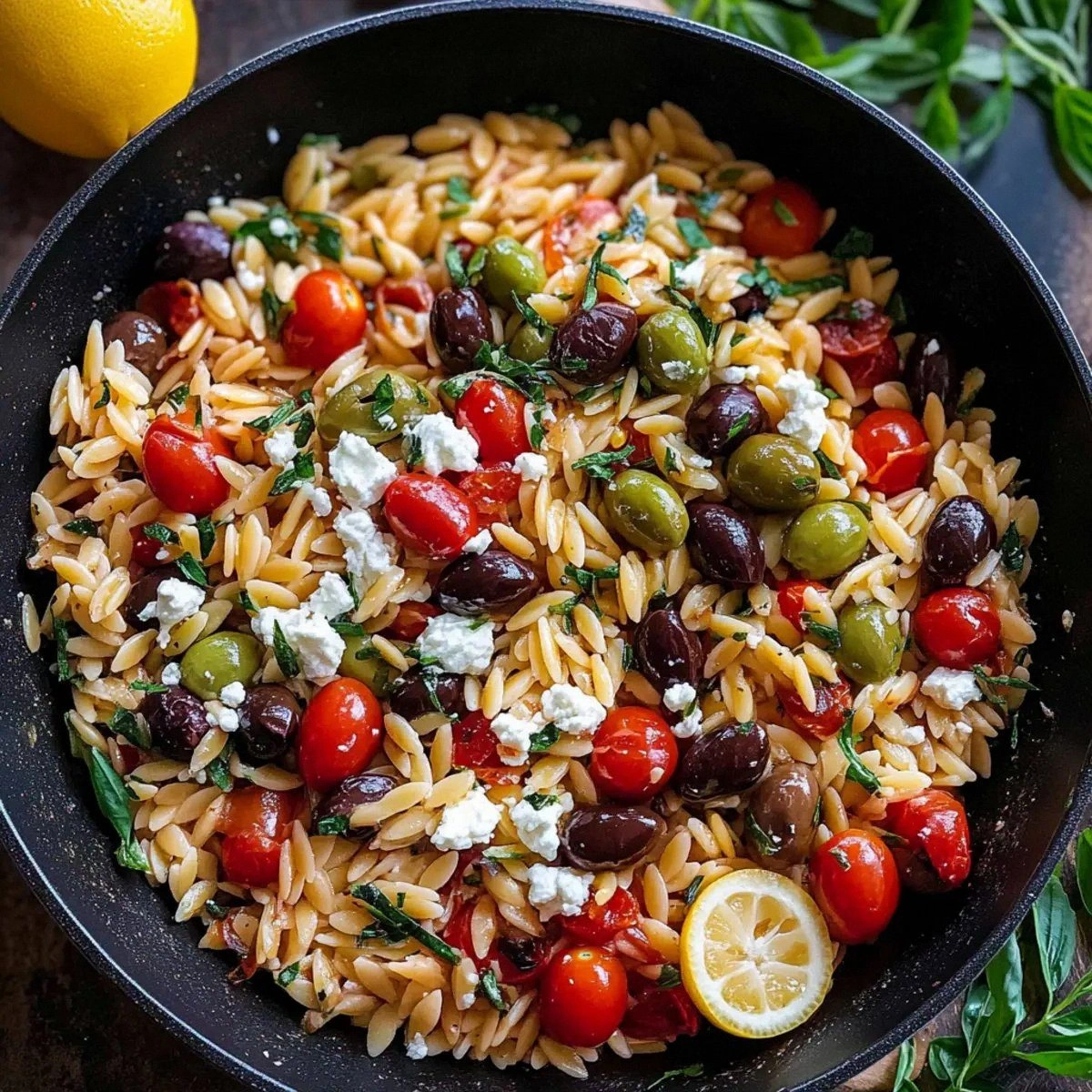
Finish with a generous handful of fresh basil, torn rather than chopped, to preserve its aromatic oils. Give the dish one last gentle toss, then taste and adjust salt and pepper as needed. The final aroma should be a heady mix of citrus, herb, and smoky undertones that makes your kitchen smell like a seaside tavern at sunset.
That's it — you did it. But hold on, I've got a few more tricks that'll take this to another level...
Insider Tricks for Flawless Results
The Temperature Rule Nobody Follows
Most home cooks keep the heat at a steady medium, but the secret is to start low for the stock absorption and then crank it up for the skillet finish. This two‑temperature approach prevents the orzo from becoming gummy while still achieving that coveted crust. I once tried to skip the high‑heat step; the result was a mushy, sad bowl that lacked any texture. Trust me, the contrast between the soft interior and the crisp exterior is what makes this dish unforgettable.
Why Your Nose Knows Best
Never rely solely on a timer. The moment the toasted orzo starts to smell nutty, you know it’s ready for the stock. Likewise, when the skillet‑finished orzo releases a caramelized scent, you’ve hit the perfect crunch. Your nose is the best gauge for flavor development, so stay close and trust those aromatic cues.
The 5‑Minute Rest That Changes Everything
After plating, let the dish sit uncovered for five minutes. This short rest allows the juices from the tomatoes and olives to redistribute, and the feta settles into a creamy melt. I’ve seen people serve it immediately and miss out on that harmonious blend that only a brief pause can create.
Salt Smart: Adjust at the End
Because the olives and feta already bring saltiness, I always add a pinch of sea salt at the very end, after tasting. This prevents the dish from becoming overly salty and lets the citrus shine. If you’re using low‑sodium stock, you might need a tad more, but always taste first.
Batch‑Ready Bonus
If you’re cooking for a crowd, double the recipe and keep the orzo portion separate from the tomato‑olive mix until you’re ready to serve. This keeps the crust from getting soggy. Warm the orzo in the skillet just before serving, and you’ll have a fresh‑cooked feel even from a batch‑cooked base.
Creative Twists and Variations
This recipe is a playground. Here are some of my favorite ways to switch things up:
Sun‑Kissed Shrimp
Add 12‑16 peeled shrimp, seasoned with garlic and lemon, during the final skillet step. The shrimp’s sweet, briny flavor pairs perfectly with the feta and olives, turning the dish into a surf‑and‑turf masterpiece.
Spicy Kick
Stir in a teaspoon of crushed red pepper flakes along with the smoked paprika. The heat balances the tangy feta and bright tomatoes, giving the dish a Mediterranean‑meets‑Mexican vibe.
Herbaceous Green
Swap the basil for a handful of fresh mint and a sprinkle of dill. This herb combo adds a cool, garden‑fresh note that works especially well in summer when you want a lighter palate.
Vegan Delight
Replace feta with crumbled tofu that’s been marinated in lemon juice, nutritional yeast, and a pinch of sea salt. Use vegetable stock and add a splash of soy sauce for depth. The result is just as satisfying without any dairy.
Roasted Veggie Boost
Roast a mix of zucchini, red bell pepper, and red onion with a drizzle of olive oil and a pinch of oregano. Fold the roasted veggies into the orzo after the skillet finish for added sweetness and smoky flavor.
Cheesy Overload
Mix in a quarter cup of grated Pecorino Romano just before serving. The sharp, salty cheese adds an extra layer of richness that pairs beautifully with the feta’s tang.
Storing and Bringing It Back to Life
Fridge Storage
Transfer the cooled orzo to an airtight container and store it in the refrigerator for up to three days. To keep the texture optimal, place a thin sheet of parchment paper on top before sealing. When you’re ready to eat, reheat gently in a skillet with a splash of water or stock, stirring until the grains loosen.
Freezer Friendly
Portion the cooked orzo into freezer‑safe bags, removing as much air as possible. It freezes beautifully for up to two months. Thaw overnight in the fridge, then give it a quick skillet sauté with a drizzle of olive oil to revive the caramelized edges.
Best Reheating Method
For the ultimate reheating experience, use a non‑stick skillet over medium heat. Add a teaspoon of water or broth, cover for 30 seconds, then uncover and stir. The steam re‑hydrates the grains while the skillet restores that delightful crunch. Avoid microwaving, which tends to make the orzo soggy.