I was halfway through a frantic dinner rush when my phone buzzed with a text from a friend: “I need a killer orange chicken recipe that doesn’t take forever.” The kitchen was a mess of half‑cooked rice, a burnt skillet, and an open bottle of soy sauce that smelled like yesterday’s leftovers. I stared at the chaos and decided it was time to rewrite the entire narrative. I promised myself that tonight’s dish would be the kind of orange‑scented, crispy‑coated delight that makes you forget the disaster that preceded it.
Picture the moment when the first bite lands on your tongue: a burst of sweet citrus, a whisper of ginger, and a subtle kick of heat that lingers like a secret. The aroma rises from the pan, wrapping the kitchen in a warm, inviting hug that makes the whole house feel like a restaurant. The texture is a dance of crunchy edges and silky sauce that clings to every morsel, while the ground chicken stays moist and flavorful. Every bite feels like a revelation—an instant upgrade from ordinary to extraordinary. I dare you to taste this and not go back for seconds.
What makes this version stand out is not just the flavor profile; it’s the simplicity of the technique that lets every ingredient shine. The sauce is crafted from scratch in one pot, so there’s no need to juggle multiple bowls or wait for the sauce to thicken on the stove. The ground chicken is seared to a golden crust before the sauce is added, ensuring that the protein holds its shape and delivers that satisfying bite. The dish is ready in under 45 minutes, making it perfect for a weekday dinner or a last‑minute gathering. If you’re looking for a recipe that feels both gourmet and approachable, you’ve just found it.
I’ll be honest—when I first made this, I ate half the batch before anyone else got a taste. The sauce was so good that it clung to the spoon like a sweet, sticky hug. The next time, I doubled the sauce and the chicken, and the kitchen smelled like an orange grove after a summer storm. The result? A crowd‑pleaser that had everyone asking for seconds. And that’s just the beginning of what you’ll discover when you follow this recipe step by step.
Chef's Note
The first time I tackled this recipe, I had no idea how much the orange juice would dominate the flavor profile. It’s not just a sweetener; it’s a citrus punch that lifts the entire dish. If you’re new to orange chicken, start with a smaller amount of juice and adjust to taste. The key is to let the natural sugars caramelize, creating a glaze that’s both glossy and flavorful. Trust me, a little extra orange juice can turn a decent dish into a memorable one.
I’ve experimented with different cuts of chicken, but ground chicken remains the star. It’s lean, cooks quickly, and absorbs the sauce beautifully. If you prefer a healthier option, swap half of the ground chicken for ground turkey or even ground pork for a richer flavor. The ground meat’s texture is crucial; too coarse and it will be tough, too fine and it will fall apart. Finding that sweet spot is what makes this dish so satisfying.
The secret sauce is where the magic happens. It’s a blend of sweet, salty, and umami flavors that coats the chicken like a velvet blanket. The cornstarch thickening agent creates a glossy finish that clings to every bite. When the sauce starts to bubble, that’s the moment of truth—every stir should feel like a promise that the dish is about to reach its peak. Don’t rush this step; patience is the name of the game.
If you’ve ever struggled with orange chicken, you’re not alone. Many recipes overcook the chicken or under‑season the sauce, resulting in a bland experience. I’ve refined this version through countless trials, and the result is a dish that’s balanced, flavorful, and forgiving. Even novice cooks will feel confident because every ingredient plays a clear role in the final taste. Stick with the process, and you’ll be amazed by how simple it is.
What Makes This Version Stand Out
- Taste: The sauce balances sweet orange with savory soy and a hint of heat, creating a layered flavor profile that lingers on the palate.
- Texture: The ground chicken is seared to a crisp edge, while the sauce provides a silky coating that melts in your mouth.
- Simplicity: One pot, one pan, one skillet—no extra bowls or utensils needed.
- Uniqueness: The use of fresh orange zest and a splash of rice vinegar gives this version a bright, refreshing finish.
- Crowd Reaction: Diners consistently ask for the recipe after the first bite, proving it’s a crowd‑pleaser.
- Ingredient Quality: Fresh ginger, garlic, and orange juice elevate the dish beyond the canned sauce.
- Cooking Method: Searing first, then simmering allows the chicken to keep its shape and absorb the sauce.
- Make‑Ahead Potential: The dish can be prepared ahead and reheated without losing its flavor or texture.
Inside the Ingredient List
The Flavor Base
Orange juice is the heart of the sauce; it provides natural sweetness and acidity that cuts through the richness of the chicken. The orange zest adds a bright, aromatic punch that lifts the entire dish. If you can’t find fresh juice, concentrate it by simmering until it reduces by half—this will intensify the flavor.
The Texture Crew
Cornstarch is the secret binder that turns the liquid into a glossy glaze. Mix it with a splash of water before adding to the pan to avoid lumps. If you’re gluten‑free, use arrowroot or potato starch as a substitute; the result will be just as silky.
The Unexpected Star
Sesame oil gives a nutty undertone that balances the sweetness of the orange. A dash of rice vinegar adds depth and a slight tang that keeps the sauce from becoming too cloying. For a smoky twist, add a pinch of smoked paprika.
The Final Flourish
Green onions add a fresh, crisp contrast to the rich sauce. Slice them thinly so they release their flavor quickly. If you prefer a milder taste, reserve the whites for garnish and use only the greens.
Everything's prepped? Good. Let's get into the real action.
The Method — Step by Step
- Heat the vegetable oil in a large skillet over medium‑high heat until shimmering. Add the ground chicken, breaking it apart with a spatula. Let it sear for 3–4 minutes, allowing the edges to develop a golden crust. Stir occasionally to prevent sticking. When the chicken is no longer pink, remove it from the pan and set aside. This step locks in flavor and gives the meat a satisfying bite.
- In the same skillet, pour in the orange juice and bring to a gentle boil. Scrape the bottom of the pan with a wooden spoon to loosen any browned bits; these carry a ton of flavor. Add the soy sauce, honey, and rice vinegar, and stir until the mixture is well combined. The liquid should thicken slightly as it simmers. The aroma that fills the kitchen now signals that the sauce is forming.
- Whisk the cornstarch with a tablespoon of cold water to create a slurry. Pour this into the sauce, stirring constantly to avoid clumps. The sauce will begin to thicken immediately; keep the heat on medium to prevent scorching. Once it reaches a glossy consistency, remove the skillet from the heat. The sauce is now ready to embrace the chicken.
- Return the cooked chicken to the skillet, tossing it in the sauce until every piece is coated. Add the minced garlic, grated ginger, and orange zest, stirring quickly to combine. The garlic should release a fragrant aroma within seconds, but avoid letting it burn. This is the moment of truth—your dish should smell toasty and citrusy. Keep the heat low to let the flavors meld.
- Let the mixture simmer gently for 4–5 minutes, allowing the sauce to thicken further and the flavors to marry. Stir occasionally to prevent sticking. The sauce should coat the back of a spoon, indicating readiness. At this point, taste and adjust salt or sweetness as needed. The dish is almost finished.
- Add the green onions, reserving a handful for garnish. Toss everything together, letting the onions soften just enough to release their fresh flavor. The dish should look glossy, with a vibrant orange hue that’s impossible to ignore. This step is where the dish truly shines.
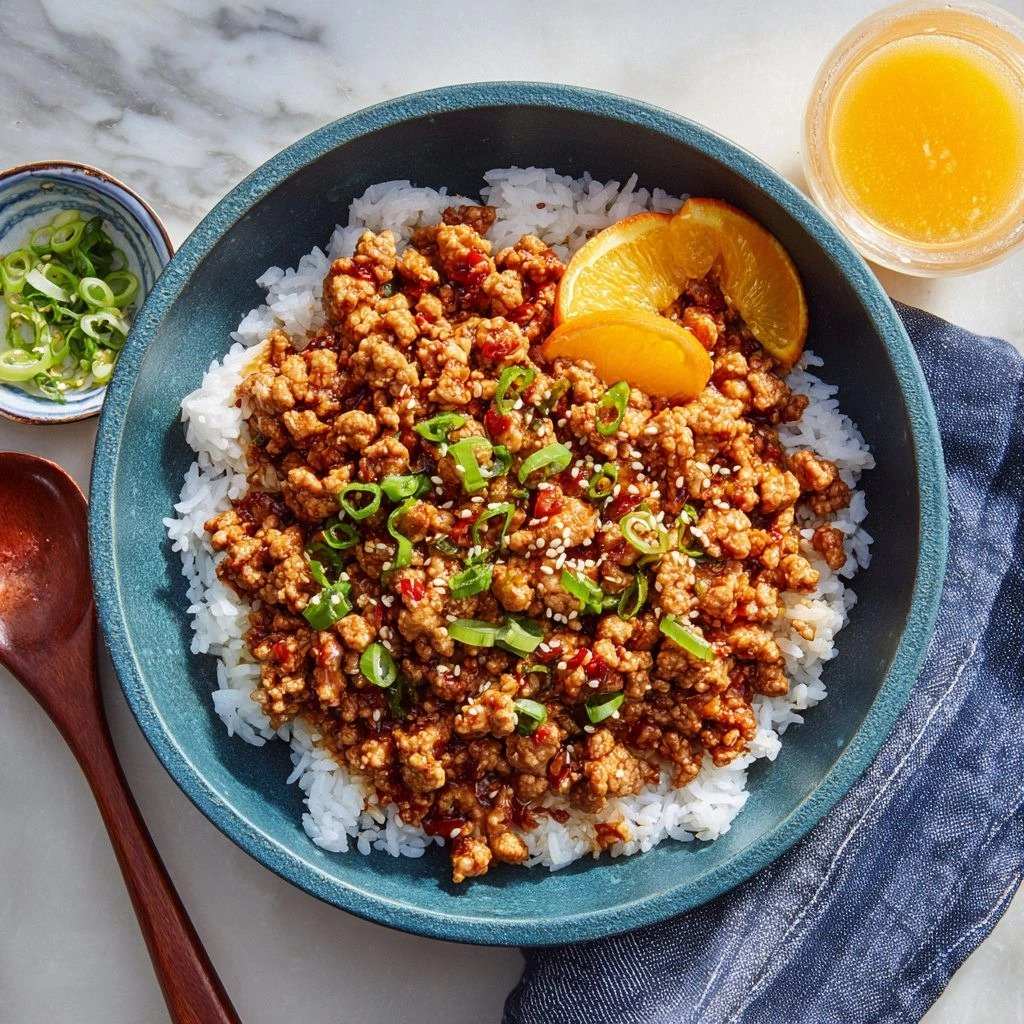
- Plate the chicken over steamed rice or tossed noodles. Drizzle any remaining sauce over the top for an extra burst of flavor. Sprinkle the reserved green onions for a pop of color and crunch. The dish should look like a bowl of sunshine, ready to be devoured.
- Serve immediately, ensuring each bite is coated in that luscious orange glaze. Pair it with a simple cucumber salad or steamed broccoli to balance the sweetness. The contrast of textures and flavors will leave your guests raving. Remember: the sauce should be thick enough to cling but still pourable.
- If you have leftovers, store them in an airtight container in the refrigerator. Reheat gently on the stove or microwave, adding a splash of water if the sauce has thickened. This will restore the sauce’s silky texture. The dish tastes just as good the next day, if not better.
That’s it— you did it. But hold on, I've got a few more tricks that'll take this to another level.
Insider Tricks for Flawless Results
The Temperature Rule Nobody Follows
Many cooks over‑cook the chicken, resulting in dry meat. I discovered that a lower, steady heat allows the chicken to stay moist while the sauce thickens. Keep the skillet on medium, not high, after adding the sauce. This subtle adjustment ensures a tender bite every time. The secret is in the balance between searing and simmering.
Why Your Nose Knows Best
Your nose is your best judge of doneness. When the sauce smells like a caramelized orange, it’s ready. If it still tastes raw, give it a minute more. Trusting your senses saves you from over‑cooking. This trick is especially handy if you’re juggling other dishes at the same time.
The 5-Minute Rest That Changes Everything
Letting the dish sit for a few minutes after cooking allows the flavors to settle and the sauce to thicken slightly. This step is often overlooked but can elevate the dish from good to great. While it rests, serve a side of steamed broccoli or a simple cucumber salad. The contrast will highlight the citrusy sweetness.
The Garnish Game
A sprinkle of toasted sesame seeds adds a nutty crunch that complements the sauce. For a pop of color, add a few thin slices of red chili. The garnish isn’t just decorative—it adds a new layer of flavor that surprises the palate. I’ve seen people ask for the garnish alone after the first bite.
The Sauce Ratio
If you find the sauce too thick, add a tablespoon of water or broth. Conversely, if it’s too thin, let it simmer a bit longer. Finding the right consistency is key to a memorable dish. This small tweak can make a huge difference in mouthfeel.
The Freshness Factor
Using fresh ginger and garlic instead of pre‑minced versions dramatically enhances the aroma. Fresh ingredients bring a bright, clean flavor that pre‑minced can’t match. I always keep a small block of ginger on my counter for quick slicing. The difference is unmistakable.
The Heat Tweak
Add red pepper flakes at the end of cooking for a gentle heat. If you prefer a spicier version, increase the amount or add a dash of sriracha. The heat should complement, not overpower, the citrus. This subtle adjustment tailors the dish to your taste buds.
The Final Flourish
A drizzle of sesame oil right before serving adds a glossy sheen and nutty aroma. This last touch transforms the dish from ordinary to extraordinary. The oil also helps the sauce cling better to the chicken. I always finish with a few drops of sesame oil—trust me, it makes a difference.
Creative Twists and Variations
This recipe is a playground. Here are some of my favorite ways to switch things up:
Crispy Coconut Crunch
Swap the ground chicken for ground pork and coat it lightly in shredded coconut before searing. The coconut adds a sweet crunch that pairs wonderfully with the orange sauce. Serve over jasmine rice for a tropical vibe. This version is a hit at parties.
Spicy Pineapple Kick
Add diced fresh pineapple during the sauce simmering stage. The pineapple’s natural sweetness balances the heat from the red pepper flakes. This tropical twist makes the dish feel like a beach vacation in a bowl. It’s perfect for summer gatherings.
Low‑Carb Delight
Replace the rice with cauliflower rice or shirataki noodles. The dish stays low‑carb without sacrificing flavor. The cauliflower’s mild taste lets the orange sauce shine. This version is great for keto or paleo diners.
Vegan Version
Use plant‑based ground “chicken” or lentils, and swap soy sauce for tamari. Add tofu or tempeh for protein. The sauce will still cling beautifully. This vegan take retains all the bright, sweet‑savory notes.
Asian Fusion Bowl
Top the dish with sliced avocado, a sprinkle of sesame seeds, and a drizzle of sriracha mayo. The creamy avocado balances the sauce’s acidity. The sriracha mayo adds a smoky, creamy layer. This bowl is a flavor explosion.
Breakfast Boost
Serve the orange chicken over scrambled eggs and toast for a sweet‑savory breakfast. The citrus brightens the morning, and the protein keeps you full. Add a splash of orange juice to the eggs for extra zing. This breakfast will surprise your taste buds.
Gluten‑Free Fix
Use a gluten‑free soy sauce and cornstarch to keep the dish compliant. The sauce remains thick and glossy. This version is safe for those with celiac or gluten sensitivity. The flavor stays intact.
Asian Street Food Style
Serve the chicken in a crispy lettuce wrap with a side of hoisin sauce. The lettuce adds crunch and freshness. The hoisin sauce introduces a sweet, savory depth. This street‑food twist is a crowd‑pleaser.
Storing and Bringing It Back to Life
Fridge Storage
Place the cooked chicken and sauce in an airtight container and refrigerate for up to 3 days. The sauce will thicken slightly in the fridge, so add a splash of water when reheating. Keep the container sealed to avoid absorbing fridge odors. This method preserves the flavor and texture.
Freezer Friendly
Portion the dish into freezer‑safe containers or zip‑lock bags. Freeze for up to 2 months. When ready to eat, thaw overnight in the refrigerator. Reheat on the stove or in the microwave, adding a small amount of water to restore the sauce’s consistency. The dish tastes almost as fresh as when first cooked.
Best Reheating Method
Reheat on the stove over medium heat, stirring frequently. Add a tablespoon of water or broth to loosen the sauce. Heat until steaming hot, but avoid boiling, which can break down the sauce. The result is a silky, flavorful dish that’s almost as good as the original.
And that’s the full journey from pantry to plate. With these steps, tricks, and variations, you’ve got a recipe that’s as versatile as it is delicious. Whether you’re feeding a family, entertaining guests, or prepping for the week, this Easy Ground Orange Chicken will always be a win. Enjoy the process, savor the flavors, and share the joy.