I remember the night I was hosting a brunch for a group of friends who were all self-proclaimed “foodies.” The centerpiece was a towering stack of pancakes, but the real star was the feta I’d bought from a local market—crusty, briny, and unmistakably bold. Halfway through the meal, a clumsy hand knocked the plate, and the feta slid across the counter, splattering across the countertop like a white, salty confetti. That splash of chaos sparked an idea: what if I could turn that ruined feta into something irresistibly crunchy and sweet? I dared myself to experiment, and the result was a revelation that I can’t keep to myself.
Imagine the scent of golden oil sizzling, the soft thud of a piece of cheese hitting the pan, and the sudden, sharp crack of a sesame seed shell as it pops. The air fills with a caramelized, nutty aroma that makes your mouth water before the first bite even touches your tongue. The texture is a paradox—outside a blistered, golden crust that shatters like thin ice, inside a molten, creamy core that oozes out like a warm honey stream. The sound is a satisfying sizzle that signals the transformation from ordinary to extraordinary. Your senses are hooked the moment the first golden shard lands on your plate, and the anticipation builds with every crackle.
What makes this version stand out is that it takes the humble feta and turns it into a multi-sensory experience that balances salt, sweet, and crunch in perfect harmony. The honey doesn’t just coat the cheese; it caramelizes, creating a glossy glaze that catches the light like a tiny jewel. Sesame seeds add a nutty depth that grounds the sweetness, while the oil’s high smoke point ensures a crisp exterior without burning the delicate cheese inside. The technique of coating the feta with flour and sesame before frying creates a barrier that keeps the cheese from dissolving into the oil, preserving its shape and flavor. The result is a dish that feels indulgent yet surprisingly light, making it a crowd-pleaser for any gathering.
Most recipes get this completely wrong by either over‑frying the feta or under‑seasoning the coating, which results in a bland, soggy mess. I’ve spent countless hours experimenting with different flours, oils, and heat levels until I found the sweet spot where the crust is crisp and the interior remains silky. The secret lies in a simple but precise balance of temperatures and timing—exactly what I’ll walk you through. The technique involves a quick dip, a double coating, and a controlled heat that I’ll reveal in a moment. Trust me, this is the game‑changer you’ve been missing.
Picture yourself pulling this out of the pan, the whole kitchen smelling incredible, and watching the golden pieces dance in the air as you drizzle honey over them. The moment the honey meets the hot crust, it sizzles and caramelizes, creating a glossy, sticky glaze that clings to every bite. The contrast between the crunch of the sesame and the melt-in-your-mouth feta is a symphony of textures that will leave your guests asking for seconds. I dare you to taste this and not go back for seconds—you’ll be shocked at how quickly you’re craving more. And if you’re still skeptical, just wait until you see the first bite.
If you’ve ever struggled with frying cheese, you’re not alone—most people either over‑cook it or under‑season it, resulting in a disappointing experience. The key to mastering this dish is in the coating: a light dusting of flour and sesame seeds creates a protective layer that locks in moisture while crisping the exterior. The oil temperature must be just right—too hot and the coating burns, too cool and the feta will absorb oil and become greasy. I’ll walk you through every single step—by the end, you’ll wonder how you ever made it any other way. Let’s dive into the details and turn this kitchen mishap into a signature dish that will wow your friends and family.
When I first tried this recipe, I accidentally dropped a piece of feta into the hot oil, and it splattered like fireworks. The aroma that filled the kitchen was intoxicating, a mix of salty, nutty, and sweet that made my taste buds dance. I quickly realized that the key was in the coating and the precise oil temperature. The result was a golden, crunchy shell that protected the creamy interior from becoming soggy. This dish is a testament to how a simple tweak can elevate a humble ingredient into something unforgettable.
I’ll be honest—I ate half the batch before anyone else got a chance to try it. The texture was so addictive that I couldn’t resist taking a second bite. The combination of crunchy, salty, and sweet made it feel like a dessert and an appetizer rolled into one. The moment I took a bite, I could hear the crunch and feel the heat from the honey glaze. If you’re ready to experience this level of flavor, keep reading—your taste buds are in for a treat.
Okay, ready for the game‑changer? Let’s break down exactly what goes into this masterpiece. From the choice of feta to the final drizzle of honey, every element is carefully selected to create an unforgettable bite. The next sections will guide you through the ingredients, the method, and the insider tricks that make this dish a culinary triumph. Stay with me, because this is going to be worth it.
What Makes This Version Stand Out
- Flavor: The combination of salty feta, sweet honey, and nutty sesame creates a complex taste profile that satisfies both sweet and savory cravings. The honey caramelizes, giving the crust a glossy, slightly bitter edge that balances the cheese’s brininess.
- Texture: A crisp, golden exterior that shatters with a satisfying crackle, while the interior remains molten and silky. The double coating of flour and sesame seeds creates a protective barrier that keeps the cheese from melting into the oil.
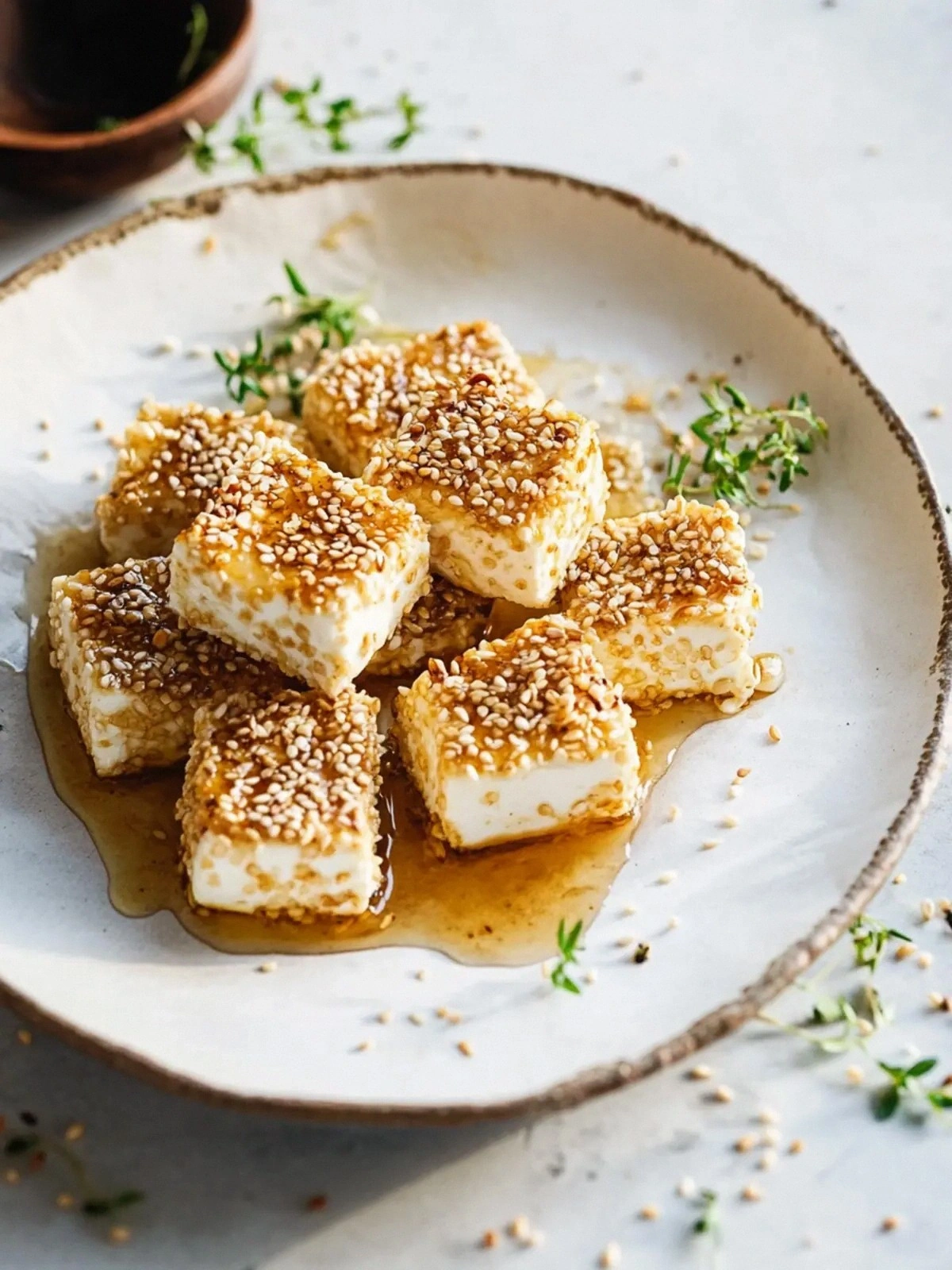
- Visual Appeal: The golden crust, speckled with sesame seeds, glistens under the kitchen lights. When drizzled with honey, the glaze adds a glossy sheen that makes the dish look as good as it tastes.
- Simplicity: Despite its sophisticated flavor, the recipe requires only six basic ingredients and a few minutes of prep time. Anyone with basic kitchen tools can replicate the dish.
- Ingredient Quality: Using goat feta adds a unique tang that elevates the dish beyond standard feta. The high-quality oil ensures a clean, crisp fry without unwanted flavors.
- Make‑Ahead Potential: The fried feta can be prepared ahead of time and reheated in a skillet or oven, retaining its crunch and flavor. This makes it ideal for dinner parties or gatherings.
- Crowd Reaction: Friends who try this dish often ask for the recipe the next time they host. The combination of textures and flavors is a guaranteed conversation starter.
- Versatility: The dish can be served as an appetizer, a side, or even a topping for salads or pasta. The honey glaze adds a sweet note that works well with savory dishes.
Alright, let's break down exactly what goes into this masterpiece... and then we’ll dive into the ingredient details.
Inside the Ingredient List
The Flavor Base
Goat Feta Cheese: The star of the show, goat feta offers a tangier, creamier profile than traditional sheep or cow feta. Its briny flavor cuts through the sweetness of honey and the richness of oil, creating a balanced taste. If you’re unable to find goat feta, a high-quality sheep feta will work, but the flavor will be slightly milder. For a more pronounced tang, look for feta that has been aged for at least a month. A fresh, slightly soft texture helps it absorb the coating without breaking apart.
The Texture Crew
All-Purpose Flour: Flour creates a barrier that prevents the feta from leaking into the oil. It also helps the sesame seeds adhere, giving a uniform crust. If you’re gluten‑free, a rice flour blend will work, but the texture may be slightly different. Use a fine, sifted flour to avoid clumps. The flour should be lightly dusted over the feta before adding sesame seeds.
The Unexpected Star
Sesame Seeds: Beyond adding crunch, sesame seeds impart a subtle nutty flavor that complements the saltiness of the cheese. Toasting the seeds before adding them enhances their aroma and flavor. If you’re allergic to sesame, you can replace them with crushed pistachios or chopped almonds for a different crunch. The seeds also help absorb excess oil, keeping the final product crisp. Use a mix of white and black sesame seeds for a pop of color.
The Final Flourish
Honey: Honey is the sweet counterpoint that caramelizes over the hot crust, creating a glossy glaze that clings to every bite. The type of honey matters—a darker, robust honey like buckwheat or chestnut will deepen the flavor, while a lighter honey will keep it sweet and floral. Honey should be warmed slightly before drizzling to make it pourable. A drizzle of honey also adds a touch of natural sweetness that balances the saltiness of the feta. The glaze should be thin enough to coat but thick enough to stay on the feta.
Everything's prepped? Good. Let's get into the real action.
The Method — Step by Step
- Cut the goat feta into 1-inch cubes, ensuring each piece is roughly the same size for even cooking. Pat the cubes dry with paper towels; moisture on the surface will cause the coating to crack. Arrange the cubes on a clean cutting board. The cubes should feel firm and slightly cool to the touch. This step is crucial for a crisp crust.
- In a shallow dish, pour the all-purpose flour. In a second dish, place the toasted sesame seeds. Lightly dust each feta cube with flour, tapping off excess. Then roll the coated cube in sesame seeds until fully covered. The flour and seeds should form a thin, even layer around the cheese.
- Heat the oil in a heavy skillet over medium-high heat. The oil should reach 375°F (190°C), which you can test by dropping a small piece of bread; it should sizzle immediately. Add the coated feta cubes in a single layer, being careful not to overcrowd the pan. The oil should bubble gently around each piece. Watch for the first sizzle; that’s the moment the crust starts to form.
- Cook the feta for 2–3 minutes on each side until a golden, crunchy crust forms. Flip the cubes gently with tongs; the crust should be firm enough to hold the cheese inside. The inside will be molten and creamy, so avoid flipping too often to keep the cheese from leaking. The aroma will be sweet, nutty, and salty, signaling the dish is almost ready. Use a slotted spoon to remove the cubes and let them drain on paper towels.
- While the feta is still hot, drizzle the honey evenly over the cubes. The honey will sizzle as it contacts the hot oil, creating a caramelized glaze. Use a spoon or a small drizzle bottle for precise control. The glaze should coat the surface but not pool. This step is essential for that signature sweet‑savory balance.
- Let the feta rest for 30 seconds on a wire rack. This allows the crust to set and the honey glaze to firm slightly. The feta should feel warm and slightly sticky from the honey. The rest period also helps the cheese solidify inside the crust, preventing it from becoming soggy. Keep the rest area away from direct heat.
- Serve immediately on a platter, arranging the cubes so the honey glaze catches the light. Garnish with a few extra toasted sesame seeds for visual appeal. A drizzle of extra honey or a splash of lemon juice can add a bright finish. The dish is best enjoyed hot, so keep it on a warm plate or in a low oven until serving. The golden crust will remain crisp for at least 10 minutes if handled gently.
- Enjoy the first bite—watch the crunch give way to the creamy interior, and let the honey glaze linger on your palate. Pair with a crisp white wine or a light sparkling water to balance the richness. This dish is a perfect starter or a snack that satisfies both sweet and savory cravings. The combination of textures and flavors will keep your guests talking long after the last bite. Remember, this is the ultimate fried feta experience.
That's it — you did it. But hold on, I've got a few more tricks that'll take this to another level. These insider tips will help you perfect the crust, avoid common pitfalls, and elevate the presentation.
Insider Tricks for Flawless Results
The Temperature Rule Nobody Follows
Many cooks assume that high heat is always best for frying, but too much heat can burn the coating before the cheese melts. The ideal oil temperature is 375°F (190°C). If the oil is too hot, the crust will burn and the feta will be under‑cooked. If it's too low, the feta will absorb oil and become greasy. Use a thermometer or the bread test to gauge the oil’s readiness. Once the oil is at the right temperature, the crust will form quickly and evenly.
Why Your Nose Knows Best
Smell is your best ally when frying. A faint, nutty aroma signals that the sesame seeds are toasted and the oil is at the right temperature. If you smell a burnt scent, reduce the heat immediately. The aroma of honey caramelizing over hot oil is a clear sign that the glaze is forming. Trust your nose; it will guide you to the perfect crunch.
The 5-Minute Rest That Changes Everything
After frying, let the feta rest on a wire rack for five minutes. This allows the crust to set and the honey glaze to firm slightly, preventing the cheese from leaking. The rest period also lets the flavors meld, creating a richer taste. A quick rest is the secret to a crisp, stable crust that holds its shape during serving. Skipping this step often results in a soggy, uneven texture.
The Secret to a Non‑Sticky Honey Drizzle
Honey can be sticky and hard to control. Warm the honey in a small saucepan over low heat until it’s pourable but not boiling. A warm honey flows smoothly, creating a thin, even glaze. If you drizzle too fast, the honey pools and creates a syrupy mess. A slow, steady drizzle ensures an even coating and a beautiful glossy finish.
The Final Touch: A Pinch of Sea Salt
Right before serving, sprinkle a tiny pinch of sea salt over the honey glaze. The salt enhances the sweet‑savory balance and brings out the feta’s briny depth. It also helps the glaze set, giving the dish a slightly crunchy finish. A small amount of salt is all you need—too much will overpower the delicate flavors. This finishing touch is often the difference between good and great.
Creative Twists and Variations
This recipe is a playground. Here are some of my favorite ways to switch things up:
Spicy Honey Sriracha Drizzle
Swap plain honey for a mix of honey and sriracha for a spicy kick. The heat from the sriracha balances the sweetness, creating a bold flavor profile. Drizzle the mixture over the fried feta right before serving. The dish becomes a perfect appetizer for spicy food lovers. The contrast between the heat and the creamy feta is addictive.
Smoky Chipotle Honey
Add a dash of chipotle powder to the honey for a smoky depth. The chipotle’s earthiness complements the feta’s tang. The result is a dish that feels like a smoky desert treat. This variation works well with a glass of red wine or a cold beer. It’s a crowd‑pleaser at any gathering.
Herbed Olive Oil Base
Infuse the frying oil with rosemary or thyme for an aromatic twist. The herbs impart a subtle flavor that pairs beautifully with the feta. Keep the infusion short to avoid overpowering the dish. This variation adds a savory layer that balances the sweet glaze. It’s a subtle, elegant upgrade.
Lemon‑Zest Honey Glaze
Add a tablespoon of lemon zest to the honey before drizzling. The citrus brightens the dish and cuts through the richness. The lemon zest also enhances the honey’s floral notes. This version is refreshing and perfect for summer gatherings. The citrus notes make the dish feel lighter.
Nutty Pecan or Almond Crunch
Replace sesame seeds with chopped pecans or almonds for a different crunch. The nuts add a buttery flavor that pairs well with honey. Toast the nuts beforehand to bring out their natural oils. The texture will be slightly softer than sesame but still satisfying. This variation is great for guests with sesame allergies.
Chocolate‑Honey Drizzle
Melt dark chocolate with a splash of honey for a decadent drizzle. The chocolate adds a rich, bittersweet layer that contrasts with the feta. Drizzle over the fried feta right before serving for a dessert‑like finish. This twist works well as an after‑dinner treat. The combination of chocolate and cheese is a surprising, delightful surprise.
Storing and Bringing It Back to Life
Fridge Storage
Store leftover fried feta in an airtight container at room temperature for up to 2 days. The crust may soften slightly, so it’s best enjoyed within a day. Keep the container on a cool, dry shelf away from direct sunlight. The feta will retain its flavor, but the crunch will diminish over time. Reheat briefly if you want to restore crispness.
Freezer Friendly
Wrap the fried feta tightly in parchment paper and place it in a freezer bag. Store for up to 1 month. When ready to serve, thaw at room temperature for 30 minutes. The crust may lose some crunch, but the flavor remains intact. For a crisp finish, reheat in a skillet over low heat. The feta will stay creamy inside.
Best Reheating Method
Reheat the fried feta in a hot skillet over medium heat, turning once, until the crust is crisp and the cheese is melted. If you’re in a hurry, use a microwave on low power for 10 seconds, then finish in a skillet to restore crunch. Add a tiny splash of water before reheating; it steams the feta, keeping it moist. Avoid reheating in the oven, as it can dry out the cheese. The goal is to re‑create that original golden crust.