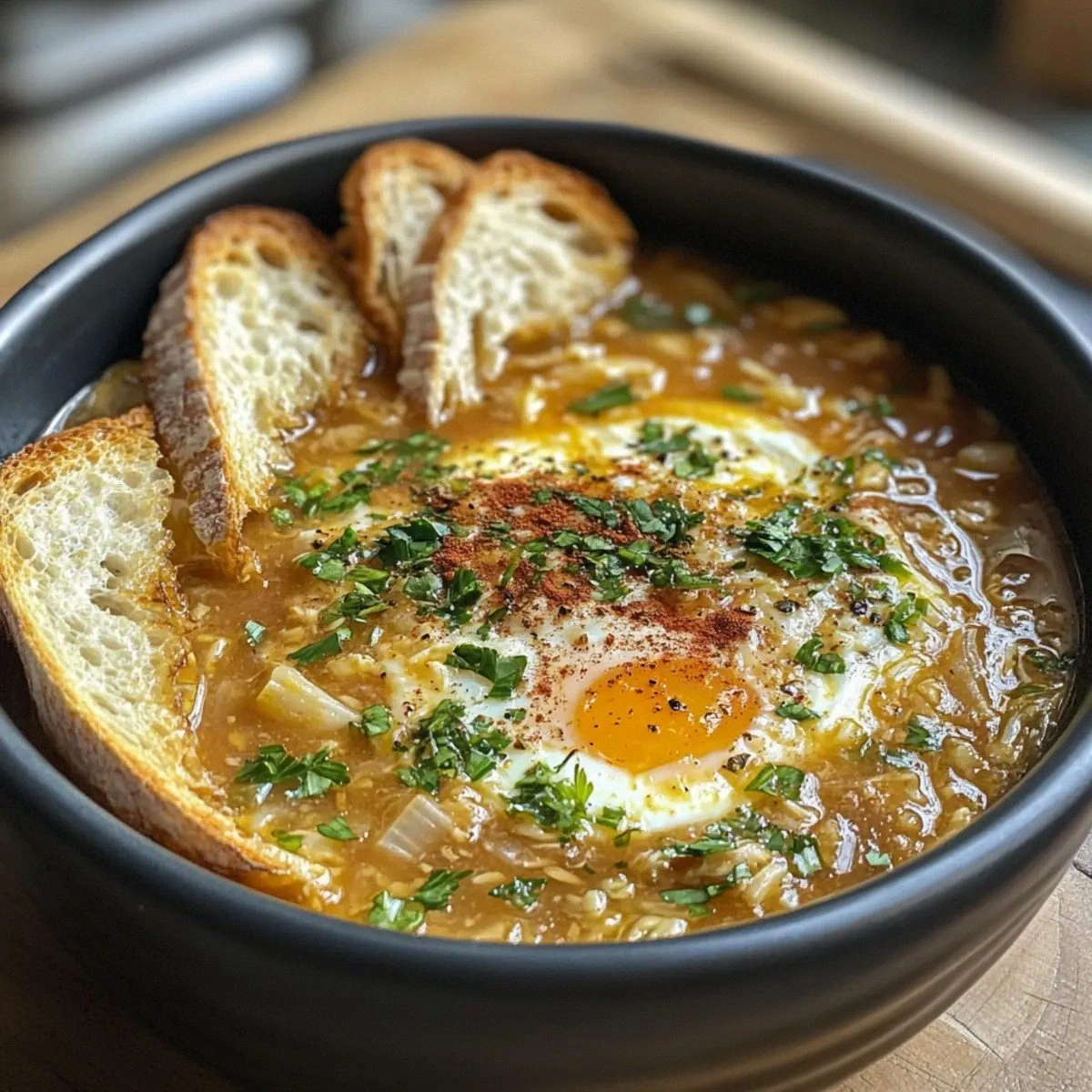
I was standing in my kitchen on a rainy Tuesday, staring at a pot of bland chicken broth that had been simmering for an hour, when my roommate shouted, “If you don’t make something amazing, I’m ordering pizza!” I laughed, grabbed the biggest clove of garlic I could find, and declared a challenge to myself: create a soup that would make even the most stubborn pizza lover surrender. The result? A bowl of Spanish garlic soup so comforting it could melt the coldest winter night into a warm hug. This is not the generic “sopa de ajo” you get in a textbook; it’s the version that makes the whole house feel like a Spanish tavern at dusk, with the scent of smoked paprika drifting through the air like an old flamenco song.
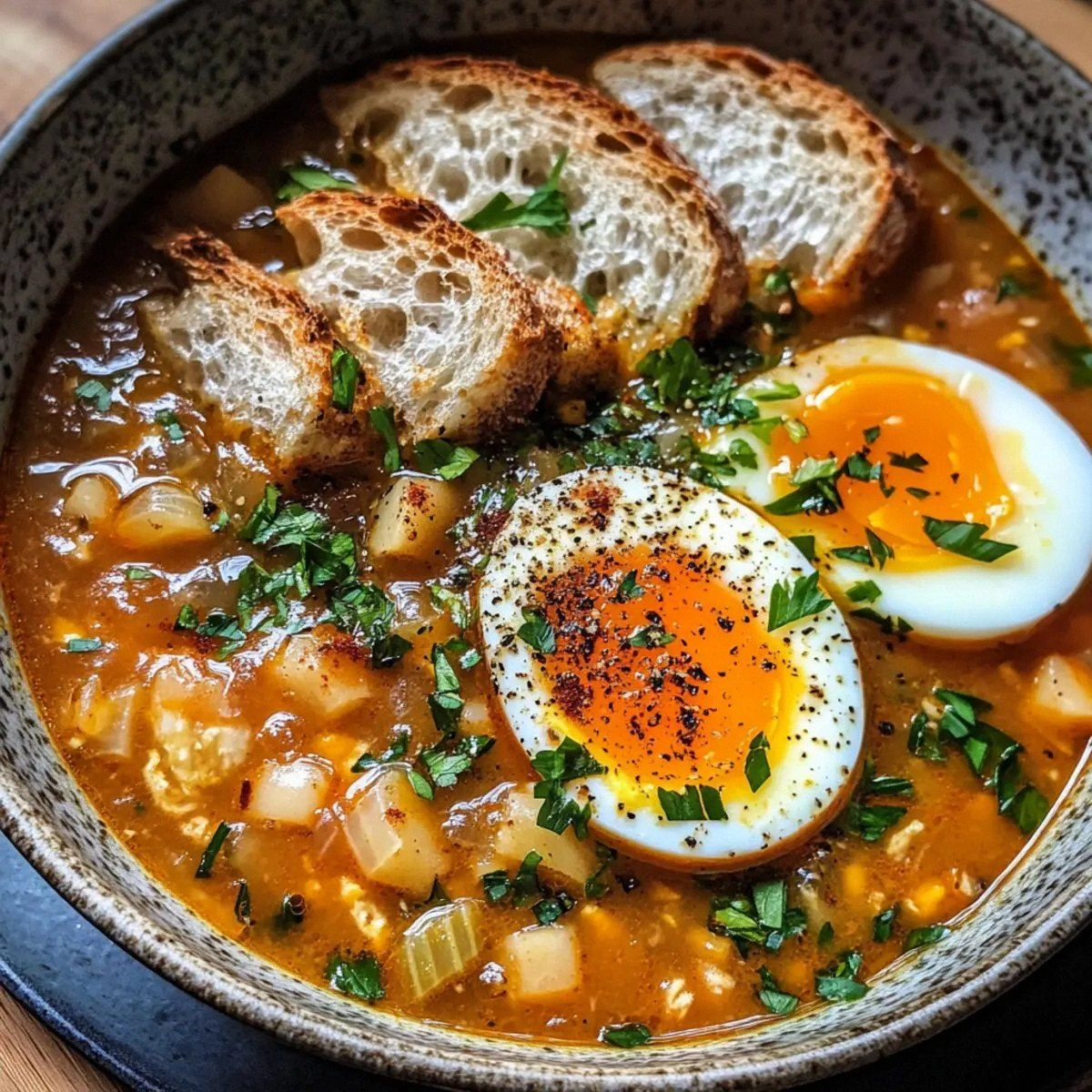
Picture this: you’re pulling the pot off the stove, the broth bubbling like a lazy river, the garlic softened to a buttery glow, and the stale bread soaking up the liquid until it becomes a velvety base that clings to the spoon like a lover’s embrace. The aroma hits you first – sweet, earthy, a hint of smoky heat that makes your nostrils tingle, followed by the gentle hiss of the oil as it kisses the pan. When you break an egg into the soup, the whites set like a cloud while the yolk remains a golden sun, ready to swirl into the broth and create ribbons of silk. The first spoonful is a symphony: the garlic sings, the paprika whispers, and the broth hums with depth.
Most recipes get this completely wrong. They either drown the garlic in too much liquid or they forget the crucial step of toasting the stale bread, which gives the soup its characteristic body. I’ve tried versions that called for fresh baguette, and the result was a watery mess that never thickened. The secret here is threefold: a generous amount of olive oil to caramelize the garlic, a splash of smoked paprika for that unmistakable Spanish flair, and the humble stale bread that acts like a natural thickener without adding any flour. The end product is a soup that feels both rustic and refined, simple enough for a weeknight but impressive enough for a dinner party.
I dare you to taste this and not go back for seconds. I’ll be honest — I ate half the batch before anyone else got a chance to try it, and the only thing that stopped me was the fear of running out. Okay, ready for the game-changer? In a moment I’ll reveal a technique that takes the broth from good to legendary: a quick flash‑simmer with the eggs that creates a silky emulsion you’ll swear was achieved with a blender. Let me walk you through every single step — by the end, you’ll wonder how you ever made it any other way.
What Makes This Version Stand Out
- Taste: The garlic is caramelized to sweet perfection, balanced by the smoky depth of paprika and a subtle salty kiss from the broth.
- Texture: The stale bread dissolves into a creamy, slightly rustic body, while the poached egg adds a luxurious, velvety ribbon.
- Simplicity: Only eight ingredients, all pantry staples, yet the flavor profile feels like a slow‑cooked masterpiece.
- Uniqueness: The smoked paprika isn’t just a garnish; it’s infused early, giving the soup a deep, earthy undertone that most versions miss.
- Crowd Reaction: Guests often say, “Is this a soup or a hug?” because it’s comfort in a bowl, perfect for chilly evenings.
- Ingredient Quality: Using a good extra‑virgin olive oil and authentic Spanish smoked paprika elevates the dish from ordinary to extraordinary.
- Cooking Method: The two‑stage simmer – first to build flavor, then a gentle flash‑simmer with the eggs – creates an emulsion that’s silky without any heavy cream.
- Make‑Ahead Potential: The soup stores beautifully; reheat gently and add fresh eggs for a brand‑new experience each time.
Inside the Ingredient List
The Flavor Base
Olive oil is the silent hero of this soup. Its fruity notes lift the garlic, while its high smoke point ensures the garlic browns without burning. If you skimp on the oil, you’ll end up with a flat, under‑seasoned broth that feels more like water than comfort. For the best result, use a cold‑pressed, extra‑virgin variety from a reputable producer – the greener the bottle, the richer the flavor. A cheap “light” oil will leave the soup tasting metallic and will never achieve that glossy sheen on the surface.
Garlic is the star, and we’re not talking about a timid pinch. We’re using eight to ten cloves, crushed and sautéed until they turn a deep amber, releasing sugars that caramelize and give the soup its sweet backbone. Skipping the caramelization step is a rookie mistake; raw garlic will dominate with a harsh bite, and the soup will never reach that comforting, mellow profile. If you’re allergic to garlic, you could swap in roasted shallots, but be prepared for a different aromatic story.
The Texture Crew
Stale bread may sound like a kitchen tragedy, but it’s actually a clever thickening agent. The crusty, dry texture absorbs the broth and breaks down into a silky base without adding any gluten or flour, which keeps the soup naturally gluten‑free if you choose a gluten‑free loaf. If you can’t find stale bread, toast fresh bread until it’s golden and let it cool – the dryness mimics the same effect. Skipping this step will leave you with a thin, watery broth that lacks body.
Eggs are the final flourish. The whites set quickly, creating a soft cushion, while the yolk remains runny, ready to swirl and enrich the broth. If you over‑cook the eggs, you’ll lose that luscious yolk river and end up with a crumbly texture. For a richer mouthfeel, use farm‑fresh eggs; their higher fat content adds a buttery sheen that store‑bought eggs can’t match.
The Unexpected Star
Smoked paprika is the ingredient that transports you straight to a sun‑kissed Spanish patio. Its deep, smoky flavor is what separates a basic garlic soup from an unforgettable one. Using regular sweet paprika will give you color but none of the signature aroma. If you can’t find smoked paprika, a pinch of chipotle powder or a dash of liquid smoke will do, but be careful – a little goes a long way, and you don’t want to overpower the delicate garlic.
The Final Flourish
Chicken stock or vegetable broth forms the liquid foundation. A high‑quality stock, preferably homemade, adds layers of umami that bottled versions often lack. If you’re vegetarian, a rich vegetable broth works just as well, but add a splash of soy sauce or miso to compensate for the missing meat depth. Salt and pepper are the finishing touches; they should be added at the end so you can taste and adjust without risking over‑salting.
Everything's prepped? Good. Let's get into the real action...
The Method — Step by Step
-
Heat the olive oil in a heavy‑bottomed pot over medium heat. As soon as the oil shimmers, add the crushed garlic cloves. Let them sizzle for about 2 minutes, then reduce the heat to low and watch the garlic turn a deep, honey‑gold color. That sizzle when it hits the pan? Absolute perfection. If the garlic starts to brown too quickly, lower the flame – burnt garlic will give the soup a bitter edge.
Kitchen Hack: Crush the garlic with the flat side of a knife; this releases more juices and speeds up caramelization. -
Stir in the smoked paprika, letting it toast for about 30 seconds. The oil will turn a deep, rusty red, and a fragrant, smoky perfume will fill your kitchen. This is the moment of truth – if you can smell the paprika, you know the flavor is already building. Be careful not to let it burn; paprika can turn bitter in seconds.
-
Tear the stale bread into bite‑size pieces and add them to the pot, stirring constantly. The bread will soak up the flavored oil and begin to dissolve, creating a thick, velvety base. Keep the mixture moving for about 3 minutes so the bread doesn’t stick to the bottom. If you notice any lumps, use the back of a wooden spoon to mash them into the broth.
Watch Out: Adding the bread too early can cause it to burn; make sure the garlic and paprika have fully blended before introducing the bread. -
Gradually pour in the chicken stock (or vegetable broth), stirring as you go. Start with a cup, let the bread absorb, then continue until you reach 6‑7 cups total. The broth should bubble gently, not a rolling boil. As the liquid incorporates, you’ll see the soup thicken to a luscious, medium‑saucy consistency. This is where the soup gets its body, so patience is key.
-
Season with salt and freshly cracked black pepper to taste. I recommend starting with a teaspoon of salt, tasting, then adjusting. Remember, the broth will reduce slightly, intensifying the seasoning, so err on the side of caution. Once seasoned, let the soup simmer low and slow for 10 minutes, allowing the flavors to meld.
Kitchen Hack: Taste the broth after 5 minutes of simmering; a quick spoonful will tell you if you need a pinch more salt or a dash of pepper. -
Create small wells in the simmering soup using a spoon, then crack the four large eggs into each well. The whites will set quickly, while the yolks stay beautifully runny. Cover the pot with a tight‑fitting lid and let the eggs poach for exactly 4‑5 minutes. The steam should be gentle; too vigorous and the yolks will break, too gentle and the whites stay liquid.
-
Once the eggs are set, turn off the heat and let the soup rest for 2 minutes. This pause allows the yolks to thicken slightly, creating a natural emulsion when you stir. Now, using two large spoons, gently swirl the soup, coaxing the yolk into ribbons that coat every bite. The result is a glossy, golden swirl that looks as good as it tastes.
-
Serve the soup hot, ladling each portion with an egg intact, and finish with a drizzle of extra‑virgin olive oil and a final crack of black pepper. The broth should steam in the bowl, releasing that intoxicating garlicky, smoky perfume. Picture yourself pulling this out of the pot, the whole kitchen smelling incredible, and your guests leaning in for that first spoonful. This is hands down the best version you'll ever make at home.
That's it — you did it. But hold on, I've got a few more tricks that'll take this to another level. Stick around, because the next section reveals insider secrets that turn a great soup into a legendary one.
Insider Tricks for Flawless Results
The Temperature Rule Nobody Follows
Never let the garlic fry at high heat. A low, steady sizzle extracts the sugars without scorching, giving you that caramelized sweetness. If you notice the garlic turning black before the paprika releases its aroma, you’ve broken the rule and the soup will taste burnt. I once tried to speed things up on a busy night and the result was a bitter broth that no amount of salt could rescue. Keep the flame gentle, and the flavor will thank you.
Why Your Nose Knows Best
Your sense of smell is the real timer for this soup. When the garlic turns golden and the paprika releases its smoky perfume, you know the base is ready. Don’t rely on a clock; trust that aromatic cue. I once let the garlic sit too long and missed the perfect moment, ending up with a soup that smelled more like burnt toast than a Spanish kitchen. A quick sniff every minute keeps you on track.
The 5‑Minute Rest That Changes Everything
After the eggs set, turn off the heat and let the pot sit, covered, for exactly five minutes. This short rest lets the yolk thicken just enough to create a silky ribbon when you stir. Skipping this step yields a runny yolk that separates, leaving the broth looking oily rather than glossy. My friend tried to serve immediately and the soup looked like a broken sauce – not pretty.
Bread‑First, Then Broth
If you add the broth before the bread, the bread will float and never fully integrate, resulting in a grainy texture. By toasting the bread first, you give it a chance to soak up the flavored oil, turning it into a natural thickener. This hack saves you from a lumpy soup and creates that smooth, velvety mouthfeel we all crave.
Season at the End, Not the Beginning
Adding salt too early can draw moisture out of the garlic, making it dry and less sweet. Wait until the broth is fully combined before seasoning, then taste and adjust. This ensures the garlic retains its natural caramelized flavor and the broth stays balanced. I’ve seen novice cooks dump a tablespoon of salt in at the start and end up with a soup that’s flat and overly salty.
Creative Twists and Variations
This recipe is a playground. Here are some of my favorite ways to switch things up:
Chorizo Kick
Add ½ cup of sliced Spanish chorizo to the pot after the garlic has caramelized. The smoky, spicy meat deepens the flavor and adds a satisfying bite. Perfect for meat‑lovers who want a heartier soup.
Seafood Splash
Swap the chicken stock for a light fish stock and stir in a handful of peeled shrimp during the final 3 minutes of simmering. The delicate seafood notes complement the garlic beautifully, turning the soup into a coastal feast.
Vegan Velvet
Replace the eggs with silken tofu cubes and use a rich mushroom broth instead of chicken stock. Finish with a drizzle of truffle oil for an earthy, luxurious twist that stays completely plant‑based.
Spicy Andalusian
Stir in a pinch of cayenne pepper or a few drops of hot sauce just before serving. The heat adds a lively contrast to the sweet garlic, echoing the bold flavors of Andalusian tapas.
Herb‑Infused
Add a handful of fresh thyme or rosemary during the simmer. The herbs infuse the broth with a piney aroma that brightens the richness. Remove the stems before serving to avoid an overpowering herb bite.
Storing and Bringing It Back to Life
Fridge Storage
Allow the soup to cool to room temperature, then transfer it to an airtight container. It will keep for up to 4 days in the refrigerator. When reheating, add a splash of water or extra broth to restore the original consistency, then gently warm over low heat.
Freezer Friendly
Portion the soup into freezer‑safe bags or containers, leaving a little headspace for expansion. Freeze for up to 3 months. Thaw overnight in the fridge, then reheat gently on the stove, adding a bit of broth to loosen any thickened edges.
Best Reheating Method
The secret to a perfect reheated bowl is a gentle steam. Place the soup in a saucepan, add a tablespoon of water per cup, and cover. Heat on low, stirring occasionally, until the broth is hot and the bread has softened again. Crack fresh eggs into the reheated broth for that final touch of silk.