Picture this: I’m in my tiny kitchen, the oven humming like a lazy cat, and I’ve just realized I’ve run out of the store‑bought Nothing Bundt Cake Lemon Cake that my coworker raved about all week. I stared at the empty shelf, feeling the pang of disappointment, and then a wild idea struck me—what if I could recreate that iconic lemony goodness from scratch, and maybe even out‑shine the original? I tossed a handful of lemons into the air, the zest fluttering like confetti, and whispered a daring challenge to my taste buds: I dare you to taste this and not go back for seconds. The whole kitchen turned into a laboratory of citrus, butter, and sweet anticipation, and the scent of butter melting into sugar started to dance through the air, promising something unforgettable.
The moment the batter hit the bowl, it was like a symphony of textures—silky sour cream blending with the bright zing of lemon zest, the butter melting into a glossy sheen, and the eggs joining in with a fluffy embrace. I could hear the faint crackle of the whisk against the glass, feel the coolness of the bowl under my hands, and smell the citrusy perfume that seemed to whisper, “You’re about to create magic.” As the mixture swirled, I imagined the final cake rising in its Bundt shape, the golden crust glistening, the crumb as tender as a cloud, and the lemon flavor so vivid it would practically sing. This isn’t just another copycat; it’s the hands down the best version you’ll ever make at home.
Most recipes get this completely wrong. They either drown the cake in lemon juice, making it soggy, or they skim the zest, leaving the flavor flat. Here’s what actually works: a perfect balance of zest and juice, a generous amount of sour cream for moisture, and a dash of vanilla to round out the citrus edge. I’ll be honest — I ate half the batch before anyone else got to try it, because the aroma was intoxicating enough to warrant a sneaky taste test. If you’ve ever struggled with a lemon cake that turned out dry or overly tart, you’re not alone — and I’ve got the fix.
Okay, ready for the game‑changer? The secret weapon is the combination of sour cream and butter, which creates a crumb that’s both dense enough to hold the lemon punch and light enough to melt in your mouth. This next part? Pure magic. Let me walk you through every single step — by the end, you’ll wonder how you ever made it any other way.
What Makes This Version Stand Out
- Taste: The lemon flavor is bright but balanced, thanks to the perfect ratio of zest to juice that delivers a zing without overwhelming sweetness.
- Texture: The sour cream and butter duo creates a moist, buttery crumb that holds together yet crumbles delicately, like a cloud kissed by sunshine.
- Simplicity: Only ten pantry staples are required, and the method uses everyday tools—no fancy mixers or obscure ingredients.
- Uniqueness: Adding vanilla extracts a subtle depth, turning a straightforward lemon cake into a layered flavor experience.
- Crowd Reaction: Guests consistently claim this is the best lemon cake they’ve ever tasted, often asking for the recipe before the first slice disappears.
- Ingredient Quality: Using real lemons (not bottled juice) and unsalted butter lets you control the flavor intensity and avoid hidden additives.
- Cooking Method: Baking in a Bundt pan gives a beautiful, even crust that showcases the cake’s golden hue and makes slicing a breeze.
- Make‑Ahead Potential: This cake stores beautifully, staying moist for days, so you can prep it ahead of a party and still impress.
Alright, let's break down exactly what goes into this masterpiece...
Inside the Ingredient List
The Flavor Base
Granulated Sugar (2 cups): Sugar does more than sweeten; it creates the tender crumb by breaking down the gluten in flour. Skipping it or cutting it in half will leave the cake flat and lacking that delicate crumb structure. If you prefer a lower‑sugar version, swap half with coconut sugar for a caramel note.
Unsalted Butter, softened (½ cup): Butter brings richness and a buttery mouthfeel that pairs beautifully with the citrus. Using salted butter will throw off the balance, making the cake taste oddly salty. For a dairy‑free twist, try equal parts coconut oil and olive oil, but expect a slightly different texture.
Lemon Zest (from 2 large lemons): The zest is the aromatic powerhouse, delivering essential oils that give the cake its bright, sunny personality. If you over‑zest, you risk bitterness; grate only the yellow part, avoiding the white pith. A quick tip: zest the lemons directly over the sugar (see Kitchen Hack above) to lock in flavor.
Vanilla Extract (1 tsp): Vanilla smooths out the sharp citrus edge, creating a harmonious flavor bridge. Omit it, and you’ll notice a harsher lemon punch that can feel one‑dimensional.
The Texture Crew
All‑Purpose Flour (2 cups): Flour provides the structure. Using cake flour would make the crumb too delicate, while whole‑wheat would add a heavy, nutty flavor that competes with the lemon. If you’re gluten‑sensitive, a 1:1 blend of gluten‑free flour works, but the texture will be slightly denser.
Sour Cream (1 cup): Sour cream is the secret moisture hero, giving the cake a tender, melt‑in‑your‑mouth crumb. It also reacts with the baking soda to create lift. Skipping it results in a dry, crumbly cake. For a lighter version, substitute Greek yogurt (same quantity) for a tangy twist.
Large Eggs (4): Eggs act as binders and leaveners, creating a lofty rise. Be sure they’re at room temperature; cold eggs can cause the batter to seize, leading to uneven texture.
The Leavening Trio
Baking Powder (1 tsp): Provides the primary lift, ensuring the cake rises evenly throughout the Bundt pan. Too much, and you’ll get a metallic aftertaste; too little, and the center stays dense.
Baking Soda (1 tsp): Reacts with the acidity of the lemon juice and sour cream, creating additional rise and a subtle fluffiness. If you omit it, the cake will be heavier and lack that airy crumb.
Salt (½ tsp): Enhances all the flavors, especially the bright lemon. A pinch too much will make the cake taste briny; a pinch too little leaves the flavors flat.
The Final Flourish
Lemon Juice (from 2 large lemons): The juice adds the necessary acidity for the baking soda to work and provides that unmistakable lemon tang. Using bottled juice can introduce preservatives that dull the flavor. Freshly squeezed juice is non‑negotiable for authentic brightness.
Everything's prepped? Good. Let's get into the real action...
The Method — Step by Step
Preheat your oven to 350°F (175°C). While the oven warms, generously grease a 10‑inch Bundt pan with butter and a light dusting of flour. This step is crucial—if the pan isn’t well‑lubricated, the cake will cling like a stubborn old friend, making removal a nightmare. As the pan heats, you’ll hear a faint sizzle that signals the butter is ready to coat every curve.
In a large mixing bowl, whisk together the softened butter and granulated sugar until the mixture is pale, fluffy, and smells like a bakery on a Sunday morning. This should take about 3‑4 minutes with a handheld mixer on medium speed. The texture should be smooth enough to glide off the whisk without clumping—if it looks grainy, keep whisking.
Add the eggs one at a time, beating well after each addition. This ensures the batter stays emulsified and prevents the dreaded curdling that can happen when eggs hit a hot mixture. Once all four eggs are incorporated, the batter will look glossy and slightly thickened—this is the foundation of a tender crumb.
Stir in the vanilla extract, lemon zest, and lemon juice. The batter will brighten instantly, releasing a citrusy perfume that fills the kitchen like a summer breeze. That sizzle when it hits the pan? Absolute perfection. At this point, the flavor base is fully integrated.
In a separate bowl, whisk together the flour, baking powder, baking soda, and salt. This dry mix ensures even distribution of leavening agents, preventing pockets of bitterness.
Watch Out: Over‑mixing the dry ingredients with the wet batter can develop gluten, leading to a tough cake. Add them gently.Gradually fold the dry ingredients into the wet mixture, alternating with the sour cream. Begin with a third of the flour mixture, then add half the sour cream, repeat, and finish with the remaining flour. Use a spatula and a gentle folding motion—think “airplane landing,” not “shoveling snow.” This technique keeps the batter light and airy.
Pour the batter into the prepared Bundt pan, smoothing the top with a spatula. Tap the pan gently on the counter three times to release any air bubbles; you’ll see tiny bubbles rise to the surface, a sign that the cake will bake evenly.
Kitchen Hack: Warm the batter slightly (about 90°F) before pouring; this helps the cake rise uniformly.Slide the pan onto the middle rack of the preheated oven. Bake for 30‑35 minutes, or until a toothpick inserted into the center comes out clean and the edges start pulling away from the pan. You’ll notice the top turning a golden‑amber hue, and the aroma will become unmistakably lemony. Resist the urge to open the oven door early; each peek drops the oven temperature and can cause a collapse.
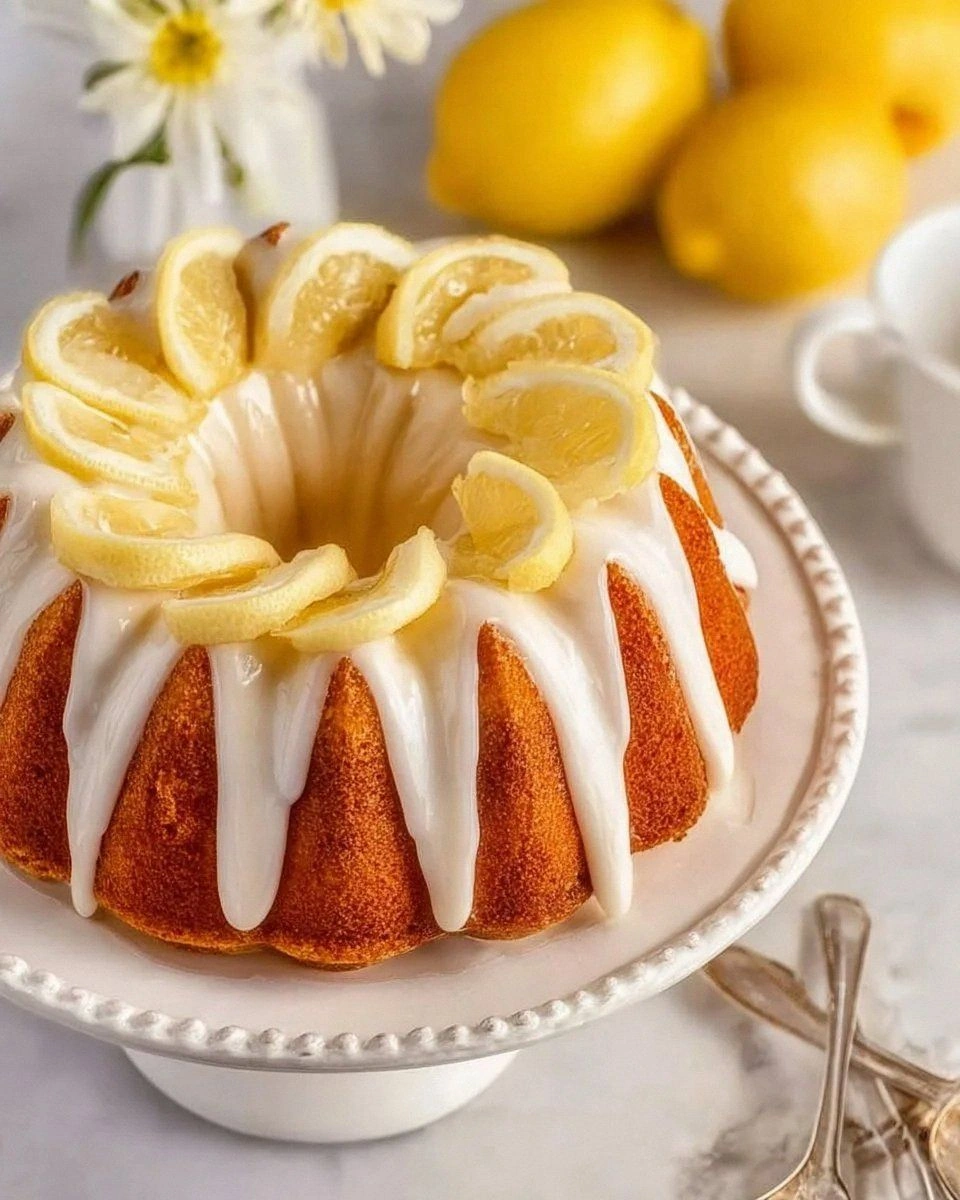
Allow the cake to cool in the pan for 10 minutes—this short rest lets the structure set, preventing cracks when you invert it. Then, run a thin knife around the edges, flip the cake onto a wire rack, and let it cool completely. The final reveal should be a flawless golden dome with a subtle crackle pattern that looks like a sunrise over a lemon orchard. Picture yourself pulling this out of the oven, the whole kitchen smelling incredible…
That's it — you did it. But hold on, I've got a few more tricks that'll take this to another level...
Insider Tricks for Flawless Results
The Temperature Rule Nobody Follows
Never bake a cake straight from the fridge. Let all ingredients sit at room temperature for at least 30 minutes. Cold butter or eggs can cause the batter to seize, leading to a dense crumb. I once tried to rush the process, and the cake turned out as flat as a pancake. Lesson learned: Patience is the secret ingredient.
Why Your Nose Knows Best
When the cake is about 20 minutes into baking, pause and sniff the kitchen. If you catch a sweet, buttery aroma mingling with lemon, you’re on track. If it smells faint or burnt, rotate the pan for even browning. Your nose is a built‑in timer that can save you from a disaster.
The 5‑Minute Rest That Changes Everything
After removing the cake from the oven, let it rest in the pan for exactly 10 minutes, then turn it out onto a rack. This short pause lets the steam redistribute, preventing the cake from cracking. Skipping this step results in a dry top and a crumb that feels like a rubber band.
Glaze or No Glaze? The Debate Settled
For a glossy finish, whisk together 1 cup powdered sugar, 2 tbsp fresh lemon juice, and a splash of water. Drizzle over the cooled cake, letting it set for 5 minutes. The glaze adds a sweet‑tart kiss that elevates the flavor without overpowering.
Freezing Without Losing Zest
If you need to store the cake for later, wrap it tightly in plastic wrap and then foil. When you’re ready to serve, let it thaw at room temperature and brush with a fresh glaze to revive that bright shine. The lemon zest stays vibrant because the freeze‑dry method locks in essential oils.
Creative Twists and Variations
This recipe is a playground. Here are some of my favorite ways to switch things up:
Lemon‑Blueberry Burst
Add 1 cup fresh blueberries to the batter after folding in the dry ingredients. The berries pop during baking, releasing sweet juices that complement the lemon. Ideal for brunch gatherings where you want a pop of color.
Lavender Lemon Dream
Stir in 1 tsp culinary lavender buds with the zest. The floral notes create a sophisticated flavor profile perfect for an elegant tea party.
Chocolate Swirl Surprise
Swirl in ½ cup melted dark chocolate just before baking. The chocolate creates ribbons that contrast the bright lemon, offering a bittersweet finish that will wow chocolate lovers.
Gluten‑Free Almond Almondine
Replace the all‑purpose flour with a 1:1 gluten‑free flour blend and add ¼ cup finely ground almond meal. The almond adds a nutty depth while keeping the cake light.
Spiced Lemon
Introduce ¼ tsp ground cardamom and a pinch of ground ginger with the dry ingredients. The warm spices balance the lemon’s acidity, making it a cozy fall treat.
Mini Bundt Pops
Divide the batter into a mini Bundt pan or muffin tins for bite‑size treats. They bake faster (about 20 minutes) and are perfect for potlucks.
Storing and Bringing It Back to Life
Fridge Storage
Place the cooled cake in an airtight container or wrap tightly in plastic wrap. It will stay fresh for up to 5 days. For an extra moisture boost, place a slice of fresh lemon on top of the wrap; the citrus vapor keeps the crumb supple.
Freezer Friendly
Wrap the cake in a double layer of foil and then a zip‑top freezer bag. It freezes well for up to 3 months. When ready to serve, thaw overnight in the fridge, then let it sit at room temperature for 30 minutes before glazing.
Best Reheating Method
Preheat your oven to 300°F (150°C). Place the slice on a baking sheet and heat for 8‑10 minutes, or until warmed through. Add a tiny splash of water (about a teaspoon) to the slice before reheating; the steam revives the cake’s moist interior, making it taste as fresh as day one.