I was in the middle of a chaotic Sunday brunch when the kitchen turned into a smoky battlefield. I had a handful of salmon fillets, a dash of confidence, and a desperate need to salvage dinner before the kids discovered the burnt toast. The moment the fish hit the hot pan, the sizzle sounded like applause, and I realized I had stumbled upon a culinary revelation. This isn’t just another “herb‑crusted” recipe; it’s a symphony of textures, flavors, and aromas that will make your taste buds do a happy dance. Picture the golden crust crackling like a fresh‑baked cookie, the inside staying moist and flaky as a cloud. If you’ve ever been disappointed by bland salmon, this is the antidote you’ve been waiting for.
Imagine the scent of fresh dill and thyme mingling with the buttery aroma of melted butter, all layered over the subtle, oceanic perfume of the fillets. The sound of the crust forming is a satisfying crunch that echoes the crispness of a freshly cut apple. The first bite delivers a burst of citrus from the lemon zest, followed by a mellow, nutty flavor from the Parmesan and breadcrumbs. Your fingers will feel the slight resistance of the crust, then give way to the tender flesh beneath. The visual feast—a radiant, golden exterior with a hint of green from the herbs—will have you reaching for seconds before you even finish the plate.
What sets this version apart is the meticulous balance between crunch, umami, and freshness. The panko breadcrumbs are toasted to a light, airy perfection, creating a shell that holds the buttery sauce without becoming soggy. Dijon mustard adds a subtle tang that cuts through the richness, while fresh herbs bring a bright, herbal lift that feels like a breath of spring. The lemon zest is not just a garnish; it’s an integral component that brightens every bite. This recipe is hands down the best version you'll ever make at home because it transforms ordinary salmon into a showstopper with minimal effort.
I dare you to taste this and not go back for seconds—trust me, your palate will beg for more. The key secret is the butter‑mustard glaze that coats the fillets before the breadcrumb crust sets. It creates a barrier that keeps the fish moist and gives the crust a glossy, irresistible sheen. Most recipes get this completely wrong, layering the crust over dry fillets and ending up with a dry, unappetizing result. Here’s what actually works: coat first, then crust, and finish with a quick sear. Picture yourself pulling this out of the oven, the whole kitchen smelling incredible, and every guest reaching for the plate. That’s the power of a well‑crafted crust.
Okay, ready for the game‑changer? Let me walk you through every single step—by the end, you'll wonder how you ever made it any other way. This is not just cooking; it’s an adventure that starts with a simple pantry and ends with a plate that screams gourmet. The next part? Pure magic. And now the fun part. Stay with me here—this is worth it.
What Makes This Version Stand Out
- Crunch Factor: The toasted panko creates a light, airy crunch that contrasts beautifully with the tender flesh of the salmon. It’s not heavy or cloying; it’s a texture that keeps the dish interesting. The crust is crisp on the outside and still has a subtle, buttery interior. This balance is what makes every bite memorable.
- Umami Boost: Parmesan cheese adds a savory depth that elevates the dish beyond simple seasoning. It melts into the crust, giving it a rich, nutty flavor that complements the fish. The cheese also helps bind the breadcrumbs, preventing them from falling off. The result is a crust that is both flavorful and sturdy.
- Fresh Herb Harmony: A blend of parsley, dill, and thyme delivers a bright, green note that cuts through the richness of the butter. Each herb brings its own personality—dill for its floral sharpness, thyme for earthiness, and parsley for a clean finish. The herbs are fresh, not dried, so their flavors stay vibrant.
- Easy Prep: All the ingredients are pantry staples, and the process takes less than 15 minutes of prep time. No elaborate marinating or complex sauces. You can throw the fillets together, coat, and bake—no fuss, no mess. This is the kind of recipe that saves the day.
- Crowd‑Pleaser: The dish looks impressive on a plate, and the flavor profile is universally appealing. Even the pickiest eaters love the crispy crust and the subtle lemon brightness. It’s a safe bet for dinner parties or family gatherings.
- Versatile Method: The same crust works whether you bake, pan‑sear, or grill the salmon. The technique is adaptable to different cooking styles, making it a reliable go‑to for any kitchen.
- Make‑Ahead Friendly: You can prep the crust and fillets a day ahead, refrigerate them, and finish cooking just before serving. This makes it perfect for busy weeknights or last‑minute entertaining.
- Health‑Conscious: While it feels indulgent, the dish is still relatively low in calories and high in protein. The use of fresh herbs and lemon keeps the flavor bright without relying on heavy sauces.
Alright, let's break down exactly what goes into this masterpiece…
Inside the Ingredient List
The Flavor Base
Olive oil, Dijon mustard, and melted butter form the backbone of the crust. Olive oil adds a fruity brightness that elevates the overall profile, while Dijon mustard introduces a mild tang that cuts through the richness of the butter. Together, these ingredients create a glaze that locks in moisture and gives the crust a glossy sheen. If you skip this base, the crust will feel dry and lack cohesion.
The Texture Crew
Panko breadcrumbs and grated Parmesan cheese are the stars of the show. The panko provides a light, airy crunch, whereas the Parmesan adds a savory depth that melts into the crust. The combination ensures that the crust stays intact during cooking and offers a satisfying bite. If you replace the panko with regular breadcrumbs, you’ll lose the signature crispness.
The Unexpected Star
Fresh lemon zest is the secret weapon that brightens every bite. Its citrusy aroma and subtle acidity counterbalance the buttery, savory elements, keeping the dish from feeling heavy. Lemon zest also contributes a slight bitterness that adds complexity. Skipping it will result in a flatter flavor profile.
The Final Flourish
Fresh herbs—parsley, dill, and thyme—provide a vibrant finish. Each herb brings its own nuance: dill for floral sharpness, thyme for earthiness, and parsley for a clean, fresh note. When mixed into the breadcrumb mixture, the herbs infuse the crust with aromatic oils that release during cooking. If you’re out of fresh herbs, dried versions can be used, but they’ll lack the same bright punch.
Everything's prepped? Good. Let's get into the real action…
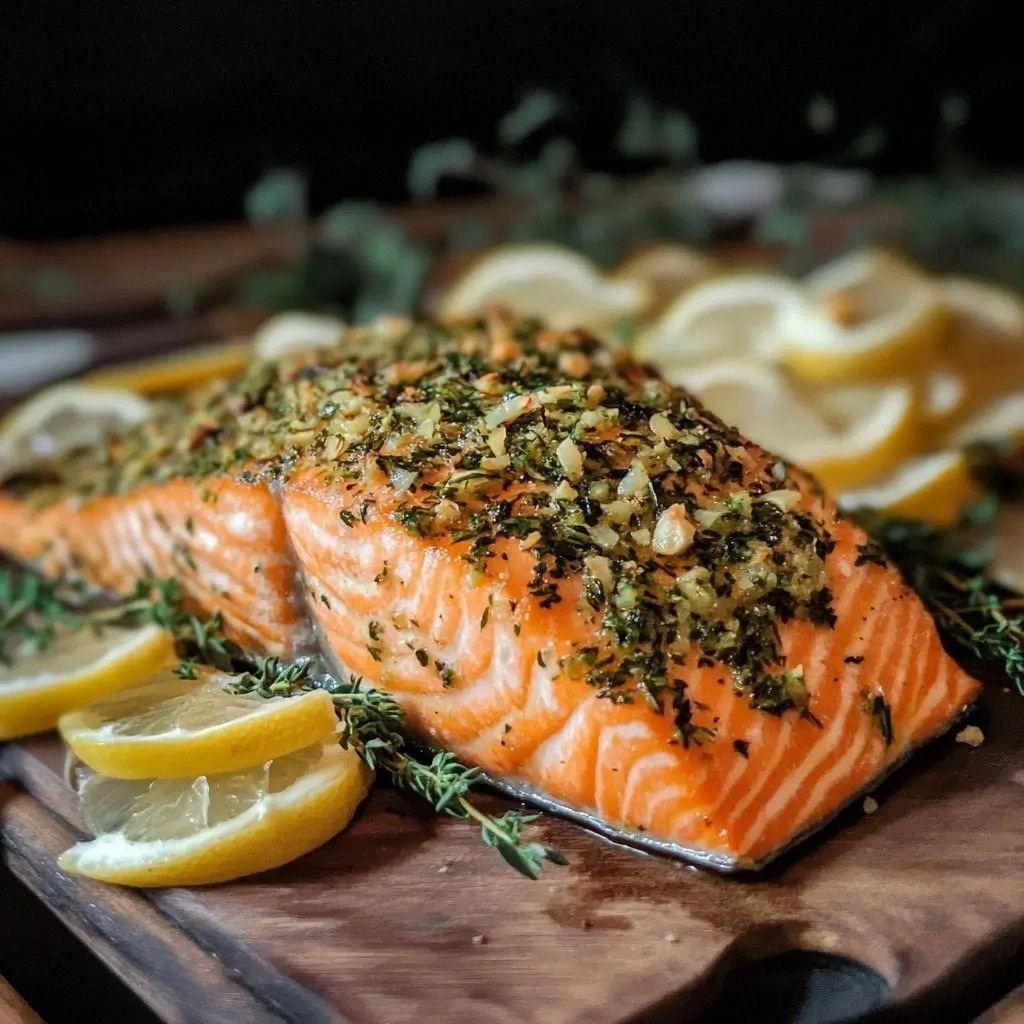
The Method — Step by Step
- Preheat your oven to 400°F (200°C). Line a baking sheet with parchment paper for easy cleanup. This temperature ensures the crust crisps without overcooking the fish. Keep an eye on the timer—overcooking can dry out the salmon.
- In a small bowl, whisk together 2 tablespoons of olive oil, 1 tablespoon of Dijon mustard, and 1 tablespoon of melted butter. This mixture forms the flavorful base that will coat the fillets. The butter adds richness, while the mustard provides a subtle kick. Whisk until fully blended.
- Pat the salmon fillets dry with paper towels. A dry surface allows the coating to stick better. Then brush each fillet generously with the butter‑mustard mixture. Make sure the coating covers every inch for even flavor distribution. This step is crucial for a moist interior.
- In a shallow dish, combine 1 cup of toasted panko, 1/2 cup of grated Parmesan, 2 tablespoons each of chopped parsley, dill, and thyme, 1 clove of minced garlic, and the zest of one lemon. Mix until the herbs and garlic are evenly distributed. The lemon zest will add brightness, while the garlic offers a savory punch. Stir gently to keep the crumbs from clumping.
- Press the breadcrumb mixture onto each fillet, ensuring a thick, even layer. The crust should be about 1/2 inch thick. Use your fingertips to press it firmly; this helps the crust adhere during cooking. The thicker the crust, the more substantial the bite.
- Place the coated fillets on the prepared baking sheet, skin side down. Bake for 12-15 minutes, or until the crust is golden and the fish flakes easily with a fork. The internal temperature should reach 145°F (63°C). Keep an eye on the crust—it should be crisp, not burnt.
- Remove the salmon from the oven and let it rest for 3 minutes. Resting allows the juices to redistribute, keeping the fish moist. This short pause also lets the crust firm up slightly, making it easier to slice. A quick rest is often overlooked but makes a big difference.
- Serve immediately with a wedge of lemon and a sprinkle of fresh herbs on top. Pair it with roasted vegetables or a light salad for a balanced meal. The bright lemon garnish enhances the dish’s citrus notes. Enjoy the crunch and the melt-in-your-mouth texture.
That's it — you did it. But hold on, I've got a few more tricks that'll take this to another level…
Insider Tricks for Flawless Results
The Temperature Rule Nobody Follows
Many cooks bake salmon at a lower temperature, thinking it will keep the fish moist. In reality, a higher oven temperature (400°F) creates a crisp crust without drying out the interior. If you’re using a convection oven, lower the temperature by 25°F to prevent overcooking. This small tweak ensures the perfect balance of texture.
Why Your Nose Knows Best
When the crust begins to brown, the aroma signals that the fish is nearly done. Trust your nose; it’s a reliable indicator of doneness. The scent of toasted breadcrumbs and melted butter is unmistakable. This sensory cue saves you from guessing and reduces the risk of overcooking.
The 5-Minute Rest That Changes Everything
Letting the salmon rest after baking allows the juices to redistribute, preventing them from spilling onto the plate. This simple pause also lets the crust firm up, making slicing cleaner. Many people skip this step, resulting in a soggy crust. Incorporate this habit for a polished presentation.
Use a Non-Stick Baking Sheet
A non-stick sheet ensures the crust doesn’t stick, making cleanup a breeze. It also helps the fillets cook evenly, as the heat distribution is more consistent. If you don’t have one, line a regular sheet with parchment paper. This alternative still works well.
Add a Splash of White Wine
Just before baking, drizzle a tablespoon of dry white wine over the fillets. The wine adds a subtle acidity that balances the richness of the crust. It also imparts a fragrant aroma that permeates the dish. This trick is simple yet transformative.
Creative Twists and Variations
Mediterranean Twist
Swap the panko for a mix of chopped sun‑dried tomatoes and feta cheese. The tomatoes add a sweet, umami burst, while the feta introduces a tangy creaminess. This version pairs beautifully with a Greek salad. It’s a flavor adventure that feels both familiar and exotic.
Asian Fusion
Replace the Parmesan with toasted sesame seeds and add a drizzle of soy sauce to the breadcrumb mix. The sesame seeds give a nutty crunch, and the soy sauce introduces a savory depth. Serve over jasmine rice for a complete meal. This twist takes the dish from Western comfort to Asian delight.
Spicy Kick
Incorporate a pinch of red pepper flakes into the breadcrumb mixture. The flakes provide a subtle heat that balances the buttery crust. Pair with a cooling cucumber yogurt sauce to offset the spice. This variation is perfect for those who like a little bite.
Cheesy Extravaganza
Add shredded mozzarella to the breadcrumb blend for a gooey, melty center. The mozzarella melts into the crust, creating a decadent texture. Serve with a side of marinara for a pizza‑inspired experience. This version is a crowd‑pleaser at family gatherings.
Herb‑Infused Butter
Melt butter with a handful of fresh herbs and use it to coat the fillets before adding the breadcrumb crust. The herb butter infuses the fish with a deep flavor that permeates the crust. This technique enhances the overall aroma and richness. It’s a simple swap that elevates the dish.
Lemon‑Garlic Glaze
Create a glaze by combining lemon juice, minced garlic, and a touch of honey. Brush this glaze over the fillets before baking. The glaze caramelizes, giving the crust a glossy, sweet‑savory finish. This variation offers a bright, tangy contrast to the buttery base.
Storing and Bringing It Back to Life
Fridge Storage
Store leftovers in an airtight container for up to 3 days. The crust may soften over time, but it remains tasty. To maintain crispness, reheat in a preheated oven at 350°F for 5 minutes before serving. This quick reheat restores the crunch.
Freezer Friendly
Freeze unbaked fillets coated with the breadcrumb mixture for up to 2 months. Wrap tightly in parchment and foil before placing in a freezer bag. Thaw in the refrigerator overnight before baking at 400°F for 12 minutes. The crust remains crisp after reheating.
Best Reheating Method
The oven is the best method to revive the crust’s crunch. If you’re short on time, use a toaster oven or a skillet to warm the fillets. Add a splash of water to the pan to create steam, preventing the fish from drying out. Finish with a quick sear to restore the golden exterior.