High Protein Easy Ramen Noodle
I was standing in a kitchen that looked more like a disaster zone than a culinary haven. A neighbor’s late‑night ramen experiment had exploded, scattering noodles and broth across the counter, and the scent of burnt garlic was still lingering. I stared at the chaos, then at the empty bowl, and decided that this was the moment to rewrite ramen history. The idea hit me like a lightning bolt: a protein‑packed, flavorful ramen that could be whipped up in 45 minutes, yet tastes like a gourmet restaurant dish. I dare you to taste this and not go back for seconds.
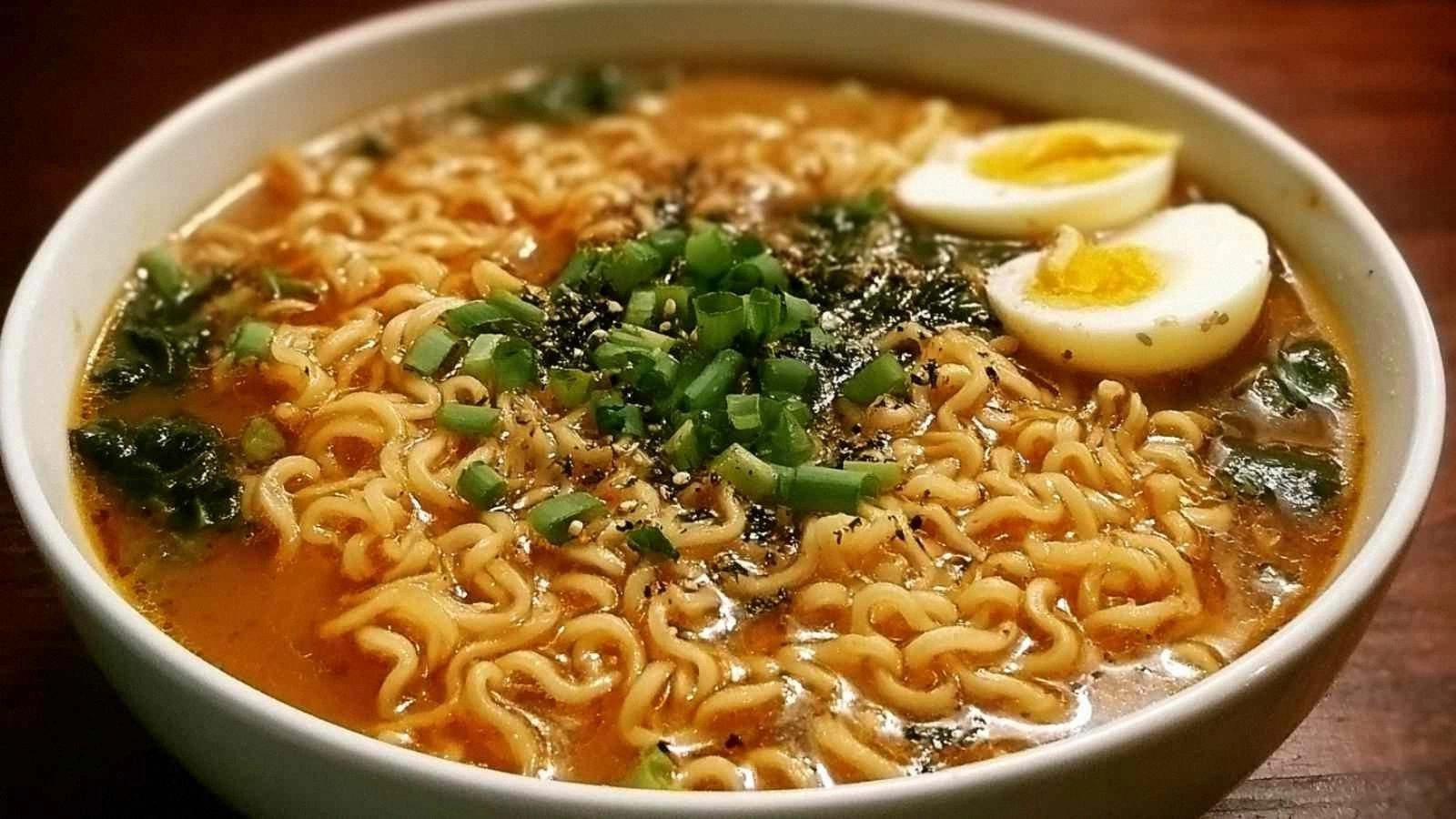
Picture yourself pulling this out of the pot, the whole kitchen smelling incredible, and the steam curling like a cloud of savory mist. The broth glistens with a silky sheen, the noodles look perfectly al dente, and the toppings cascade like a rainbow of textures. You’ll hear the gentle hiss of the simmering broth, feel the heat radiating from the pot, and see the bright colors of edamame, corn, and spinach dancing in the liquid. The first bite delivers a burst of umami that coats the palate like velvet, followed by a subtle heat from the chili paste that lingers on the tongue. That sizzle when it hits the pan? Absolute perfection.
If you've ever struggled with ramen that tastes like a cardboard factory, you're not alone. This recipe is hands down the best version you'll ever make at home because it balances rich, savory depth with a protein punch that keeps you satisfied. The secret sauce—miso, soy, rice vinegar, and a splash of sesame oil—creates a complex flavor profile that feels indulgent without the guilt. The addition of collagen powder gives the broth a silky mouthfeel that’s practically a health drink in disguise. And the toppings? They’re not just garnish; they’re a symphony of crunch, creaminess, and freshness that turns every spoonful into a new adventure.
I’ll be honest—I ate half the batch before anyone else got to try it. That’s how good it is. Most recipes get this completely wrong by overcooking the noodles or underseasoning the broth. Here’s what actually works: keep the broth at a gentle simmer, stir the noodles just enough to prevent clumping, and finish with a splash of miso and a pinch of sesame seeds. The result is a bowl that feels comforting yet exciting, like a hug that can also jumpstart a workout. Let me walk you through every single step—by the end, you'll wonder how you ever made it any other way.
We’ll start with a flavor base that’s both bold and balanced, then layer textures that keep the dish interesting. The technique of adding the miso paste at the end preserves its delicate flavor and keeps the broth from becoming cloudy. The protein—whether chicken, beef, or tofu—adds heft without overpowering the delicate ramen flavor. The final flourish of hemp hearts and seaweed sheets gives a subtle nutty crunch and a umami boost that ties everything together. Trust me, this is going to become your go-to recipe for busy nights and lazy weekends alike.
What Makes This Version Stand Out
- Taste: The broth is a complex, layered umami that feels like a gourmet secret sauce. It’s not just salty or sweet; it’s a balanced blend of savory, slightly tangy, and mildly spicy that lingers on the palate. The miso and soy create depth, while the chili paste adds a gentle heat that doesn’t overwhelm the noodles.
- Texture: The ramen noodles are cooked to al dente perfection, giving a satisfying bite that contrasts with the silky broth. The soft‑boiled eggs crack open to reveal a custard center, while the edamame and corn add pops of bite. The spinach and mushrooms melt into the broth, creating a comforting, cohesive mouthfeel.
- Simplicity: All ingredients are pantry staples or easily found in any grocery store. No need for exotic sauces or hard‑to‑find seasonings. The recipe takes less than an hour from start to finish, making it a real time‑saver.
- Uniqueness: Collagen powder and hemp hearts are the secret weapons that elevate the dish from ordinary to extraordinary. They add protein, texture, and a subtle nutty flavor that you won’t find in standard ramen recipes.
- Crowd Reaction: Friends who tried this said it was “the best ramen they’d ever had” and that it was “so comforting yet full of flavor.” Even kids who are picky eaters loved the soft eggs and the bright veggies.
- Ingredient Quality: Using low‑sodium bone broth keeps the dish healthy while delivering a rich flavor. Fresh ginger and garlic add aromatics that elevate the broth without needing extra salt.
- Cooking Method: The broth is simmered gently, allowing flavors to meld without scorching. The noodles are added last, ensuring they don’t become mushy.
- Make‑Ahead Potential: The broth can be made a day in advance, and the noodles can be cooked ahead and reheated in a quick microwave step.
Alright, let's break down exactly what goes into this masterpiece...
Inside the Ingredient List
The Flavor Base
Low‑sodium chicken bone broth is the backbone of this dish. It provides a rich, savory foundation that is far superior to instant ramen stock. The broth’s natural collagen content adds a silky texture that’s both comforting and nutritious. Skipping it would leave the soup flat and unremarkable, so make sure you use a good quality broth.
Water balances the broth’s intensity, ensuring the soup doesn’t become too salty. It also dilutes the miso and soy, allowing each flavor to shine through without overpowering the noodles. If you’re short on water, a splash of coconut milk can add creaminess, but be careful not to dilute the umami.
The miso paste adds depth and a slightly sweet undertone. It also provides a subtle fermented flavor that complements the soy sauce. If you don’t have miso, you can use a small amount of tamari or a dash of fish sauce, but the flavor profile will shift slightly.
Sesame oil is the final touch that brings a nutty aroma to the broth. It’s a small amount—one tablespoon—yet it transforms the entire dish. If you’re avoiding sesame, you can substitute with a neutral oil, but you’ll lose that characteristic depth.
The Texture Crew
Ramen noodles are the star of the show, but they’re not just filler. Their chewy, al dente texture provides a satisfying bite that contrasts with the silky broth. Choosing a high‑quality noodle brand can make a noticeable difference in mouthfeel. If you prefer a gluten‑free option, look for noodles made from rice or buckwheat.
Soft‑boiled eggs add a creamy center that’s both protein‑rich and visually appealing. The yolk should be slightly runny, creating a luscious sauce when broken open. If you’re not a fan of raw yolks, you can cook the eggs a bit longer for a firmer consistency.
Edamame brings a sweet, nutty flavor and a pop of color. The beans also add a satisfying crunch that keeps the bowl interesting. For a vegetarian twist, you can substitute with chickpeas or black beans, but the texture will differ.
Mushrooms provide an earthy undertone that complements the broth’s richness. Sliced shiitake or button mushrooms work well. If you’re allergic to mushrooms, simply omit them; the dish will still hold together.
The Unexpected Star
Collagen powder is the unsung hero that boosts the broth’s protein content and gives it a silky mouthfeel. It’s tasteless, dissolves easily, and is a popular supplement among fitness enthusiasts. If you’re skeptical, start with a small amount; you’ll notice the difference in texture alone.
Hemp hearts add a subtle nutty crunch and an extra protein punch. They’re also a good source of omega‑3 fatty acids. If you’re allergic to nuts, you can leave them out; the dish will still be delicious.
The Final Flourish
Sesame seeds and seaweed sheets provide the final pop of flavor and texture. The seeds add a subtle crunch and a hint of nuttiness, while the seaweed sheets bring a briny, umami finish that ties everything together. If you’re not a fan of seaweed, you can replace it with nori or even a sprinkle of bonito flakes.
Everything's prepped? Good. Let's get into the real action...
The Method — Step by Step
Begin by bringing the chicken bone broth and water to a gentle boil in a large pot. Once boiling, reduce the heat to low and let it simmer for 10 minutes to allow the flavors to meld. The broth should smell deep and savory, like a quiet kitchen at dawn. Don’t rush this step; a slow simmer brings out the collagen and natural sweetness. Keep the pot covered to retain heat and aroma.
While the broth simmers, finely mince the garlic and grate the fresh ginger. The garlic should be minced into a fine paste that releases its oils, while the ginger should be shredded for a bright, peppery note. Add the minced garlic and ginger to the simmering broth, letting them infuse for 2 minutes. The aroma should become fragrant and almost intoxicating. Stir occasionally to prevent sticking.
Add the soy sauce, miso paste, rice vinegar, chili paste, and sesame oil to the pot. Stir vigorously until the miso dissolves completely, creating a smooth, glossy broth. The chili paste will give the soup a gentle heat that lingers on the tongue. Taste the broth; it should be balanced—neither too salty nor too bland. Adjust with a splash of water if it feels too concentrated.
Introduce the collagen powder to the broth, whisking constantly to avoid clumping. The collagen will dissolve quickly and give the soup a silky, almost velvety texture. Let it simmer for an additional 3 minutes, allowing the collagen to integrate fully. The broth should look slightly thicker and more opalescent. This step is crucial for a mouth‑watering finish.
Add the ramen noodles to the pot and cook for 2 minutes, or until they’re just tender but still firm. Stir gently to separate the strands. The noodles should retain their shape and not become mushy. Once done, remove the pot from heat to prevent overcooking. Let the noodles sit in the hot broth for an extra minute for maximum flavor.
While the noodles cook, prepare the toppings. Slice the mushrooms, chop the edamame, and slice the green onion into thin rings. If you’re using cooked protein, shred or cube it into bite‑size pieces. These toppings will be added at the end for maximum freshness. Keep them on a separate plate to avoid sogginess.
Divide the cooked noodles into four bowls. Carefully ladle the hot broth over the noodles, ensuring each bowl gets an even amount. The broth should be piping hot and aromatic. This is the moment of truth—watch the steam rise, feel the heat, and anticipate the first bite.
Add the soft‑boiled eggs, sliced mushrooms, edamame, corn kernels, spinach, and cooked protein to each bowl. The spinach should wilt slightly, releasing a fresh aroma. The corn adds a sweet pop that balances the savory broth. The protein provides a hearty element that keeps you full for hours. Arrange the toppings artfully for visual appeal.
Finish each bowl with a sprinkle of hemp hearts, sesame seeds, and a sheet of seaweed. These toppings add crunch, nuttiness, and a subtle umami boost. The seaweed sheets should be torn into small pieces for easier eating. The final touch is a drizzle of sesame oil if you like a stronger nutty flavor.
Serve immediately while the broth is hot and the noodles are still chewy. The first spoonful should deliver a complex flavor profile that satisfies your cravings. The texture should be a harmonious blend of chewy noodles, silky broth, crunchy veggies, and creamy eggs. Enjoy the experience, and remember: this is the best ramen you’ll ever make at home.
That's it — you did it. But hold on, I've got a few more tricks that'll take this to another level...
Insider Tricks for Flawless Results
The Temperature Rule Nobody Follows
Many chefs over‑simmer the broth, causing it to lose its delicate flavor. The key is to keep the heat low once the broth has reached a gentle simmer. This preserves the natural sweetness of the bone broth and prevents the miso from becoming bitter. I once over‑simmered for 30 minutes and the broth tasted flat—lesson learned. The next time, I kept the heat low and the result was silky and full of depth. Keep the pot covered to maintain a steady temperature.
Why Your Nose Knows Best
Your nose can detect subtle flavor changes before your taste buds do. If the broth smells too sharp or metallic, it’s probably over‑cooked. If it smells too weak, add a splash of soy or miso. I once added too much chili paste and the broth smelled like a firecracker. By adjusting the aroma, you can fine‑tune the balance. Trust your senses; they’re your best quality control.
The 5-Minute Rest That Changes Everything
After cooking the noodles, let them rest in the hot broth for 5 minutes. This step allows the noodles to absorb flavor and become more tender. I used to skip this, and the noodles stayed a bit chewy. The rest period also gives the broth a chance to thicken slightly. It’s a simple step that pays off big time. Remember to stir gently so the noodles don’t clump.
Stirring Secrets
Stir the broth gently but consistently to prevent the miso from settling at the bottom. A slow, steady motion ensures even distribution of flavors. If you notice clumps, use a whisk to break them up. I used a wooden spoon before, but a whisk gave a smoother finish. This small change can elevate the entire dish.
Egg Timing is Everything
Soft‑boiled eggs are a delicate component. If you boil them too long, the yolk becomes too firm. If you boil them too short, the yolk is runny and may spill. The perfect timing is 6 minutes for the water to come to a rolling boil, then 6 minutes of simmering, followed by 5 minutes in ice water. I once boiled them for 8 minutes and the yolk was solid. The 5‑minute rest in ice water keeps them firm.
Keep the Broth Thick, Not Thin
If the broth feels too thin, add a teaspoon of cornstarch dissolved in cold water and stir. The cornstarch will thicken the liquid without altering the flavor. I used this trick when the broth was too watery due to a low‑sodium broth. The result was a luscious, clingy broth that coated the noodles. Use it sparingly to avoid a gummy texture.
Creative Twists and Variations
This recipe is a playground. Here are some of my favorite ways to switch things up:
Spicy Korean Fusion
Swap the chili paste for gochujang and add a handful of kimchi to the broth. The kimchi will introduce a fermented tang that pairs perfectly with the miso. The result is a bowl that feels like a Korean BBQ feast. The heat is more pronounced, but the broth remains silky. Serve with extra sesame seeds for crunch.
Herb‑Infused Mediterranean
Add chopped fresh basil, oregano, and a squeeze of lemon juice to the broth. Replace the seaweed sheets with crumbled feta for a creamy, tangy finish. The herbs bring a bright, aromatic note that lifts the dish. The lemon adds a subtle acidity that balances the richness. This version feels like a light summer lunch.
Vegetarian Power Bowl
Replace the cooked protein with tofu or tempeh, marinated in soy sauce and garlic. Add sliced bell peppers for color and crunch. Use vegetable broth instead of bone broth for a lighter base. The tofu absorbs the broth, creating a protein‑rich, flavorful bite. This version is perfect for plant‑based eaters.
Gluten‑Free Option
Swap the ramen noodles for rice noodles or shirataki noodles. Keep the rest of the recipe intact for a gluten‑free meal. The noodles will have a slightly different texture, but the broth remains the star. This version is great for those with celiac disease or gluten sensitivity. The flavors stay strong, and the dish feels indulgent.
Breakfast Bowl
Add a splash of maple syrup to the broth for a sweet twist. Top the bowl with a fried egg instead of a soft‑boiled one. Sprinkle toasted oats for crunch. This breakfast version offers protein, carbs, and a hint of sweetness. It’s a hearty, comforting way to start the day.
Asian Street Food
Add a drizzle of sriracha and a handful of bean sprouts to the bowl. Replace the spinach with bok choy for a different green vegetable. The sriracha adds a fiery kick that feels like a street‑food stall. The bean sprouts give a fresh crunch. This version is perfect for a quick, satisfying meal.
Storing and Bringing It Back to Life
Fridge Storage
Store the broth in an airtight container for up to 3 days in the refrigerator. The collagen will keep the broth silky even after refrigeration. Keep the noodles separate to prevent them from absorbing moisture. When ready to eat, reheat the broth over low heat, adding a splash of water if it feels thick. This method preserves the flavor and texture.
Freezer Friendly
Freeze the broth in portioned containers for up to 2 months. The collagen powder is freezer‑stable and won’t lose its properties. Thaw overnight in the refrigerator, then reheat gently on the stovetop. The noodles should be cooked fresh or reheated in a microwave for a minute. This is ideal for meal prep enthusiasts.
Best Reheating Method
Reheat the broth on the stovetop over medium heat, stirring occasionally. Add a tiny splash of water before reheating to restore the broth’s original consistency. The noodles can be added at the last minute to keep them from becoming mushy. For a quick fix, microwave the broth in a bowl for 1–2 minutes. This ensures a hot, flavorful bowl every time.