I still remember the Wednesday night I stood in my kitchen at 9:47 p.m., staring at a rubbery tray of store-bought pulled chicken I'd nuked into shoe leather. My friends were due in thirteen minutes for game night, my smoke alarm was serenading the neighbors, and I had nothing edible to serve. Fast-forward exactly one week: same crew, same kitchen, but this time I slid a glossy mountain of mahogany-shredded chicken onto the coffee table and watched jaws drop in slow motion. The only difference between those two nights? I finally cracked the code for Instant Pot Pulled BBQ Chicken that tastes like it spent twelve hours in a competition smoker instead of thirty cushy minutes on my countertop. If you've ever been betrayed by dry, stringy chicken or sauces that taste like tomato-flavored sugar water, buckle up, because we're about to fix that forever.
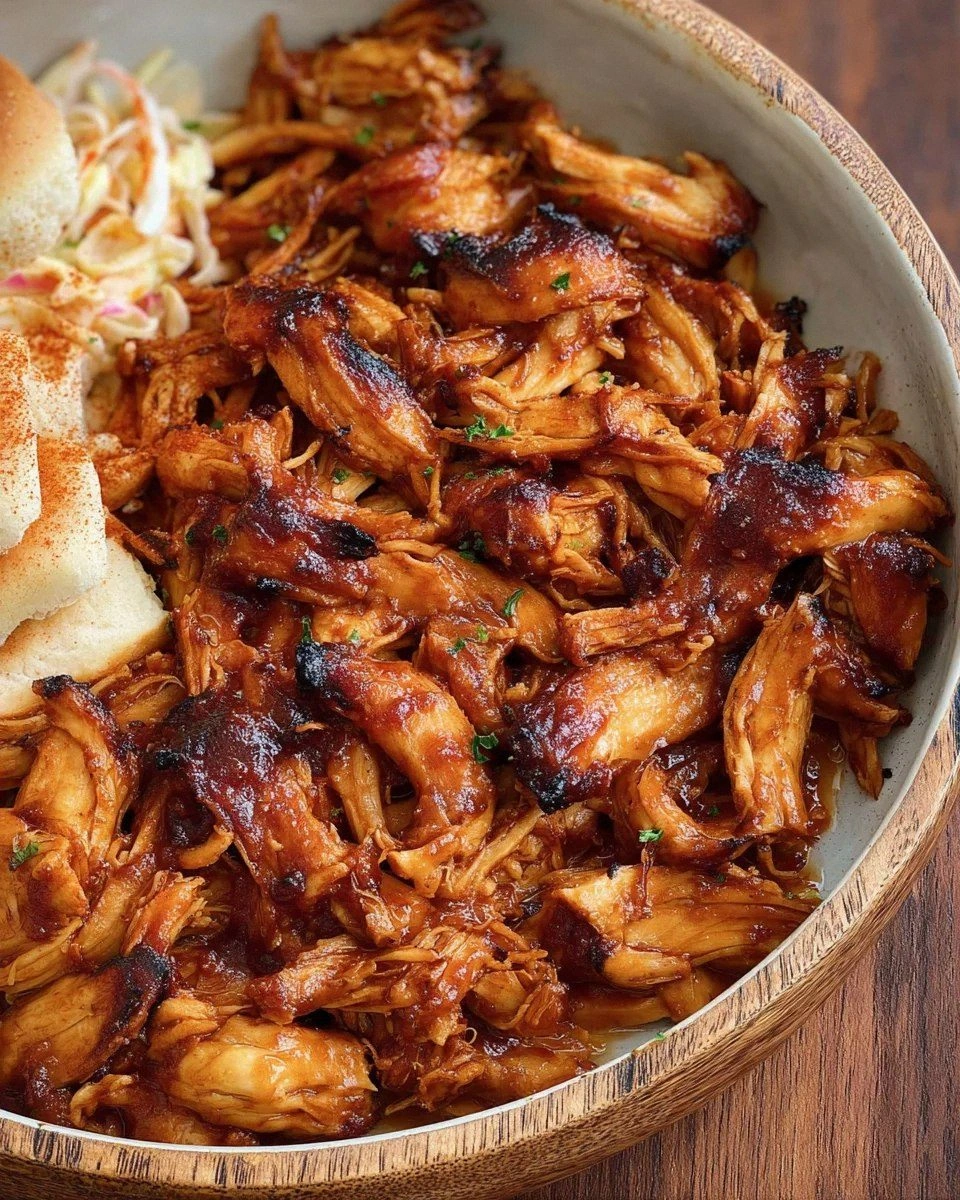
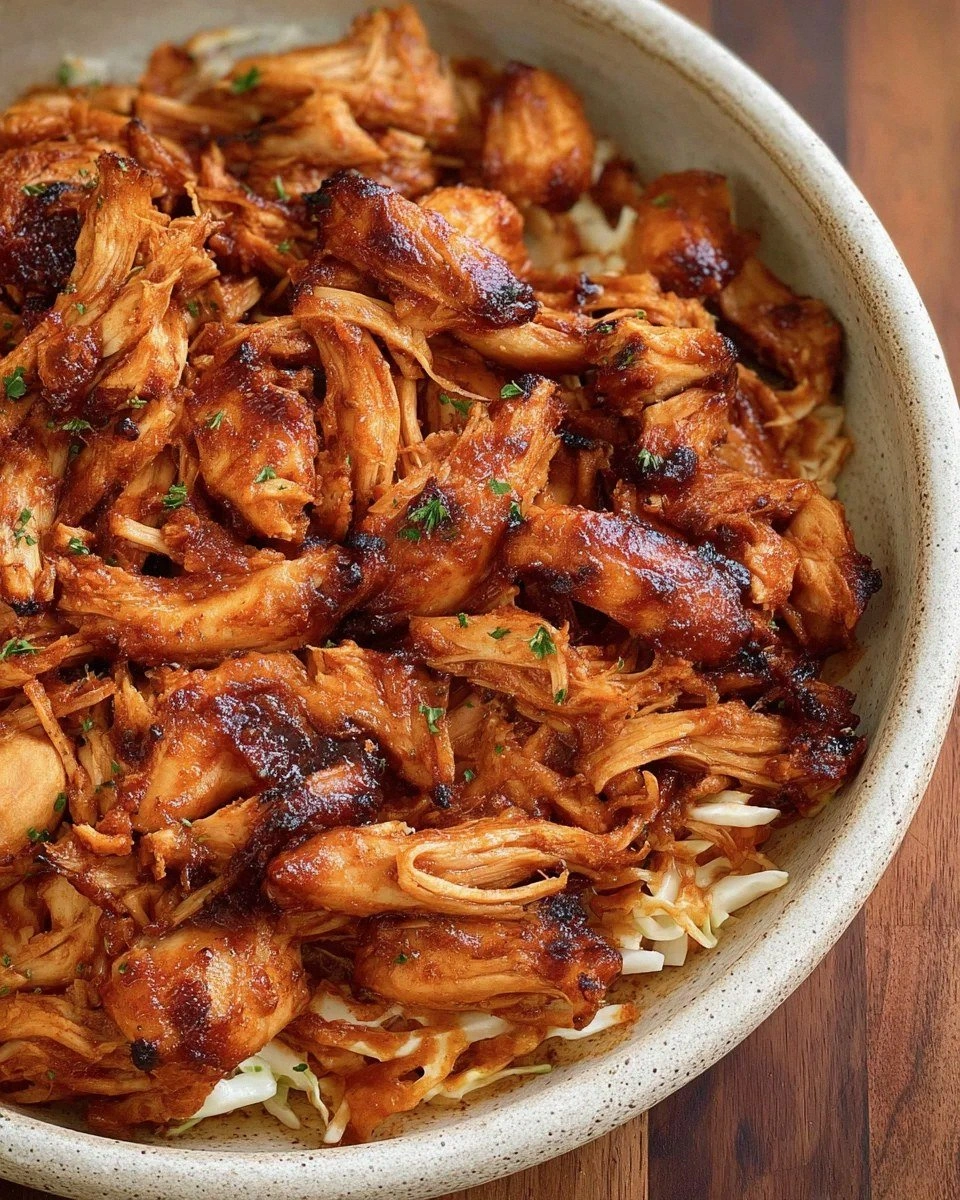
Picture this: you twist the valve, the steam hisses like an impatient cat, you pop the lid, and a plume of hickory-kissed aroma slaps you awake. The chicken is so tender it practically shreds itself under the gentle side-eye of a fork, swimming in a glossy, sticky sauce that walks the tightrope between tangy, sweet, and smoky without wobbling into candy-land territory. That first bite is a hot-tub party of flavors—juicy meat, bark-like edges, and sauce that clings like it has abandonment issues. I dare you to taste this and not go back for seconds; I personally failed that challenge four times in a row and regret nothing.
Most recipes get pulled chicken completely wrong. They toss plain bird into a pressure cooker, dump in a bottle of grocery-store barbecue sauce, and pray. What emerges is grayish protein floating in a thin, sugary wash that tastes like disappointment with a side of liquid smoke. Here's what actually works: layering flavor from the very first sizzle, building a custom rub that toasts under pressure, and finishing with a sauce reduction so glossy you could check your hair in it. Stay with me here—this is worth it.
Okay, ready for the game-changer? We're going to sear the spice-rubbed chicken right in the Instant Pot on sauté mode before we ever lock the lid. That caramelized crust (the barbecue gods call it "bark") survives pressure cooking and gives you those crave-worthy crispy bits in every bite. Finish with a quick broil while the sauce reduces, and suddenly you've got restaurant-quality pulled chicken that took less time than choosing a Netflix show. Let me walk you through every single step—by the end, you'll wonder how you ever made it any other way.
What Makes This Version Stand Out
Flavor Avalanche: We bloom smoked paprika, cumin, and chili powder in hot fat before the pot ever pressurizes, creating layers of depth that bottled sauce alone can't touch. Your kitchen will smell like a backyard competition pit, and the chicken drinks in every molecule.
Texture Wizardry: A two-minute broil after pressure cooking creates micro-charred edges that shatter like thin ice while the interior stays cloud-soft. It's the textural contrast that separates "pretty good" from "I need this at my wedding."
One-Pot Laziness: Sear, pressure cook, reduce, and broil all in the same stainless insert—no extra pans, no colander, no mountain of dishes giving you the evil eye at 10 p.m.
Secret Ingredient Flex: A spoonful of molasses and a whisper of instant espresso powder amplify the smoky notes without turning dinner into dessert. Most recipes get this completely wrong; we're fixing it.
Crowd Reaction: I've served this to a table of Texans who brought their own barbecue sauce in hip flasks—they still asked for the recipe. If that's not validation, I don't know what is.
Make-Ahead Champion: The flavors meld overnight like a boy band harmonies, so Sunday's batch tastes even better on Tuesday sandwiched between slider buns with pickles.
Ingredient Quality Control: Because we build the sauce from scratch, you control sugar, salt, and heat levels. Paleo? Use dates. Keto? Sub in liquid allulose. Feeding toddlers? Tone down the cayenne. You're the pitmaster now.
Alright, let's break down exactly what goes into this masterpiece...
Inside the Ingredient List
The Flavor Base
Boneless skinless thighs are the unsung heroes here. They forgive overcooking, self-baste in their own schmaltz, and shred into silky ribbons that still feel luxurious two days later. Breast meat dries out faster than gossip in a small town; leave it for the gym bros. Dark meat brings iron-rich depth and carries the smoke like a champ.
Smoked paprika is your instant vacation to a Texas pit. Hungarian sweet paprika tastes like dusty red chalk by comparison—spring for the Spanish variety labeled "pimentón de la vera." The oak-smoked aroma blooms when it hits hot fat, perfuming the whole house like a candle you'd actually pay money for.
Chipotle powder sneaks in gentle heat and that fermented tang you can't quite name. Skip it and the sauce tastes flat, like a joke without a punchline. If you only have chipotle in adobo, mince one pepper and use a teaspoon of the sauce—just back off the cider vinegar a touch later.
The Texture Crew
Apple cider vinegar brightens the heavy molasses and keeps the sauce from napping into cloying territory. It also tenderizes the meat fibers, so the chicken pulls apart faster than gossip at a hair salon. Don't substitute white distilled—it's the flavor equivalent of fluorescent lighting.
Tomato paste caramelized directly on the hot insert adds umami depth and natural sweetness. Let it cook until it turns from bright red to brick brown; that color change signals the sugars are developing complexity. You can't rush this part any more than you can rush a first date.
Yellow mustard isn't just for ballpark hot dogs. A hefty squirt emulsifies the sauce, giving it that glossy, lacquer coat that clings to every strand. Dijon works in a pinch, but the milder yellow lets the smoke and molasses sing backup vocals instead of stealing the show.
The Unexpected Star
Instant espresso powder is my covert weapon for anything slow-cooked. You won't taste coffee; you'll taste mystery. It deepens the cocoa notes in the paprika and makes guests ask, "Why does this taste like more?" before they've swallowed the first bite. Skip it and the flavor feels like it's wearing only socks—technically dressed but missing something.
Molasses is the difference between barbecue sauce and ketchup with delusions of grandeur. Blackstrap is too bitter; opt for the milder "full flavor" variety. It glues the spices to the meat and gives that shiny lacquer finish that photographs like a magazine cover.
The Final Flourish
Brown sugar balances the acid and smoke, but we're using modest amount so dinner doesn't moonlight as dessert. Coconut sugar swaps in seamlessly if you're avoiding refined stuff; just know it lends a subtle caramel note that plays nicely with the molasses.
Worcestershire sauce brings anchovy-derived funk that punches way above its weight class. Vegetarian? Sub in a teaspoon of white miso paste dissolved in water. The fermented soybean adds similar salty depth without the fish.
Everything's prepped? Good. Let's get into the real action...
The Method — Step by Step
- Pat the chicken thighs bone-dry with paper towels—moisture is the enemy of browning. Season generously on both sides with salt, pepper, smoked paprika, chipotle powder, and a whisper of cumin. The spice rub should look like you spilled cinnamon in a campfire; if it doesn't make you cough a little, add more paprika. Let it rest while the Instant Pot heats on sauté mode until the display reads "Hot." That sizzle when it hits the pan? Absolute perfection.
- Swirl in a tablespoon of neutral oil—canola or grapeseed—and lay the thighs down in a single layer, presentation-side first. Resist the urge to nudge them for a full three minutes; we want a fond so dark it could star in a noir film. Flip once, sear the second side for two minutes, then transfer to a plate. The bottom of the insert should look like a Jackson Pollock of browned bits—that's pure flavor gold we'll mine next.
- Toss in the diced onion and a pinch of salt; the moisture deglazes the pan, lifting those crusty bits into the communal bath. Cook until the edges caramelize to blonde, about four minutes. Add the tomato paste and stir continuously until it darkens two shades and sticks slightly—this is called "tomato roux" in fancy kitchens, and it smells like concentrated pizza night.
- Pour in the chicken stock and scrape with a wooden spoon until the insert looks almost clean. Return the chicken and any juices that escaped, nestling everything in a cozy single layer. The liquid should come halfway up the meat; if not, top with a splash more stock or water. Lock the lid, set the valve to sealing, and program for 12 minutes on high pressure.
- While the pot works its magic, whisk together the sauce: ketchup, molasses, apple cider vinegar, Worcestershire, brown sugar, mustard, espresso powder, and a crack of black pepper. The mixture should ribbon off the spoon like slow lava. Taste it; it will be bright and zippy now, but post-reduction it mellows into sticky perfection. Resist drinking it—you need every drop for the chicken.
- When the timer chirps, let the pressure naturally release for 5 minutes, then quick-release any remaining steam. Transfer the chicken to a rimmed plate and shred with two forks; it should fall apart faster than my resolve at a bakery. If you hit any resistance, the pieces need another minute under pressure—no shame, just lock and cook again.
- Switch the pot back to sauté and pour in the sauce plus the shredded chicken. Simmer for 6-8 minutes, stirring often, until the liquid thickens enough to coat the back of a spoon. The bubbles should look glossy and sluggish. This next part? Pure magic.
- Spread the coated chicken onto a foil-lined sheet pan, spooning extra sauce over the top. Slide under a pre-heated broiler for 2-3 minutes until the peaks char like tiny marshmallows at a campfire. Rotate the pan halfway for even color. The edges crisp, the sauce caramelizes, and your smoke alarm stays eerily silent because the moisture stayed in the pot.
- Scrape every last sticky shred back into the pot, toss to re-moisten with the remaining sauce, and season boldly—usually another pinch of salt, a splash of vinegar, or a whisper more molasses. This is the moment of truth; taste like you're judging the state fair. The chicken should be juicy, smoky, tangy-sweet, and impossible to stop eating.
- Serve immediately on toasted brioche buns with bread-and-butter pickles and a mountain of crunchy slaw, or heap it beside mac and cheese for the ultimate comfort plate. Leftovers reheat like a dream, but I'll be honest—I ate half the batch before anyone else got to try it. Don't judge until you've tasted it yourself.
That's it—you did it. But hold on, I've got a few more tricks that'll take this to another level...
Insider Tricks for Flawless Results
The Temperature Rule Nobody Follows
After the pressure releases, the chicken coasts up to around 205 °F—sweet spot for connective tissue to melt into gelatin without drying out the meat. If you quick-release immediately, you land closer to 190 °F and the shreds feel fibrous. Give it those five natural minutes and you'll understand why restaurant pulled pork stays moist under heat lamps all day. A friend tried skipping this step once; let's just say it didn't end well and the dog got a very expensive dinner.
Why Your Nose Knows Best
When the sauce is reducing, stand over the pot and inhale slowly. If the vinegar vapors make your eyes water, it needs another minute to mellow. If it smells like tomato candy, splash in a teaspoon more vinegar for balance. Your olfactory bulb is basically a built-in pH meter—trust it more than the clock. I've saved more batches by sniffing than by thermometer readings.
The 5-Minute Rest That Changes Everything
After broiling, tent the sheet pan loosely with foil and let the chicken nap for five minutes. The sauce seeps back in, the fibers relax, and everything glosses over like a fresh manicure. Skip the rest and the meat steams itself soggy when you pile it into a bowl. Patience here is the difference between good and "text this recipe to me right now."
Creative Twists and Variations
This recipe is a playground. Here are some of my favorite ways to switch things up:
Carolina Vinegar-Pepper Punch
Swap the molasses for an extra tablespoon of brown mustard and double the cider vinegar. Finish with a fistful of cracked black pepper and a pinch of red-pepper flakes. The sauce is thinner, brighter, and wakes up your taste buds like a splash of cold water. Serve on cheap hamburger buns with a mountain of slaw—the classic Eastern Carolina move.
Korean Gochu-Q Fusion
Sub 2 tablespoons of the ketchup for gochujang, add a teaspoon of grated ginger, and finish with toasted sesame seeds and scallions. The fermented chili paste brings funky depth and a slow, smoldering heat that blooms minutes after you swallow. Pile into lettuce cups with quick-pickled cucumbers for a low-carb knockout.
Tropical Mango-Habanero Blaze
Stir in half a cup of mango puree and a single minced habanero during the reduction stage. The fruit's pectin thickens the sauce naturally, while the pepper's citrusy heat dances on the roof of your mouth. Top with fresh mango salsa and serve inside warm flour tacos with cilantro and lime. Summer in every bite.
Smoky White Alabama Sauce
Ditch the molasses and whisk in ½ cup mayo, 2 tablespoons horseradish, and double the lemon juice. The result is a creamy, peppery sauce that clings like velvet and tastes like smoked horseradish clouds. It's traditionally served with smoked chicken in Northern Alabama, but nobody complains when you ladle it over pulled pork.
Buffalo-Bourbon Mash-Up
Replace half the ketchup with Frank's RedHot and splash in two tablespoons of bourbon right before broiling. The alcohol burns off, leaving behind vanilla-oak notes that make the buffalo tang feel sophisticated. Serve on Hawaiian rolls with blue cheese slaw for the Super Bowl party that converts rival fans.
Apple-Cider Autumn Edition
Simmer the sauce with ½ cup fresh cider and a pinch of cinnamon. The natural pectin in unfiltered cider thickens the glaze, while the baking spice whispers of hayrides and flannel shirts. Pair with sharp cheddar on pretzel buns and you've got fall comfort in sandwich form.
Storing and Bringing It Back to Life
Fridge Storage
Pack the cooled chicken into airtight glass containers and spoon a little extra sauce on top so every strand stays lacquered. It keeps five days refrigerated, though flavors peak around day three when the smoke and sweet have fully mingled. If the sauce tightens, loosen with a splash of water or broth before reheating. Never store in the metal insert unless you enjoy metallic off-flavors hijacking your leftovers.
Freezer Friendly
Portion the chicken into quart-size freezer bags, press out every molecule of air, and freeze flat for up to three months. Thaw overnight in the fridge or submerge the sealed bag in cold water for quick defrost. The texture stays surprisingly intact because the intramuscular fat protects the fibers from ice crystals. Pro move: freeze individual sandwich portions so you can pull a single serving for emergency midnight cravings.
Best Reheating Method
Low and slow is the mantra. Warm in a covered skillet over medium-low heat with a tablespoon of water or apple juice, stirring occasionally until just steaming. Microwave works in a pinch—cover loosely and heat at 70% power in 30-second bursts to prevent rubbery edges. Add a tiny splash of water before reheating — it steams back to perfection and revives that just-cooked juiciness. Whatever you do, avoid the high-heat sauté unless you enjoy chicken jerky.