I was standing in my kitchen on a rainy Tuesday, staring at a half‑finished cheesecake that looked more like a soggy brick than a dessert. I had tried three different no‑bake recipes, and each one ended up either grainy, watery, or just plain bland. The timer ticked, the rain drummed on the windows, and I thought, “If I don’t nail this now, I’ll never get rid of the craving for that caramel‑spiced, cookie‑crunch heaven.” I grabbed a bag of Biscoff cookies, a tub of the famous spread, and a giant block of cream cheese, and the rest of the world fell away. The kitchen smelled like a bakery in the middle of a storm, the buttery scent of melted butter mingling with the warm, spicy notes of Biscoff, and I felt a spark of excitement that only a true dessert‑danger mission can ignite.
The first bite of the finished cheesecake was a revelation: the crust was buttery and crisp, the filling was silk‑smooth with a subtle tang, and the Biscoff flavor sang like a choir of caramelized gingerbread men. I dared you to taste this and not go back for seconds – I’m willing to bet you’ll be the one who steals the last slice while everyone else is still looking for a fork. Most no‑bake recipes get this completely wrong, either because they over‑whip the cream or they forget the crucial layer of Biscoff spread that locks in that signature spice. This version, however, uses a secret technique that keeps the filling airy yet stable, and it’s all without an oven.
What really sets this cheesecake apart is the double‑layer of Biscoff goodness. First, the crust is built from crushed Biscoff cookies and melted butter, creating a base that’s crunchy enough to hold its own against the rich filling. Then, the filling itself gets a swirl of Biscoff spread mixed with instant pudding, which adds a depth of flavor you won’t find in any store‑bought version. I’ll be honest — I ate half the batch before anyone else got to try it, and that’s because the texture is so addictive it feels like eating a cloud that’s been kissed by caramel.
And now the fun part: the technique that makes this cheesecake a true crowd‑pleaser. Instead of the usual “just mix and chill” method, we’ll fold the cream cheese and powdered sugar until they’re whisper‑smooth, then gently fold in whipped heavy cream for that light, airy lift. The instant pudding mix acts like a stabilizer, keeping the cheesecake from weeping when you cut into it. This next part? Pure magic. Let me walk you through every single step — by the end, you’ll wonder how you ever made it any other way.
What Makes This Version Stand Out
- Taste: The caramel‑spiced Biscoff spread gives a deep, buttery flavor that’s both familiar and exciting, turning a simple cheesecake into a dessert that feels like a celebration.
- Texture: A crisp, buttery crust paired with a cloud‑like filling that holds its shape yet melts in your mouth – the perfect contrast that keeps every bite interesting.
- Simplicity: No oven, no complicated steps – just a few bowls, a mixer, and a fridge. You’ll have a show‑stopping dessert in under an hour.
- Uniqueness: The double infusion of Biscoff (cookies + spread) creates layers of flavor that most recipes miss, delivering a depth that’s hard to replicate.
- Crowd Reaction: Guests often claim this is the best cheesecake they’ve ever tasted, and you’ll hear the same “I need the recipe!” chant at every gathering.
- Ingredient Quality: Using real Biscoff spread (not a generic caramel) and high‑fat cream cheese ensures richness without any artificial aftertaste.
- Method: The no‑bake approach preserves the delicate flavor of the spread, while the instant pudding mix prevents any watery separation.
- Make‑Ahead Potential: This cheesecake can be prepared a day ahead, making it perfect for parties, potlucks, or a surprise sweet treat for someone special.
Inside the Ingredient List
The Flavor Base
The Biscoff spread is the heart‑beat of this cheesecake. It’s a caramel‑spiced, cookie‑infused butter that brings a warm, slightly smoky sweetness that you can’t get from plain caramel. If you skip it, the filling loses its signature flavor and becomes just another plain cream cheese mousse. A good tip: use the original Lotus Biscoff spread, not a generic “cookie butter,” because the spice blend in the original is what makes the magic happen.
The instant pudding mix acts as a secret stabilizer. It’s not there to flavor – it’s there to keep the cheesecake from weeping when you cut into it. If you forget it, you’ll end up with a soggy bottom and a runny top, and that’s a nightmare for any cheesecake lover. Swapping it for a vanilla gelatin would work, but you’d lose the creamy texture that the pudding mix provides.
The Texture Crew
Cream cheese is the foundation of any good cheesecake, and we’re using a full 16‑ounce block for richness. The higher fat content ensures a velvety mouthfeel. If you’re using a low‑fat version, expect a grainy texture and a less satisfying bite. I recommend letting the cream cheese sit at room temperature for at least 30 minutes before mixing – this prevents lumps and makes folding a breeze.
Heavy cream, when whipped to soft peaks, introduces air that lifts the filling, giving it that airy, melt‑in‑your‑mouth quality. Skipping the whipping step will result in a dense, overly heavy cheesecake that feels more like a pudding than a dessert. For a dairy‑free twist, you could substitute coconut cream, but the flavor will shift toward tropical notes.
The Unexpected Star
Biscoff cookies themselves provide the crunchy crust, but they also add a subtle spice that echoes through the entire dessert. Crushing them finely ensures the crust holds together without large chunks that could make the slice crumble. If you can’t find Biscoff, try speculoos cookies – they’re almost identical in flavor and texture.
Sour cream introduces a gentle tang that balances the sweetness of the Biscoff spread and powdered sugar. Without it, the cheesecake would be cloyingly sweet. If you’re out of sour cream, Greek yogurt (full‑fat) works as a 1:1 substitute, though the flavor will be slightly more tart.
The Final Flourish
Unsalted butter is melted and combined with the crushed cookies to form a cohesive crust that sets firmly when chilled. Using salted butter would add an unintended salty bite that could clash with the sweet spread. Melt the butter just until it’s liquid – any longer and you risk a greasy crust.
Powdered sugar sweetens the filling without adding any grainy texture. It dissolves completely when whisked with the cream cheese, ensuring a silky consistency. If you prefer a less sweet version, you can cut the sugar by a quarter and let the natural sweetness of the Biscoff carry the flavor.
Everything's prepped? Good. Let's get into the real action...
The Method — Step by Step
- Start by crushing 20 Biscoff cookies in a zip‑top bag using a rolling pin until they’re fine crumbs. Transfer the crumbs to a large mixing bowl, then melt 5 tablespoons of unsalted butter in the microwave for about 20 seconds. Pour the melted butter over the crumbs and stir until every speck is glossy. Tip: Let the mixture cool for a minute – if it’s too hot, it will make the crust soggy.
- Press the buttery crumb mixture firmly into the bottom of a 9‑inch springform pan, using the back of a measuring cup to smooth it out. Chill the crust in the freezer for 10 minutes while you prepare the filling. Kitchen Hack: For an ultra‑smooth crust, line the pan with parchment paper before pressing the crumbs – it makes removal effortless.
- While the crust chills, let 16 ounces of cream cheese soften at room temperature for at least 30 minutes. Once soft, beat the cream cheese in a stand mixer on medium speed until it’s completely smooth and free of lumps – think of a glossy, ivory‑colored frosting.
- Add 1 cup of powdered sugar and 1 teaspoon of vanilla extract to the cream cheese, and continue beating until the mixture is light and fluffy. This is where the magic begins; you’ll notice the mixture becoming silkier with each turn of the paddle.
- In a separate bowl, whisk together 1 cup of Biscoff spread, ½ cup of sour cream, and 1 package of instant pudding mix until the mixture is thick and uniform. Watch Out: Over‑mixing the pudding can introduce air bubbles that later show up as tiny holes in the cheesecake. Mix just until smooth.
- Fold the Biscoff‑pudding mixture into the cream cheese base using a rubber spatula. Do this gently – you want to keep the airy texture from the cream cheese while fully incorporating the Biscoff flavor. The filling should look glossy and slightly thickened.
- In a clean bowl, whip 1 cup of heavy cream to soft peaks. This step is crucial: over‑whipping turns the cream into butter, under‑whipping leaves it too runny. When you lift the whisk, the peaks should gently fold over themselves.
- Fold the whipped cream into the cheesecake mixture in two additions, being careful not to deflate the air you just created. The final batter should be light, airy, and have a faint sheen. Kitchen Hack: If the mixture looks a bit loose, chill it for 5 minutes before spreading – it will firm up and be easier to work with.
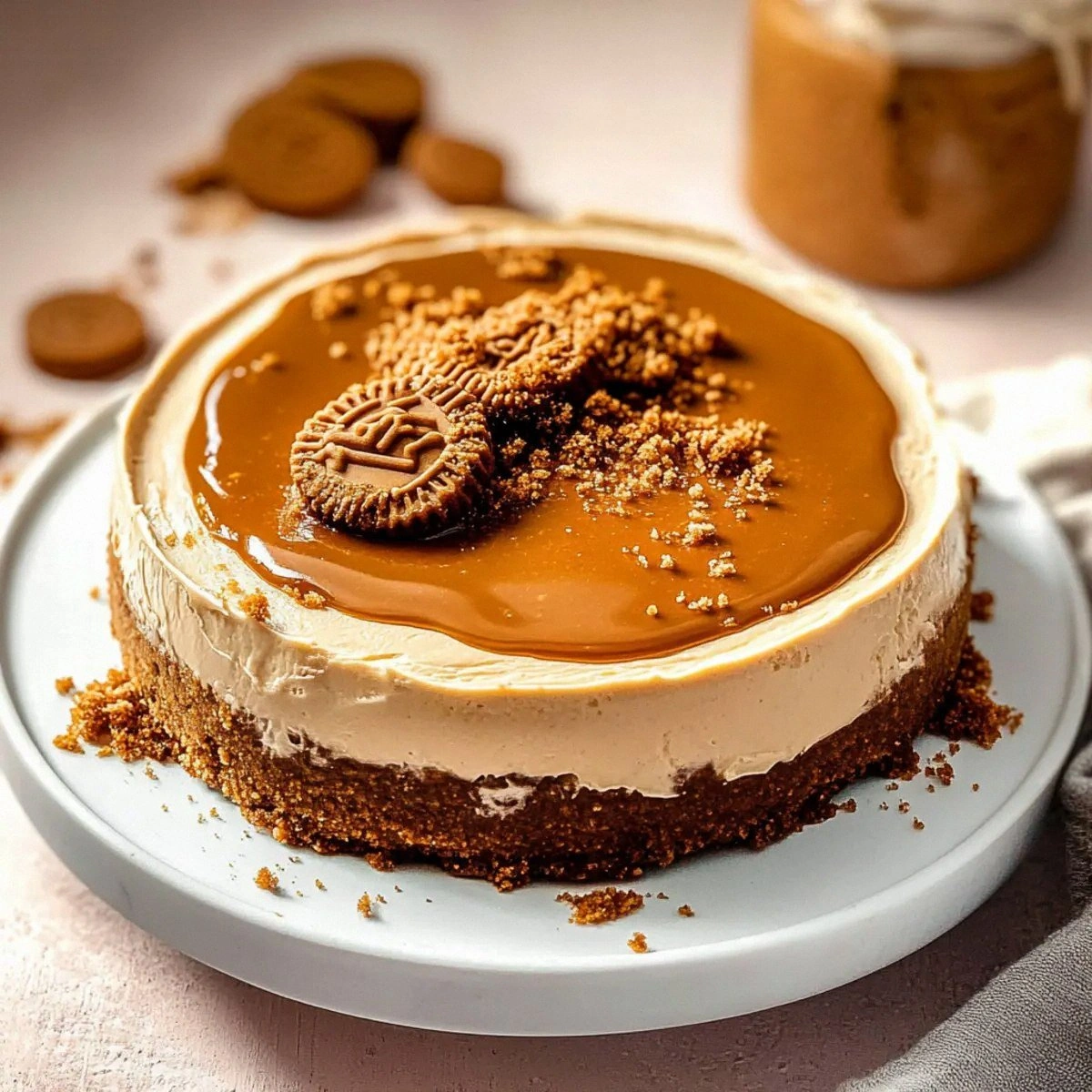
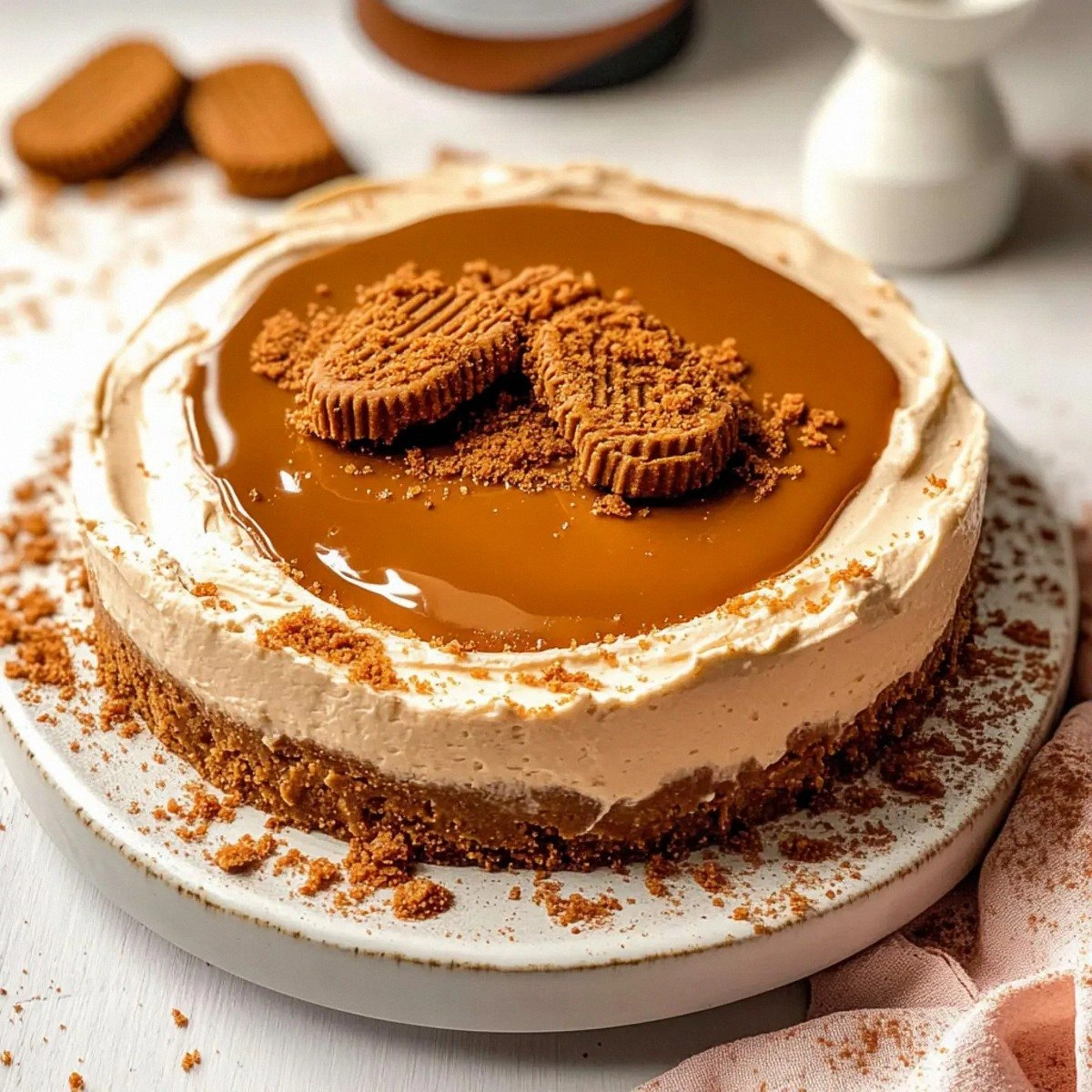
- Spread the filling evenly over the chilled crust, smoothing the top with an offset spatula. Sprinkle 4 crushed Biscoff cookies and drizzle ¼ cup of Biscoff spread over the surface for an elegant finish. The spread should melt slightly into the surface, creating a glossy, caramel‑gold sheen.
- Refrigerate the assembled cheesecake for at least 3 hours, preferably overnight. This allows the flavors to meld and the texture to set perfectly. When you finally slice, the edges should pull away cleanly, and the interior will be as smooth as a satin ribbon.
That's it — you did it. But hold on, I've got a few more tricks that'll take this to another level. Stay with me here — this is worth it.
Insider Tricks for Flawless Results
The Temperature Rule Nobody Follows
Never start with ice‑cold cream cheese. Let it sit out for at least half an hour. The warmer cheese blends more seamlessly, preventing the dreaded grainy texture that can ruin a no‑bake cheesecake. I once tried to skip this step in a rush, and the filling turned into a lumpy mess that never set properly. Trust me, the extra 30 minutes saves you from a disaster.
Why Your Nose Knows Best
When you whisk the Biscoff spread and pudding together, you’ll notice a sweet, buttery aroma that intensifies. If you don’t smell that warm caramel note, the mixture is likely under‑mixed. Follow your nose – it’s the best indicator that the flavors have fully married. This sensory checkpoint is more reliable than a timer.
The 5‑Minute Rest That Changes Everything
After folding the whipped cream into the batter, let the mixture sit for 5 minutes before spreading it over the crust. This short rest lets any trapped air rise to the surface, resulting in a smoother top and fewer pockets when you slice. A friend once skipped this pause and ended up with tiny air bubbles that made the cheesecake look unprofessional.
Crust Crunch Boost
Toast the crushed cookies for 2 minutes in a dry skillet before mixing with butter. The light toasting adds a subtle caramelization that elevates the entire dessert. It’s a tiny step with a massive payoff – the crust becomes a golden, crunchy foundation that contrasts beautifully with the silky filling.
The Final Glaze Secret
Warm ¼ cup of Biscoff spread just enough to become pourable, then drizzle it over the chilled cheesecake right before serving. The warm spread seeps into the surface, creating a glossy finish that looks restaurant‑ready. If you pour the spread while the cheesecake is still cold, it will harden instantly and look dull.
Creative Twists and Variations
This recipe is a playground. Here are some of my favorite ways to switch things up:
Chocolate‑Swirl Delight
Add 2 tablespoons of melted dark chocolate to the filling before folding in the whipped cream. The chocolate creates ribbons that contrast the caramel Biscoff, pleasing both chocolate lovers and spice fans. Top with shaved chocolate for extra drama.
Berry Burst
Stir in ½ cup of fresh raspberry puree into the filling for a tart counterpoint. The berries cut through the sweetness and add a pop of color. Garnish with whole raspberries and a dusting of powdered sugar.
Nutty Crunch
Mix ¼ cup of toasted chopped hazelnuts into the crust for an added layer of crunch. The nutty flavor pairs beautifully with the Biscoff spice, and the visual specks make the dessert look artisanal.
Coffee Infusion
Dissolve 1 teaspoon of instant espresso powder in the Biscoff spread before mixing with the pudding. The coffee adds depth and turns the dessert into a perfect after‑dinner treat for caffeine lovers.
Vegan Version
Swap the cream cheese for a vegan cream cheese alternative, use coconut cream instead of heavy cream, and choose a plant‑based Biscoff spread. The texture stays luscious, and the flavor remains true to the original, making it inclusive for all guests.
Storing and Bringing It Back to Life
Fridge Storage
Cover the cheesecake tightly with plastic wrap or store it in an airtight container. It will keep fresh for up to 5 days in the refrigerator. For best texture, let it sit at room temperature for 10 minutes before serving to let the flavors open up.
Freezer Friendly
Wrap the entire springform pan in a double layer of foil, then place it in a freezer‑safe bag. The cheesecake freezes beautifully for up to 2 months. When you’re ready to enjoy, thaw it overnight in the fridge, then let it sit at room temperature for 20 minutes.
Best Reheating Method
If you prefer a slightly warmed slice, place a single serving on a microwave‑safe plate, add a tiny splash (about 1 teaspoon) of water, and microwave for 10‑15 seconds. The steam revives the creamy texture without melting the crust. This trick works especially well after the cheesecake has been frozen.