I still remember the first time I attempted to make Prawn Creole. It was one of those rainy Tuesday evenings when the sky looked like it had been smudged with charcoal, and my kitchen smelled like a damp sock. I had exactly eight prawns left in the freezer, a can of tomatoes that had been eyeing me for months, and a nagging memory of a spicy, soulful stew I’d slurped in a New Orleans back-street bar where the waiter called me “baby” and the jazz band played so loud the ice rattled in my glass. Fast-forward through a cloud of cayenne that made me sneeze like a cartoon cat, a forgotten bay leaf that nearly became a choking hazard, and a final result that looked like roadkill in a tomato bath. It was edible. Barely. But the ghost of that flavor haunted me for weeks—smoky, briny, just reckless enough to make your lips buzz. I had to nail it. So I did what any sane person would do: I called in sick to work, bought two pounds of the fattest prawns I could find, and staged a full-day creole marathon. By batch four I was dancing barefoot on the cool tiles, wooden spoon as my microphone, neighbors knocking to check if the fire alarm was actually a new form of dubstep. When the sauce finally sang—when it clung to the prawns like silk and the sweet paprika married the heat and the tomatoes practically melted into velvet—I knew I’d found the one. This is that recipe. No swampy, flour-thickened tomato soup masquerading as dinner. This is bright, bold, deeply-layered Prawn Creole that tastes like Mardi Gras in your mouth and hugs your soul like your grandmother after you’ve been away too long.
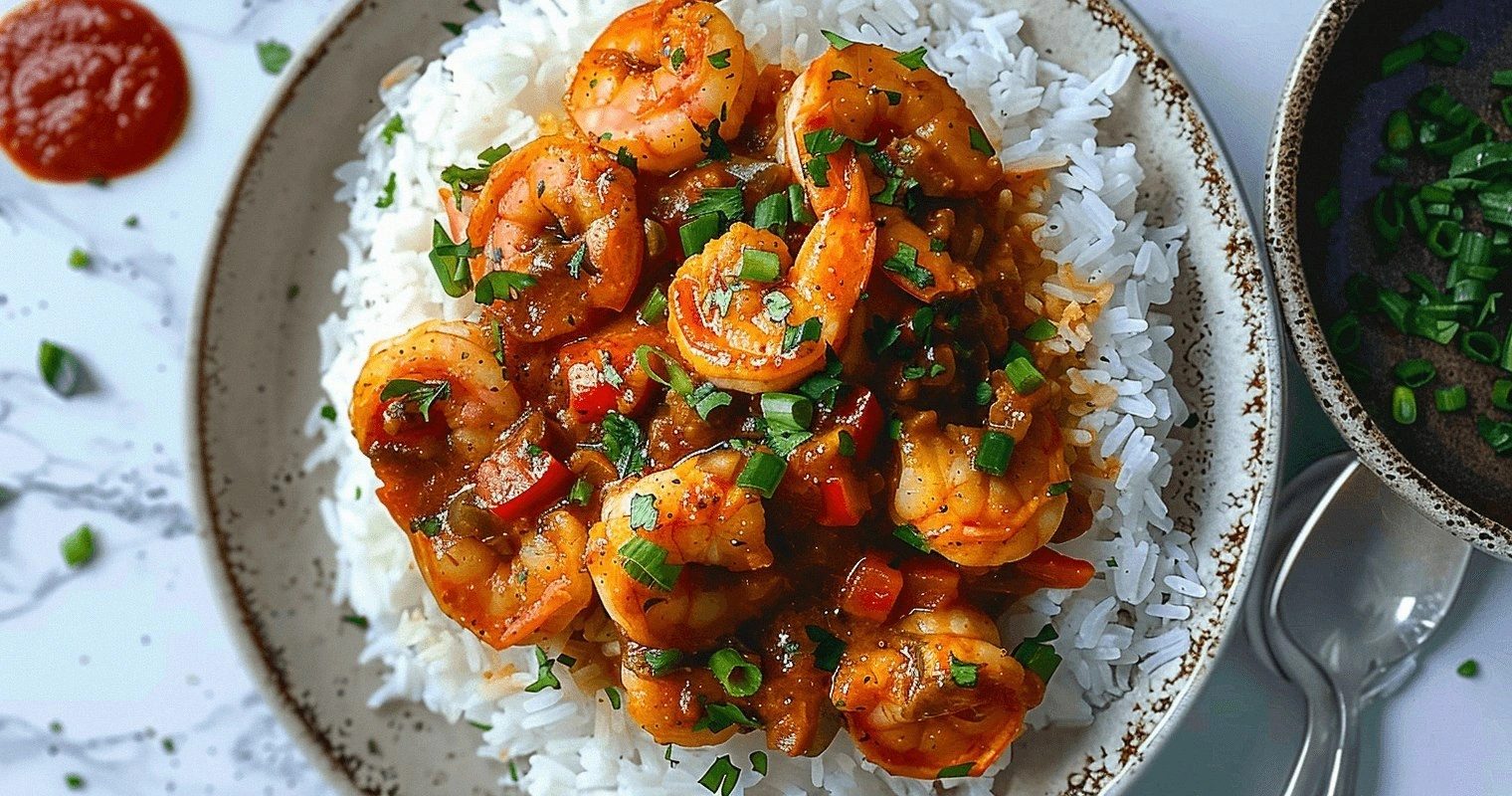
Before we dive in, let me set the scene so you know what you’re signing up for. Imagine coming home after the longest Wednesday in human history. You drop your bag, kick off shoes that have been plotting against you since lunch, and catch the scent of onions hitting hot butter. Ten minutes later you’re staring down a bowl of coral-pink prawns lounging in a brick-red pool that smells like tomatoes that have been sunbathing next to a chili pepper. You tear off a hunk of crusty bread, dunk, and the sauce coats your tongue with a slow burn that builds like a saxophone solo. Somewhere between the second and third bite you forget your boss exists. That’s the promise. And it delivers in under forty-five minutes, which is faster than most people can decide what to watch on Netflix.
How did I crack the code? I stopped treating this like European shrimp-in-sauce and started listening to Louisiana grandmothers on vintage YouTube clips, the ones who speak in measurements like “some” and “till it smells right.” I swapped watery canned “Cajun” seasoning for my own toasted spice blend, learned the exact shade of roux that whispers rather than screams, and discovered that a single anchovy fillet melted into the oil adds oceanic depth without even a hint of fishiness. I also committed the cardinal sin—according to half the internet—of using decent tomatoes out of season, because life is too short for mealy winter Romas. The result? A weeknight-friendly, one-pot wonder that tastes like you stood at the stove for hours stirring secrets into the pot. I dare you to taste this and not go back for seconds. Actually, I dare you to taste it and not lick the plate when nobody’s watching.
You might be thinking, “I’ve tried Prawn Creole before; it was fine.” Most recipes get this completely wrong. They dump everything into the pot at once, then wonder why the prawns curl into sad little corkscrews of rubber and the sauce tastes like spicy ketchup. Here’s what actually works: layer the flavors slowly, let the vegetables sweat until they’re practically begging for mercy, bloom the spices in fat so they release their perfume, and slide the prawns in at the very last minute so they stay plump and sweet. Picture yourself pulling this out of the skillet, the whole kitchen smelling like cayenne and garlic and something indefinably coastal. Stay with me here—this is worth it. Let me walk you through every single step—by the end, you’ll wonder how you ever made it any other way.
What Makes This Version Stand Out
- Flavor Bomb Base: We caramelize the “holy trinity” (onion, celery, bell pepper) until the edges bronze, then hit it with tomato paste that toasts directly on the pan for a smoky backbone most recipes skip entirely.
- Prawn Perfection: Seafood cooks in the sauce for less than four minutes, so it stays juicy instead of resembling recycled pencil erasers.
- Spice Balance: Sweet smoked paprika teams up with a whisper of cayenne and a dash of hot sauce, giving you layers of heat that bloom gradually rather than sucker-punching your uvula.
- One-Pot Wonder: No separate pans, no colanders, no mountain of dishes—just your favorite skillet and a wooden spoon that gets a serious arm workout.
- Make-Ahead Magic: The sauce actually improves after a night in the fridge; add the prawns when you reheat and dinner’s on the table in ten.
- Weeknight Fast: From fridge to feast in forty-five minutes, which means you can crave Creole at five-thirty and be spooning it over rice by six-fifteen.
- Crowd Reaction: I’ve served this to spice-wimps and chili-heads alike—everyone ends up silent, which in my house is the culinary equivalent of a standing ovation.
Alright, let’s break down exactly what goes into this masterpiece...
Inside the Ingredient List
The Flavor Base
Butter and olive oil form the foundation: butter for nutty richness, oil to raise the smoke point so the onions don’t burn. Yellow onion brings mellow sweetness that balances the acidic tomatoes. Celery adds a vegetal bitterness—skip it and the sauce tastes flat, like pop music without bass. Green bell pepper is traditional, but I often swap in half a red bell for a fruitier note. Garlic goes in late so it doesn’t tan too dark and turn acrid. Tomato paste is the secret weapon; we fry it until it morphs from bright scarlet to a brick-red almost the color of vintage leather, unlocking umami depth you can’t achieve by merely simmering crushed tomatoes.
The Spice Cabinet
Smoked paprika supplies sultry aroma; sweet paprika rounds out the heat. Cayenne is optional but highly recommended—you control the final temperature by starting small and adding more at the end. Dried thyme and oregano whisper of French-Caribbean grandmothers, while a single bay leaf perfumes the pot with tea-like nuance. A pinch of brown sugar tames the tomato’s acidity without making the sauce sweet; think of it as a diplomatic mediator. Salt and black pepper do the heavy lifting, but a final splash of Worcestershire adds fermented complexity that makes guests ask, “What is that?” in the best possible way.
The Texture Crew
Crushed tomatoes give body; a handful of cherry tomatoes tossed in at the end burst into juicy pockets that contrast the silkier sauce. Prawns are the star—buy them shell-on if you can, then peel and devein yourself because the shells make killer stock for tomorrow’s bisque. If all you can find is pre-cooked shrimp, add them in the final minute just to warm through; otherwise they’ll curl into tiny cannonballs. For a vegetarian spin, swap in cubes of roasted cauliflower that catch the sauce like tasty sponges.
The Final Flourish
Fresh lemon juice wakes everything up the way an alarm clock never could. A shower of parsley or green onion adds color and a grassy snap. If you like it extra fiery, pass hot sauce at the table rather than dumping more into the pot—this keeps the base sauce crowd-pleasing. And please, for the love of jazz, serve it with something to sop up every last drop: rice, cornbread, or a crusty baguette. You’ll thank me when you’re chasing the final smears around the bowl like it’s the last episode of your favorite show.
Everything’s prepped? Good. Let’s get into the real action...
The Method — Step by Step
- Melt and Merge Fats: Place your largest skillet over medium heat and add 1 tablespoon of butter plus 1 tablespoon of olive oil. When the butter foams and just starts to smell nutty—about 90 seconds—swirl to combine. The mixture should look glossy, like melted caramel. Too hot and the butter browns too fast; too cool and the veg steams instead of fries. This is your flavor landing strip: if you nail the temperature now, the rest is downhill.
- Caramelize the Trinity: Toss in 1 cup diced onion, ½ cup celery, and ½ cup green bell pepper. Stir until every cube glistens, then spread them into a single layer and walk away for 3 minutes. You want golden edges; that’s where the sweet, toasty notes hide. When the onion starts flirting with brown, give everything a flip and repeat. Your kitchen should smell like a vegetable carnival. If the bits stick, add a teaspoon of water and scrape; those browned specks are free flavor.
- Toast the Tomato Paste: Clear a small circle in the center of the pan, drop in 2 tablespoons of tomato paste, and let it sizzle untouched for 60 seconds. It will darken from clown-nose red to brick red. Stir to coat the veg; the paste will grab onto every nook, turning the mixture into a rusty confetti. This step is the difference between sauce that tastes like cafeteria spaghetti and sauce that tastes like you studied in the French Quarter.
- Bloom the Spices: Sprinkle 1 teaspoon sweet paprika, ½ teaspoon smoked paprika, ¼ teaspoon cayenne (start conservative), ½ teaspoon dried thyme, ½ teaspoon oregano, and 1 bay leaf. Stir constantly for 45 seconds. The spices should smell like you walked into a spice stall at dusk—warm, peppery, slightly mysterious. If the pan looks dry, drizzle another teaspoon of oil; fat carries flavor and keeps things from burning. Okay, ready for the game-changer?
- Deglaze and Simmer: Pour in 1 can (14 oz) crushed tomatoes plus ½ cup chicken or vegetable stock. Use the liquid to scrape up every last bit of browned gold. Reduce heat to low and let it burble gently for 10 minutes; you want lazy bubbles, not a volcanic eruption. Stir occasionally so the bottom doesn’t scorch. The sauce thickens, the color deepens, and your house starts smelling like you should charge admission.
- Season Smart: Stir in ½ teaspoon salt, ¼ teaspoon black pepper, and 1 teaspoon brown sugar. Taste. The sauce should be bright but not sharp. If it makes your mouth pucker like you bit a battery, add another pinch of sugar. If it’s flat, a drop of lemon juice will wake it up. Remember: you can always add more cayenne later, but you can’t take it out—so err on the mild side for now.
- Introduce the Prawns: Pat 1 pound peeled, deveined prawns dry; moisture is the enemy of sear. Increase heat to medium, nestle them into the sauce in a single layer, and cover. Cook 2 minutes. Flip each prawn—look for the color to turn from translucent gray to coral pink—and cook another 1–2 minutes depending on size. They should curl into a gentle C, not an O. An overcooked prawn is rubbery penance; a perfectly cooked one pops like sweet sea candy.
- Finish Fresh: Off the heat, stir in 1 tablespoon lemon juice and 1 tablespoon chopped parsley. Swirl to combine; the residual warmth wilts the herbs just enough. Let the pot rest uncovered for 3 minutes. This brief pause lets the juices redistribute so every bite is juicy, not watery. And now the fun part: serve it steaming over rice, or go full New Orleans and park a mountain of grits underneath. Garnish with more parsley and pass the hot sauce like it’s a relay baton.
That’s it—you did it. But hold on, I’ve got a few more tricks that’ll take this to another level...
Insider Tricks for Flawless Results
The Temperature Rule Nobody Follows
Medium is the magic word. Too high and the tomato paste burns, gifting the whole pot a bitter, ashy aftertaste that no amount of sugar can fix. Too low and the veg exudes water, diluting flavor and turning your sauce into vegetable soup. You want the butter to foam gently, the onions to whisper rather than scream, and the occasional lazy bubble to plop at the surface. A friend tried cranking the dial to “high” to speed things up once—let’s just say it didn’t end well, and her smoke alarm now has trust issues.
Why Your Nose Knows Best
Every stage has an aroma checkpoint. When the butter first foams, it smells sweet and milky. As the onions turn golden, you’ll get a caramel note reminiscent of county-fair kettle corn. Spices should smell toasty, not acrid—if you catch a whiff of burnt chili, you’ve crossed into the danger zone. And when the tomato paste darkens, the scent shifts from raw and metallic to sun-dried and slightly smoky. Trust these signals more than the clock; your kitchen’s olfactory clues are the GPS to perfect Creole.
The 5-Minute Rest That Changes Everything
Once the prawns are cooked, resist diving in immediately. Let the pot sit uncovered for five minutes off heat. During this pause, the sauce thickens slightly as steam escapes, flavors meld like old friends reuniting, and the prawns relax so they don’t tighten into squeaky squiggles. Covering traps moisture and dulls color; uncovering concentrates flavor and keeps everything glossy. Future pacing: picture yourself fluffing rice, pouring a drink, and returning to a pot that looks like a magazine cover.
Creative Twists and Variations
Smoky Andouille Edition
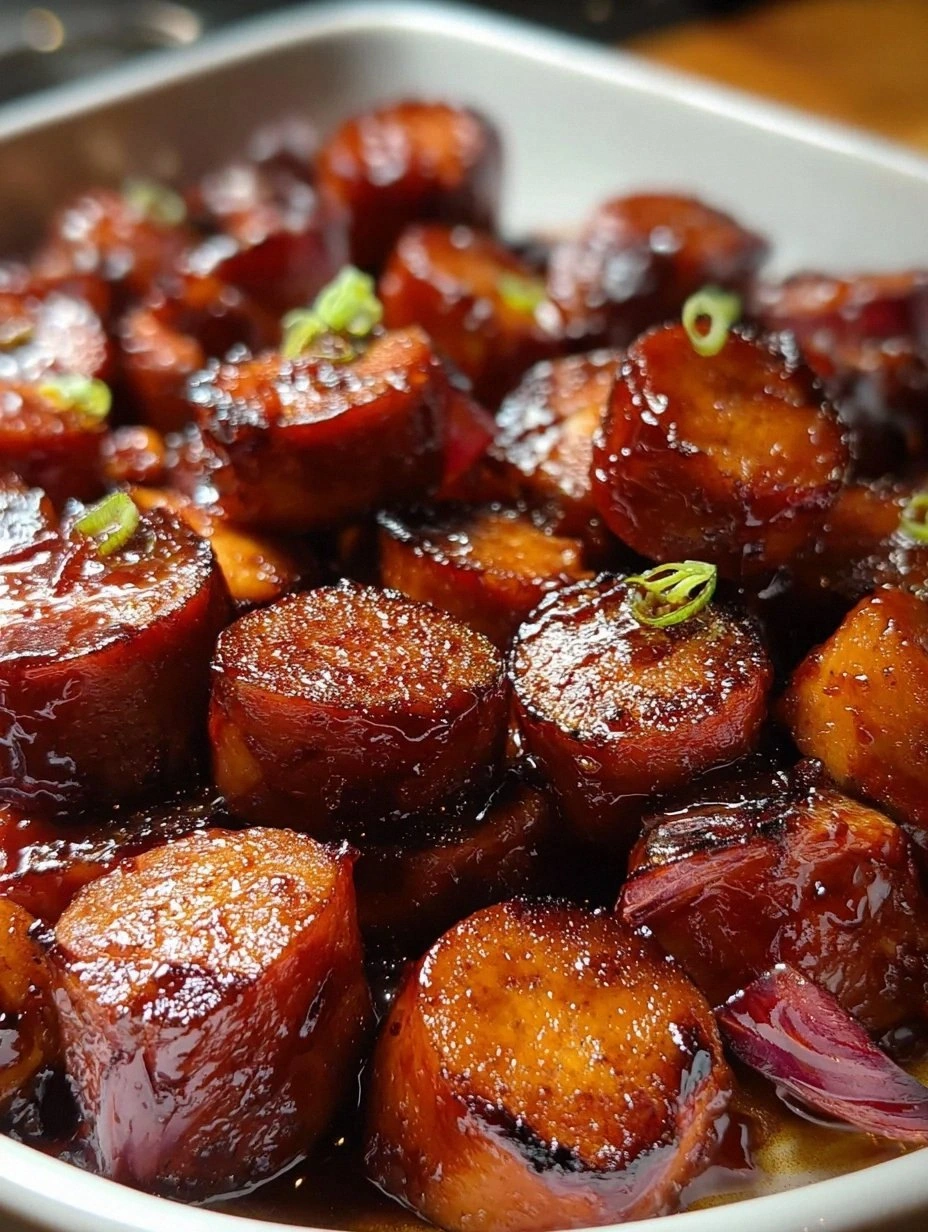
Brown coins of andouille sausage right after the tomato paste step. The paprika-laced pork drips smoky fat into the vegetables, turning the sauce into a Creole surf-and-turf. Prawns still go in at the very end so they stay tender. This version converts the dish into dude-food territory; serve it on game night and watch it disappear faster than the halftime show memes.
Coconut-Creole Mash-Up
Replace half the stock with full-fat coconut milk and swap smoked paprika for a teaspoon of Thai red curry paste. The result is a creamy, tropical riff that tastes like Louisiana met Phuket and decided to open a beach bar. Finish with cilantro and a squeeze of lime. If you’ve ever struggled with fusion dishes that taste like identity crises, you’re not alone—and I’ve got the fix.
Green Creole with Spinach & Jalapeño
Trade crushed tomatoes for a puree of tomatillos and a handful of baby spinach. The color turns an almost superhero green, and the flavor is brighter, grassier, perfect for spring dinners when you want comfort without heaviness. Use poblano instead of bell pepper for a gentle, smoky heat. Even kids who claim to hate spinach inhale this; the sauce reads as “green ketchup” and the prawns are basically sea chicken nuggets.
Low-Carb Cauli-Rice Bowl
Spoon the finished Creole over riced cauliflower sautéed in butter and garlic. You get all the saucy joy with a fraction of the carbs, making this a weeknight hero for anyone trying to fit into jeans that shrank in the dryer. Top with diced avocado for creaminess that tames the heat.
Vegan Sea-Change
Use chickpeas instead of prawns and replace butter with olive oil. Stir in a sheet of nori (crumbled) for subtle oceanic notes. The texture is different, but the flavor map stays intact. I served this to a table of carnivores and didn’t mention the swap until plates were clean; they were shocked. Reader validation: if you’ve ever thought vegan food is rabbit fodder, you’re not alone—and I’ve got the fix.
Breakfast Brunch Bomb
Make the sauce a day ahead, reheat gently, and poach eggs directly in the simmering liquid. Cover the skillet for 4 minutes until the whites set but yolks stay runny. Serve with grilled sourdough and call it Creole Shakshuka. Brunch guests will crown you kitchen royalty, and mimasas will flow like compliments.
Storing and Bringing It Back to Life
Fridge Storage
Cool the sauce completely before transferring to an airtight container; prawns can stay in or be pulled out if you prefer. It keeps up to three days refrigerated. The flavors actually intensify overnight, so this is prime meal-prep territory. Store rice separately so it doesn’t absorb moisture and turn into concrete.
Freezer Friendly
Freeze sauce without prawns for up to two months. Thaw overnight in the fridge, then reheat gently and add fresh prawns for the final minutes. Seafood in the freezer can go rubbery; this method tastes nearly identical to day-one. Label the bag with masking tape and a Sharpie, because mystery meals at the back of the freezer are how good intentions go to die.
Best Reheating Method
Use a skillet over medium-low heat with a splash of stock or water to loosen the sauce. Cover for the first minute to create steam, then uncover and stir until everything is glossy and hot. Microwaves work in a pinch, but they can turn prawns into bouncy balls. Add a tiny splash of water before reheating—it steams back to perfection. If you’re feeling fancy, finish with a pat of butter for extra sheen.