I still remember the night I ruined my favorite skillet. Not through some dramatic culinary catastrophe, mind you — just through sheer stubbornness and a refusal to admit that my go-to chicken recipe had become a sad, dry shadow of its former self. There I stood at 9:47 PM, scraping blackened tomato bits off the bottom of my pan while my dinner guests politely nibbled on the hockey-puck chicken I'd just served them. The salsa I'd used tasted like tinny disappointment. The chicken? Stringy and defeated. But here's the beautiful thing about hitting rock bottom: it forces you to rebuild smarter.
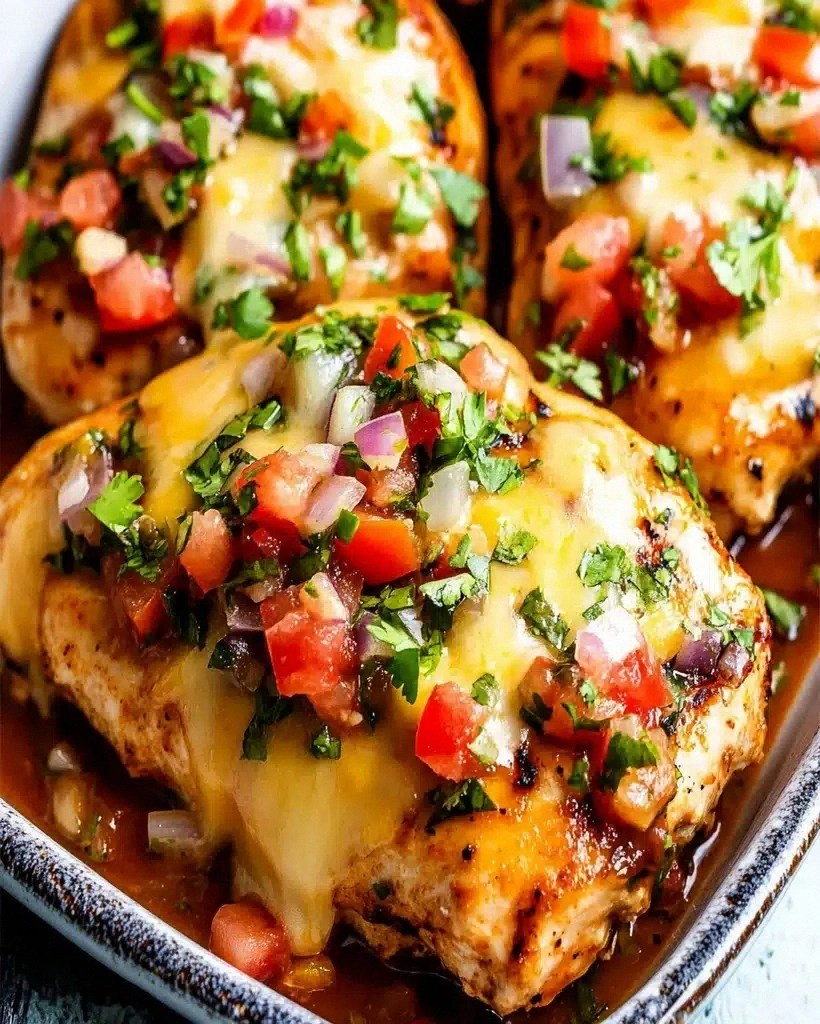
Fast forward three weeks of obsessive testing, and I found myself standing over that same skillet — now lovingly restored — watching the most gorgeous salsa chicken bubble away like a fiesta in a pan. The aroma hit me first: smoky cumin dancing with bright cilantro, garlic singing backup, and something else... something deeper. That was the moment I knew I'd cracked the code. This wasn't just another dump-and-stir dinner. This was the kind of meal that makes you close your eyes involuntarily when you take the first bite, the kind that has you sneaking cold leftovers at midnight standing in front of the fridge.
What makes this version different? It's all in the layers. Most recipes throw everything together and hope for the best, ending up with watery salsa and rubbery chicken that tastes like it gave up on life. But when you take five extra minutes to build flavor properly — searing the chicken until it develops those gorgeous caramelized edges, blooming the spices in the rendered fat, letting the salsa reduce until it clings to each piece like a silk dress — magic happens. The chicken stays impossibly juicy, the sauce becomes this rich, complex blanket of flavor that you'll want to spoon over everything from rice to roasted vegetables to your morning eggs.
I dare you to taste this and not go back for seconds. Actually, I double-dog dare you. Because I've watched self-proclaimed "not really into chicken" people demolish entire pans of this stuff. I've seen picky kids who normally won't touch anything with visible herbs beg for the recipe. And yes, I'll confess — I ate half the batch before anyone else got to try it during my final test run. Picture yourself pulling this out of the oven, the whole kitchen smelling like your favorite Mexican restaurant had a baby with your grandmother's Sunday supper. Stay with me here — this is worth it.
What Makes This Version Stand Out
- Flavor Bomb: We start with a spice blend that toasts directly in the pan, creating a depth that one-dimensional recipes can only dream about. The cumin, smoked paprika, and oregano bloom in the chicken fat, creating a flavor base that makes your taste buds sit up and pay attention.
- Texture Perfection: By searing the chicken first and then finishing it in the salsa, you get the best of both worlds — crispy, caramelized edges and fork-tender insides that shred like a dream. No more choosing between dry chicken or soggy skin.
- One-Pan Wonder: Everything happens in a single skillet, including the final sauce reduction. Less dishes, more flavor development as all those gorgeous browned bits (fond, if we're being fancy) get incorporated into the final sauce.
- Pantry Hero: Uses ingredients you probably already have — no specialty store runs required. A jar of your favorite salsa, some chicken thighs, and basic spices transform into something that tastes like you spent all day on it.
- Crowd Control: Scales beautifully from romantic dinner for two to feeding a hungry crowd. I've made versions for 12 people that disappeared faster than the chips and guac at a Super Bowl party.
- Make-Ahead Magic: Actually gets better after a day in the fridge. The flavors meld and intensify, making this perfect for meal prep or entertaining when you want to get ahead of the game.
- Ingredient Quality Matters: This recipe celebrates simple ingredients by letting them shine. Use decent salsa (not the watery bargain bin stuff) and you'll taste the difference immediately.
Alright, let's break down exactly what goes into this masterpiece...
Inside the Ingredient List
The Flavor Foundation
Let's start with the chicken because honestly, everything else is just supporting cast. I'm a thigh person through and through — they stay juicier than breasts, forgive overcooking, and have enough fat to keep things interesting. If you're team breast, I won't judge (much), but trust me on this one. Bone-in, skin-on thighs give you the best flavor, though boneless skinless work in a pinch. The bone adds depth to the sauce, and that skin? When it crisps up and then gets bathed in salsa, it's like edible confetti.
The salsa is where most recipes go tragically wrong. They grab the cheapest jar on the shelf and wonder why dinner tastes like disappointment. You want salsa with integrity — something that actually tastes like tomatoes and peppers, not just red water with floating vegetable sadness. My go-to is a fire-roasted medium salsa because it brings smoky depth and enough heat to make things interesting without sending anyone running for the milk. If you're feeling ambitious, homemade salsa will make this transcendent, but let's be real — we're going for weeknight doable here.
The Spice Symphony
Cumin is the backbone of this operation — earthy, warm, slightly nutty, it's what makes your kitchen smell like you know what you're doing. I use a heavy hand because most people under-season chicken, then wonder why it's bland. Smoked paprika brings that backyard grill vibe even when you're cooking on a stovetop in February. The oregano? Don't skip it. It adds this herbaceous note that brightens everything up and makes the other spices taste more like themselves. It's like the friend who introduces everyone at the party and makes sure they're having a good time.
Garlic powder might seem basic, but it distributes more evenly than fresh garlic here and won't burn when you're searing the chicken. Onion powder adds subtle sweetness and depth without the water content that would mess with your sear. These two are the stealth operators — you won't necessarily identify them in the final dish, but you'd miss them if they weren't there.
The Texture Team
Olive oil for searing needs to have a high enough smoke point to get properly hot without setting off your smoke alarm. I'm not talking about saving the fancy finishing oil here — use the everyday stuff. The chicken will render its own fat as it cooks, but you need something to get things started and prevent sticking. A properly heated pan and patient searing creates the fond (those gorgeous brown bits) that will flavor your entire sauce.
Chicken stock might seem redundant when you already have chicken, but it adds another layer of flavor and helps create the perfect sauce consistency. Water works in a pinch, but stock is like the difference between a black and white TV and color — both show the picture, but one makes everything pop.
The Final Flourish
Fresh lime juice added at the end is non-negotiable. It brightens everything, cuts through the richness, and makes all the other flavors sing in harmony. Bottled juice tastes like disappointment and regret — use fresh or don't bother. Cilantro might be controversial (looking at you, soap-gene people), but it's the fresh herb equivalent of confetti at a party. If you're anti-cilantro, fresh parsley or green onions can party crash, though they'll bring a different vibe.
Everything's prepped? Good. Let's get into the real action...
The Method — Step by Step
- Start with a cold pan and chicken thighs skin-side down. I know this sounds backwards — everyone tells you to heat the pan first — but starting cold lets the fat render slowly, giving you crispy skin without burning the spices. Season the chicken generously with salt and pepper, then sprinkle your spice blend (cumin, smoked paprika, oregano, garlic powder, onion powder) evenly over each piece. Turn the heat to medium and let the magic happen. As the pan gradually heats, you'll hear the gentle sizzle that promises good things are coming.
- Now comes the patience test. Don't touch those thighs for at least 8 minutes. I don't care how tempted you are to peek, poke, or flip. Walk away if you must (but stay close enough to monitor). The skin should be golden brown and release easily from the pan when it's ready. If it's sticking, it's not ready — simple as that. When you finally flip them, the underside should be the color of autumn leaves and smell like heaven.
- Brown the second side for about 5 minutes, then transfer the chicken to a plate. They won't be cooked through yet — that's exactly what we want. The real flavor bomb is about to happen in all those gorgeous browned bits stuck to the pan. That sizzle when it hits the pan? Absolute perfection.
- Here's where most recipes get it wrong — they add everything at once and end up with watery disappointment. Instead, pour off most of the chicken fat (save it for later — trust me), leaving about a tablespoon in the pan. Add your salsa and let it sizzle for a minute, scraping up all those beautiful browned bits with a wooden spoon. The salsa will reduce and intensify, creating a sauce that actually clings to the chicken instead of pooling sadly underneath it.
- Add the chicken stock and bring everything to a gentle simmer. Nestle the chicken back into the pan, skin-side up this time, and let it bubble away for about 15 minutes. The sauce will reduce and thicken, while the chicken finishes cooking and absorbs all that incredible flavor. Don't rush this part — the slow simmer is what transforms simple ingredients into something extraordinary. Your kitchen should smell like a Mexican grandmother's kitchen by now.
- Now for the final flourish — squeeze fresh lime juice over everything and shower it with chopped cilantro. The lime juice brightens all the flavors and adds a pop of acidity that makes the dish sing. Give everything a gentle stir, being careful not to break up the chicken. Let it rest for 5 minutes off heat — this allows the flavors to meld and the sauce to thicken slightly.
- Taste and adjust seasoning. You might need more salt, especially if you used low-sodium stock. Maybe another squeeze of lime if your salsa was particularly sweet. This is your moment to make it perfect for your palate. Serve it up with plenty of the sauce spooned over the top, because that sauce is liquid gold and nobody should be shortchanged.
That's it — you did it. But hold on, I've got a few more tricks that'll take this to another level...
Insider Tricks for Flawless Results
The Temperature Rule Nobody Follows
Here's the thing about chicken — it hits a wall around 155°F where it suddenly goes from juicy to Sahara Desert dry. Most people cook it to the FDA-recommended 165°F and wonder why it's tough. The secret? Pull it at 160°F and let carryover cooking take it the rest of the way. The chicken will be safe, juicy, and actually enjoyable to eat. If you've ever struggled with dry chicken, you're not alone — and I've got the fix. Use an instant-read thermometer and pull it early. Your taste buds will thank you.
Why Your Nose Knows Best
Don't underestimate the power of aromatics in this dish. When you smell the garlic and spices toasting in the pan, that's your cue that the flavor base is developing. If you can't smell anything, your heat's too low. If it smells burnt, you've gone too far. That sweet spot where everything smells warm and inviting? That's where the magic happens. A friend tried skipping this step once — let's just say it didn't end well. She ended up with chicken that tasted like it had been seasoned with disappointment.
The 5-Minute Rest That Changes Everything
I know you're hungry. I know the smell is driving you crazy. But those 5 minutes of resting time off heat are what separate good salsa chicken from legendary salsa chicken. During this rest, the juices redistribute throughout the meat, the sauce thickens to the perfect consistency, and the flavors have a chance to meld and marry. It's like letting a good wine breathe — patience pays off in spades. Use this time to set the table, warm your tortillas, or just bask in the glory of what you've created.
The Salsa Selection Secret
Not all salsas are created equal, and this is not the place for that watery, neon stuff from the chip aisle. You want salsa with body, with chunks you can see, with ingredients you can pronounce. Fire-roasted tomatoes add incredible depth, while fresh salsas from the refrigerated section can work if they're not too watery. Medium heat gives you flavor without blowing anyone's head off, but go mild if your crowd is spice-shy or hot if you like to live dangerously. The salsa is doing a lot of the heavy lifting here — give it the tools to succeed.
Creative Twists and Variations
This recipe is a playground. Here are some of my favorite ways to switch things up:
The Verde Version
Swap the red salsa for a good green salsa verde and add a handful of fresh oregano. The tomatillo base brings bright acidity and a different kind of heat that builds slowly instead of hitting you all at once. Add some diced poblano peppers for extra vegetal flavor, and finish with Mexican crema instead of sour cream. It's like the sophisticated cousin who studied abroad and came back with interesting stories.
The Tropical Twist
Add a cup of diced mango or pineapple to the sauce during the last 5 minutes of cooking. The fruit caramelizes slightly and adds this incredible sweet-savory thing that makes people ask "what's in this?" in the best way. A sprinkle of toasted coconut on top takes it fully tropical. This version is particularly good with coconut rice and might just become your new summer obsession.
The Smoky Chipotle Edition
Stir in a minced chipotle pepper in adobo sauce when you add the salsa. The smoky heat permeates everything and gives you that backyard grill vibe even in the dead of winter. Cut back on the smoked paprika since the chipotle brings its own smoke. This one pairs beautifully with cornbread and will warm you from the inside out on the coldest days.
The Creamy Dream
Stir in 1/4 cup of cream cheese or Mexican crema during the last 2 minutes of cooking. It creates this luxurious, creamy sauce that coats everything like velvet. Kids love this version, and it's a great way to tone down the heat if you've gone too far with the spices. Serve it over egg noodles for the ultimate comfort food experience.
The Breakfast Champion
Shred the leftover chicken and warm it up in the sauce, then serve it over crispy tortillas with fried eggs on top. Add some avocado, a sprinkle of queso fresco, and you've got breakfast that'll make you excited to wake up. The runny yolk mixing with the salsa sauce is pure morning magic. If you've ever struggled with breakfast inspiration, this is your new go-to.
The Soup Transformation
Add 2 cups of chicken stock to the leftovers, throw in some rice or small pasta, and simmer until the grains are tender. The salsa chicken becomes this incredible soup that's somehow even better than the original dish. Squeeze in extra lime, add fresh cilantro, and serve with crusty bread for dunking. It's like getting two completely different meals from one recipe.
Storing and Bringing It Back to Life
Fridge Storage
Store leftover salsa chicken in an airtight container in the fridge for up to 4 days. The flavors actually intensify overnight, making leftovers something to look forward to rather than tolerate. Keep the chicken submerged in the sauce to prevent it from drying out. If you made a double batch (smart move), portion it out into meal-sized containers for grab-and-go lunches that'll make your coworkers jealous.
Freezer Friendly
This recipe freezes beautifully for up to 3 months. Let it cool completely, then portion into freezer bags, squeeze out excess air, and lay flat to freeze — they'll stack neatly and thaw quickly. Label with the date because frozen salsa chicken looks suspiciously like other red-sauced mysteries. Thaw overnight in the fridge for best results, though you can microwave from frozen in a pinch. The texture holds up better than most frozen chicken dishes because of the protective sauce coating.
Best Reheating Method
Skip the microwave if you can — it makes the chicken tough and the sauce separate. Instead, reheat gently in a covered skillet over medium-low heat with a splash of chicken stock or water. The steam helps rehydrate the chicken and brings the sauce back to life. Stir occasionally and add liquid as needed. It'll taste almost as good as fresh, which is more than you can say for most leftovers. Add a squeeze of fresh lime and some fresh cilantro to brighten everything up, and nobody will know it's yesterday's news.