
Salsa De Aguacate
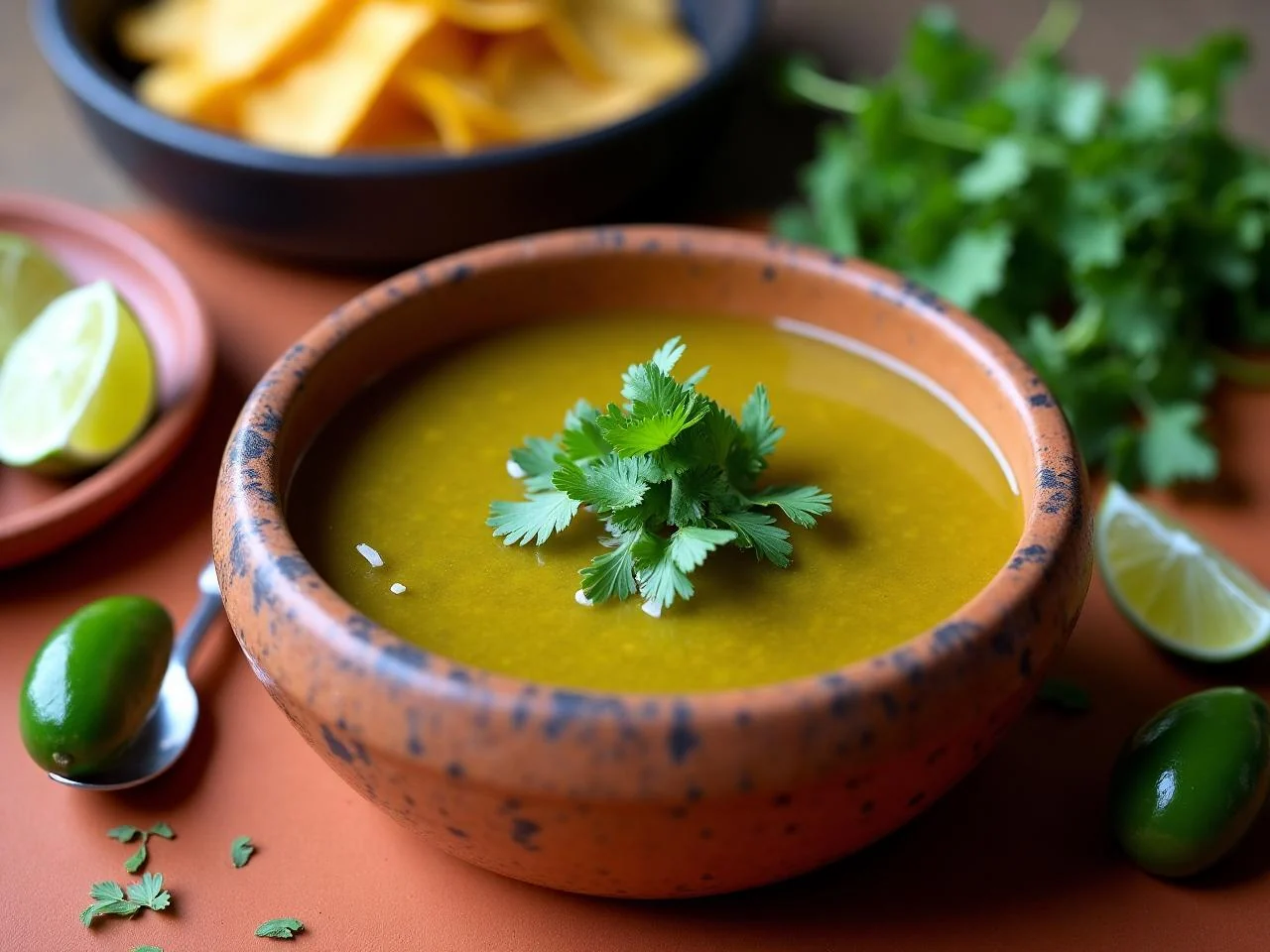
I still remember the first time I tasted my abuela's Salsa De Aguacate. The creamy texture and the explosion of flavors from the roasted avocados, tomatoes, and spices left me wanting more. As a second-generation Mexican-American, I grew up surrounded by the rich culinary traditions of my family's hometown, Guadalajara. My abuela's Salsa De Aguacate was a staple at every family gathering, and I'm excited to share her recipe with you.
This recipe is special because it's a true reflection of our family's heritage and the love that goes into making it. The process of roasting the avocados and tomatoes may seem unconventional, but trust me, it's what sets this salsa apart from others. The smoky flavor from the roasted ingredients adds a depth that will leave you hooked.
Whether you're a fan of spicy foods or prefer milder flavors, this recipe is for you. You can adjust the level of heat to your liking by adding more or fewer jalapeños. I love serving this salsa with tortilla chips, but it's also delicious as a topping for tacos, grilled meats, or vegetables.
In this recipe, I'll guide you through the process of making Salsa De Aguacate from scratch. We'll start with the basics, and I'll share some tips and tricks that I've learned from my abuela to ensure that your salsa turns out perfect every time.
So, let's get started and make some delicious Salsa De Aguacate! With its rich, creamy texture and explosion of flavors, this salsa is sure to become a favorite in your household.
Why You’ll Love This Recipe
- This recipe is easy to make and requires minimal ingredients
- The salsa is perfect for dipping chips or topping tacos
- You can adjust the level of heat to your liking
- The recipe is budget-friendly and makes a large batch
- It's a great way to use up ripe avocados
- The salsa is healthy and nutritious, making it a great snack option
- You can make it ahead of time and store it in the fridge for up to a week
Why This Recipe Works
The key to making great Salsa De Aguacate is to roast the avocados and tomatoes until they're tender and lightly charred. This brings out their natural sweetness and adds a smoky flavor to the salsa. By using a combination of roasted and raw ingredients, we create a balanced flavor profile that's both refreshing and rich.
Another important aspect of this recipe is the use of layers of flavor. We start with the roasted avocados and tomatoes, then add in some sautéed onions and garlic, and finally, a squeeze of fresh lime juice. Each layer adds depth and complexity to the salsa, making it more interesting and delicious.
The type of ingredients we use also plays a crucial role in the success of this recipe. We're using ripe avocados, fresh tomatoes, and high-quality spices to ensure that our salsa has the best possible flavor. By taking the time to select the right ingredients and prepare them properly, we're able to create a truly exceptional salsa.
Ingredients You’ll Need
To make Salsa De Aguacate, you'll need a few simple ingredients, including ripe avocados, fresh tomatoes, and some basic spices. The key is to use high-quality ingredients that are fresh and flavorful. When selecting avocados, look for ones that are slightly soft to the touch and have a slight give when you press on them. For the tomatoes, choose ones that are heavy for their size and have a sweet, earthy aroma.
In addition to the main ingredients, you'll also need some pantry staples like onion, garlic, jalapeño, cilantro, lime juice, salt, and pepper. Make sure to have these on hand before you start cooking.
- 3 ripe avocadosLook for avocados that are slightly soft to the touch and have a slight give when you press on them. This will ensure they're ripe and ready to use.
- 2 large tomatoesChoose tomatoes that are heavy for their size and have a sweet, earthy aroma. This will help bring out the best flavor in your salsa.
- 1 small onionMake sure to choose a sweet onion, such as a Vidalia or Maui onion, for the best flavor.
- 3 cloves garlic, mincedUse fresh garlic for the best flavor. You can also roast the garlic before mincing it for an even deeper flavor.
- 1 jalapeño pepper, seeded and choppedIf you like a little heat in your salsa, use the jalapeño seeds. If you prefer it milder, omit the seeds or use just one.
- 1/4 cup chopped fresh cilantroChoose fresh cilantro with no signs of wilting or browning. This will help keep your salsa fresh and flavorful.
- 2 tablespoons lime juiceUse freshly squeezed lime juice for the best flavor. You can also add a bit of lemon juice if you prefer a slightly different flavor.
- 1 teaspoon saltUse a high-quality salt, such as kosher or sea salt, for the best flavor.
- 1/2 teaspoon black pepperUse freshly ground black pepper for the best flavor. You can also add a bit of cumin or paprika if you prefer a smokier flavor.
- 1/4 teaspoon cayenne pepperIf you like a little heat in your salsa, add the cayenne pepper. If you prefer it milder, omit it or use just a pinch.
- 2 tablespoons olive oilUse a high-quality olive oil for the best flavor. You can also use avocado oil or grapeseed oil if you prefer a different flavor.
- 1/2 teaspoon smoked paprikaUse smoked paprika for a smoky, savory flavor. You can also use regular paprika if you prefer a milder flavor.
Equipment You’ll Need
How to Make Salsa De Aguacate
- 1Preheat your oven to 400°F (200°C). Line a baking sheet with parchment paper and arrange the tomatoes, onion, and jalapeño on it. Roast in the oven for 20-25 minutes, or until the vegetables are tender and lightly charred.
- 2While the vegetables are roasting, cut the avocados in half and remove the pit. Scoop the flesh into a blender or food processor.
- 3Once the vegetables are done roasting, let them cool slightly. Then, peel the skin off the tomatoes and add them to the blender with the avocado flesh.
- 4Add the roasted onion, jalapeño, garlic, cilantro, lime juice, salt, black pepper, cayenne pepper, and smoked paprika to the blender. Blend until smooth, stopping to scrape down the sides of the blender as needed.
- 5With the blender running, slowly pour in the olive oil through the top. Continue blending until the salsa is smooth and creamy.
- 6Taste the salsa and adjust the seasoning as needed. You can add more lime juice, salt, or pepper to taste.
- 7Transfer the salsa to a serving bowl and cover it with plastic wrap, pressing the wrap directly onto the surface of the salsa to prevent air from reaching it. Let it sit at room temperature for at least 30 minutes to allow the flavors to meld together.
- 8After the salsa has sat for 30 minutes, give it a good stir and taste it again. If it needs any adjustments, make them now.
- 9Cover the bowl with plastic wrap again and refrigerate the salsa for at least 30 minutes to allow it to chill and set.
- 10When you're ready to serve the salsa, give it a good stir and taste it one last time. If it needs any final adjustments, make them now.
- 11Serve the salsa with tortilla chips, on tacos, or as a topping for grilled meats or vegetables. Enjoy!
Expert Tips
- Use ripe avocados for the best flavor and texture.
- Don't over-roast the vegetables, as this can make them bitter.
- If you're not a fan of spicy food, omit the jalapeño or use just a small amount.
- Let the salsa sit at room temperature for at least 30 minutes to allow the flavors to meld together.
- Taste the salsa as you go and adjust the seasoning as needed.
- Use a high-quality olive oil for the best flavor.
- If you're making the salsa ahead of time, refrigerate it for at least 30 minutes to allow it to chill and set.
- Experiment with different types of peppers or spices to add more flavor to the salsa.
Common Mistakes to Avoid
- Not using ripe avocados, which can result in a bland or unripe-tasting salsa.
- Over-roasting the vegetables, which can make them bitter.
- Not letting the salsa sit at room temperature for at least 30 minutes, which can prevent the flavors from melding together.
- Not tasting the salsa as you go and adjusting the seasoning, which can result in an unbalanced flavor.
- Using low-quality ingredients, which can affect the overall flavor and texture of the salsa.
- Not refrigerating the salsa for at least 30 minutes, which can prevent it from chilling and setting properly.
Variations and Substitutions
- Add some diced mango or pineapple to the salsa for a sweet and spicy twist.
- Use different types of peppers, such as habaneros or Anaheim peppers, to add more heat or flavor.
- Add some chopped fresh cilantro or scallions to the salsa for extra freshness.
- Use lime juice or lemon juice instead of olive oil for a different flavor.
- Add some grated ginger or garlic to the salsa for extra depth of flavor.
- Use roasted garlic instead of raw garlic for a deeper flavor.
- Add some diced tomatoes or tomatillos to the salsa for extra flavor and texture.
What to Serve With Salsa De Aguacate
Serve the Salsa De Aguacate with tortilla chips, on tacos, or as a topping for grilled meats or vegetables. It's also delicious as a dip for vegetables or as a sauce for grilled cheese sandwiches. You can also use it as a topping for soups or salads, or as a sauce for pasta or rice dishes.
Some other ideas for serving the salsa include using it as a topping for nachos or quesadillas, or as a sauce for grilled chicken or fish. You can also use it as a dip for fried foods, such as fried chicken or French fries.
Make-Ahead, Storage, Freezing and Reheating
The Salsa De Aguacate can be stored in an airtight container in the refrigerator for up to 5 days. It's best to store it in a container with a tight-fitting lid, such as a glass or plastic container with a lid. Make sure to press plastic wrap directly onto the surface of the salsa to prevent air from reaching it.
If you want to freeze the salsa, you can do so by transferring it to an airtight container or freezer bag and storing it in the freezer for up to 3 months. When you're ready to use it, simply thaw it in the refrigerator or at room temperature.
To reheat the salsa, you can simply leave it at room temperature for a few hours or reheat it in the microwave or on the stovetop. If you're reheating it in the microwave, make sure to stir it every 10-15 seconds to prevent it from becoming too hot or unevenly heated.
It's also a good idea to make a batch of the salsa and freeze it in individual portions, such as ice cube trays or small containers. This way, you can simply thaw and reheat the amount you need, without having to thaw the entire batch.
Frequently Asked Questions
What type of avocados should I use for this recipe?
You should use ripe avocados, such as Hass or Fuerte, for the best flavor and texture.
Can I use canned tomatoes instead of fresh tomatoes?
While you can use canned tomatoes, fresh tomatoes will give you the best flavor and texture. If you do use canned tomatoes, make sure to choose a high-quality brand and drain the liquid before using them.
How spicy is this salsa?
The level of heat in this salsa will depend on the type and amount of peppers you use. If you prefer a milder salsa, you can use just one jalapeño or omit the seeds and membranes, which contain most of the heat.
Can I make this salsa ahead of time?
Yes, you can make this salsa ahead of time and store it in the refrigerator for up to 5 days or freeze it for up to 3 months. Simply reheat it when you're ready to serve it.
What can I serve this salsa with?
You can serve this salsa with tortilla chips, on tacos, or as a topping for grilled meats or vegetables. It's also delicious as a dip for vegetables or as a sauce for grilled cheese sandwiches.
Can I customize this recipe to suit my taste preferences?
Yes, you can customize this recipe by adding or substituting different ingredients to suit your taste preferences. Some ideas include adding diced mango or pineapple, using different types of peppers, or adding some grated ginger or garlic.
How do I store this salsa to keep it fresh?
To keep the salsa fresh, store it in an airtight container in the refrigerator and press plastic wrap directly onto the surface of the salsa to prevent air from reaching it. You can also freeze it for up to 3 months.
Can I use this salsa as a topping for other dishes?
Yes, you can use this salsa as a topping for soups, salads, pasta, or rice dishes. It's also delicious as a sauce for grilled chicken or fish.
Ingredients
- 3 ripe avocados
- 2 large tomatoes
- 1 small onion
- 3 cloves garlic, minced
- 1 jalapeño pepper, seeded and chopped
- 1/4 cup chopped fresh cilantro
- 2 tablespoons lime juice
- 1 teaspoon salt
- 1/2 teaspoon black pepper
- 1/4 teaspoon cayenne pepper
- 2 tablespoons olive oil
- 1/2 teaspoon smoked paprika
Instructions
- Preheat your oven to 400°F (200°C). Line a baking sheet with parchment paper and arrange the tomatoes, onion, and jalapeño on it. Roast in the oven for 20-25 minutes, or until the vegetables are tender and lightly charred.
- While the vegetables are roasting, cut the avocados in half and remove the pit. Scoop the flesh into a blender or food processor.
- Once the vegetables are done roasting, let them cool slightly. Then, peel the skin off the tomatoes and add them to the blender with the avocado flesh.
- Add the roasted onion, jalapeño, garlic, cilantro, lime juice, salt, black pepper, cayenne pepper, and smoked paprika to the blender. Blend until smooth, stopping to scrape down the sides of the blender as needed.
- With the blender running, slowly pour in the olive oil through the top. Continue blending until the salsa is smooth and creamy.
- Taste the salsa and adjust the seasoning as needed. You can add more lime juice, salt, or pepper to taste.
- Transfer the salsa to a serving bowl and cover it with plastic wrap, pressing the wrap directly onto the surface of the salsa to prevent air from reaching it. Let it sit at room temperature for at least 30 minutes to allow the flavors to meld together.
- After the salsa has sat for 30 minutes, give it a good stir and taste it again. If it needs any adjustments, make them now.
- Cover the bowl with plastic wrap again and refrigerate the salsa for at least 30 minutes to allow it to chill and set.
- When you're ready to serve the salsa, give it a good stir and taste it one last time. If it needs any final adjustments, make them now.
- Serve the salsa with tortilla chips, on tacos, or as a topping for grilled meats or vegetables. Enjoy!