
Salsa Roja
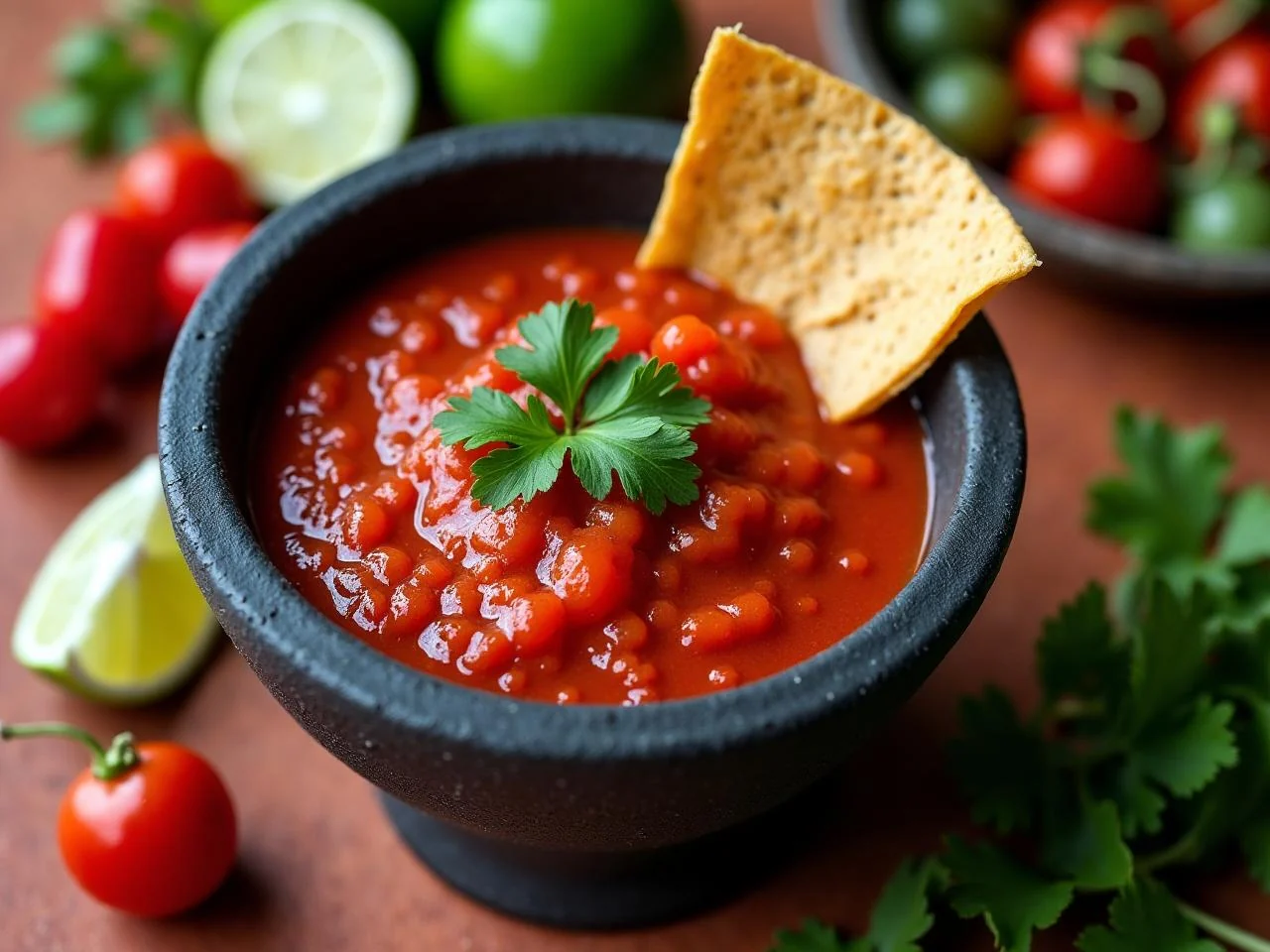
Salsa Roja, which translates to 'red sauce' in Spanish, is a staple in Mexican cuisine. Growing up in a Mexican household in San Antonio, I remember my grandmother spending hours in the kitchen, perfecting her Salsa Roja recipe. She would char the tomatoes, tomatillos, and onion on a comal, then blend them with spices and chiles to create a rich, velvety sauce.
As a home cook, I've learned to appreciate the beauty of Salsa Roja. It's a versatile sauce that can be used as a marinade, a sauce for tacos, or as a dip for vegetables. In this recipe, I'll share with you my grandmother's secrets for making the perfect Salsa Roja.
What makes this recipe special is the combination of flavors and textures. The charred tomatoes and tomatillos add a smoky depth, while the onion and garlic provide a pungency that's balanced by the acidity of the tomatoes. The ancho chiles add a slightly sweet and spicy flavor, which is enhanced by the oregano and cumin.
This recipe is perfect for anyone who loves Mexican cuisine and wants to try their hand at making a traditional sauce from scratch. It's also a great recipe for those who are looking for a versatile sauce that can be used in a variety of dishes.
In this recipe, we'll start by charring the tomatoes, tomatillos, and onion on a comal or under the broiler. Then, we'll blend them with spices and chiles to create a smooth, velvety sauce. We'll finish the sauce with a squeeze of fresh lime juice and a sprinkle of chopped cilantro.
Why You’ll Love This Recipe
- This recipe is easy to make and requires minimal ingredients.
- The sauce is versatile and can be used as a marinade, a sauce for tacos, or as a dip for vegetables.
- The charred tomatoes and tomatillos add a smoky depth to the sauce.
- The ancho chiles provide a slightly sweet and spicy flavor.
- The sauce is perfect for anyone who loves Mexican cuisine and wants to try their hand at making a traditional sauce from scratch.
- The recipe is family-friendly and can be made in large batches.
- The sauce is budget-friendly and can be made with minimal ingredients.
Why This Recipe Works
The key to making a great Salsa Roja is to char the tomatoes, tomatillos, and onion. This step adds a smoky depth to the sauce that's essential to its flavor. When you char the vegetables, you're caramelizing their natural sugars, which creates a rich, complex flavor.
Another important step is to toast the ancho chiles. This step enhances their flavor and aroma, and it helps to bring out their natural sweetness. The ancho chiles are the backbone of the sauce, providing a deep, slightly sweet flavor that's balanced by the acidity of the tomatoes.
The type of tomatoes you use is also crucial. We're using a combination of fresh and canned tomatoes to create a rich, velvety sauce. The fresh tomatoes add a bright, acidic flavor, while the canned tomatoes provide a deeper, more complex flavor.
Finally, the resting time is essential to allow the flavors to meld together. When you let the sauce rest, the flavors have a chance to combine and intensify, creating a rich, complex flavor that's perfect for tacos, grilled meats, and vegetables.
Ingredients You’ll Need
To make this Salsa Roja recipe, you'll need a few simple ingredients. The key players are the tomatoes, tomatillos, onion, garlic, ancho chiles, oregano, cumin, salt, and pepper. You'll also need some olive oil for roasting the vegetables and a squeeze of fresh lime juice for finishing the sauce.
When shopping for the ingredients, look for fresh, ripe tomatoes and tomatillos. You can find ancho chiles at most Mexican markets or online. If you can't find ancho chiles, you can substitute them with guajillo or mulato chiles.
- 2 lbs (900g) fresh tomatoes, cored and choppedWe're using a combination of fresh and canned tomatoes to create a rich, velvety sauce. Look for ripe, fresh tomatoes for the best flavor.
- 1 lb (450g) fresh tomatillos, husked and choppedTomatillos add a bright, acidic flavor to the sauce. Look for fresh, ripe tomatillos for the best flavor.
- 1 large onion, choppedThe onion adds a pungency to the sauce that's balanced by the acidity of the tomatoes. Look for a sweet onion, such as Vidalia or Maui, for the best flavor.
- 3 cloves garlic, mincedGarlic adds a depth of flavor to the sauce. Look for fresh, high-quality garlic for the best flavor.
- 2 ancho chiles, stemmed and seededAncho chiles provide a slightly sweet and spicy flavor to the sauce. Look for dried ancho chiles at most Mexican markets or online.
- 1 tsp (5g) dried oreganoOregano adds a pungent, earthy flavor to the sauce. Look for high-quality, dried oregano for the best flavor.
- 1 tsp (5g) ground cuminCumin adds a warm, earthy flavor to the sauce. Look for high-quality, ground cumin for the best flavor.
- 1/2 tsp (2g) saltSalt enhances the flavors of the sauce and helps to balance the acidity of the tomatoes. Look for high-quality, flaky salt for the best flavor.
- 1/4 tsp (1g) black pepperBlack pepper adds a subtle, spicy flavor to the sauce. Look for high-quality, freshly ground black pepper for the best flavor.
- 2 tbsp (30g) olive oilOlive oil is used for roasting the vegetables and adding a rich, velvety texture to the sauce. Look for high-quality, extra-virgin olive oil for the best flavor.
- 2 tbsp (30g) fresh lime juiceLime juice adds a bright, acidic flavor to the sauce. Look for fresh, high-quality limes for the best flavor.
Equipment You’ll Need
How to Make Salsa Roja
- 1Preheat your oven to 400°F (200°C).
- 2Place the chopped onion on a baking sheet and roast in the oven for 20-25 minutes, or until charred and caramelized, stirring occasionally.
- 3While the onion is roasting, char the tomatoes and tomatillos on a comal or under the broiler. This step should take about 10-15 minutes, or until the vegetables are charred and blistered.
- 4Remove the onion, tomatoes, and tomatillos from the oven and let them cool slightly.
- 5Peel the skin off the tomatoes and tomatillos and place them in a blender or food processor.
- 6Add the roasted onion, garlic, ancho chiles, oregano, cumin, salt, and pepper to the blender or food processor.
- 7Blend the mixture until smooth, stopping to scrape down the sides of the blender as needed.
- 8Strain the sauce through a fine-mesh sieve or strainer to remove any seeds or solids.
- 9Heat the olive oil in a large skillet over medium heat.
- 10Add the strained sauce to the skillet and simmer for 10-15 minutes, stirring occasionally, until the sauce has thickened and reduced slightly.
- 11Stir in the fresh lime juice and adjust the seasoning as needed.
- 12Let the sauce rest for at least 30 minutes to allow the flavors to meld together.
Expert Tips
- Use high-quality, fresh ingredients for the best flavor.
- Char the vegetables until they're blistered and charred, this step is essential for the flavor of the sauce.
- Don't overprocess the sauce, it should still have a slightly chunky texture.
- Adjust the seasoning as needed, the sauce should be balanced and flavorful.
- Let the sauce rest for at least 30 minutes to allow the flavors to meld together.
- Use this sauce as a marinade, a sauce for tacos, or as a dip for vegetables.
- Experiment with different types of chiles or spices to create unique flavor variations.
- Make the sauce in large batches and freeze it for up to 6 months.
Common Mistakes to Avoid
- Not charring the vegetables enough, this step is essential for the flavor of the sauce.
- Overprocessing the sauce, it should still have a slightly chunky texture.
- Not adjusting the seasoning as needed, the sauce should be balanced and flavorful.
- Not letting the sauce rest for at least 30 minutes, this step allows the flavors to meld together.
- Using low-quality ingredients, this can affect the flavor and texture of the sauce.
- Not straining the sauce, this step removes any seeds or solids and creates a smooth texture.
Variations and Substitutions
- Use guajillo or mulato chiles instead of ancho chiles for a different flavor.
- Add a diced jalapeño or serrano pepper to the sauce for an extra kick of heat.
- Use roasted garlic instead of raw garlic for a deeper flavor.
- Add a splash of red wine or vinegar to the sauce for a tangy flavor.
- Use this sauce as a marinade for grilled meats or vegetables.
- Experiment with different types of tomatoes or tomatillos for a unique flavor.
- Add some chopped fresh cilantro or scallions to the sauce for a fresh flavor.
What to Serve With Salsa Roja
This Salsa Roja is perfect for serving with tacos, grilled meats, or vegetables. You can also use it as a dip for chips or as a sauce for enchiladas or chiles rellenos.
Some other ideas for serving this sauce include using it as a topping for grilled fish or chicken, or as a sauce for roasted vegetables. You can also use it as a marinade for grilled meats or vegetables.
Make-Ahead, Storage, Freezing and Reheating
This Salsa Roja can be stored in the fridge for up to 1 week or frozen for up to 6 months. To freeze the sauce, let it cool completely, then transfer it to an airtight container or freezer bag.
To reheat the sauce, simply thaw it overnight in the fridge, then reheat it in a saucepan over low heat, stirring occasionally.
You can also can the sauce using a water bath canner, this will allow you to store it at room temperature for up to 1 year.
When storing the sauce, make sure to keep it in an airtight container and label it with the date and contents.
Frequently Asked Questions
What type of chiles should I use for this recipe?
You can use ancho, guajillo, or mulato chiles for this recipe. Ancho chiles have a slightly sweet and spicy flavor, while guajillo and mulato chiles have a more intense heat.
Can I use canned tomatoes instead of fresh tomatoes?
Yes, you can use canned tomatoes instead of fresh tomatoes. However, keep in mind that canned tomatoes have a more intense flavor and may affect the overall taste of the sauce.
How long does the sauce last in the fridge?
The sauce can last for up to 1 week in the fridge. Make sure to store it in an airtight container and label it with the date and contents.
Can I freeze the sauce?
Yes, you can freeze the sauce for up to 6 months. Let it cool completely, then transfer it to an airtight container or freezer bag.
What type of oil should I use for roasting the vegetables?
You can use olive oil, avocado oil, or grapeseed oil for roasting the vegetables. Choose an oil with a high smoke point to prevent it from burning or smoking during the roasting process.
Can I use this sauce as a marinade?
Yes, you can use this sauce as a marinade for grilled meats or vegetables. Simply brush the sauce onto the meat or vegetables during the last few minutes of grilling or roasting.
How do I adjust the seasoning of the sauce?
You can adjust the seasoning of the sauce by adding more salt, pepper, or lime juice. Taste the sauce as you go and adjust the seasoning to your liking.
Can I make this sauce in advance?
Yes, you can make this sauce in advance. Simply prepare the sauce, let it cool, then refrigerate or freeze it until you're ready to use it.
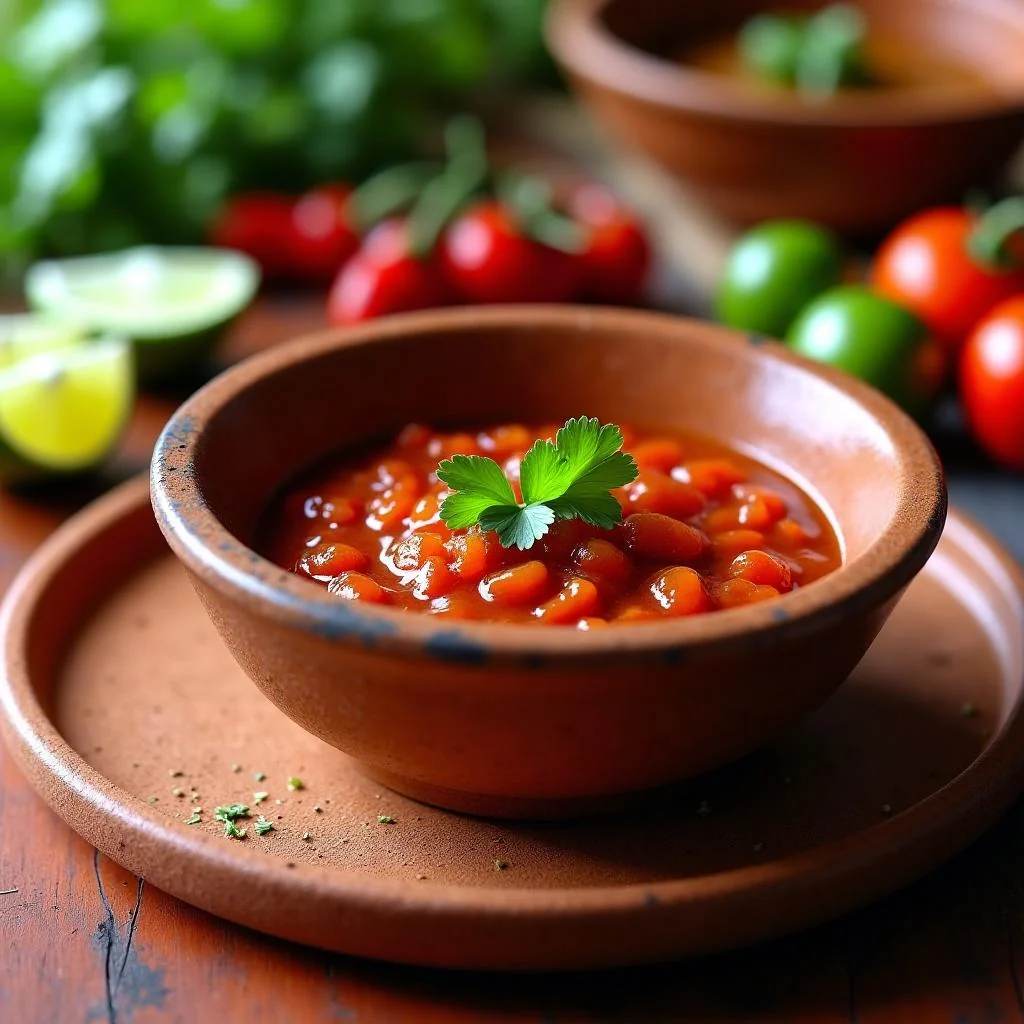
Ingredients
- 2 lbs (900g) fresh tomatoes, cored and chopped
- 1 lb (450g) fresh tomatillos, husked and chopped
- 1 large onion, chopped
- 3 cloves garlic, minced
- 2 ancho chiles, stemmed and seeded
- 1 tsp (5g) dried oregano
- 1 tsp (5g) ground cumin
- 1/2 tsp (2g) salt
- 1/4 tsp (1g) black pepper
- 2 tbsp (30g) olive oil
- 2 tbsp (30g) fresh lime juice
Instructions
- Preheat your oven to 400°F (200°C).
- Place the chopped onion on a baking sheet and roast in the oven for 20-25 minutes, or until charred and caramelized, stirring occasionally.
- While the onion is roasting, char the tomatoes and tomatillos on a comal or under the broiler. This step should take about 10-15 minutes, or until the vegetables are charred and blistered.
- Remove the onion, tomatoes, and tomatillos from the oven and let them cool slightly.
- Peel the skin off the tomatoes and tomatillos and place them in a blender or food processor.
- Add the roasted onion, garlic, ancho chiles, oregano, cumin, salt, and pepper to the blender or food processor.
- Blend the mixture until smooth, stopping to scrape down the sides of the blender as needed.
- Strain the sauce through a fine-mesh sieve or strainer to remove any seeds or solids.
- Heat the olive oil in a large skillet over medium heat.
- Add the strained sauce to the skillet and simmer for 10-15 minutes, stirring occasionally, until the sauce has thickened and reduced slightly.
- Stir in the fresh lime juice and adjust the seasoning as needed.
- Let the sauce rest for at least 30 minutes to allow the flavors to meld together.